By your space
Living Room Activities for Kids
Indoor activities that work well in a typical living room or play area, room to move, nothing too wild, all using household items.
A living room gives you just enough space to spread out without things getting wild. These ideas use the floor, the couch, and a bit of room to move.
Everything uses household items, so there's no special gear and nothing that won't fit back in a drawer afterwards.
Featured activities
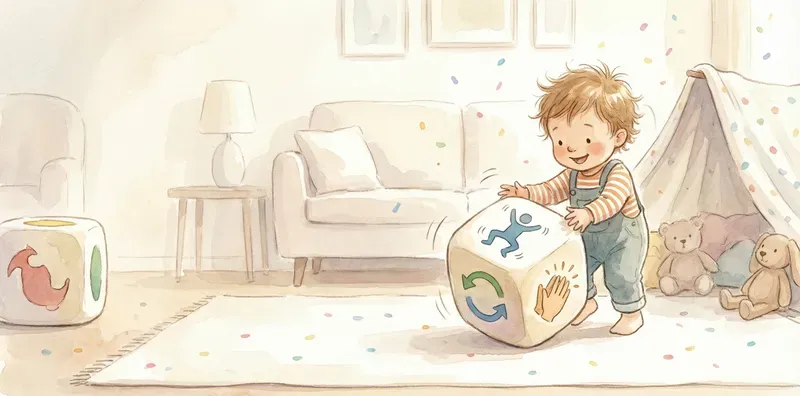
Action Dice Game
- Age
- 2–6 years
- Time
- 10–20 min
- Energy
- Hands-on
- Setting
- Indoor
You'll need: Paper cube or dice, Markers

Alphabet Freeze Dance
- Age
- 2–6 years
- Time
- 10–20 min
- Energy
- Hands-on
- Setting
- Indoor
You'll need: Music (phone or speaker), Clear floor space
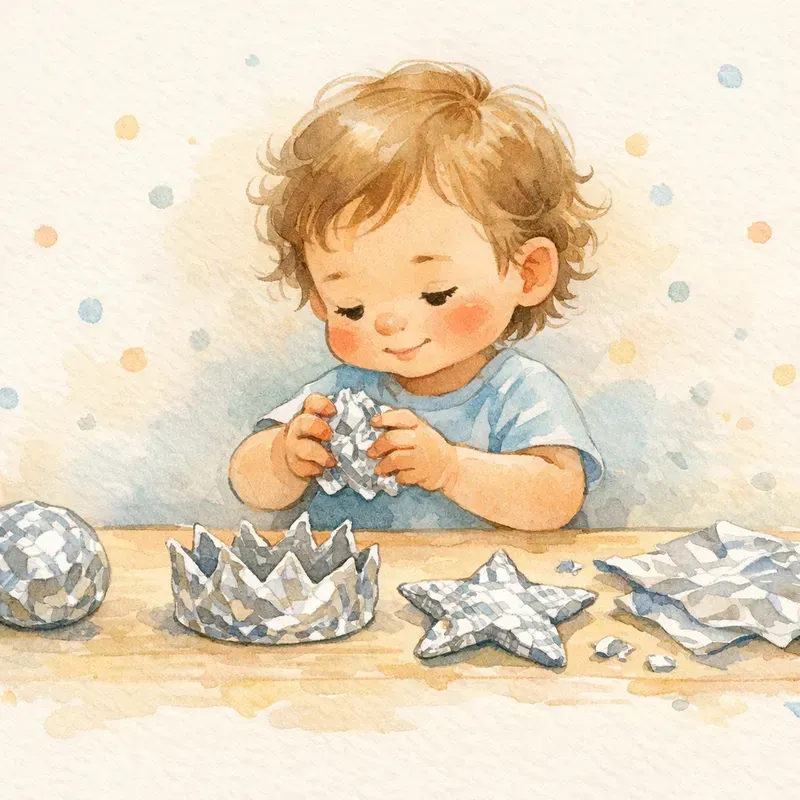
Aluminum Foil Sculptures
- Age
- 3–6 years
- Time
- 10–25 min
- Energy
- Low-energy
- Mess
- No mess
You'll need: Aluminum foil, Scissors (adult use)
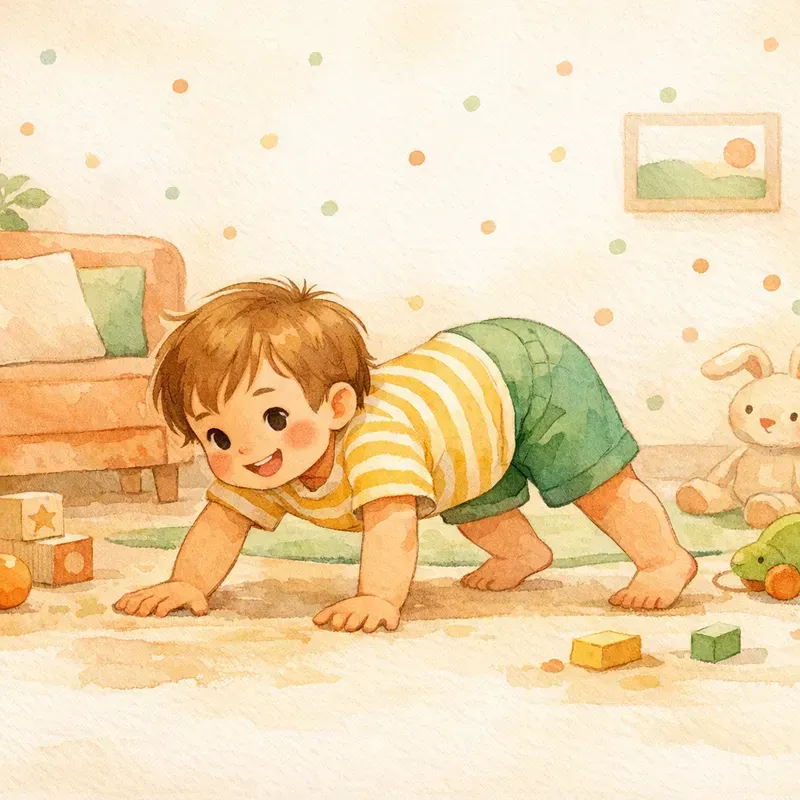
Animal Walks
- Age
- 2–5 years
- Time
- 5–15 min
- Energy
- Hands-on
- Setting
- Indoor
You'll need: Clear floor space
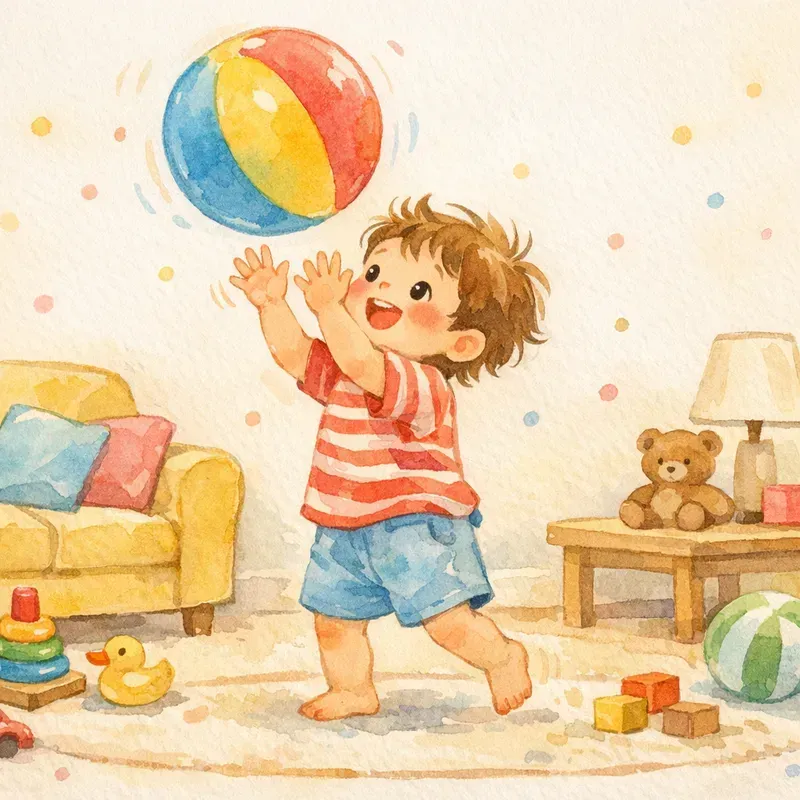
Balloon Keep Up
- Age
- 2–6 years
- Time
- 5–15 min
- Energy
- Hands-on
- Setting
- Indoor
You'll need: Balloon (inflated)
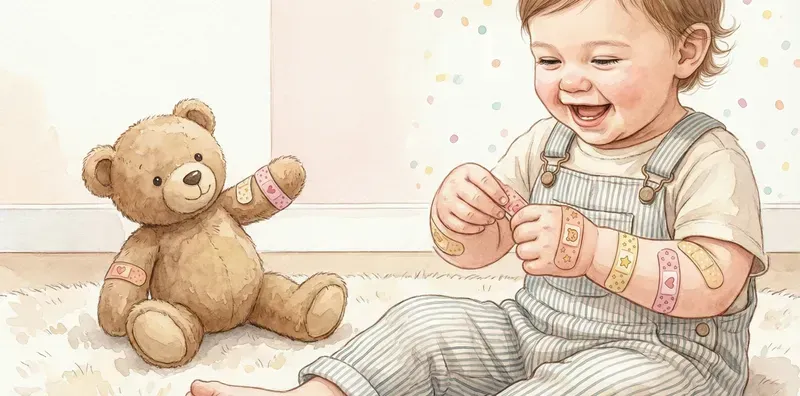
Band-Aid Practice Game
- Age
- 2–4 years
- Time
- 10–20 min
- Energy
- Low-energy
- Mess
- No mess
You'll need: Dollar store band-aids, Stuffed animals or dolls, Markers (optional for boo-boos)
More ideas in this collection
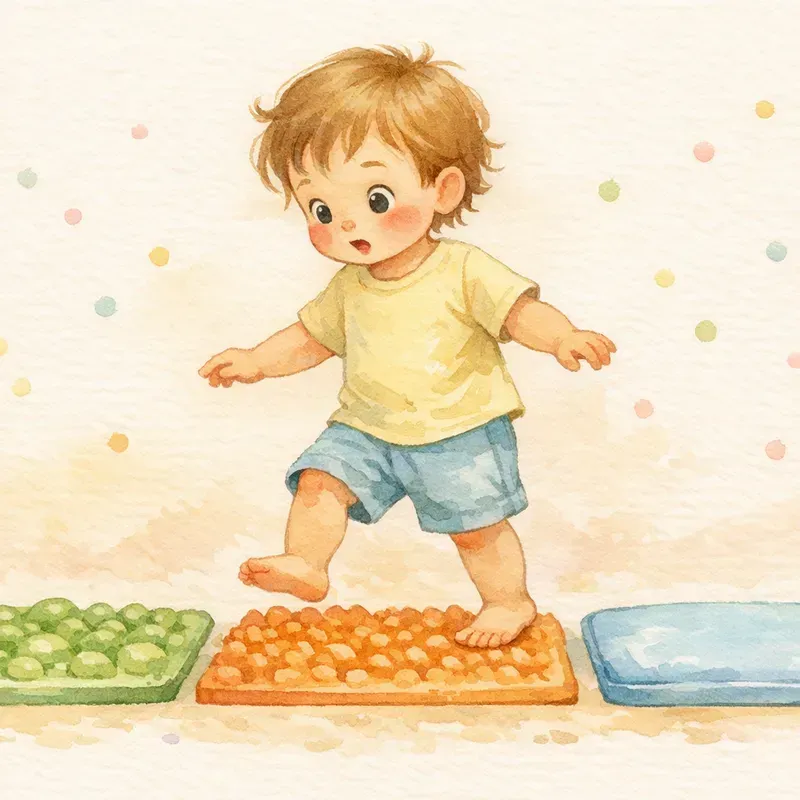
Barefoot Texture Walk
1–4 years · 10–20 min · Indoor
Sensory input through the feet develops proprioception, the body's ability to sense where it is in space. This is the same skill that helps kids navigate stairs, climb playground equipment, and move confidently in the dark. Naming each texture also builds descriptive vocabulary and teaches kids to pay attention to subtle sensory differences.

Bath Tub Paint
1–5 years · 15–30 min · Indoor · Low energy
The bath keeps the mess fully contained, so kids get open-ended, messy painting and cleanup is just a quick rinse when they're done.
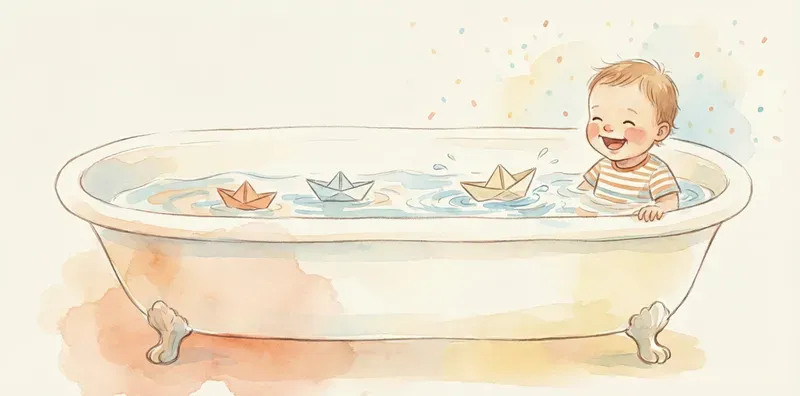
Bathtub Boat Races
1–5 years · 10–25 min · Indoor · Low energy
Engineering combined with water play and breath control.
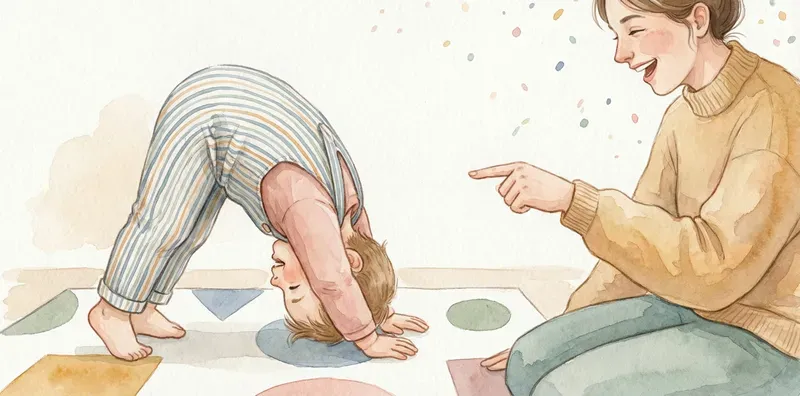
Body Letter Making
3–6 years · 10–20 min · Indoor
Making letters with your body is kinesthetic learning, shaping each letter with the whole body creates stronger memory than writing alone. Kids who learn letters through movement recognize them faster and retain them longer. They physically feel the difference between a P and a B, which builds letter recognition and pre-reading skills. It's also a sneaky gross motor workout that burns energy while building literacy.
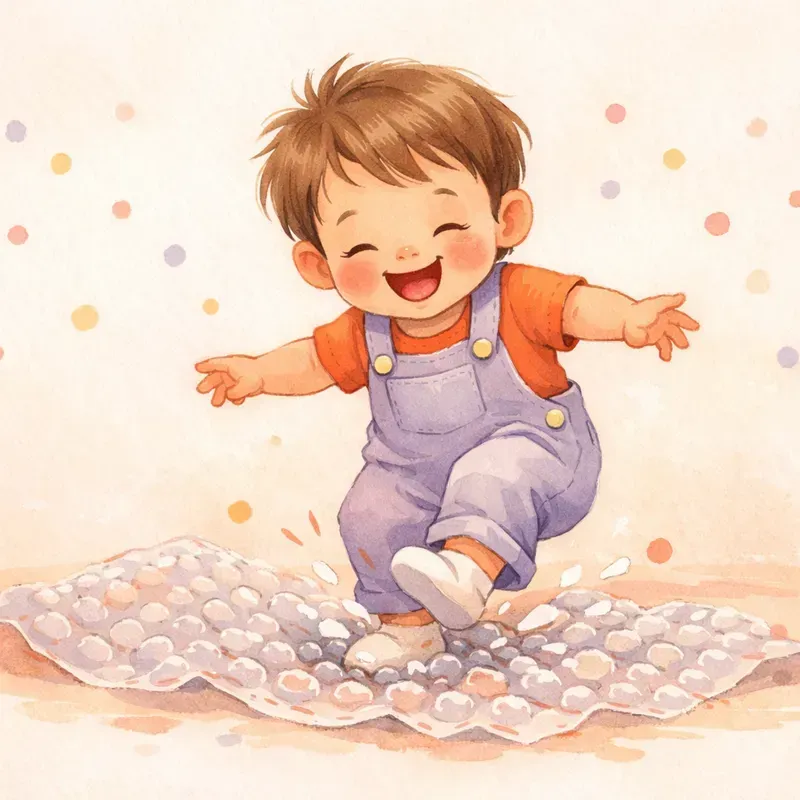
Bubble Wrap Stomp
1–5 years · 5–15 min · Indoor · Low energy
Gross motor movement releases energy while the popping provides satisfying sensory feedback.

Button Art Pictures
3–6 years · 15–30 min · Indoor · Low energy
Sorting and arranging builds spatial skills with satisfying results.
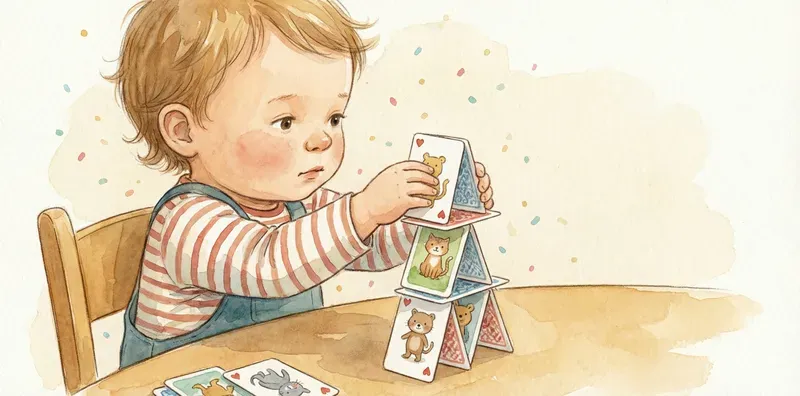
Card Tower Building
3–6 years · 10–25 min · Indoor · Low energy
Engineering challenge that builds patience and fine motor control.
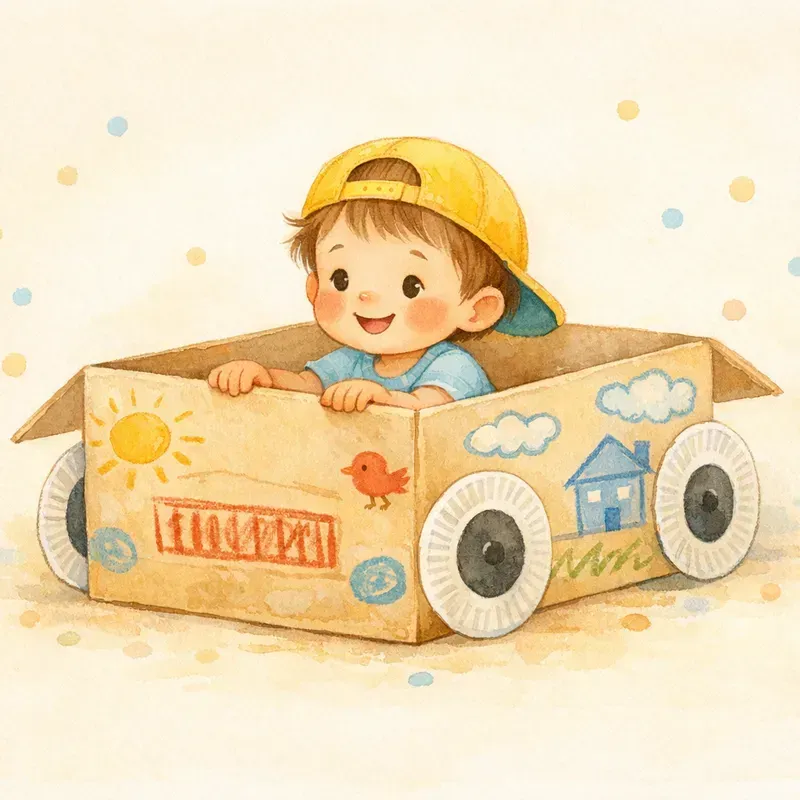
Cardboard Box Car
1–4 years · 10–20 min · Indoor · Low energy
Imaginative play builds creativity while the confined space feels cozy and secure.
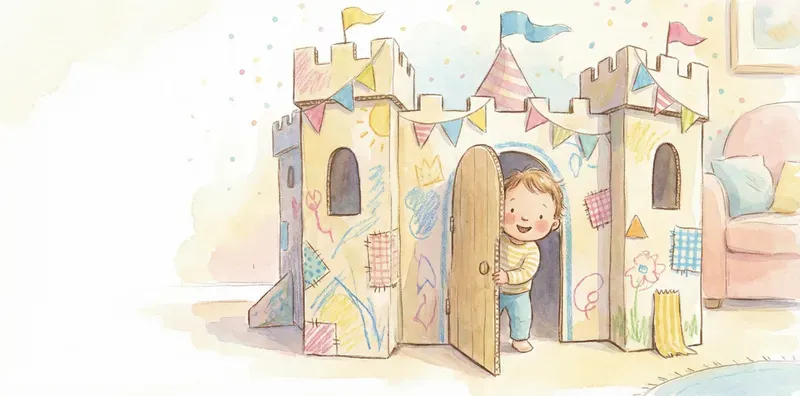
Cardboard Box Castle
2–6 years · 20–45 min · Indoor
A box castle is a big, open-ended project that turns into hours of imaginative play across several days, not just one sitting. Deciding where the door and windows go builds planning and fine motor skills, while the pretend stories that follow grow language, sequencing, and social play. The enclosed space also feels cozy and safe, which is why kids happily play inside it on their own.
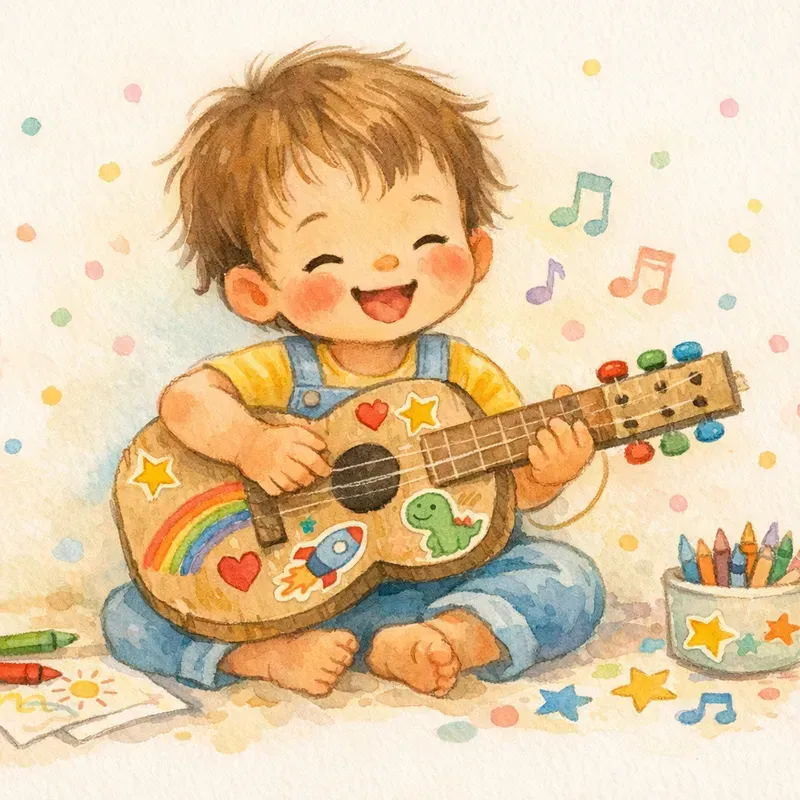
Cardboard Box Guitar
2–5 years · 15–30 min · Indoor
Creating instruments gives ownership and encourages musical exploration.
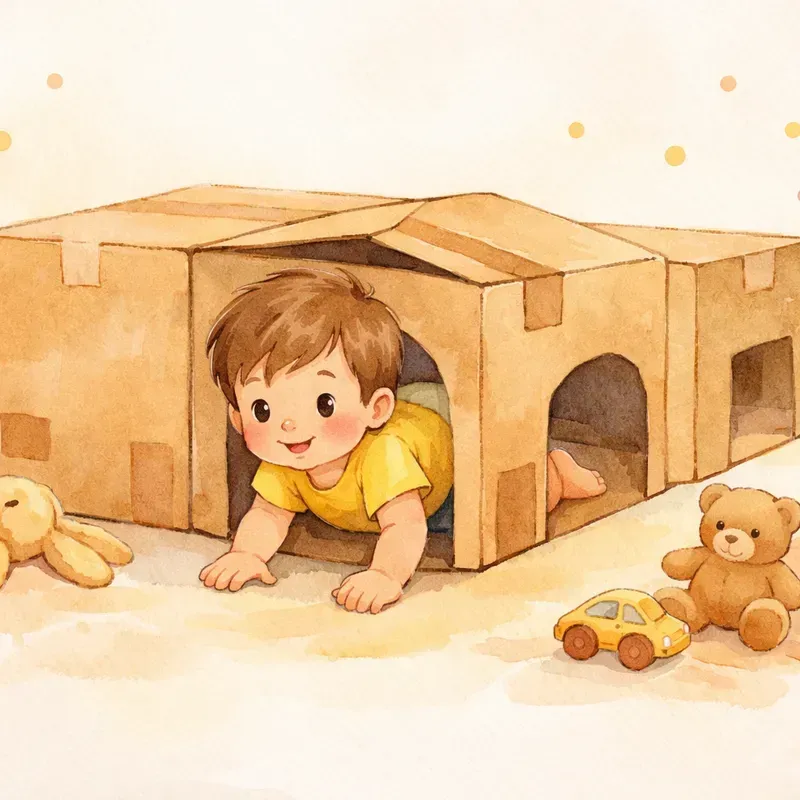
Cardboard Box Tunnel
1–4 years · 10–25 min · Indoor · Low energy
Crawling through a tunnel builds spatial awareness and core strength, and the in-one-end, out-the-other novelty keeps younger toddlers going back to it again and again.
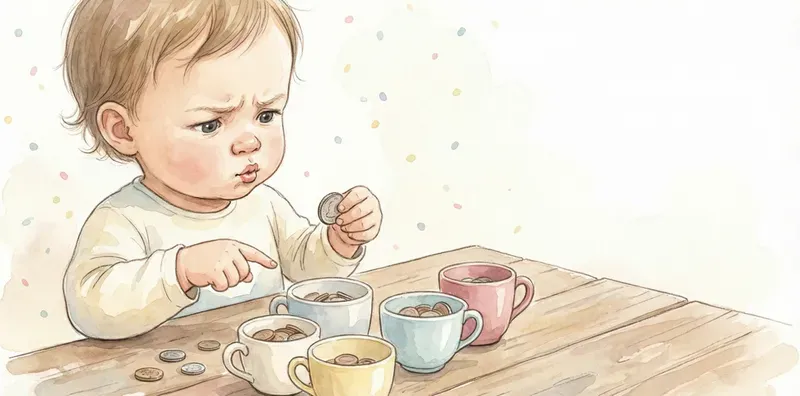
Coin Sorting Bank
3–6 years · 10–20 min · Indoor · Low energy
Real-world math with tactile discrimination practice.
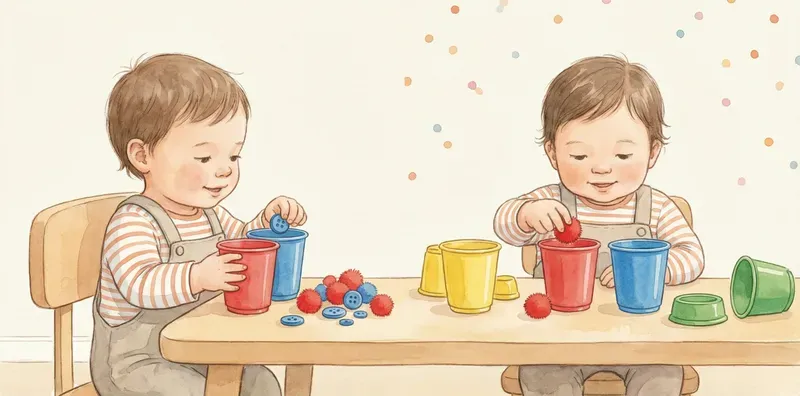
Color Sorting Cups
1–4 years · 5–15 min · Indoor · Low energy
Sorting by color builds categorization thinking, one of the earliest math skills. The pinch-and-place motion strengthens the same muscles used for writing. And because the 'rules' are simple (match the color), toddlers feel successful quickly, which keeps them going longer than you'd expect.

Cotton Ball Cloud Pictures
2–5 years · 10–25 min · Indoor · Low energy
Pulling and stretching cotton balls is quiet fine motor practice that strengthens the same finger muscles used for holding a pencil. Turning a flat cotton ball into a cloud shape asks your child to picture something and then make it real, which builds creative thinking and a little planning. The soft texture and the unhurried pace make it a calm, contained activity for days when you want them settled at the table.
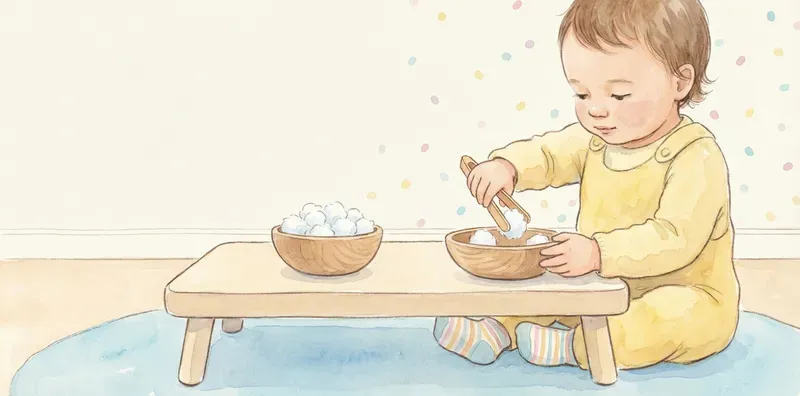
Cotton Ball Transfer
2–4 years · 5–15 min · Indoor · Low energy
Cotton balls are lightweight and soft, so dropping them feels fine, not frustrating. The pinch-grip motion with tongs strengthens the same small muscles kids need for holding pencils and using scissors. Counting along the way sneaks in early math practice without it feeling like a lesson.
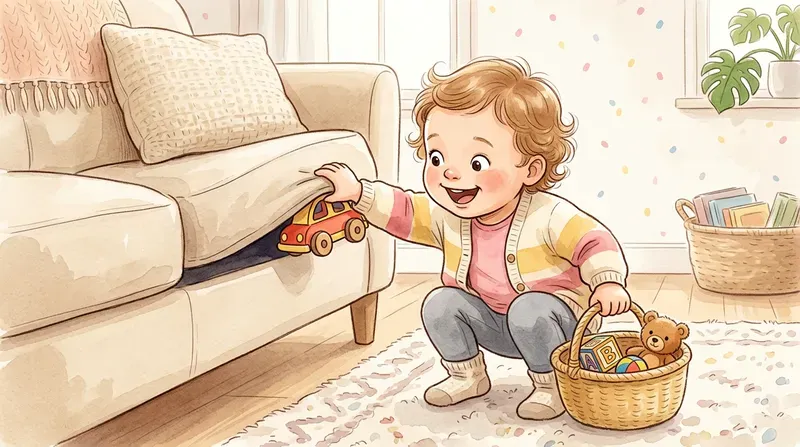
Counting Treasure Hunt
2–5 years · 10–20 min · Indoor
The treasure hunt format turns counting practice into an adventure, kids don't realize they're learning math because they're too busy searching. Finding and counting objects one-to-one builds number sense far more effectively than rote counting because each number connects to a real thing they can hold. Hiding objects for a grown-up reverses the dynamic and builds confidence.
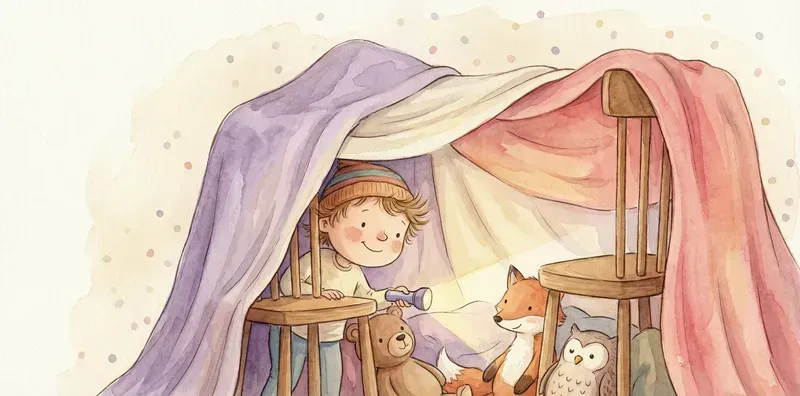
Cozy Blanket Fort
1–6 years · 15–45 min · Indoor · Low energy
Enclosed spaces feel safe and special, encouraging independent play.
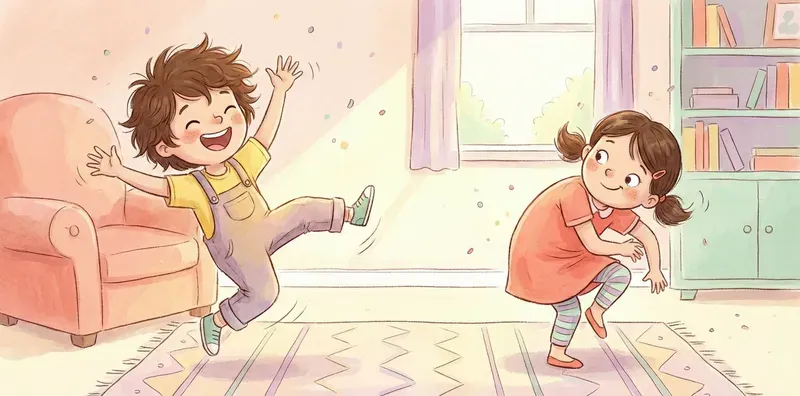
Dance and Freeze
1–6 years · 5–15 min · Indoor
Freeze dance is impulse control practice hiding inside a dance party. Stopping their body the instant the music cuts out is exactly the self-regulation skill toddlers need for waiting, listening, and handling transitions, and the constant start-stop holds their attention far longer than free dancing alone. It also burns real energy, so it doubles as a reset when the walls start closing in.
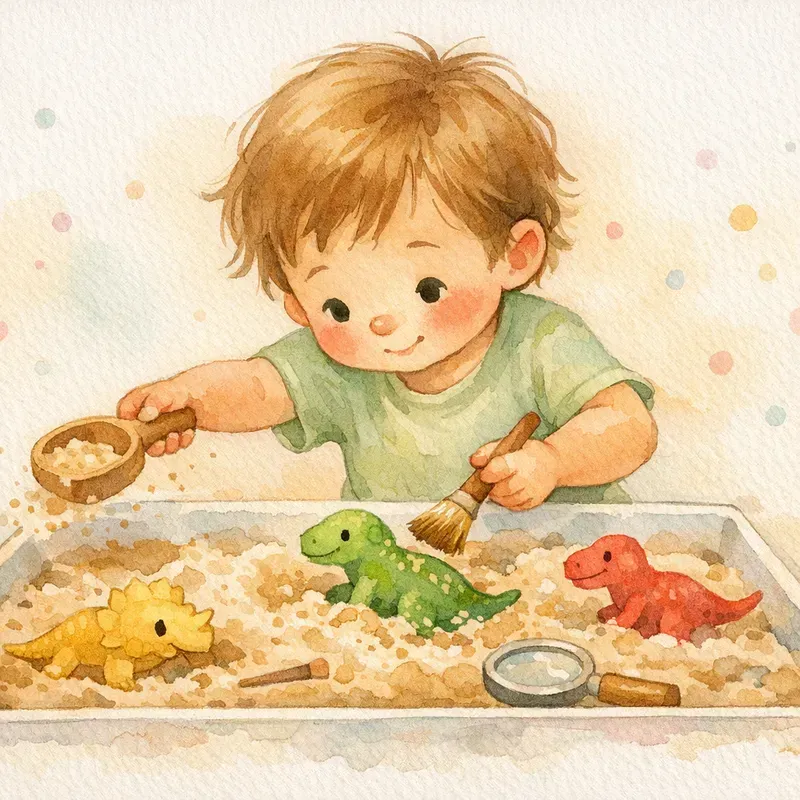
Dinosaur Excavation Dig
2–5 years · 15–30 min · Indoor
Combines sensory play with imaginative prehistoric adventure.

Discovery Bottles
0–3 years · 5–15 min · Indoor · Low energy
Visual stimulation is calming and encourages focus.
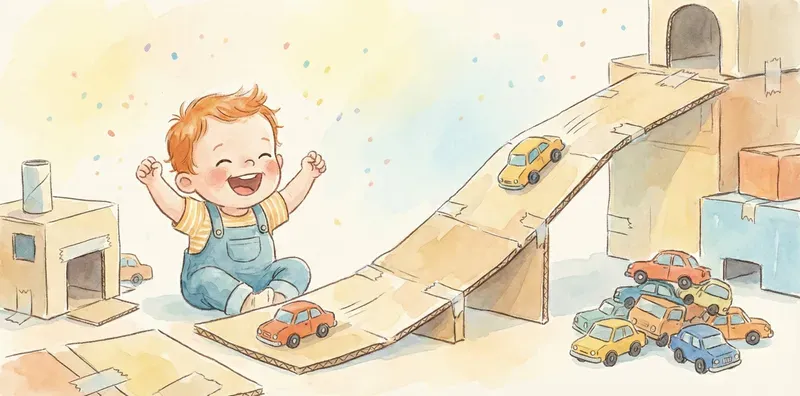
DIY Car Ramp Races
1–5 years · 15–30 min · Indoor · Low energy
Physics exploration with beloved toy cars.
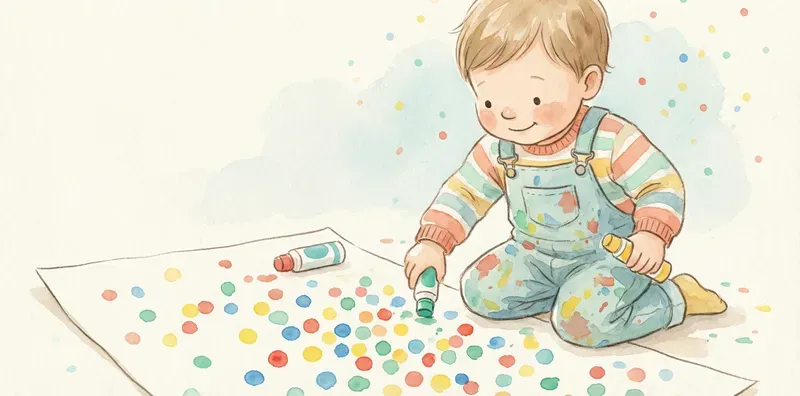
Dot Marker Art
1–5 years · 10–25 min · Indoor · Low energy
Dot markers give vivid, instant results with every single press. There's no way to 'fail' at this, which builds art confidence in hesitant kids. The press-and-lift motion strengthens the same hand muscles used for writing, and the chunky grip is perfect for small hands that struggle with thin crayons or pencils.
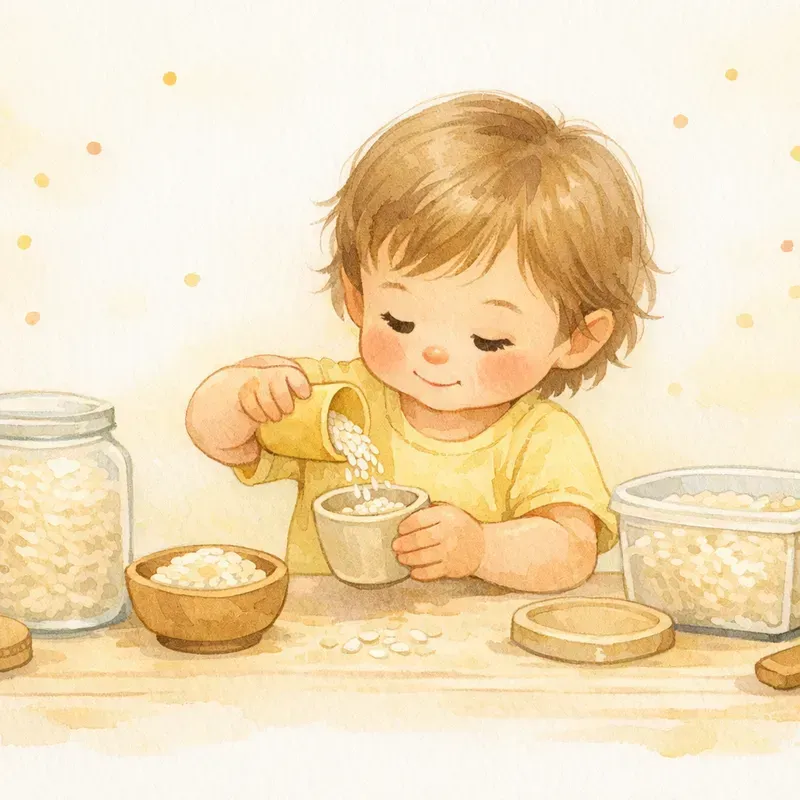
Dry Pouring Station
1–3 years · 10–20 min · Indoor · Low energy
Pouring requires wrist rotation and controlled tipping, skills that transfer directly to pouring drinks and using utensils. The repetitive scoop-pour-dump cycle is deeply calming for toddlers, similar to how adults find repetitive tasks meditative. Using a funnel adds precision aiming. The different sounds of beans hitting plastic vs. metal containers adds sensory richness that keeps them engaged.
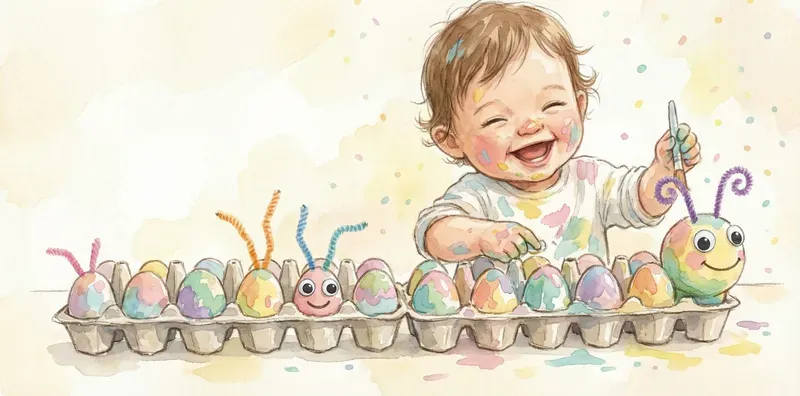
Egg Carton Caterpillar
2–5 years · 15–30 min · Indoor
Upcycled craft creates a toy to play with afterward.
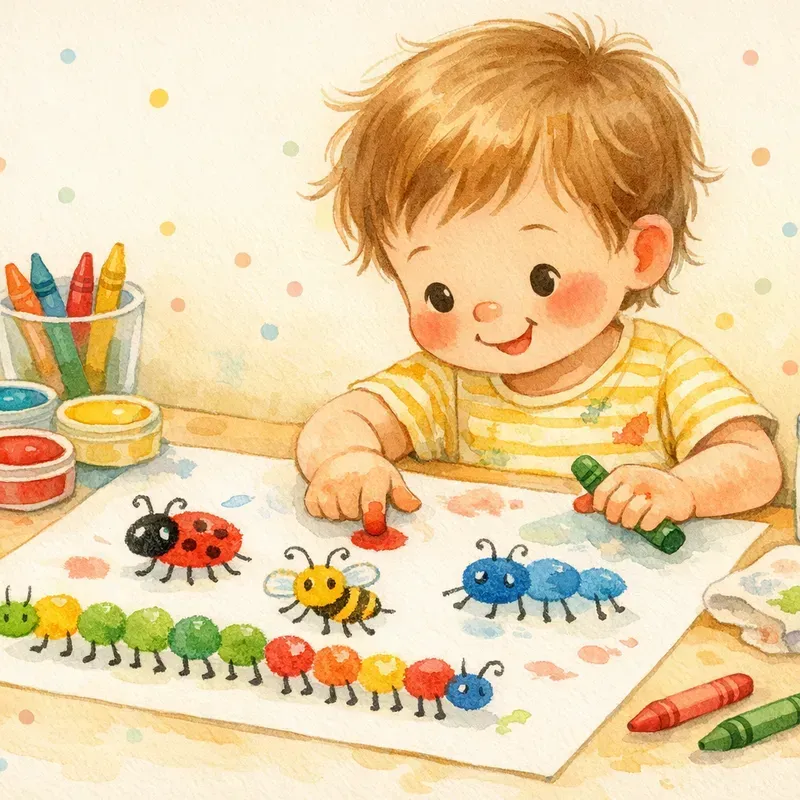
Fingerprint Creatures
2–6 years · 10–25 min · Indoor · Low energy
Combines mess-managed sensory with creative expression.
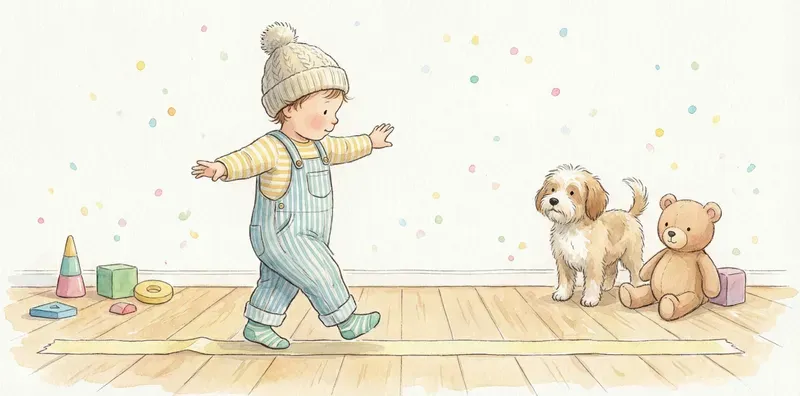
Floor Balance Beam
2–5 years · 5–15 min · Indoor · Low energy
Balance practice builds core strength and body awareness.
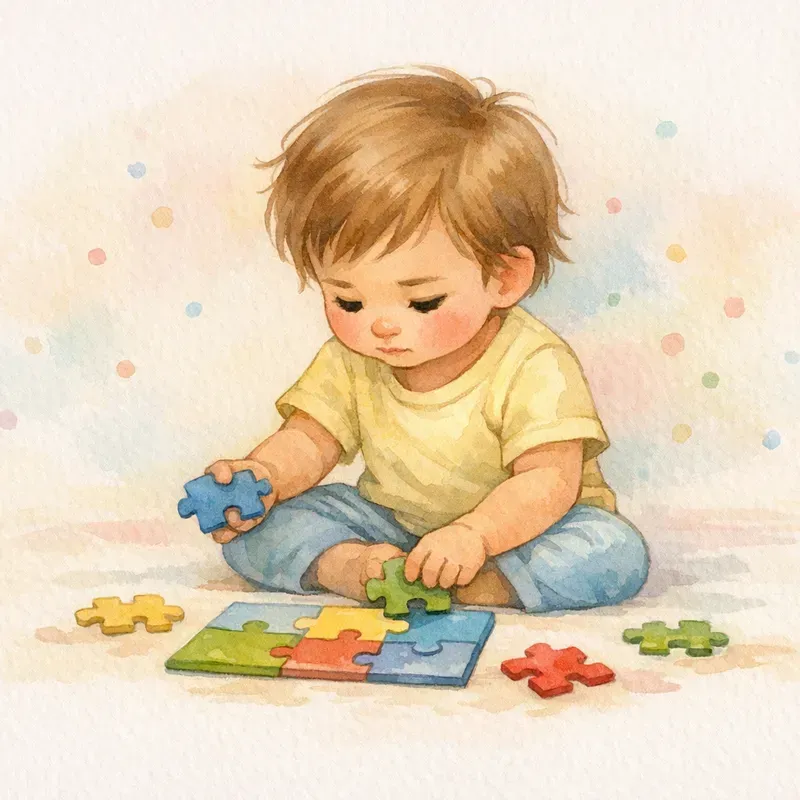
Floor Puzzle Time
1–5 years · 10–25 min · Indoor · Low energy
Puzzles build spatial reasoning, patience, and problem-solving.

Frozen Toy Excavation
2–5 years · 15–30 min · Indoor
Combines science with problem-solving in an engaging sensory experience.
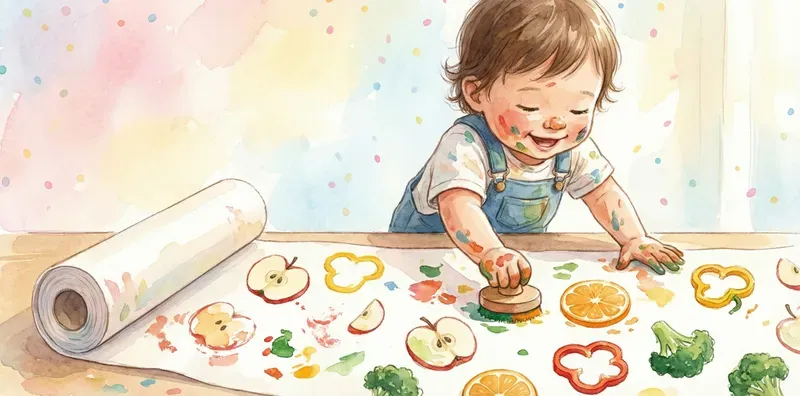
Fruit and Veggie Stamping
2–5 years · 15–30 min · Indoor
Unexpected art medium sparks creativity and curiosity.
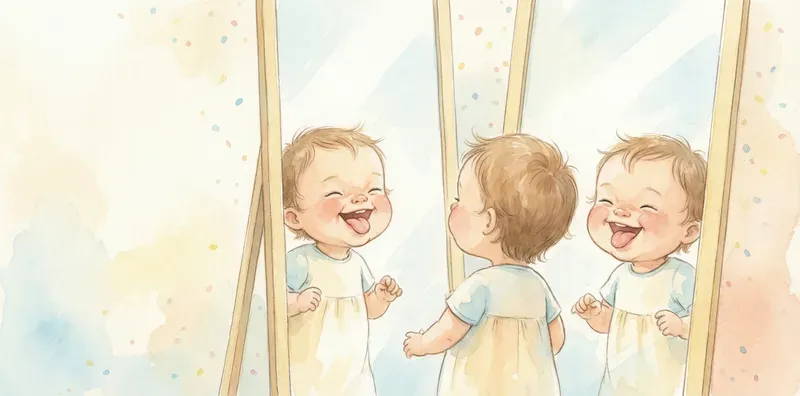
Funny Mirror Faces
1–4 years · 5–15 min · Indoor · Low energy
Builds emotional vocabulary and self-awareness playfully.
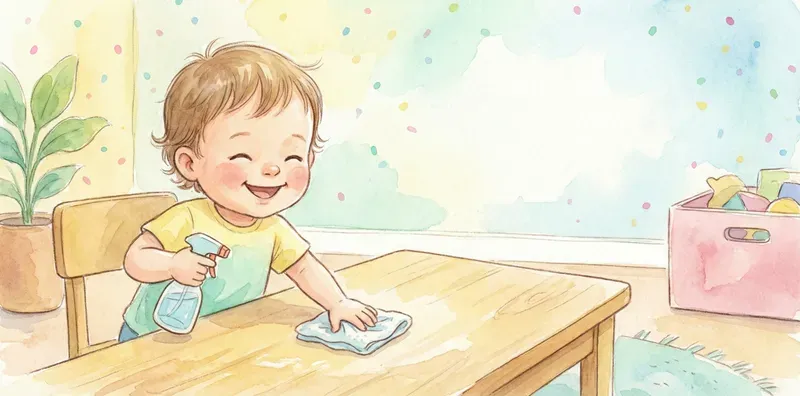
Helper Cleaning Spray
2–5 years · 10–20 min · Indoor · Low energy
Feeling useful builds confidence and spraying builds hand strength.

Hide and Seek Toys
1–4 years · 10–20 min · Indoor · Low energy
Treasure hunts build memory and spatial awareness through movement.
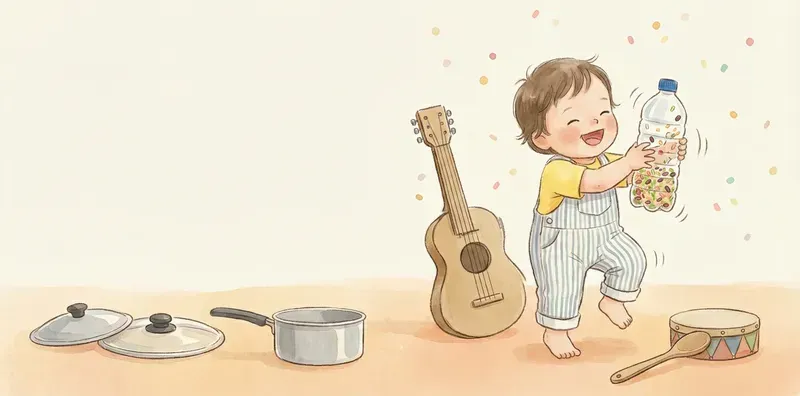
Homemade Music Shakers
1–4 years · 10–20 min · Indoor
Making instruments gives ownership while music stimulates brain development.

Homemade Rain Stick
2–5 years · 15–30 min · Indoor
Creating musical instrument from household items sparks pride.
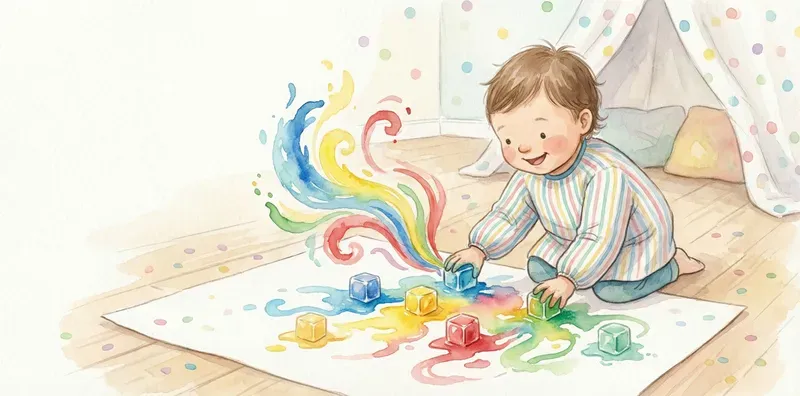
Ice Cube Painting
1–5 years · 10–25 min · Indoor
Multi-sensory experience combines temperature, color, and movement.
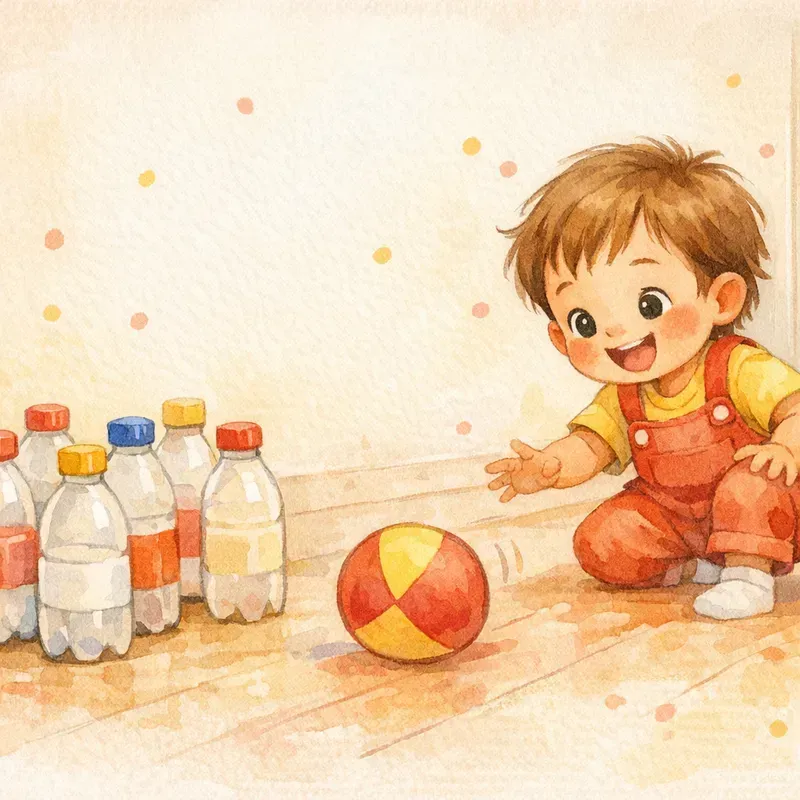
Indoor Bowling
2–6 years · 10–20 min · Indoor · Low energy
Develops hand-eye coordination and basic counting in a game format.
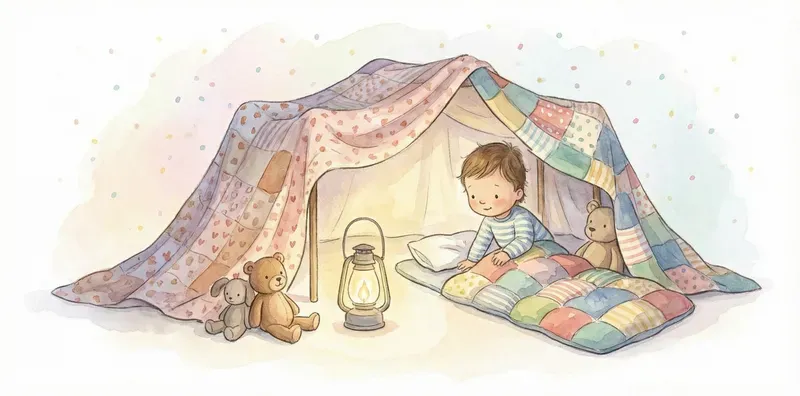
Indoor Camping Adventure
2–6 years · 20–60 min · Indoor · Low energy
A blanket tent and a few flashlights turn the living room into somewhere new, which gives kids open-ended pretend play and a cozy, low-key way to wind down.
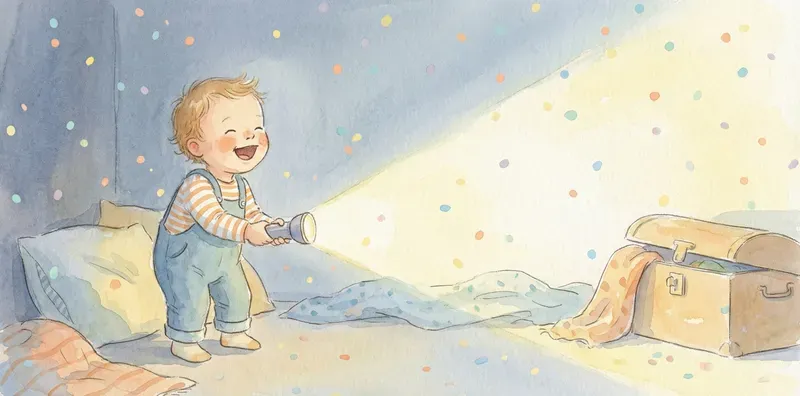
Indoor Flashlight Tag
3–6 years · 10–20 min · Indoor
All the chase-and-dodge fun of tag without much running room, so it works in a small space. Tracking and dodging the beam also builds visual focus and quick reactions.
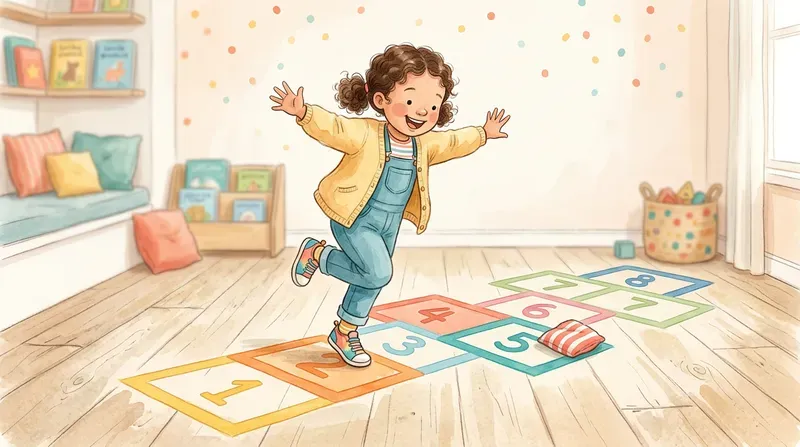
Indoor Hopscotch
2–6 years · 10–20 min · Indoor
Hopscotch builds balance, coordination, and leg strength while sneaking in number recognition and counting. The single-leg hopping is genuinely challenging for toddlers and preschoolers, they concentrate hard, which means they stay engaged. The tape grid stays put for days, so you set it up once and get multiple play sessions.
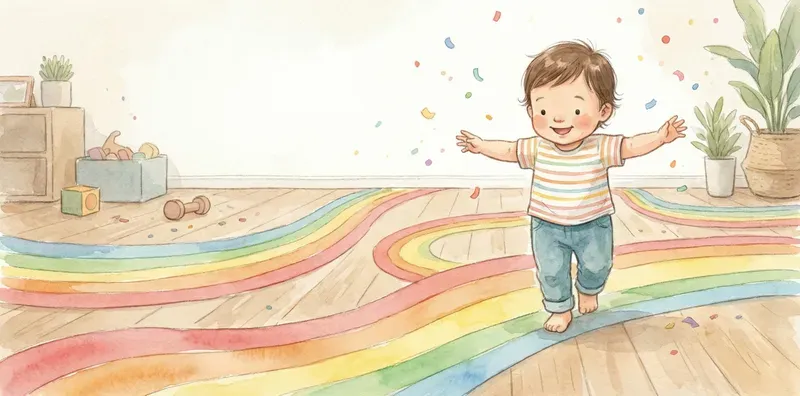
Indoor Rainbow Walk
2–5 years · 10–20 min · Indoor · Low energy
Hunting for each color gets your child up and moving while sharpening color recognition and visual scanning, the skill of searching a busy space for one specific thing. Naming what they find grows vocabulary, and holding the rainbow order in their head is early sequencing and memory practice. It needs zero supplies and zero setup, so it is the one you reach for when you have nothing but a few minutes to fill.
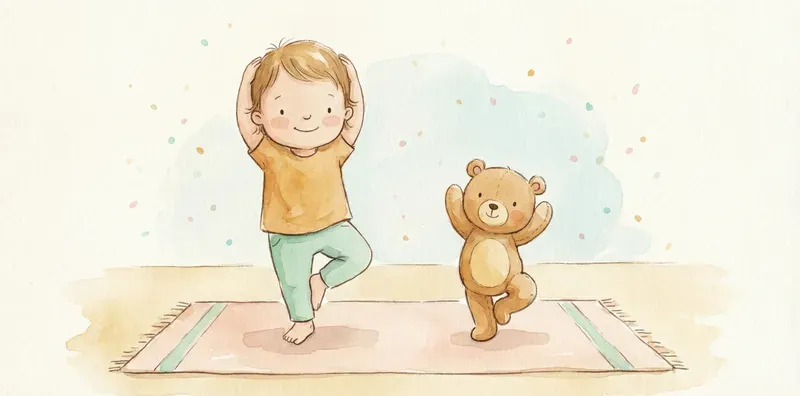
Kid-Friendly Yoga Poses
2–6 years · 10–20 min · Indoor · Low energy
Body awareness, flexibility, and calm all in one activity.
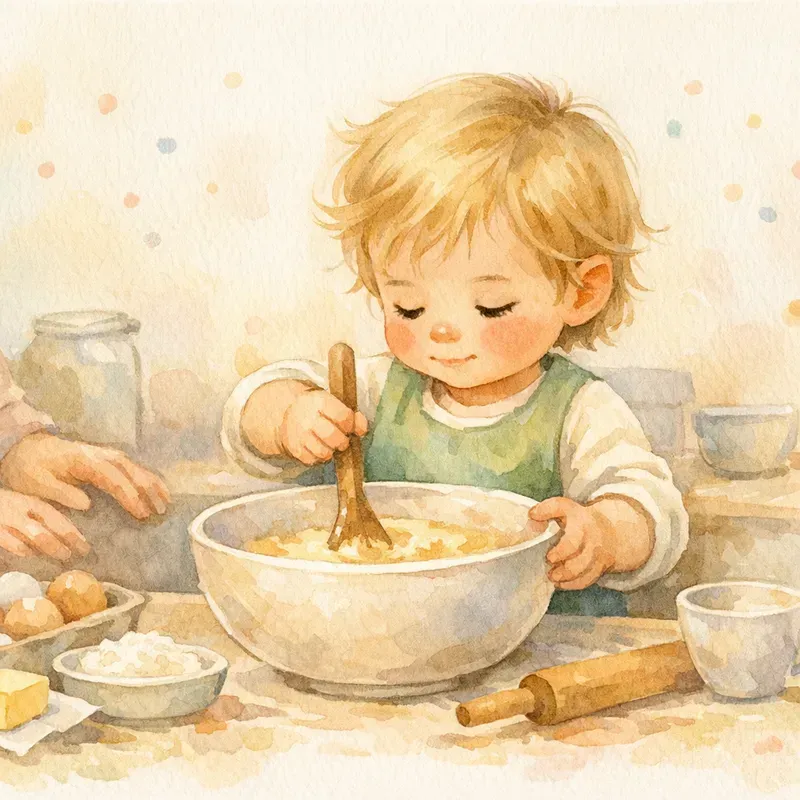
Kitchen Helper Baking
2–6 years · 20–40 min · Indoor
Pouring, stirring, and measuring are real fine motor practice, and being trusted with a grown-up job builds confidence. The wait for it to bake is a gentle lesson in patience too.
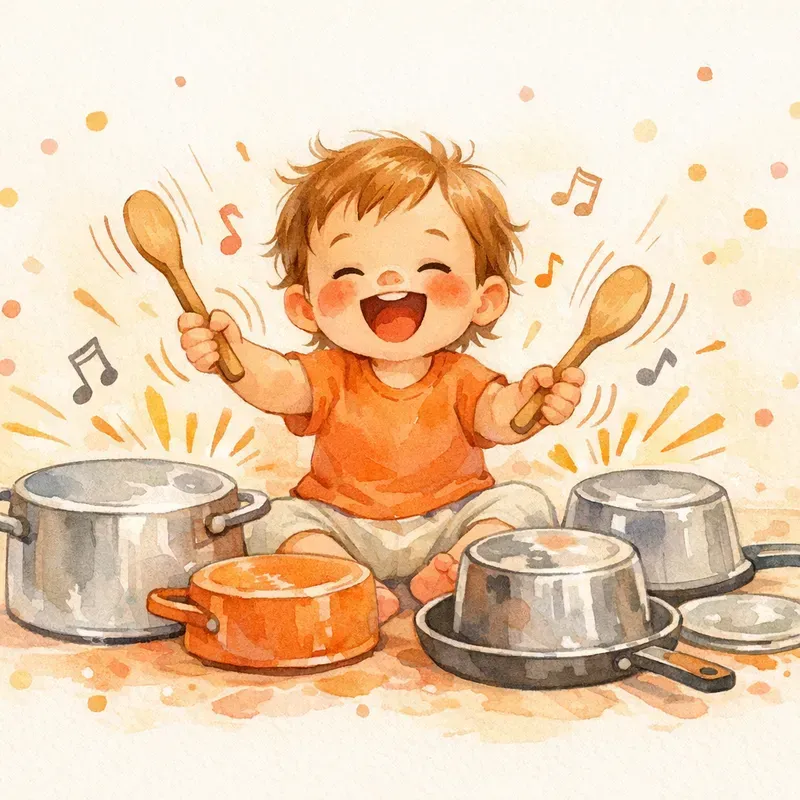
Kitchen Pot Band
1–4 years · 5–15 min · Indoor
Loud play releases energy and frustration in an acceptable way.
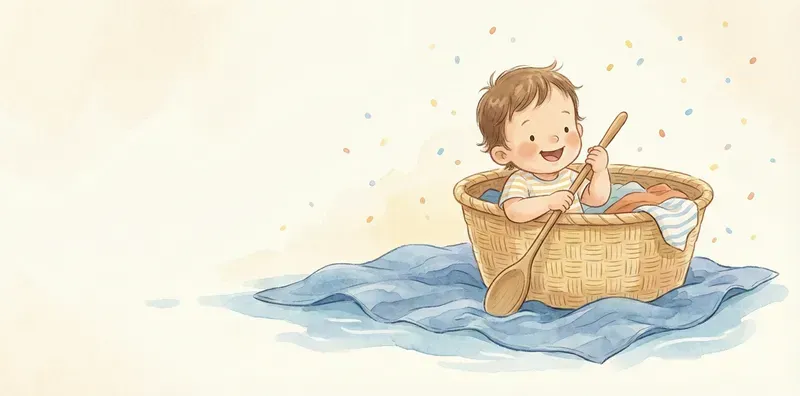
Laundry Basket Boat
1–3 years · 10–20 min · Indoor · Low energy
Imaginative play in enclosed spaces feels safe and sparks creativity.
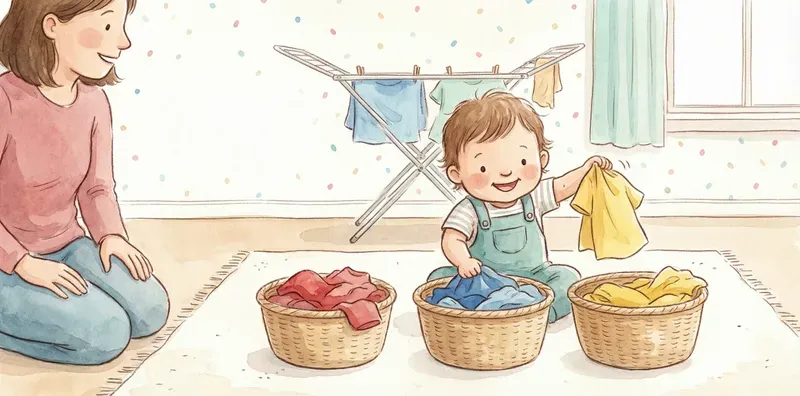
Laundry Sorting Helper
2–5 years · 10–20 min · Indoor · Low energy
Real contribution builds confidence and classification skills.
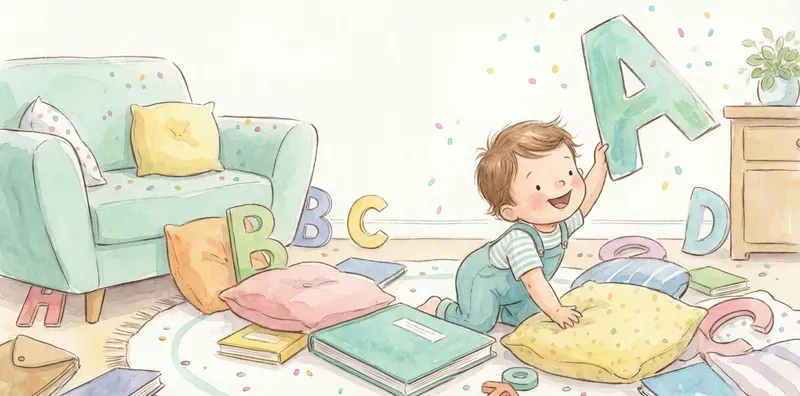
Letter Hunt Around the House
3–6 years · 10–20 min · Indoor · Low energy
Builds letter recognition and phonemic awareness playfully.
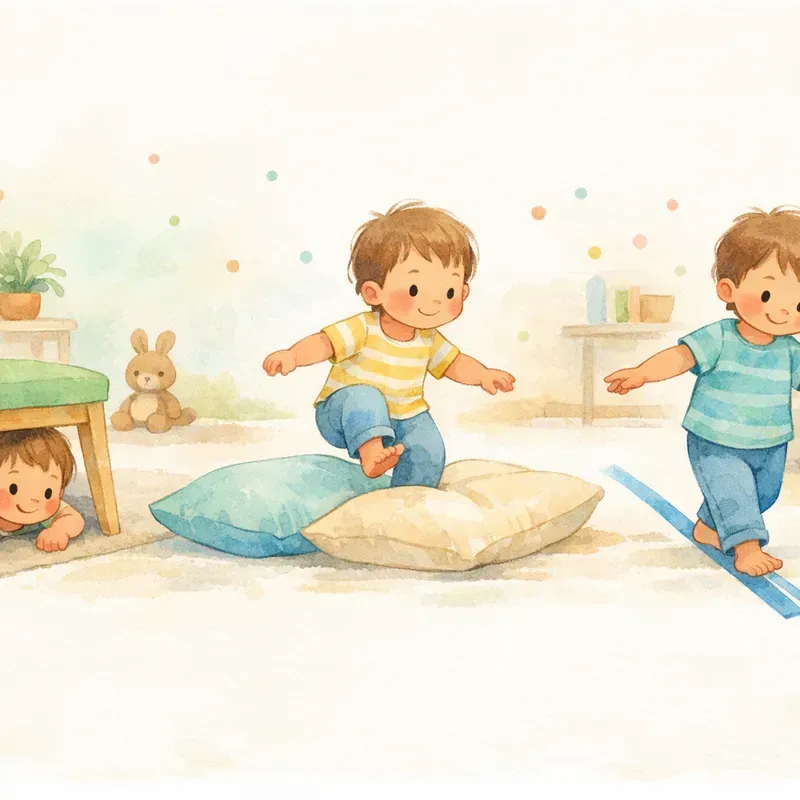
Living Room Obstacle Course
2–5 years · 15–30 min · Indoor
Following a sequence builds planning skills while burning lots of energy.
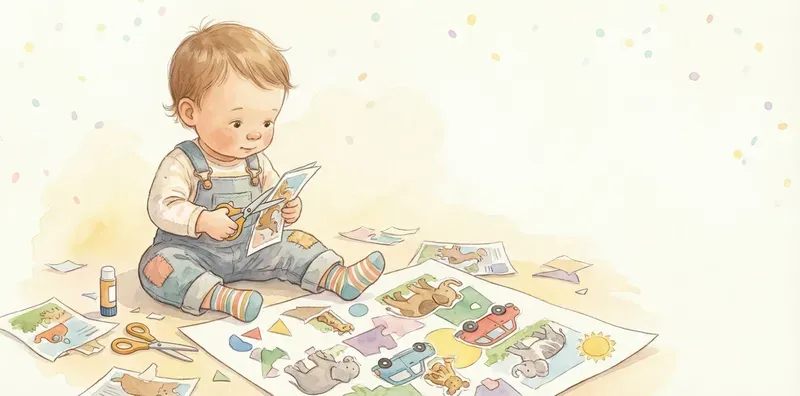
Magazine Picture Collage
3–6 years · 15–30 min · Indoor · Low energy
Visual literacy and design skills with creative expression.
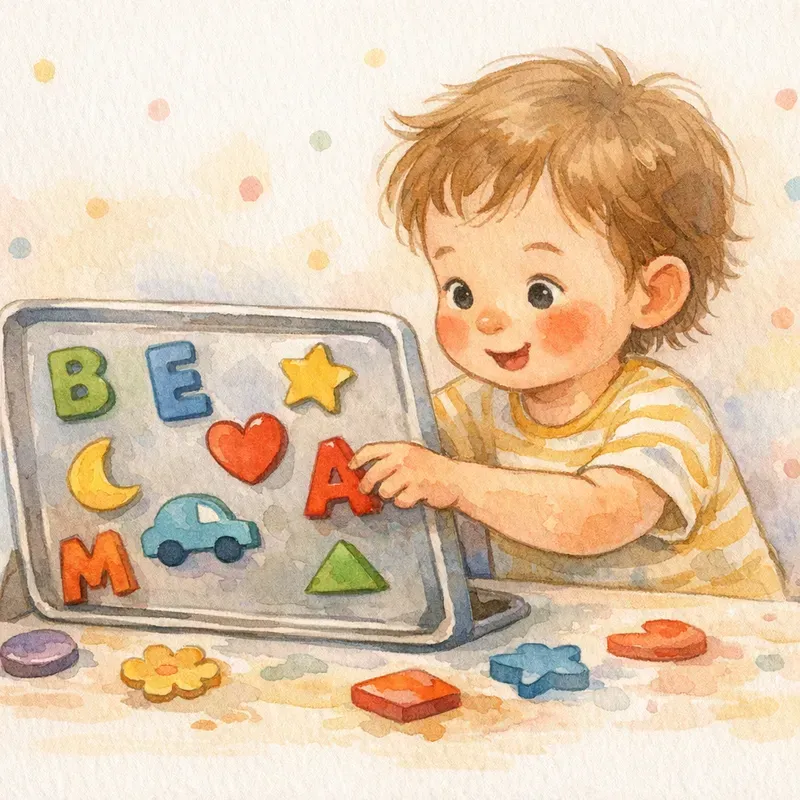
Magnet Exploration
2–5 years · 10–20 min · Indoor · Low energy
Scientific discovery builds curiosity and classification skills.
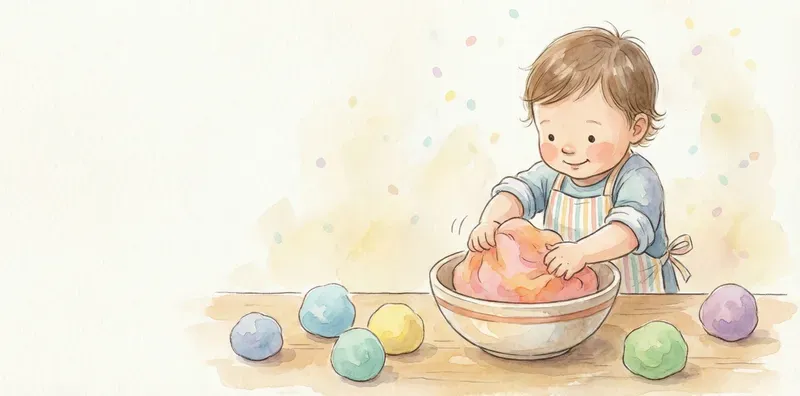
Make Homemade Playdough
2–6 years · 20–40 min · Indoor
Science experiment creates lasting toy while building measuring skills.
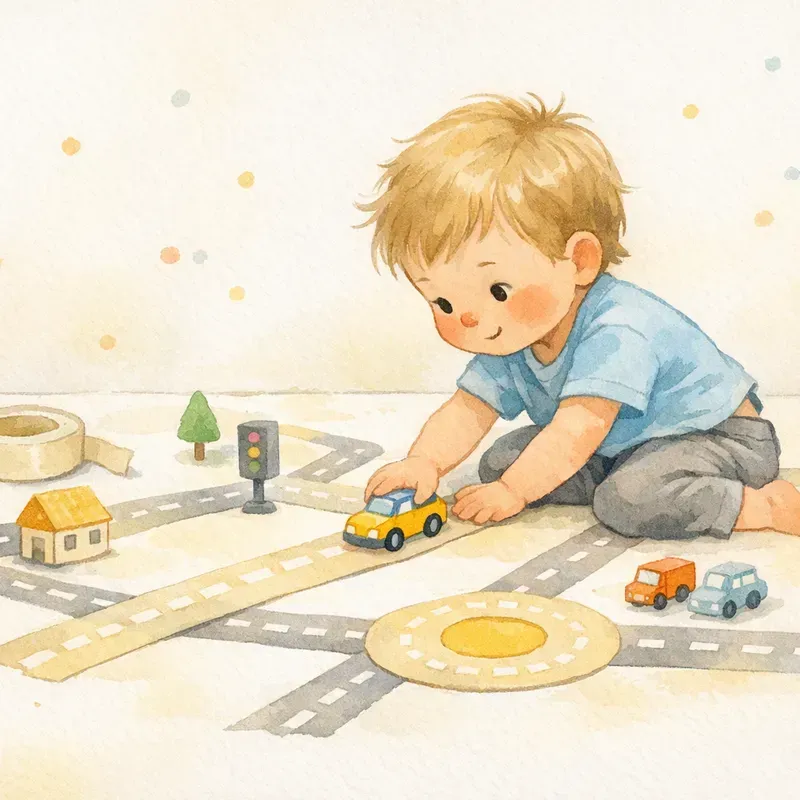
Masking Tape Road
2–5 years · 15–30 min · Indoor
Combines creativity with structured play, keeping attention focused longer.
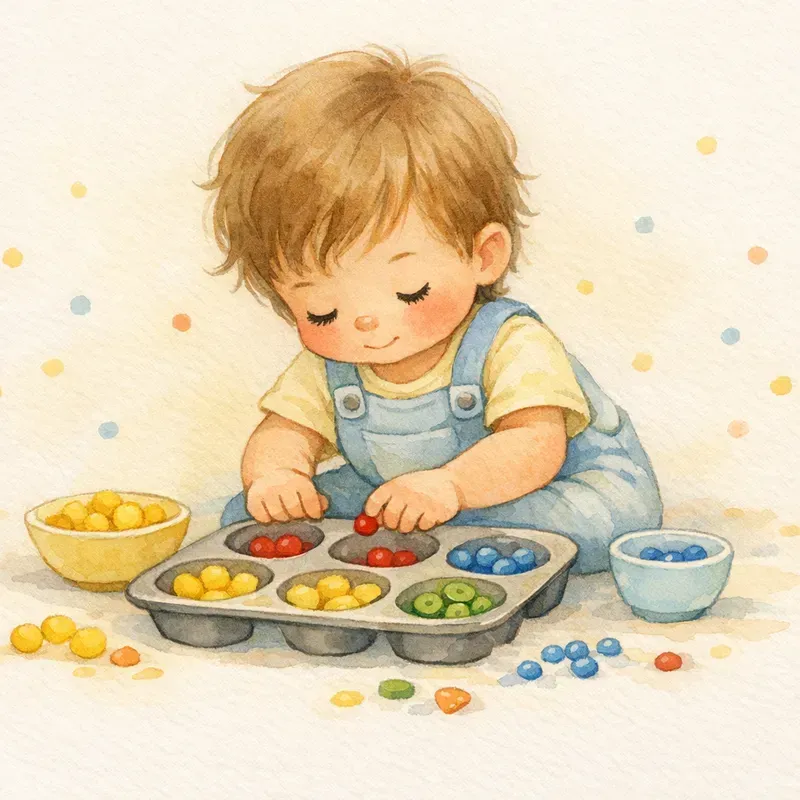
Muffin Tin Sorting
1–4 years · 10–20 min · Indoor · Low energy
Placing one item per cup teaches one-to-one correspondence, a foundational math concept that children need before they can count meaningfully. The pinch-and-drop motion builds the same finger strength and precision needed for writing. And because the muffin tin provides built-in structure (fill each cup!), toddlers stay focused longer than with open-ended sorting tasks.
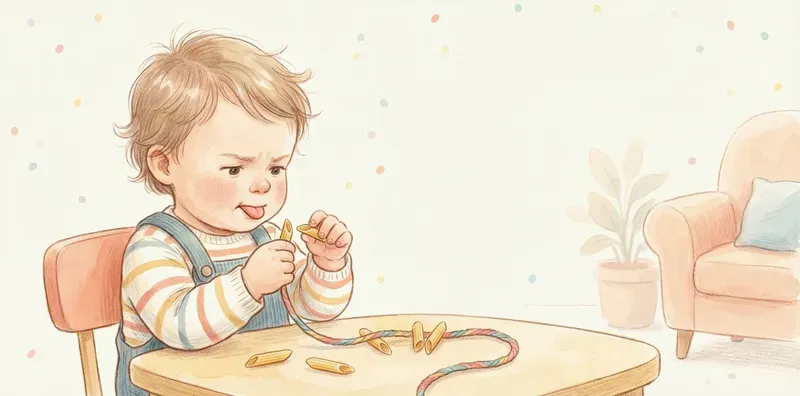
Noodle Threading
2–5 years · 10–20 min · Indoor · Low energy
Threading requires both hands working together in different roles (one holding, one pushing), which builds bilateral coordination. Lining up the string with the pasta hole demands precise hand-eye coordination and spatial awareness. It's also one of the most patience-building fine motor activities: each noodle requires careful, focused effort, teaching toddlers to persist through a multi-step task.
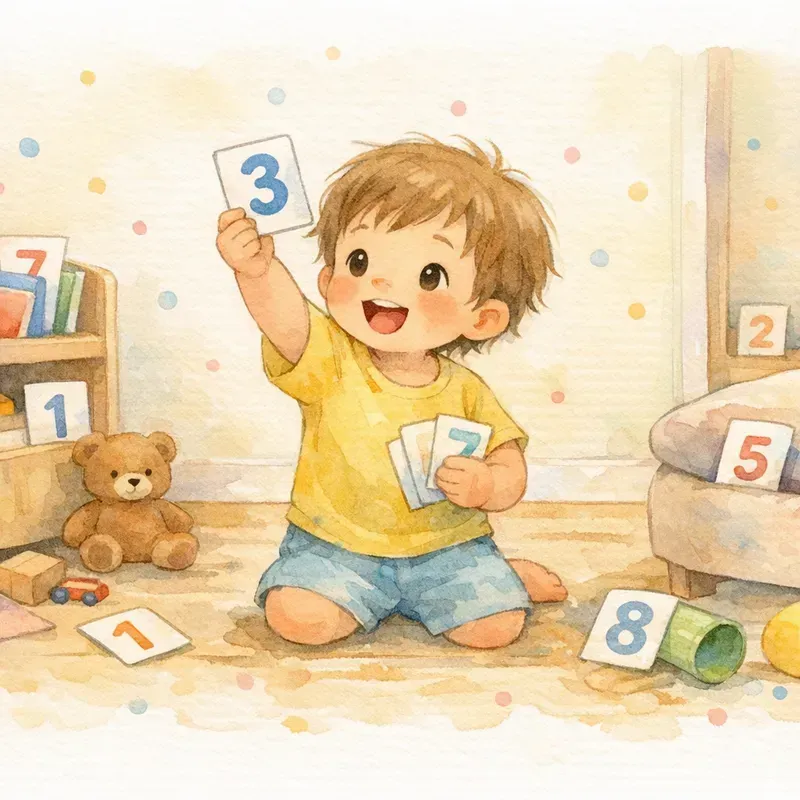
Number Hunt Around Home
3–6 years · 10–20 min · Indoor · Low energy
Number recognition in real-world context.
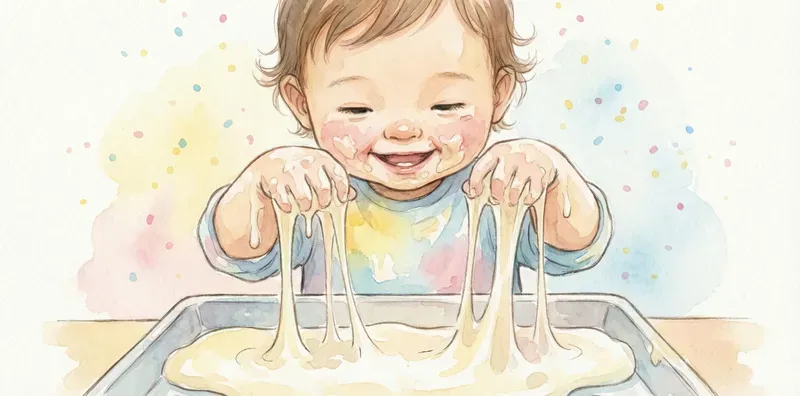
Oobleck Goo Exploration
2–6 years · 15–30 min · Indoor
Non-Newtonian fluid fascinates and teaches science concepts.
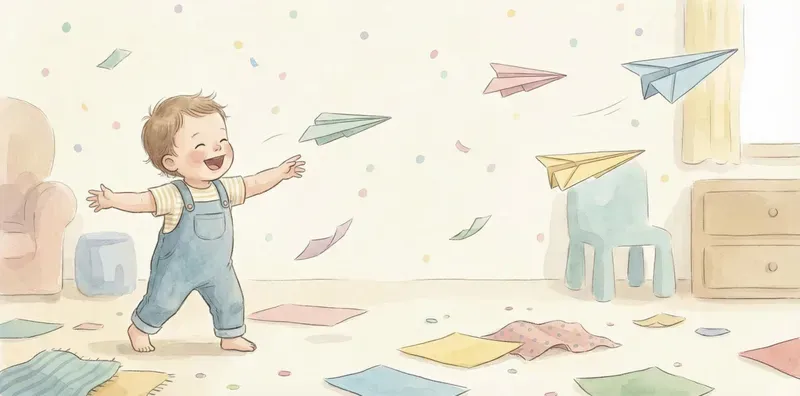
Paper Airplane Contest
3–6 years · 15–30 min · Indoor
Folding a crisp airplane is real fine motor work: lining up edges and pressing sharp creases takes focus and steady fingers. The throwing then turns it into a hands-on physics experiment, your child sees how weight, wing shape, and force change the flight, which is early cause-and-effect and problem solving. Because they can tweak and re-test endlessly, one sheet of paper holds their attention far longer than you would expect.
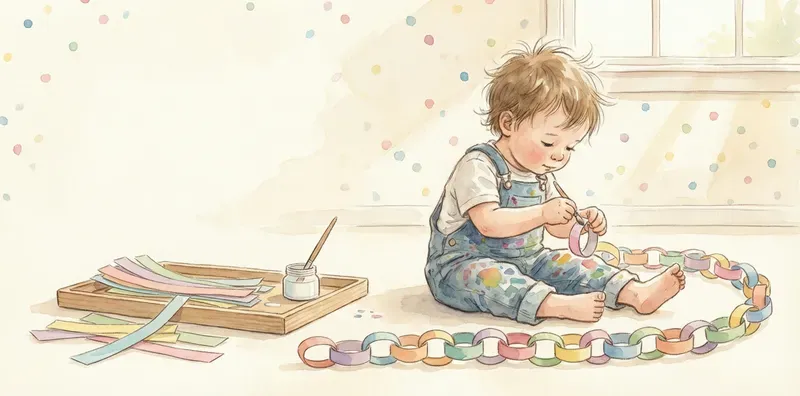
Paper Chain Making
3–6 years · 10–25 min · Indoor · Low energy
Repetitive craft teaches patterns while creating decoration.
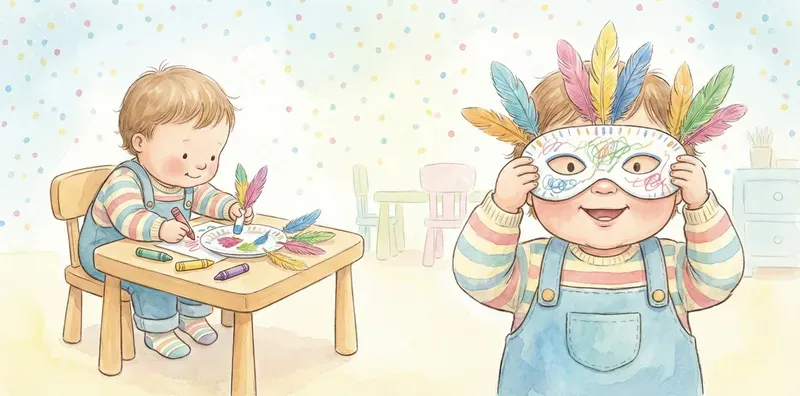
Paper Plate Masks
2–6 years · 15–30 min · Indoor
Creative expression combined with dramatic play opportunities.
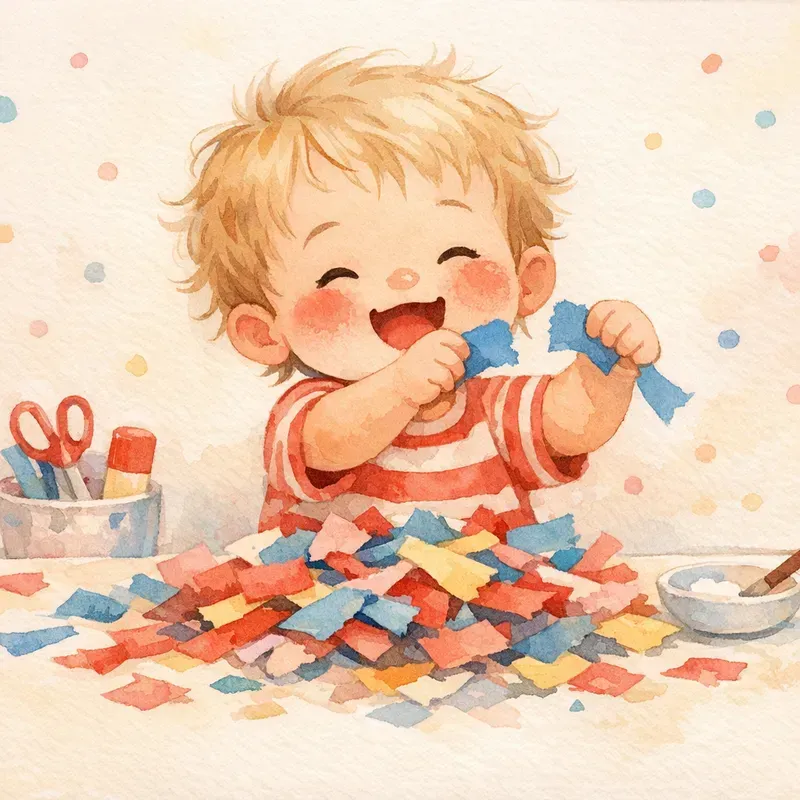
Paper Ripping Fun
1–3 years · 5–15 min · Indoor · Low energy
Ripping is satisfying hand exercise and acceptable destruction.
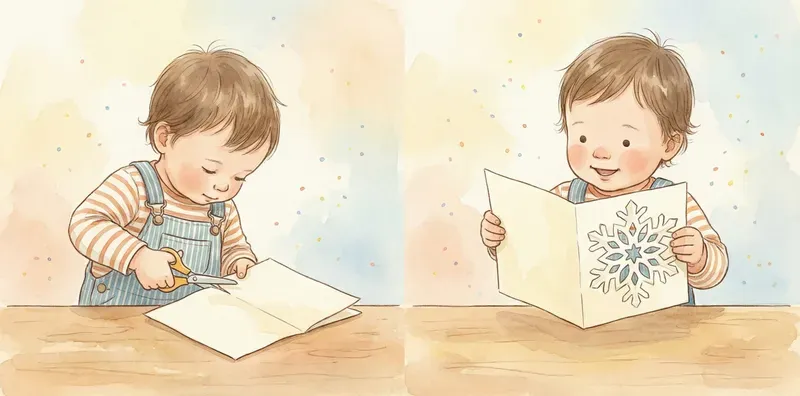
Paper Snowflake Cutting
4–6 years · 15–30 min · Indoor · Low energy
Satisfying reveal teaches symmetry and cutting skills.
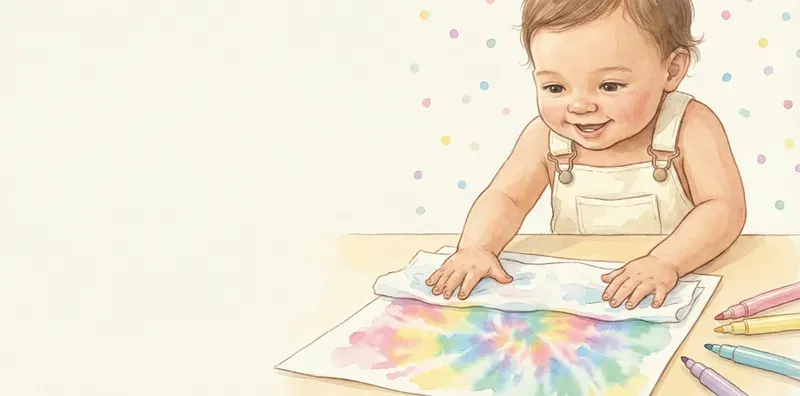
Paper Towel Painting
1–4 years · 10–20 min · Indoor
Drawing on a paper towel then misting it with water shows kids how color bleeds and spreads. The slow blur from sharp lines into soft tie-dye keeps them watching to see what their picture turns into.
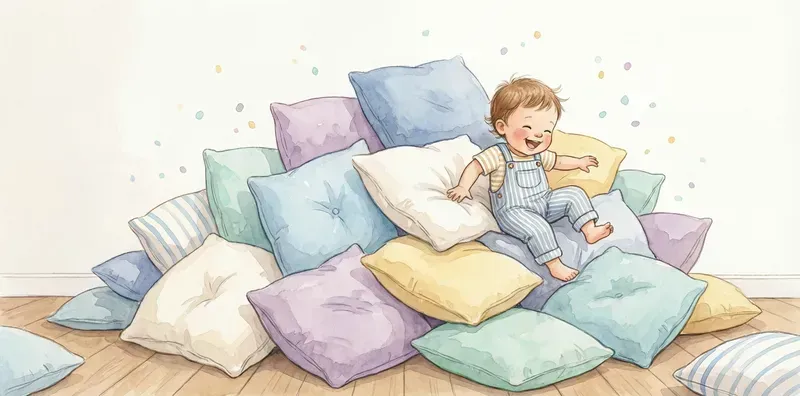
Pillow Mountain Climb
1–3 years · 10–20 min · Indoor · Low energy
Physical challenge builds confidence and burns energy safely indoors.
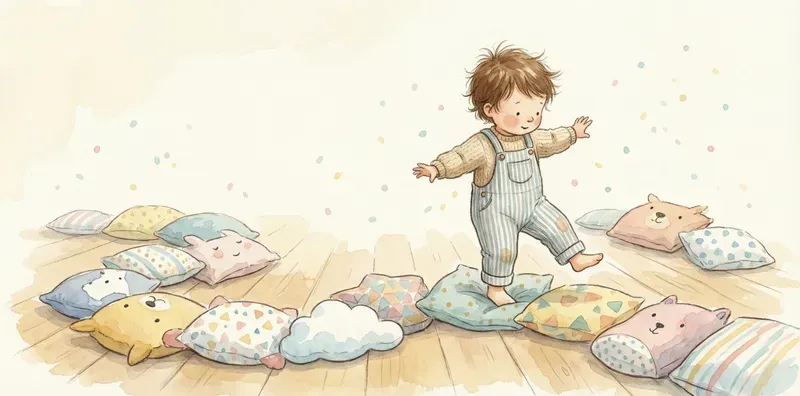
Pillow Stepping Path
1–4 years · 10–20 min · Indoor · Low energy
Balance challenge with low stakes makes failure fun.
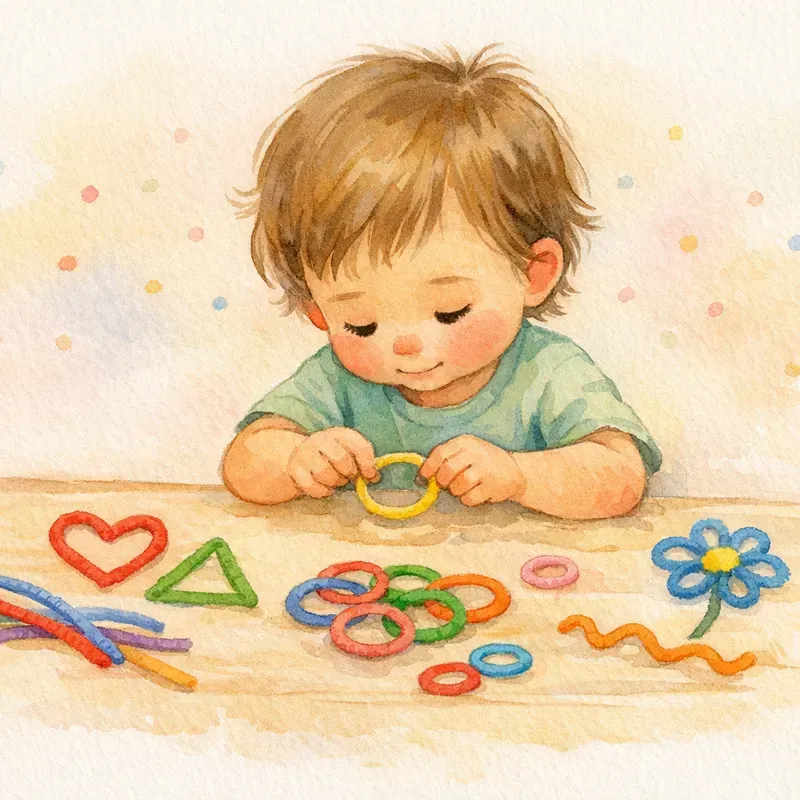
Pipe Cleaner Creations
2–6 years · 10–25 min · Indoor · Low energy
Pipe cleaners bend and hold their shape, so they give instant results that keep a child experimenting. Twisting, coiling, and threading them is concentrated fine motor and hand-strength work, the same control needed for buttons, zips, and pencils. Because there is no right answer, they also stretch creativity and early 3D thinking as your child works out how to turn a straight wire into the thing in their head.
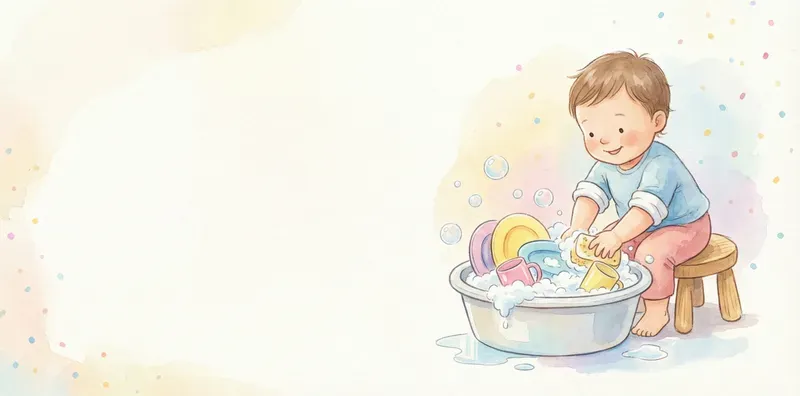
Play Dish Washing
2–4 years · 10–25 min · Indoor · Low energy
Practical life skills make kids feel capable and included.
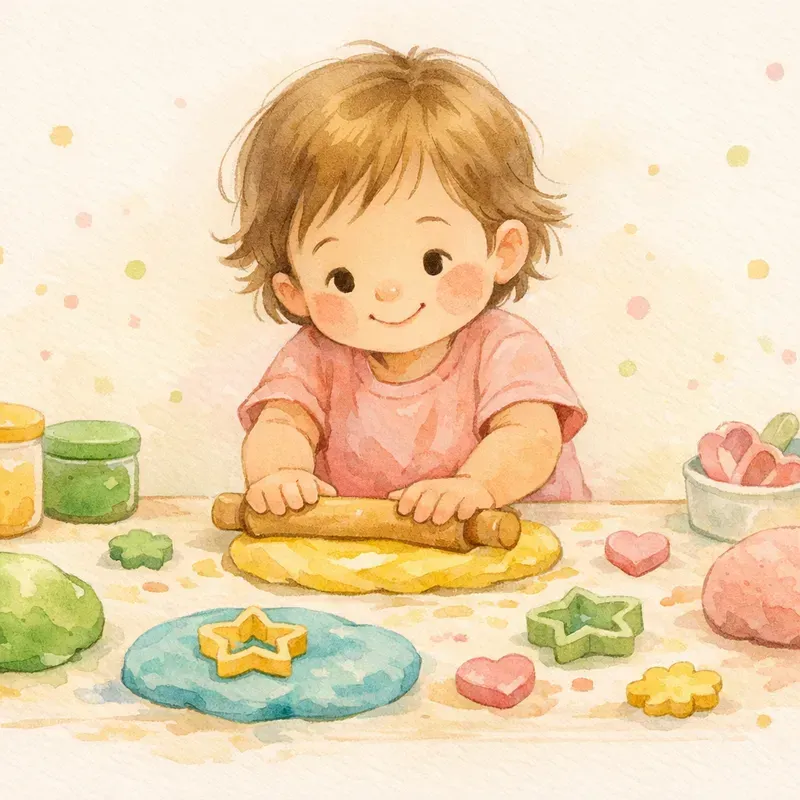
Play Dough Squish
1–5 years · 15–30 min · Indoor · Low energy
Squeezing, pinching, and rolling play dough works every small muscle in the hand. It's the same resistance training that occupational therapists prescribe for building writing-ready hand strength, but to a toddler, it's just fun. The sensory input from the soft, squishy texture is naturally calming, making this a go-to for winding down before nap or when emotions are running hot.

Playing Doctor
2–6 years · 15–30 min · Indoor · Low energy
Reduces fear of medical visits while building empathy and nurturing.
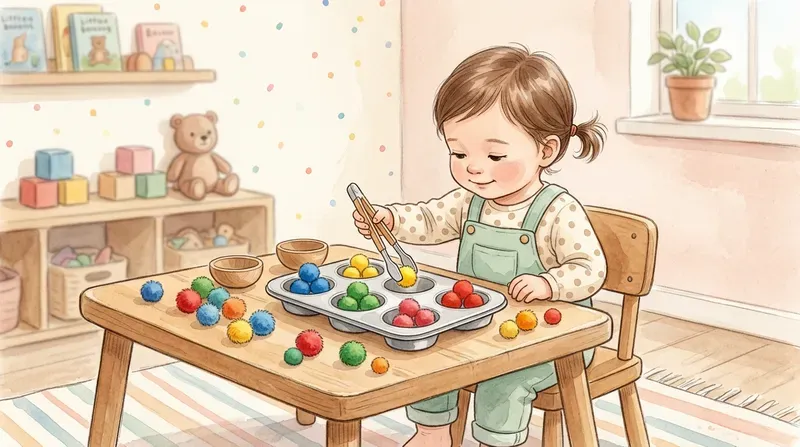
Pom Pom Sorting & Transfer
1–4 years · 10–20 min · Indoor · Low energy
Pom poms are squishy, colorful, and satisfying to grab, they don't roll away as easily as marbles and feel rewarding to pick up. Sorting by color builds early categorization skills, while the pinch-and-release motion with tongs or tweezers strengthens the same small hand muscles needed for writing and buttoning.
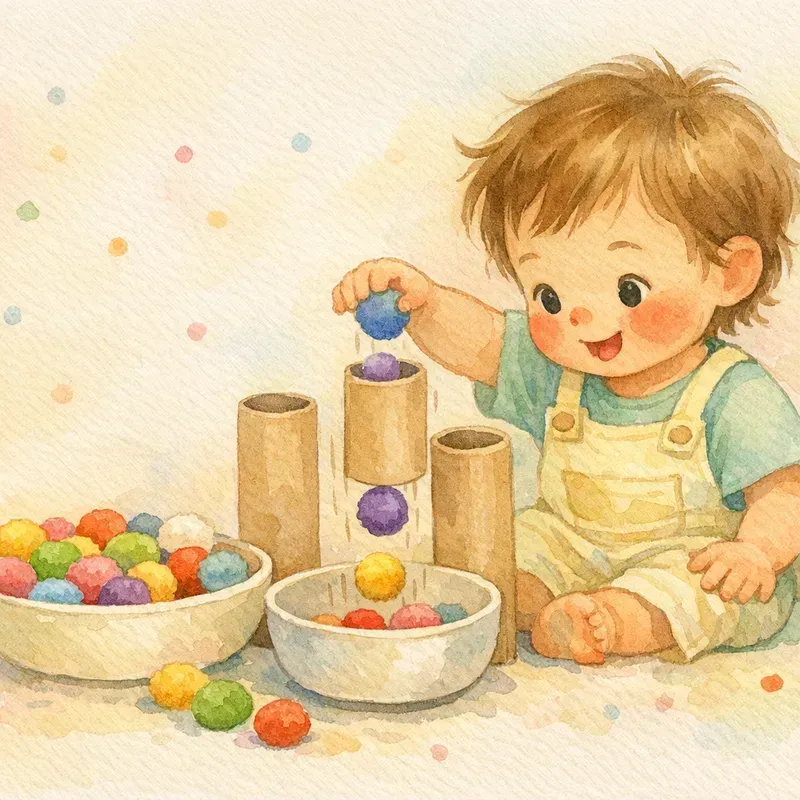
Pom Pom Tube Drop
1–3 years · 10–20 min · Indoor · Low energy
Cause and effect learning with visual tracking practice.
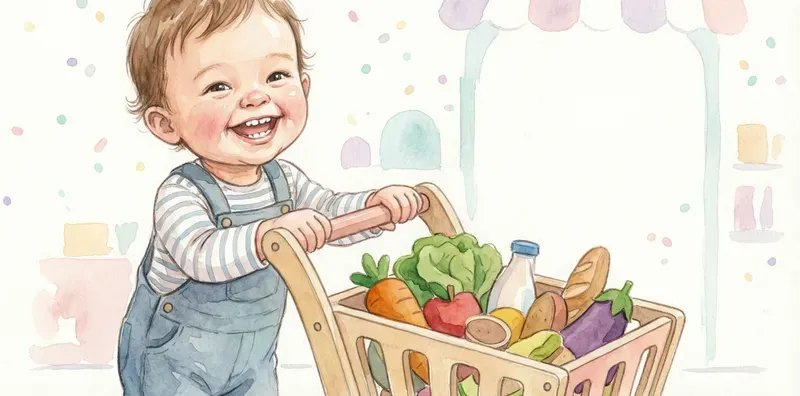
Pretend Grocery Store
2–6 years · 15–30 min · Indoor · Low energy
Role play builds language, math, and social skills naturally.
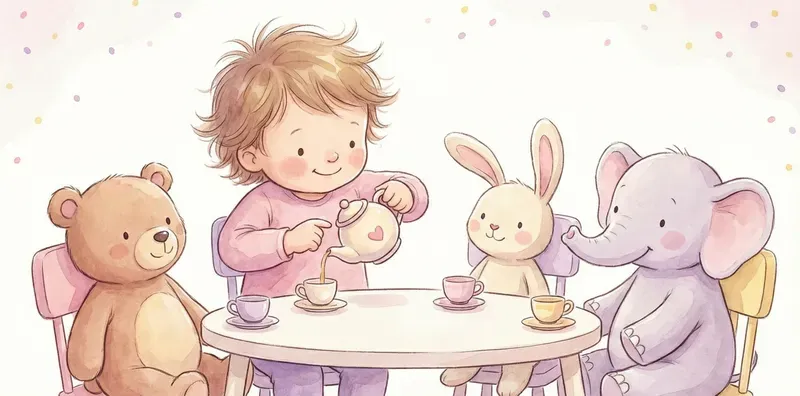
Pretend Tea Party
2–5 years · 15–30 min · Indoor · Low energy
Dramatic play develops language, social skills, and emotional understanding.
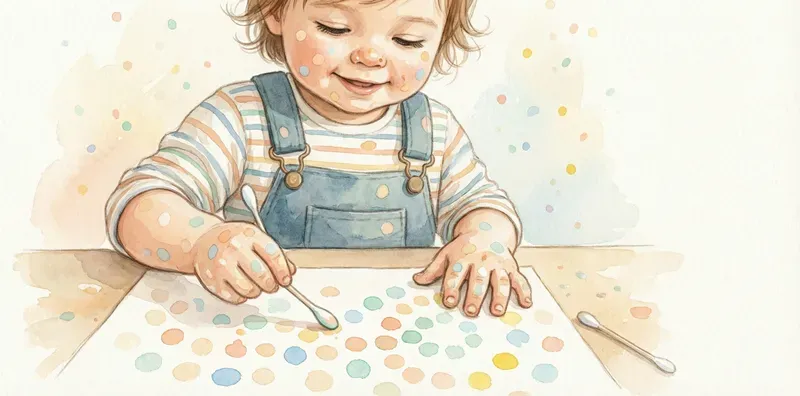
Q-Tip Dot Painting
1–5 years · 10–25 min · Indoor · Low energy
Easy grip tool allows precise art for small hands.
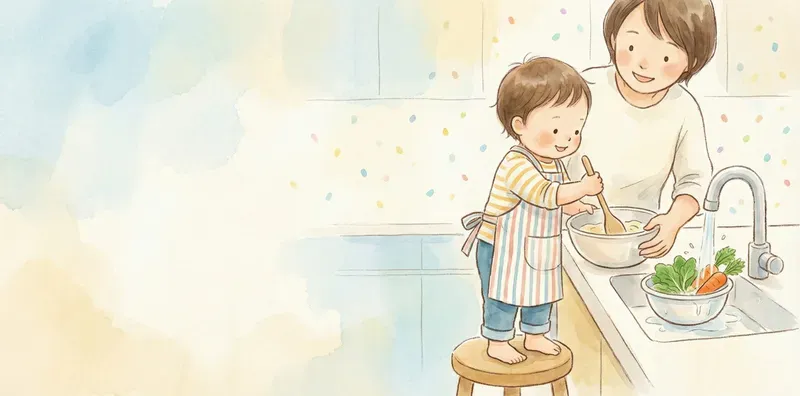
Real Kitchen Helping Tasks
2–5 years · 10–30 min · Indoor
Real contribution builds confidence and practical skills.
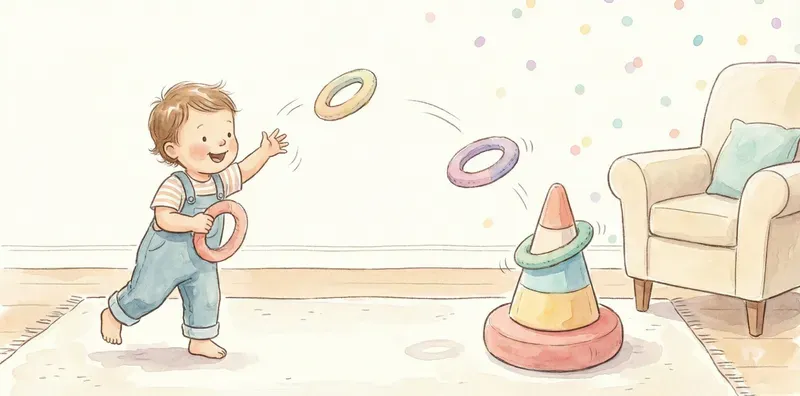
Ring Toss Game
2–6 years · 10–20 min · Indoor · Low energy
Ring toss develops hand-eye coordination, spatial awareness, and the controlled release motion that children need for throwing, catching, and eventually writing with controlled pressure. The instant visual feedback (ring on vs. ring off) gives toddlers clear success signals that motivate practice. It's also one of the few fine motor games that gets them moving and standing, making it great for active kids who won't sit for table activities.
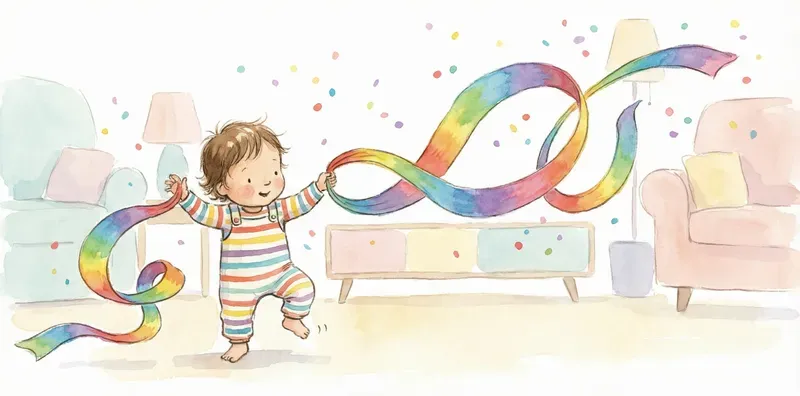
Scarf Dancing
1–4 years · 5–15 min · Indoor
Flowing fabric adds visual interest to movement while teaching rhythm.
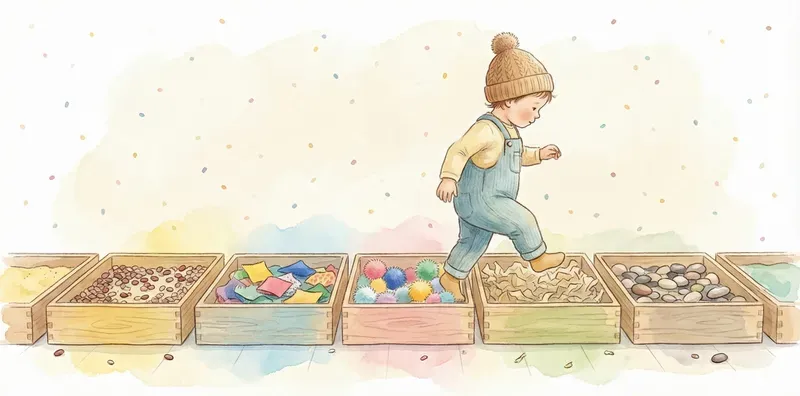
Sensory Box Walk
1–4 years · 15–25 min · Indoor
Multi-sensory experience builds vocabulary and body awareness.
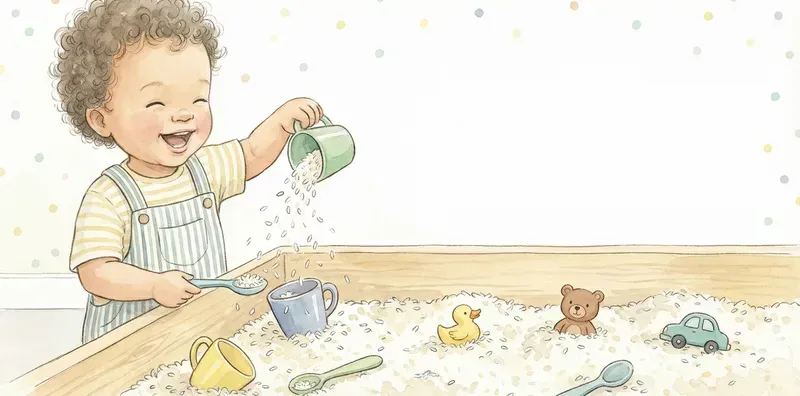
Sensory Rice Bin
1–4 years · 15–30 min · Indoor · Low energy
Running fingers through rice provides deep sensory input that calms the nervous system, while scooping and pouring build the hand strength and wrist control needed for self-feeding and writing. The repetitive fill-dump-fill cycle is meditative for toddlers. It's one of those activities where they'll zone in happily while you sit nearby.
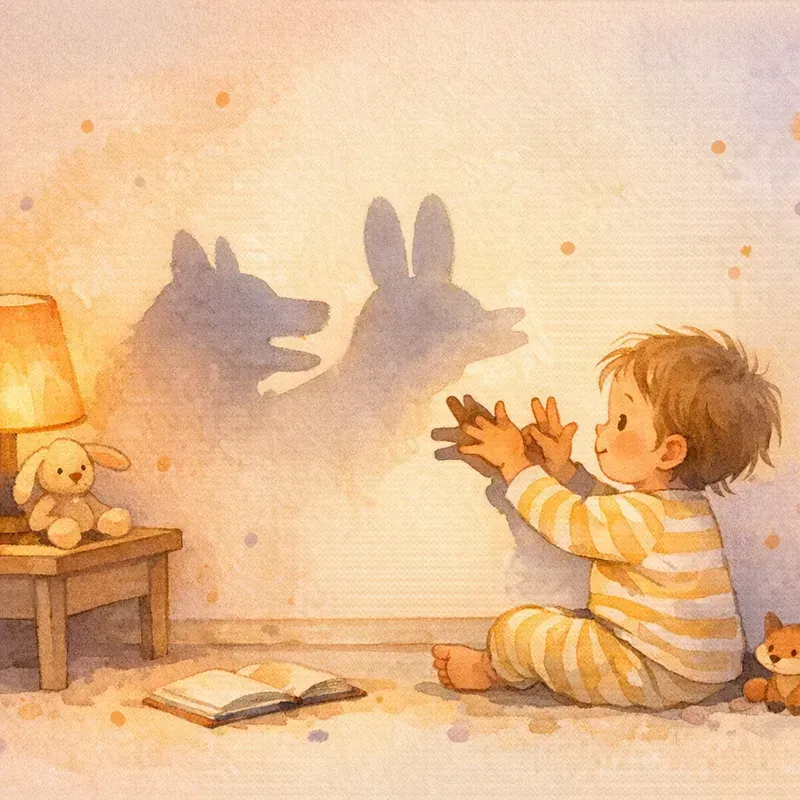
Shadow Hand Puppets
2–6 years · 5–15 min · Indoor · Low energy
A dim room and one light turn simple hand shapes into a quiet, focused game. The low light and slow pace make it a good way to settle down before nap or bed.
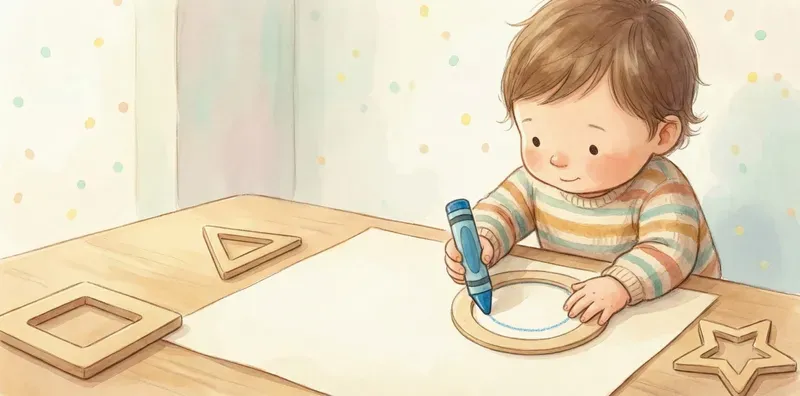
Shape Tracing Hunt
2–5 years · 10–20 min · Indoor · Low energy
Hands-on shape learning with art creation.
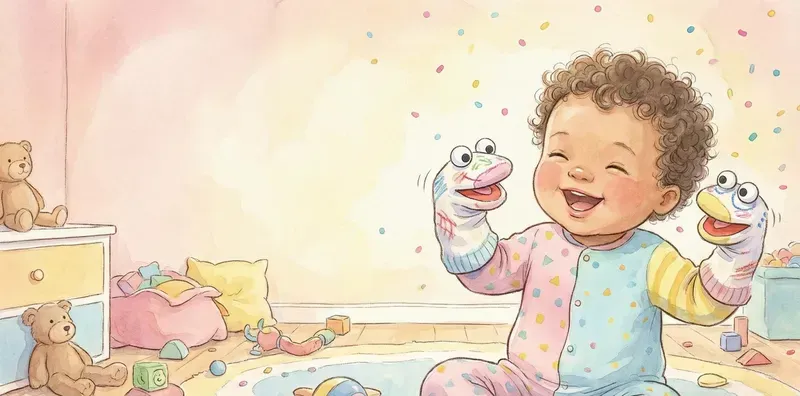
Silly Sock Puppets
2–6 years · 10–25 min · Indoor · Low energy
Puppets encourage language development and emotional expression through play.

Sink or Float Experiment
2–5 years · 10–20 min · Indoor · Low energy
Guessing before testing is how science actually works: make a prediction, try it, and see what happens. Kids learn that a wrong guess is part of the fun, not a failure.
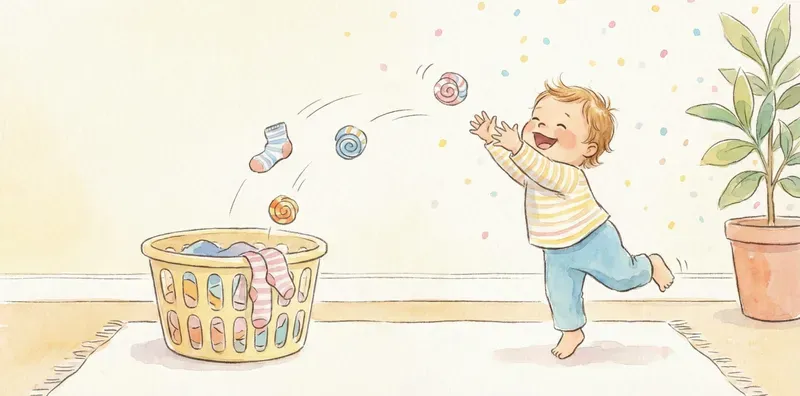
Sock Ball Basketball
2–6 years · 10–20 min · Indoor · Low energy
A soft sock ball lets kids throw, aim, and miss indoors without breaking anything, so they get real practice at throwing and hand-eye coordination in a small space.
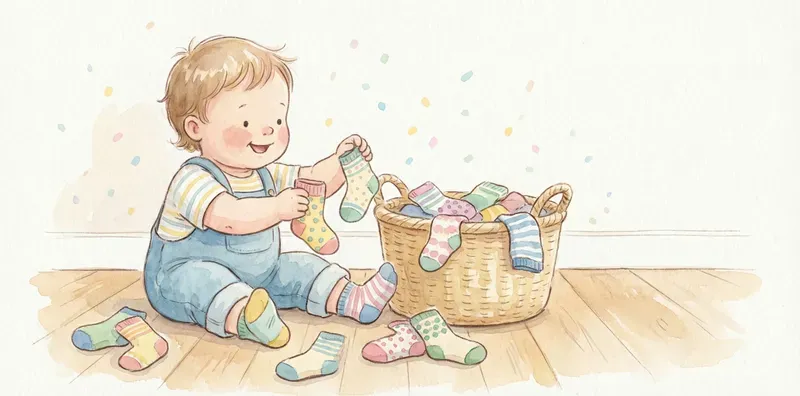
Sock Matching Game
2–4 years · 5–15 min · Indoor · Low energy
Finding pairs is real sorting practice (same color, same size, same pair) folded into a job kids can actually help with, which builds early matching skills and makes them feel useful.
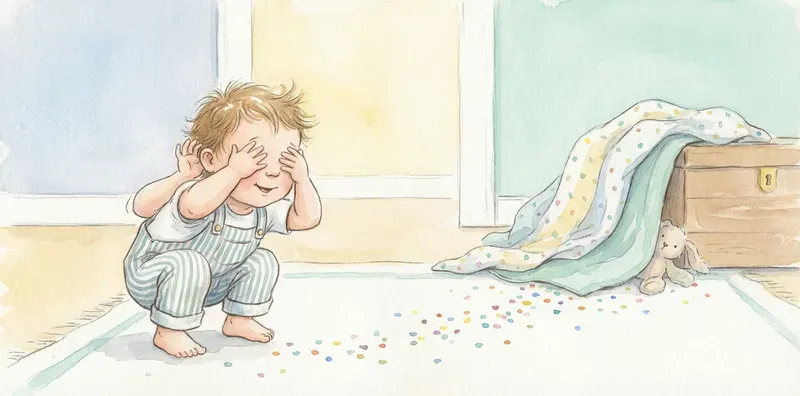
Sound Hide and Seek
2–5 years · 10–20 min · Indoor
Listening for a hidden sound develops auditory processing, the ability to isolate and locate sounds in space. This is the same skill that helps kids follow spoken instructions in noisy environments and distinguish similar speech sounds while learning to read. The treasure-hunt format keeps them moving and engaged while they practice spatial reasoning and problem-solving.
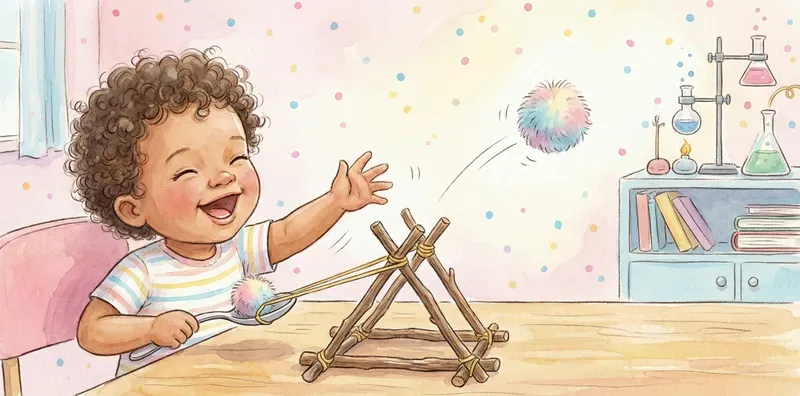
Spoon Catapult Launch
3–6 years · 10–20 min · Indoor
Teaches physics concepts through hands-on experimentation.
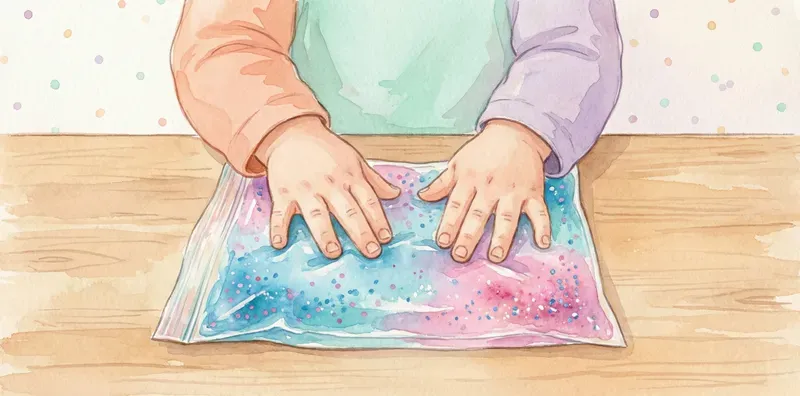
Squishy Sensory Bag
0–3 years · 5–20 min · Indoor · Low energy
Mess-free sensory exploration safe for all ages.
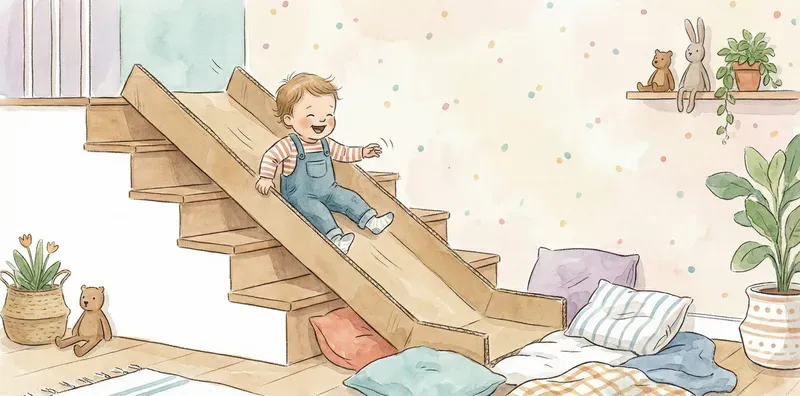
Stair Cardboard Slide
2–5 years · 10–25 min · Indoor
Sliding gives kids the big whoosh of fast movement they crave, but the carpet and cushions keep the stakes low. The climb back up and the balancing on the way down build gross motor strength, coordination, and body awareness, and the gentle speed and bumps feed the vestibular system, the sense that helps a child feel steady and grounded. It is a safer, indoor way to satisfy the urge to climb and launch off things.
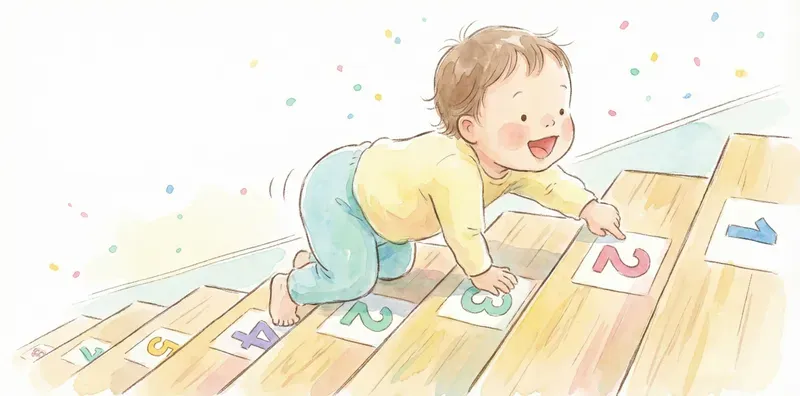
Stair Counting Game
1–4 years · 5–15 min · Indoor
Physical movement reinforces number learning naturally.
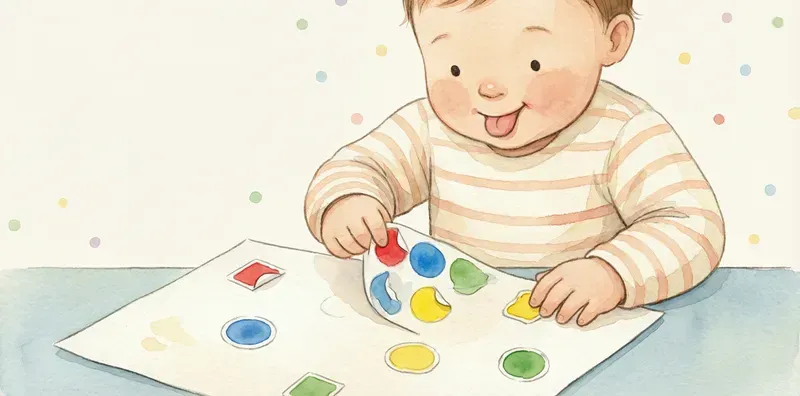
Sticker Free Play
1–4 years · 5–15 min · Indoor · Low energy
The peel-and-place motion is precision fine motor practice disguised as fun. Peeling a sticker requires pinching with the thumb and index finger (pincer grasp), controlling the pull strength, then placing it with intention. It's the same muscle coordination needed for buttoning shirts and holding pencils, and toddlers will do it for 15 minutes straight because stickers are inherently satisfying.
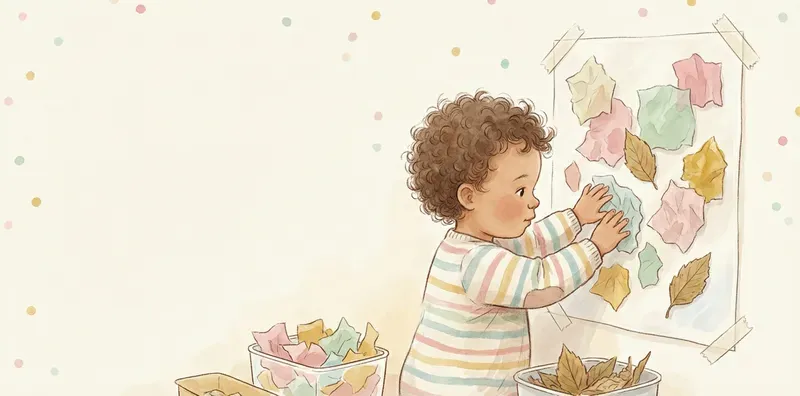
Sticky Contact Paper Collage
1–5 years · 10–25 min · Indoor · Low energy
Mess-free art builds confidence and fine motor skills without cleanup stress.
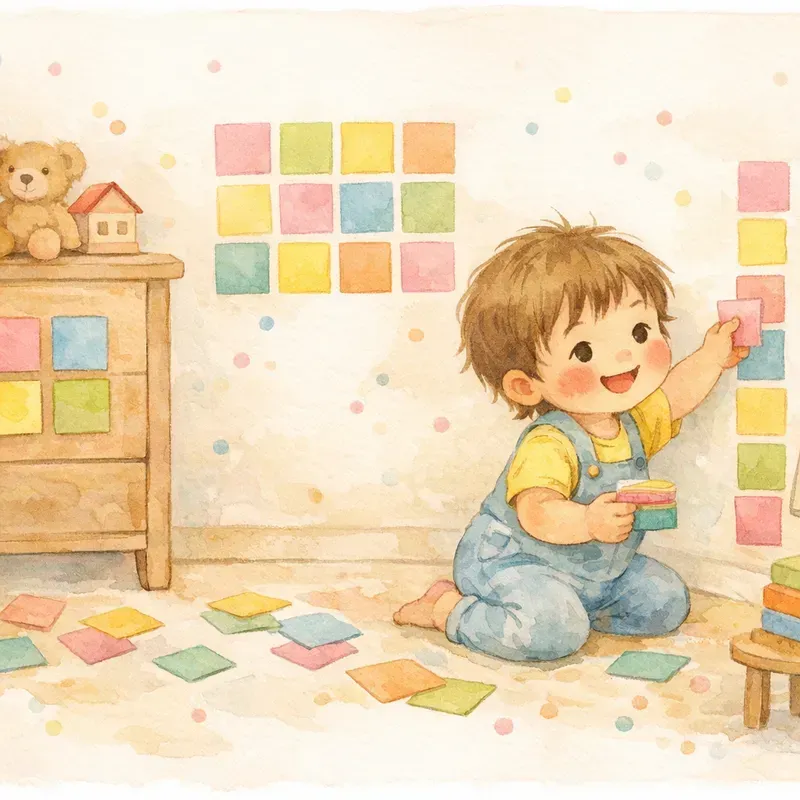
Sticky Note Fun
1–5 years · 10–25 min · Indoor · Low energy
Endless sticking and resticking with no mess.
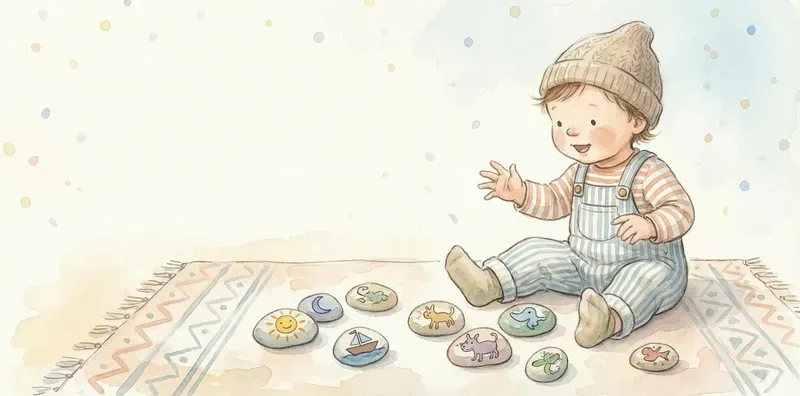
Story Stones Telling
3–6 years · 10–25 min · Indoor · Low energy
Creative storytelling with visual prompts builds language.
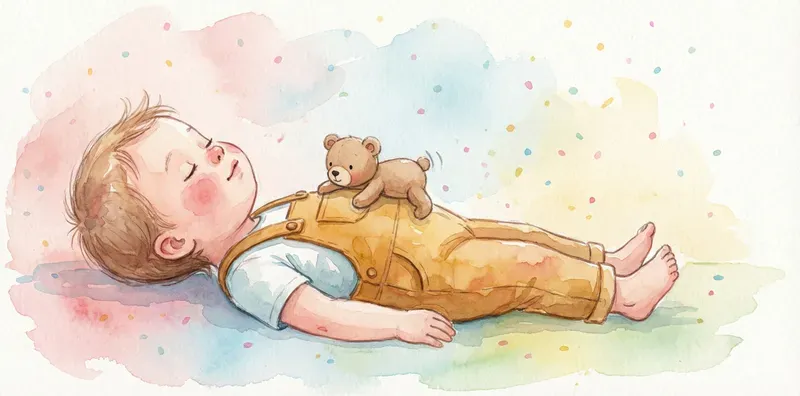
Stuffed Animal Belly Breathing
2–6 years · 5–10 min · Indoor · Low energy
Visual cue makes deep breathing concrete for young children.
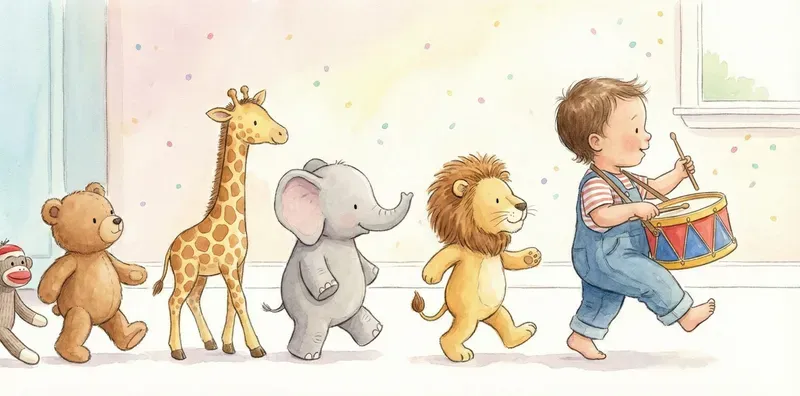
Stuffed Animal Parade
1–4 years · 10–20 min · Indoor · Low energy
Imaginative play with movement and music engagement.
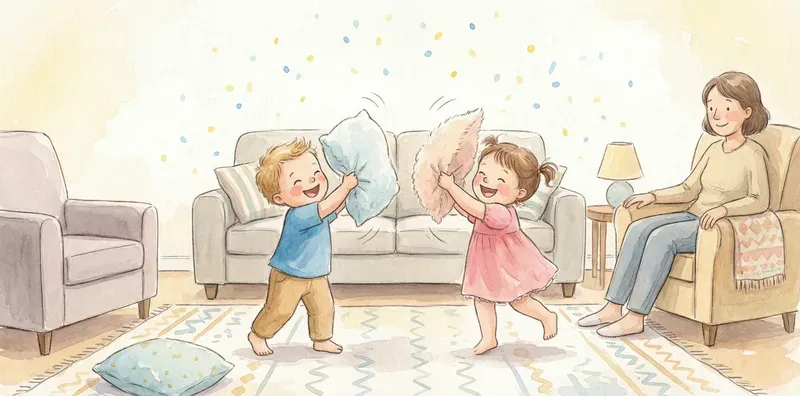
Supervised Pillow Fight
3–6 years · 5–15 min · Indoor
Physical play and laughter release tension and build bonds.
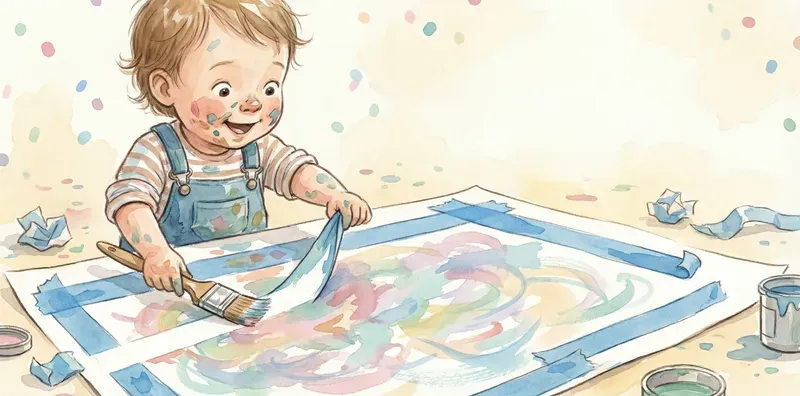
Tape Resist Painting
2–6 years · 15–30 min · Indoor
Peeling the tape to reveal crisp white lines under the paint gives a satisfying reveal, and it works even for kids who aren't sure what to paint yet.
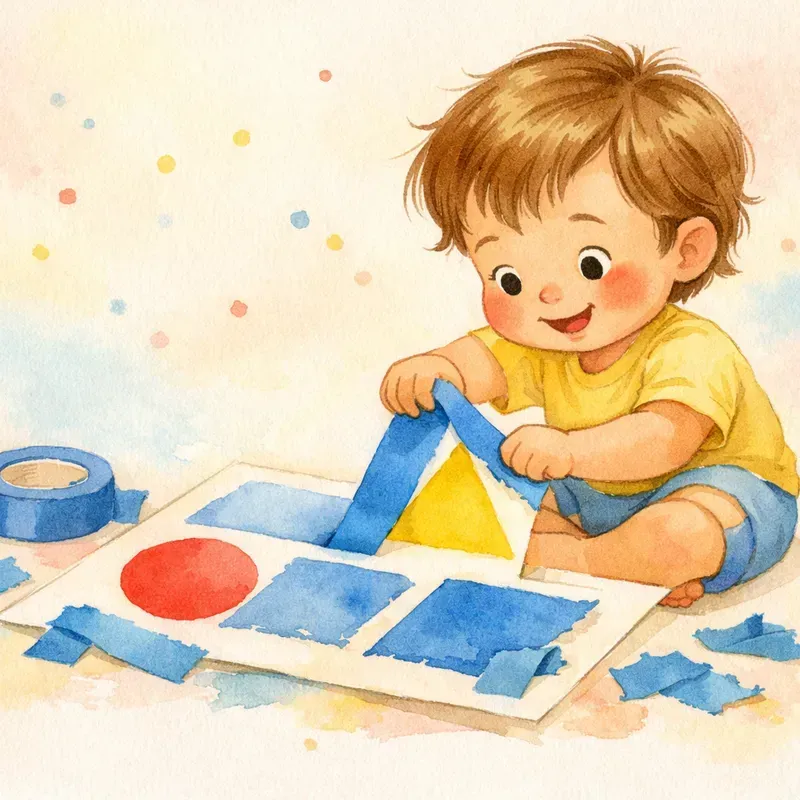
Tape Shape Peeling
2–4 years · 5–15 min · Indoor · Low energy
Peeling tape requires a precise pinch grip (thumb and index finger working together) followed by a controlled pulling motion: exactly the hand coordination needed for buttoning, zipping, and eventually writing. It's also deeply satisfying for toddlers: the visual feedback of tape lifting off a surface provides instant gratification that keeps them repeating the motion. Zero mess, zero setup, huge fine motor payoff.
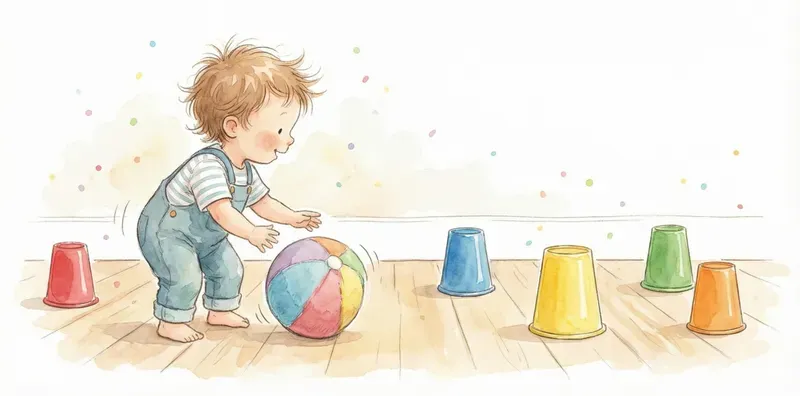
Target Ball Roll
1–4 years · 10–20 min · Indoor · Low energy
Rolling a ball toward a target builds hand-eye coordination, arm strength, and the concept of aim and distance, all while practicing turn-taking and patience. The sitting position makes this perfect for tired parents who can play from the couch or floor without getting up. Counting hits sneaks in early number skills.
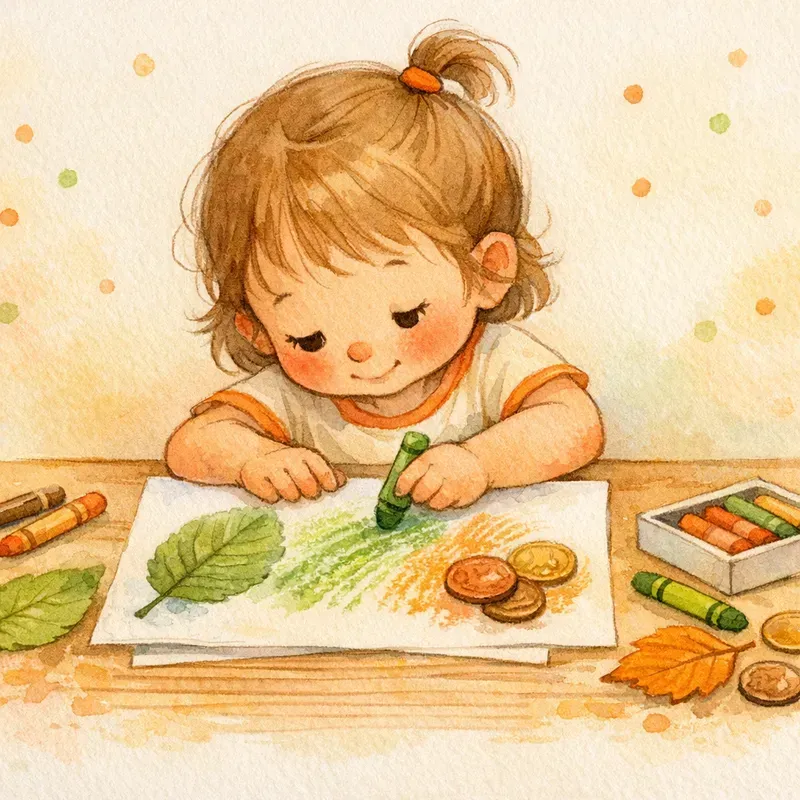
Texture Crayon Rubbings
2–6 years · 10–20 min · Indoor · Low energy
Reveals hidden patterns, combining art with scientific discovery.
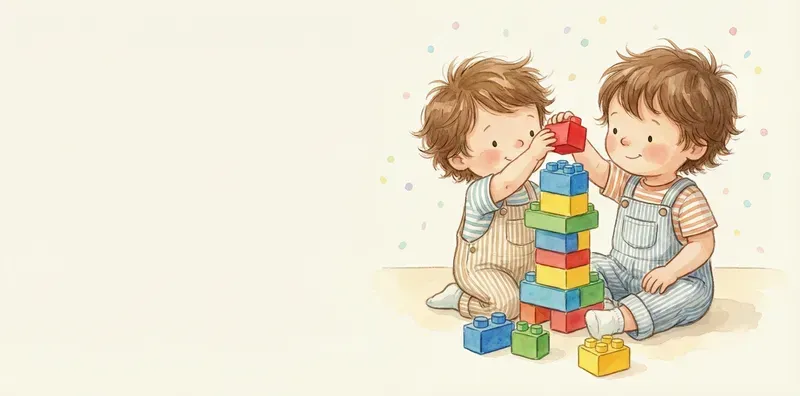
Tower Building Contest
1–4 years · 10–20 min · Indoor · Low energy
Stacking and toppling is cause-and-effect learning your child controls: they make it happen, watch the result, and do it again. Balancing each block builds the fine motor precision and hand-eye coordination that later show up in drawing and self-feeding, and counting the blocks slips in early number sense. Best of all it works when you are running on empty, because you can play it sitting down.
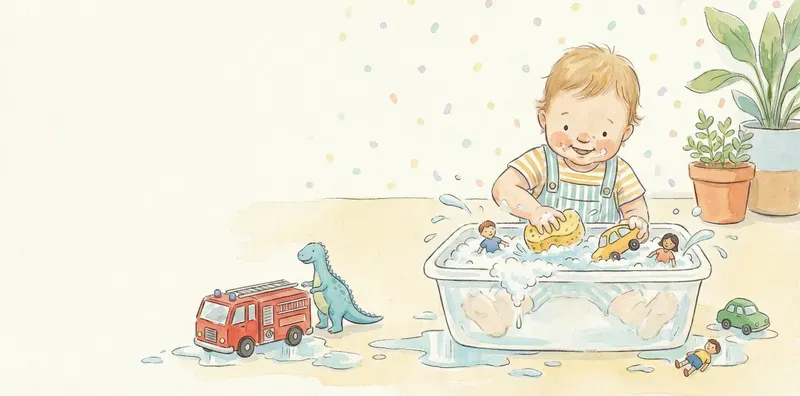
Toy Washing Station
2–5 years · 15–30 min · Indoor · Low energy
Water play combines with purposeful activity for engaged calm.
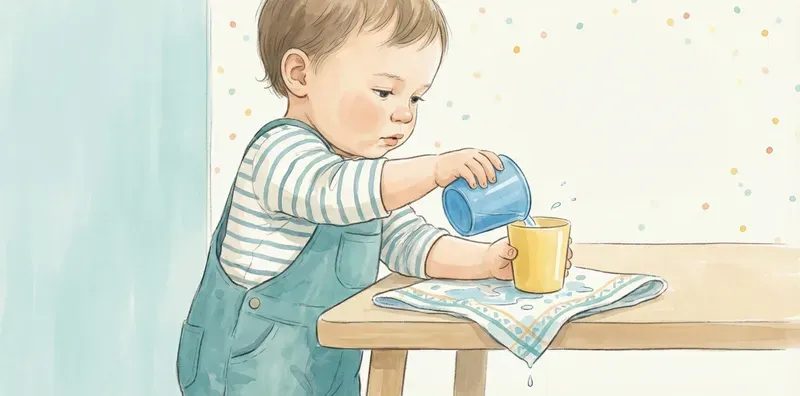
Water Transfer Game
2–5 years · 10–25 min · Indoor · Low energy
Water play is inherently calming: the sound and feel of water reduces stress in toddlers. Squeezing a sponge builds the exact hand muscles needed for pencil grip later. The baster requires a pinch-and-release motion that strengthens the thumb and index finger. And the focused, repetitive nature of transferring keeps toddlers engaged for surprisingly long stretches.
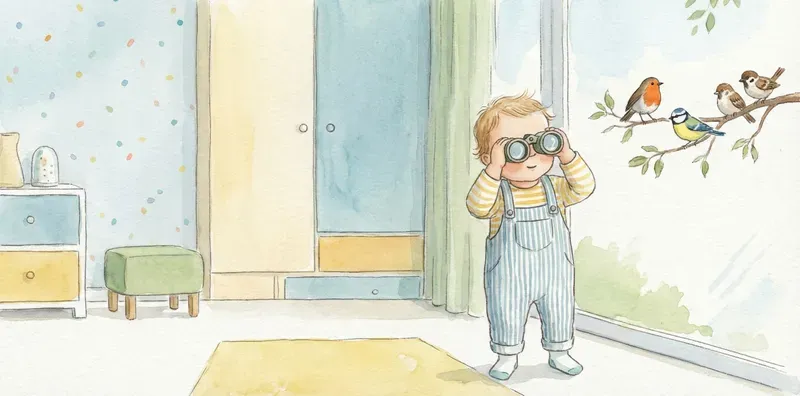
Window Bird Watching
1–6 years · 5–20 min · Indoor · Low energy
Calm observation builds focus and connects children to nature.
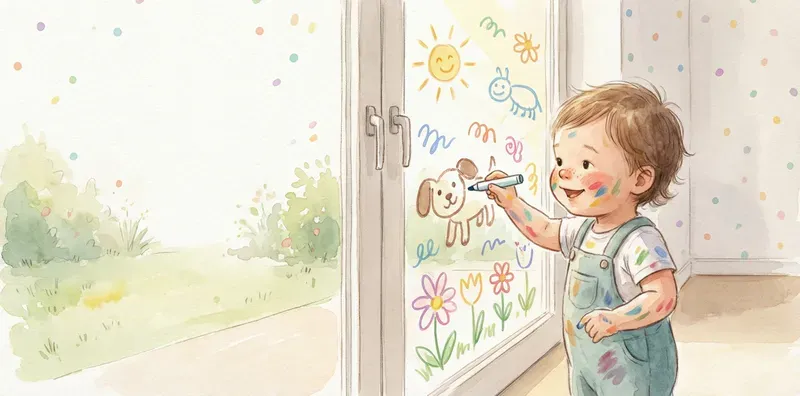
Window Marker Art
2–6 years · 10–25 min · Indoor · Low energy
Novel surface makes art exciting while being completely cleanable.
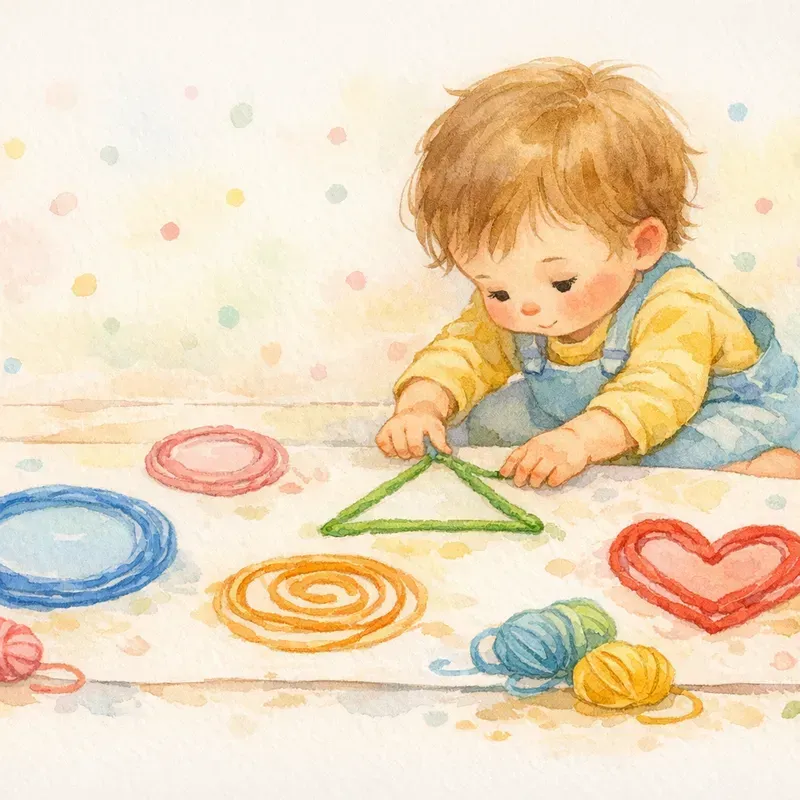
Yarn Shape Making
3–6 years · 10–20 min · Indoor · Low energy
Hands-on letter formation aids reading readiness.
Read
Guides for this topic
General
Summer Activities for Toddlers at Home
Backyard and indoor summer play for toddlers, no camp, pool, or special gear needed. Beat the heat with water, shade, and ideas you can set up in minutes.
Why read: A quick, practical read
General
What to Do With a Toddler All Day at Home
A realistic rhythm for home days with toddlers: anchor times, low-prep play blocks, and where to grab ideas fast. No Pinterest marathon.
Why read: A quick, practical read
General
Christmas Activities for Toddlers (With What's Already in the House)
Wrapping paper, tape, boxes, and cotton balls. Indoor Christmas activities for toddlers using what you already have, no craft-store run, ages 1 to 4.
Why read: A quick, practical read
Related categories
Browse by other filters
Questions parents ask
What are good indoor activities for the living room?
Building, pretend play, simple movement games, and craft or sensory activities on the floor or coffee table. A normal living room has plenty of room for most toddler play.
How do I protect furniture during messy play?
Lay down a towel, an old sheet, or a wipe-clean mat, and keep wet or paint-based play to a tray. Most household play cleans up with a quick wipe.
Not sure where to start?
Let the generator pick a living room activities for kids idea for you, no scrolling required.
Get an activity