Play ideas
Quiet Activities for Toddlers (1–4 Years)
Sometimes you need the energy level to drop from an 8 to a 3. Maybe it’s pre-nap time, maybe the baby is sleeping, maybe you just have a headache and can’t handle another round of running and shrieking. Quiet activities aren’t boring, they’re just lower volume.
These are activities where little bodies stay relatively still and voices stay relatively soft. Things that engage hands and minds without ramping up energy. Sticker books, threading, pouring, stacking, absorbing without being loud.
You don’t need to buy special quiet time toys. A roll of tape, some cotton balls, a muffin tin with small items to sort, household objects work just as well as anything marketed as "quiet play."
Featured quiet activities for toddlers
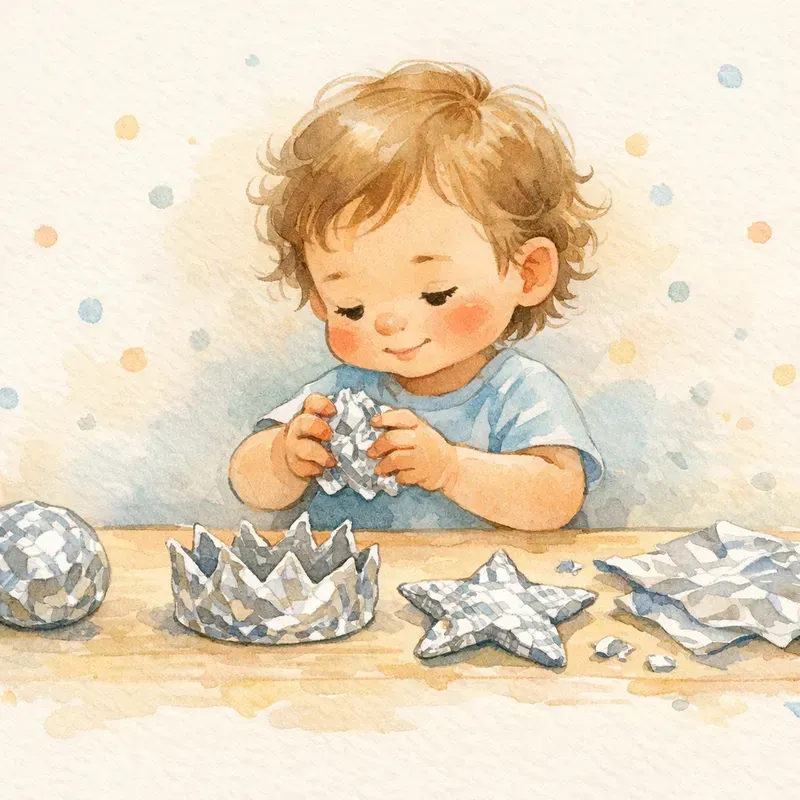
Aluminum Foil Sculptures
- Age
- 3–6 years
- Time
- 10–25 min
- Energy
- Low-energy
- Mess
- No mess
You'll need: Aluminum foil, Scissors (adult use)

Backyard Cloud Watching
- Age
- 2–6 years
- Time
- 10–30 min
- Energy
- Low-energy
- Mess
- No mess
You'll need: Blanket to lie on, Sunglasses (optional)
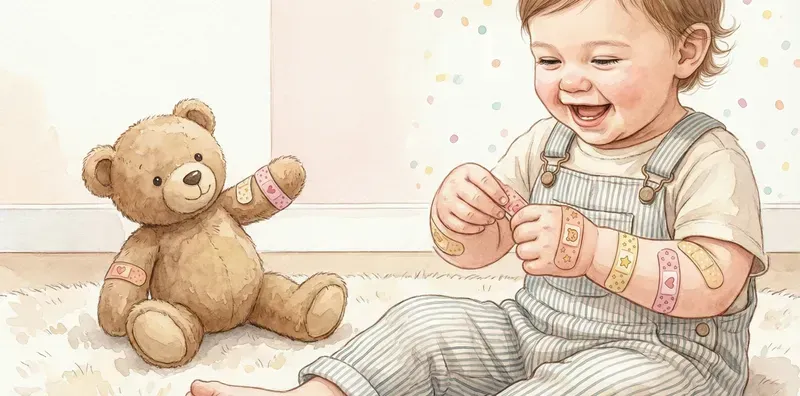
Band-Aid Practice Game
- Age
- 2–4 years
- Time
- 10–20 min
- Energy
- Low-energy
- Mess
- No mess
You'll need: Dollar store band-aids, Stuffed animals or dolls, Markers (optional for boo-boos)
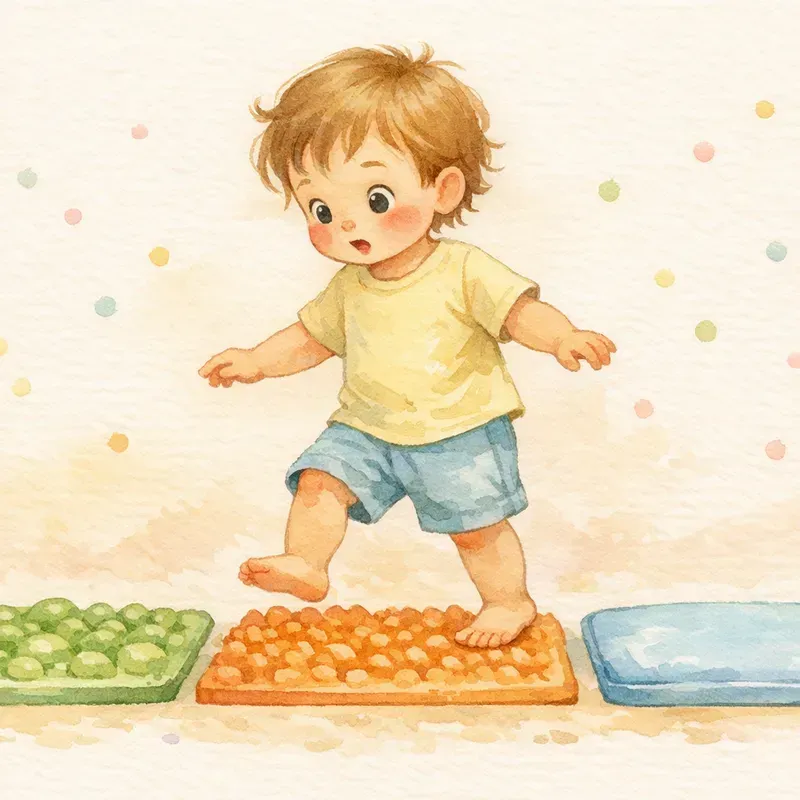
Barefoot Texture Walk
- Age
- 1–4 years
- Time
- 10–20 min
- Energy
- Hands-on
- Mess
- Some mess
You'll need: Bubble wrap, Towel, Aluminum foil +2 more

Button Art Pictures
- Age
- 3–6 years
- Time
- 15–30 min
- Energy
- Low-energy
- Mess
- Some mess
You'll need: Various buttons, Paper, Glue +1 more
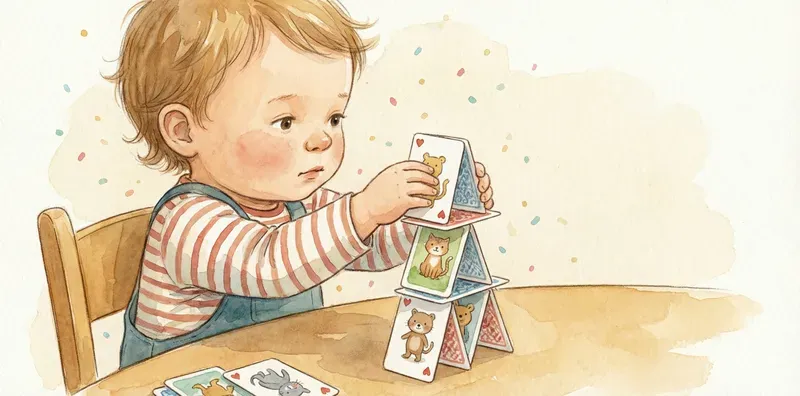
Card Tower Building
- Age
- 3–6 years
- Time
- 10–25 min
- Energy
- Low-energy
- Mess
- No mess
You'll need: Deck of playing cards, Flat surface
Tips for Quiet Time
- 1Set expectations. "We’re doing something quiet now. Soft voices, gentle hands." They won’t always cooperate, but naming it helps over time.
- 2Pair with environment. Dim the lights slightly, put on soft background music or nothing at all. The atmosphere cues calm behaviour.
- 3Use it as routine. Same time each day, after lunch, before nap. When it’s predictable, they transition into it more easily.
- 4Sit with them initially. Model the calm energy for the first few minutes. Once they’re absorbed, you can step back.
- 5Don’t force stillness. Quiet doesn’t mean motionless. Threading, pouring, sorting, these are quiet activities that still involve movement.
More ideas in this collection
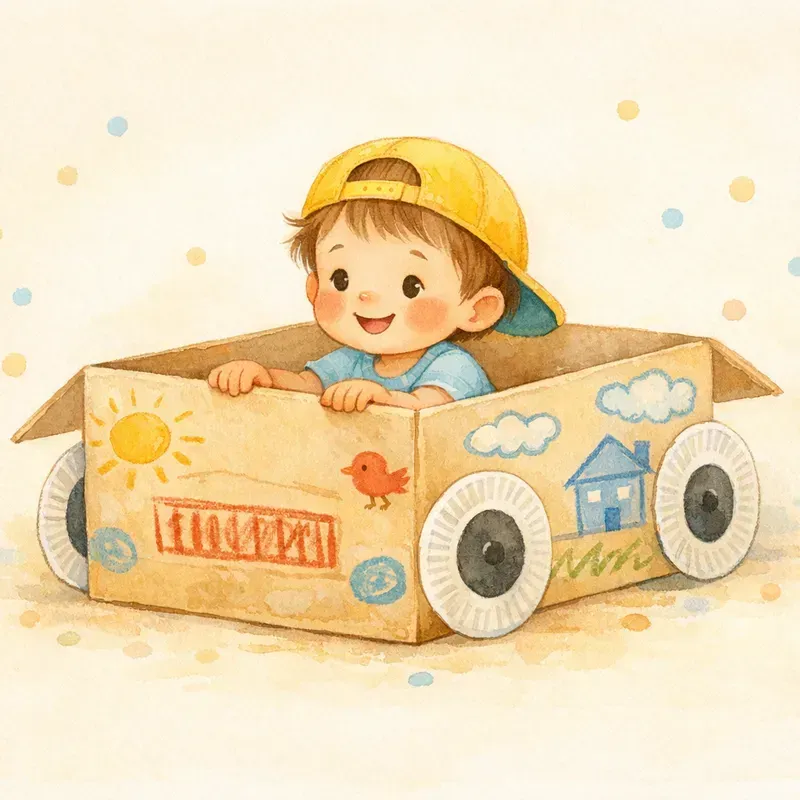
Cardboard Box Car
1–4 years · 10–20 min · Indoor · Low energy
Imaginative play builds creativity while the confined space feels cozy and secure.
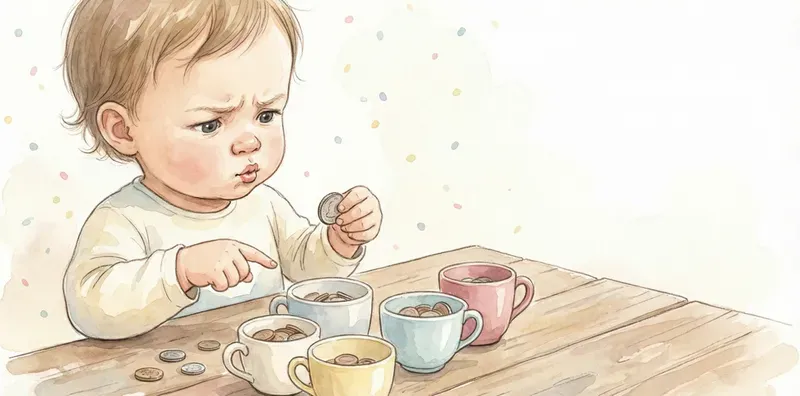
Coin Sorting Bank
3–6 years · 10–20 min · Indoor · Low energy
Real-world math with tactile discrimination practice.
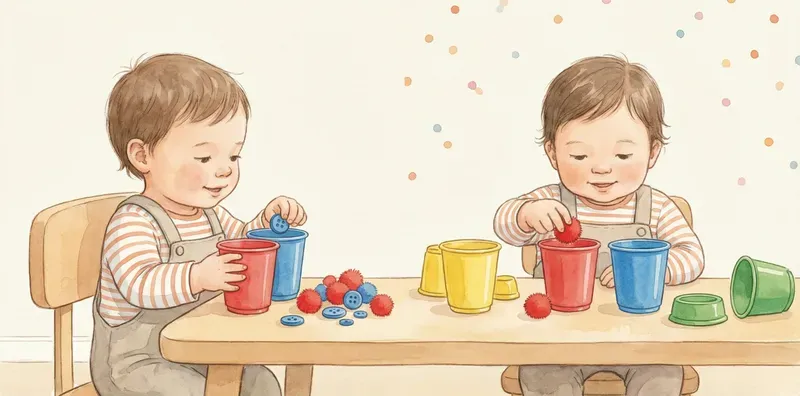
Color Sorting Cups
1–4 years · 5–15 min · Indoor · Low energy
Sorting by color builds categorization thinking, one of the earliest math skills. The pinch-and-place motion strengthens the same muscles used for writing. And because the 'rules' are simple (match the color), toddlers feel successful quickly, which keeps them going longer than you'd expect.

Cotton Ball Cloud Pictures
2–5 years · 10–25 min · Indoor · Low energy
Pulling and stretching cotton balls is quiet fine motor practice that strengthens the same finger muscles used for holding a pencil. Turning a flat cotton ball into a cloud shape asks your child to picture something and then make it real, which builds creative thinking and a little planning. The soft texture and the unhurried pace make it a calm, contained activity for days when you want them settled at the table.
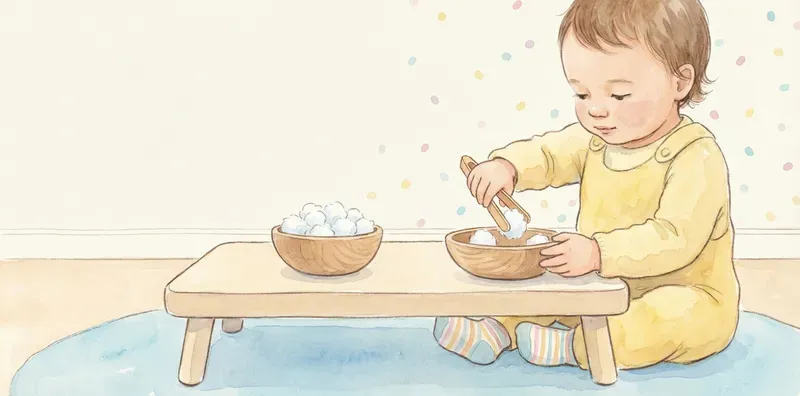
Cotton Ball Transfer
2–4 years · 5–15 min · Indoor · Low energy
Cotton balls are lightweight and soft, so dropping them feels fine, not frustrating. The pinch-grip motion with tongs strengthens the same small muscles kids need for holding pencils and using scissors. Counting along the way sneaks in early math practice without it feeling like a lesson.
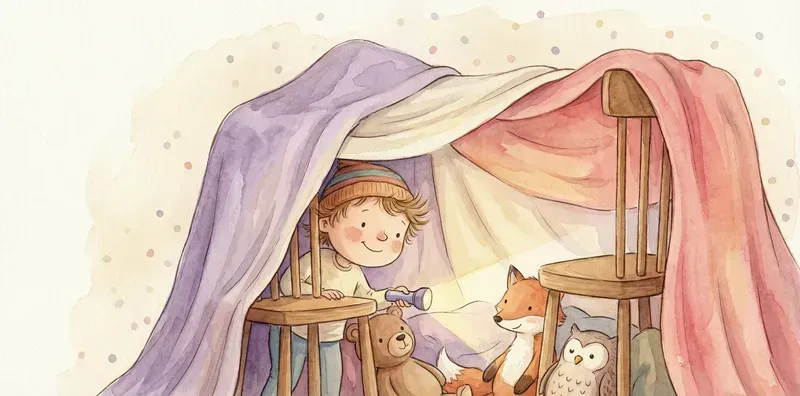
Cozy Blanket Fort
1–6 years · 15–45 min · Indoor · Low energy
Enclosed spaces feel safe and special, encouraging independent play.

Discovery Bottles
0–3 years · 5–15 min · Indoor · Low energy
Visual stimulation is calming and encourages focus.

Dot Marker Art
1–5 years · 10–25 min · Indoor · Low energy
Dot markers give vivid, instant results with every single press. There's no way to 'fail' at this, which builds art confidence in hesitant kids. The press-and-lift motion strengthens the same hand muscles used for writing, and the chunky grip is perfect for small hands that struggle with thin crayons or pencils.
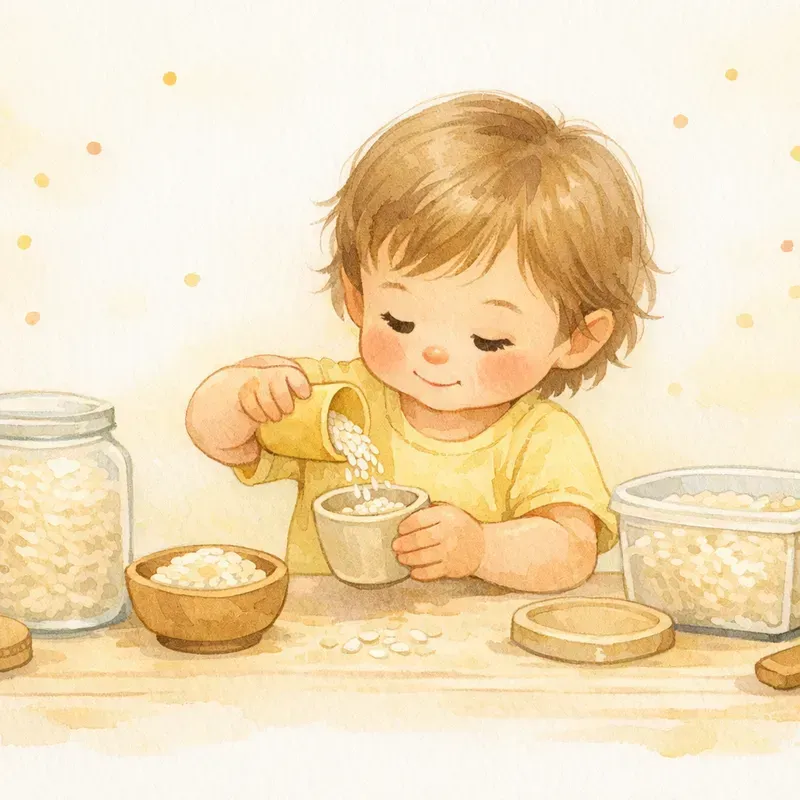
Dry Pouring Station
1–3 years · 10–20 min · Indoor · Low energy
Pouring requires wrist rotation and controlled tipping, skills that transfer directly to pouring drinks and using utensils. The repetitive scoop-pour-dump cycle is deeply calming for toddlers, similar to how adults find repetitive tasks meditative. Using a funnel adds precision aiming. The different sounds of beans hitting plastic vs. metal containers adds sensory richness that keeps them engaged.
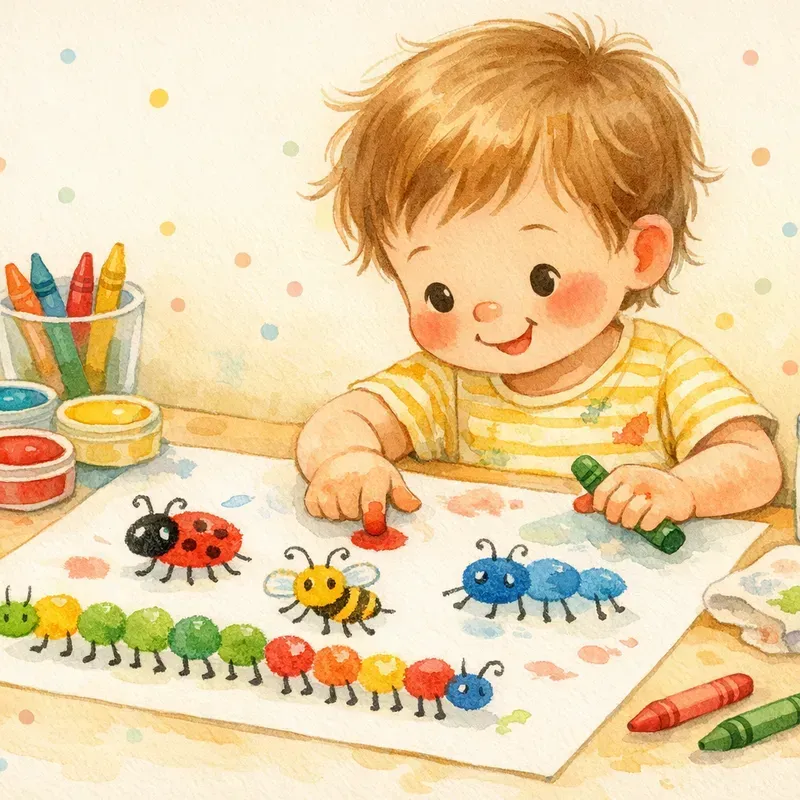
Fingerprint Creatures
2–6 years · 10–25 min · Indoor · Low energy
Combines mess-managed sensory with creative expression.
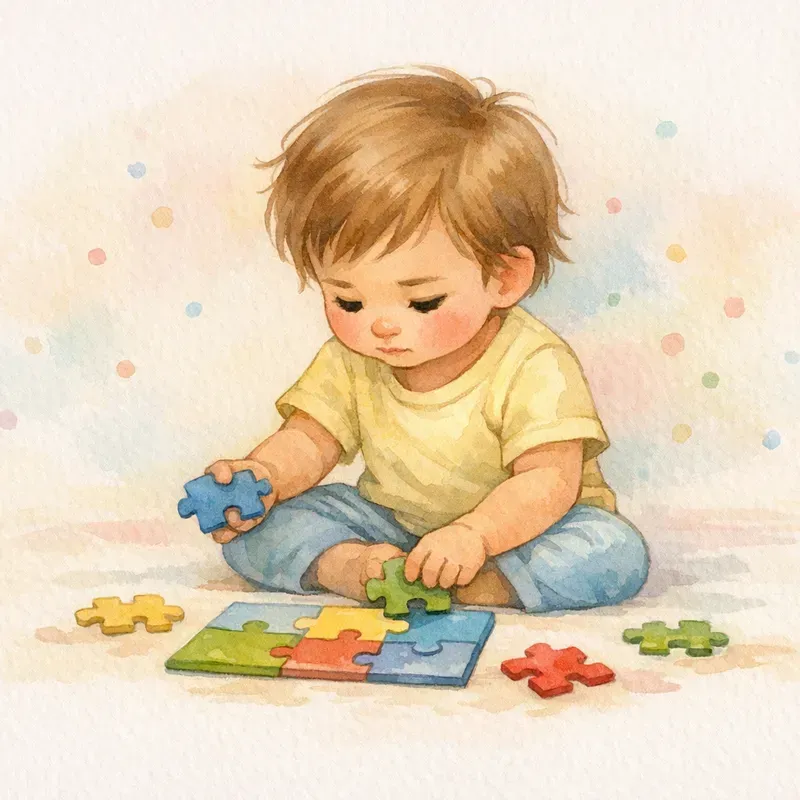
Floor Puzzle Time
1–5 years · 10–25 min · Indoor · Low energy
Puzzles build spatial reasoning, patience, and problem-solving.
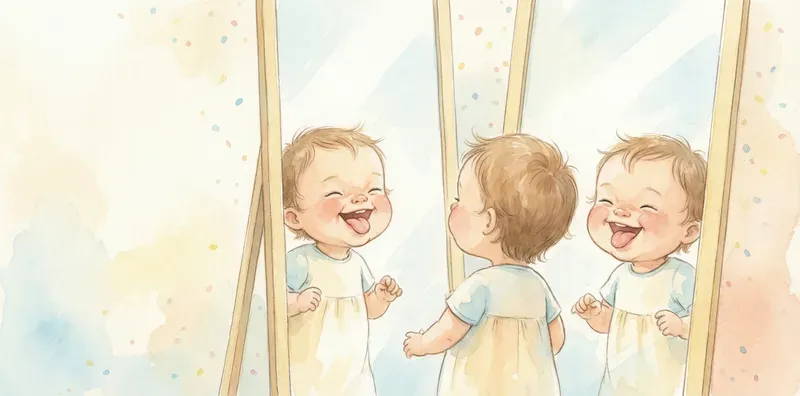
Funny Mirror Faces
1–4 years · 5–15 min · Indoor · Low energy
Builds emotional vocabulary and self-awareness playfully.
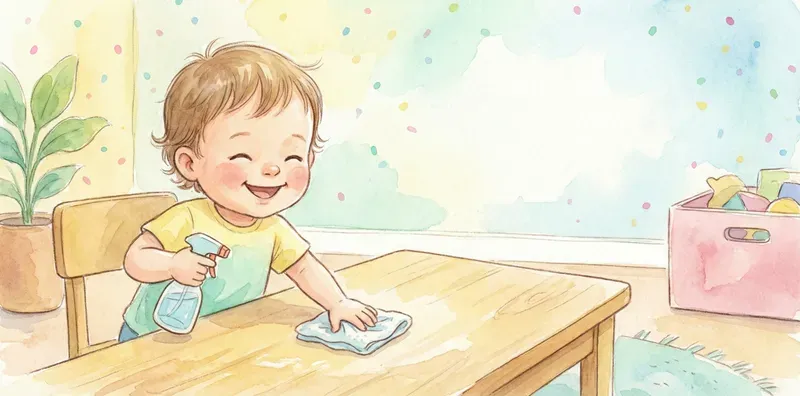
Helper Cleaning Spray
2–5 years · 10–20 min · Indoor · Low energy
Feeling useful builds confidence and spraying builds hand strength.
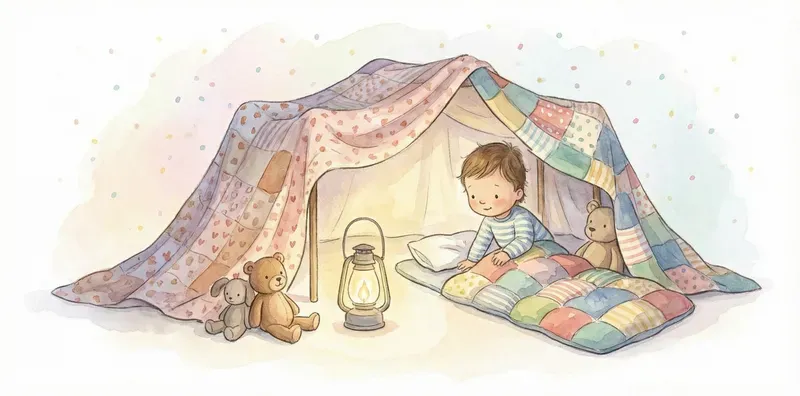
Indoor Camping Adventure
2–6 years · 20–60 min · Indoor · Low energy
A blanket tent and a few flashlights turn the living room into somewhere new, which gives kids open-ended pretend play and a cozy, low-key way to wind down.

Laundry Basket Boat
1–3 years · 10–20 min · Indoor · Low energy
Imaginative play in enclosed spaces feels safe and sparks creativity.
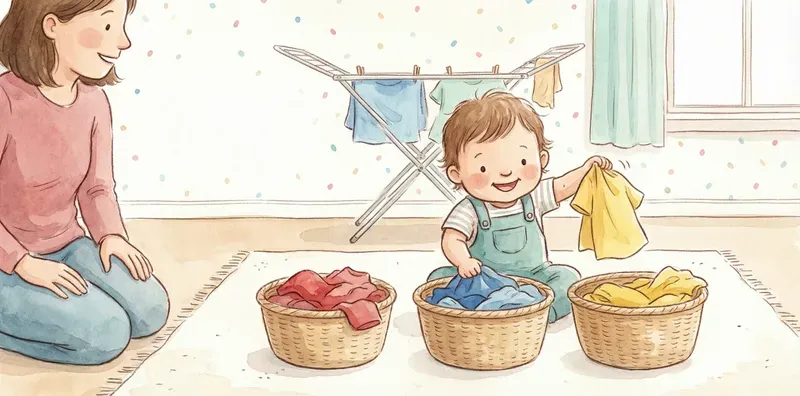
Laundry Sorting Helper
2–5 years · 10–20 min · Indoor · Low energy
Real contribution builds confidence and classification skills.
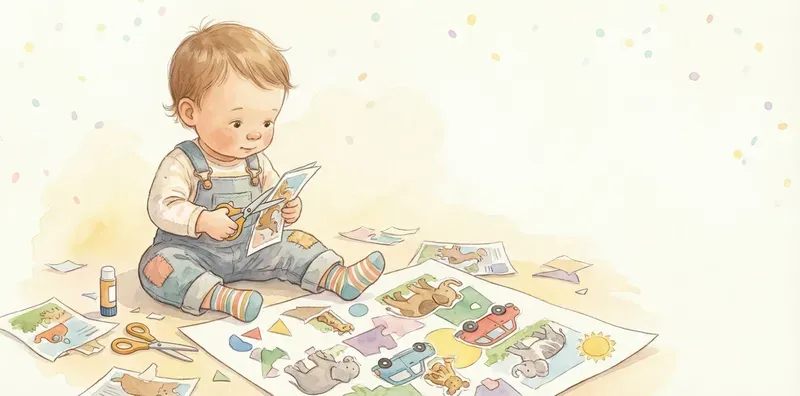
Magazine Picture Collage
3–6 years · 15–30 min · Indoor · Low energy
Visual literacy and design skills with creative expression.
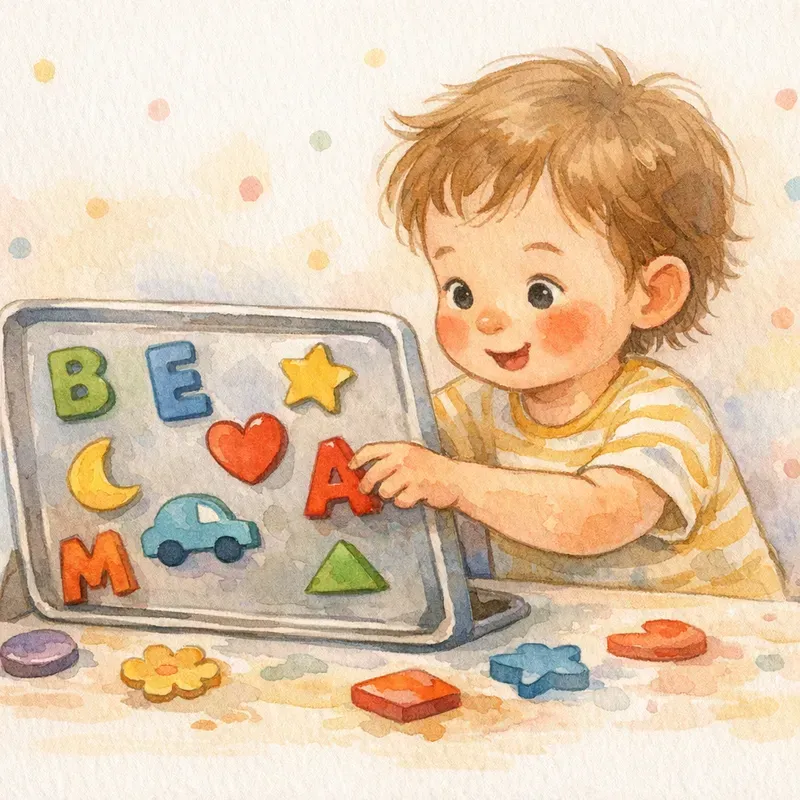
Magnet Exploration
2–5 years · 10–20 min · Indoor · Low energy
Scientific discovery builds curiosity and classification skills.
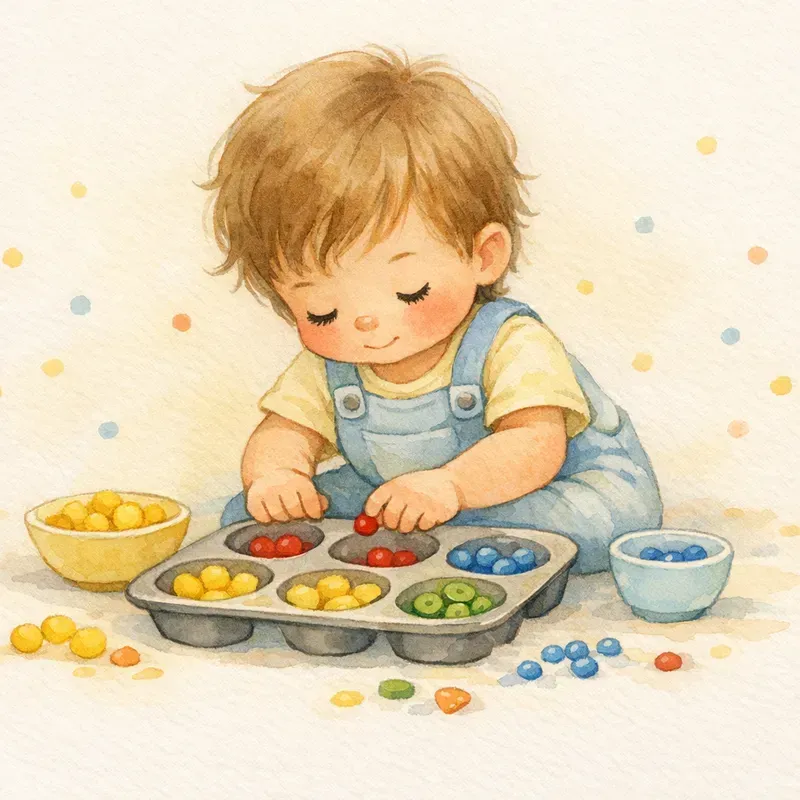
Muffin Tin Sorting
1–4 years · 10–20 min · Indoor · Low energy
Placing one item per cup teaches one-to-one correspondence, a foundational math concept that children need before they can count meaningfully. The pinch-and-drop motion builds the same finger strength and precision needed for writing. And because the muffin tin provides built-in structure (fill each cup!), toddlers stay focused longer than with open-ended sorting tasks.
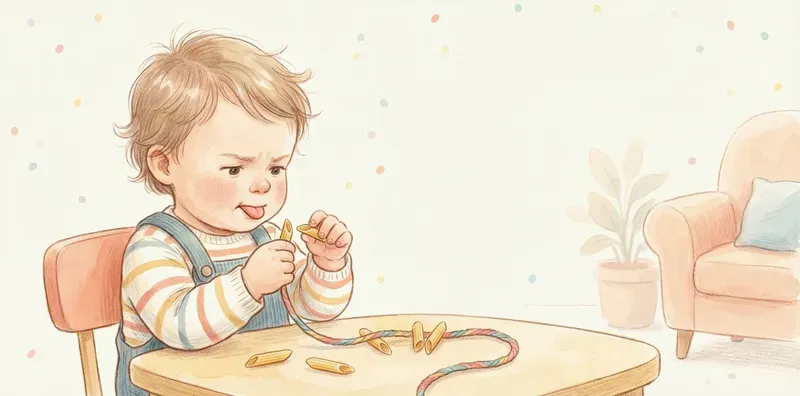
Noodle Threading
2–5 years · 10–20 min · Indoor · Low energy
Threading requires both hands working together in different roles (one holding, one pushing), which builds bilateral coordination. Lining up the string with the pasta hole demands precise hand-eye coordination and spatial awareness. It's also one of the most patience-building fine motor activities: each noodle requires careful, focused effort, teaching toddlers to persist through a multi-step task.
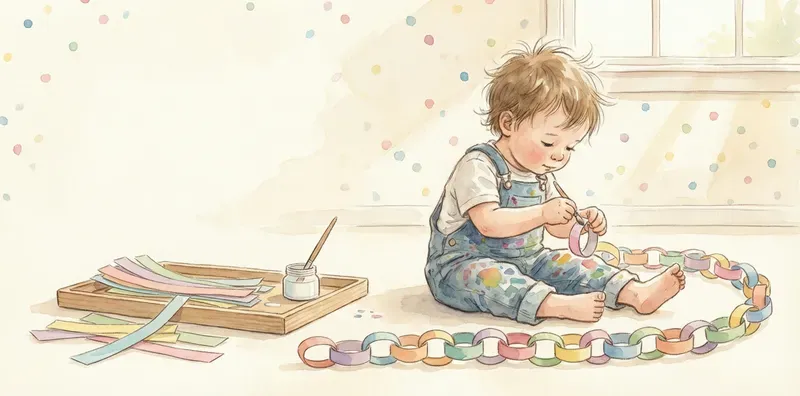
Paper Chain Making
3–6 years · 10–25 min · Indoor · Low energy
Repetitive craft teaches patterns while creating decoration.
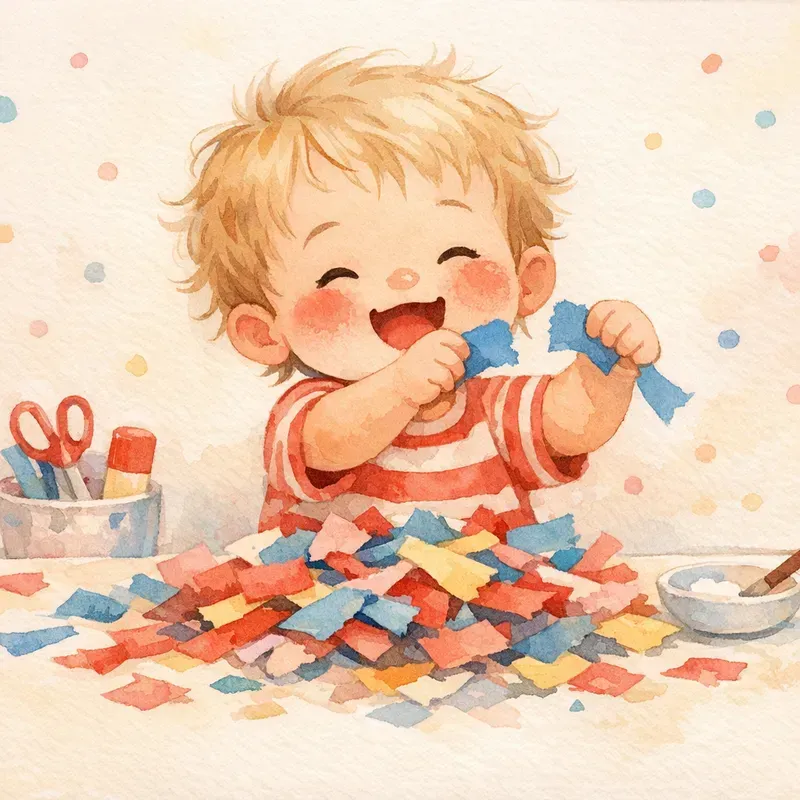
Paper Ripping Fun
1–3 years · 5–15 min · Indoor · Low energy
Ripping is satisfying hand exercise and acceptable destruction.

Play Dish Washing
2–4 years · 10–25 min · Indoor · Low energy
Practical life skills make kids feel capable and included.
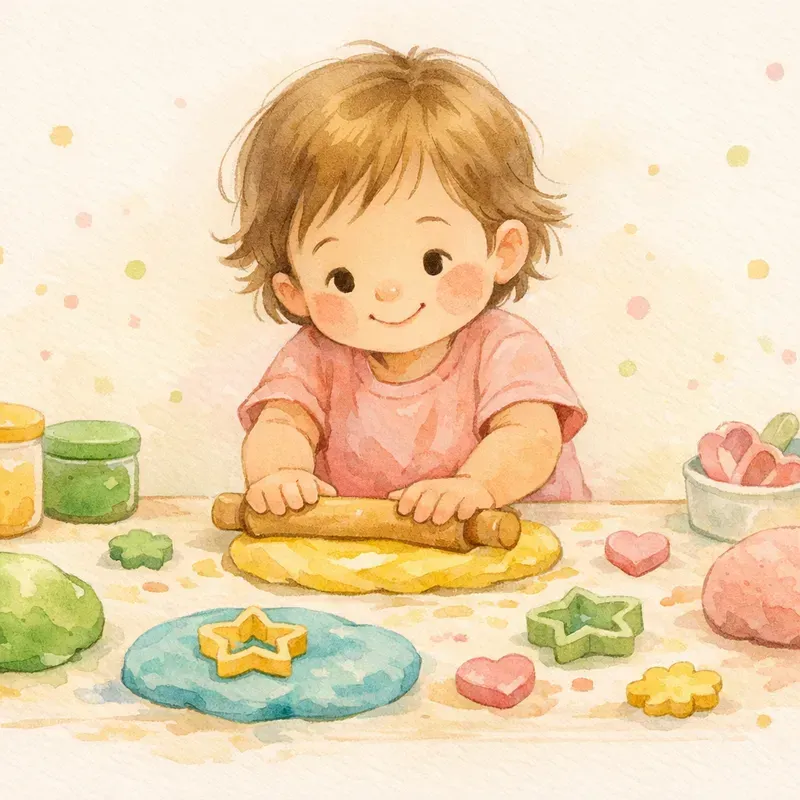
Play Dough Squish
1–5 years · 15–30 min · Indoor · Low energy
Squeezing, pinching, and rolling play dough works every small muscle in the hand. It's the same resistance training that occupational therapists prescribe for building writing-ready hand strength, but to a toddler, it's just fun. The sensory input from the soft, squishy texture is naturally calming, making this a go-to for winding down before nap or when emotions are running hot.

Playing Doctor
2–6 years · 15–30 min · Indoor · Low energy
Reduces fear of medical visits while building empathy and nurturing.
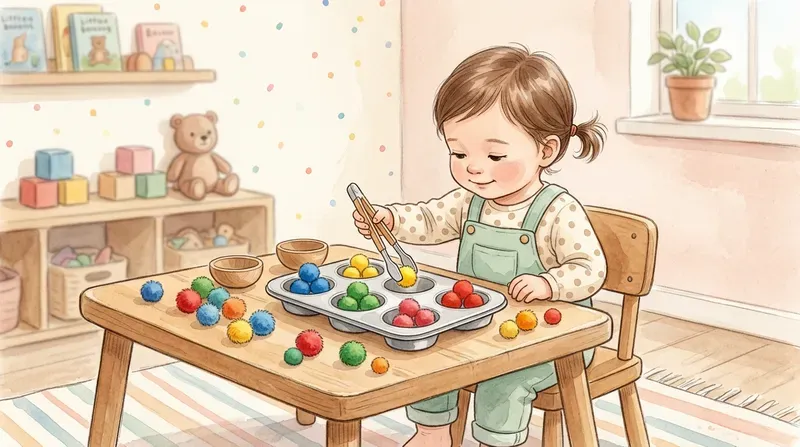
Pom Pom Sorting & Transfer
1–4 years · 10–20 min · Indoor · Low energy
Pom poms are squishy, colorful, and satisfying to grab, they don't roll away as easily as marbles and feel rewarding to pick up. Sorting by color builds early categorization skills, while the pinch-and-release motion with tongs or tweezers strengthens the same small hand muscles needed for writing and buttoning.
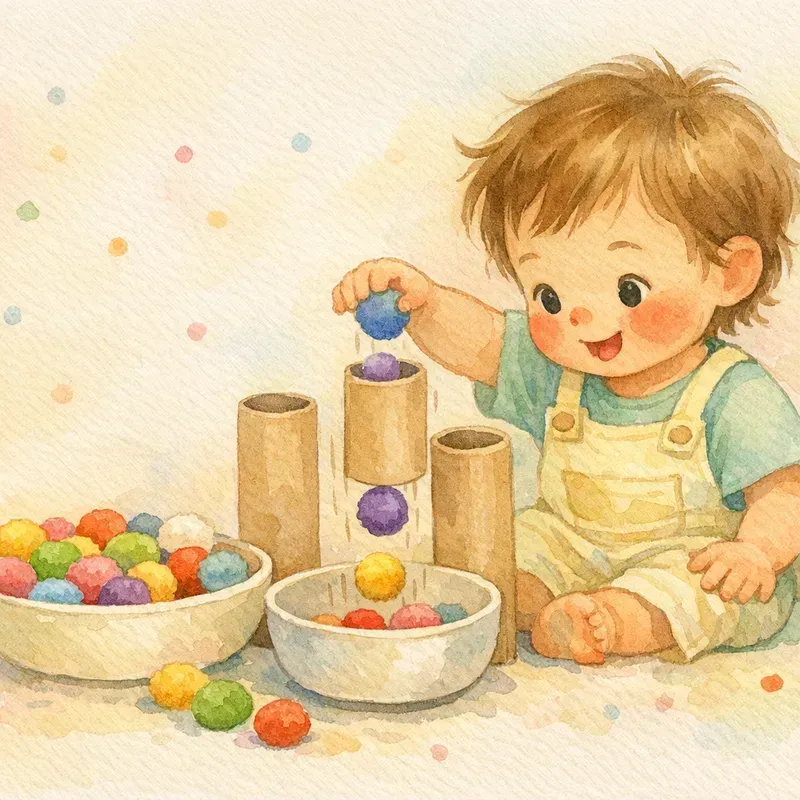
Pom Pom Tube Drop
1–3 years · 10–20 min · Indoor · Low energy
Cause and effect learning with visual tracking practice.
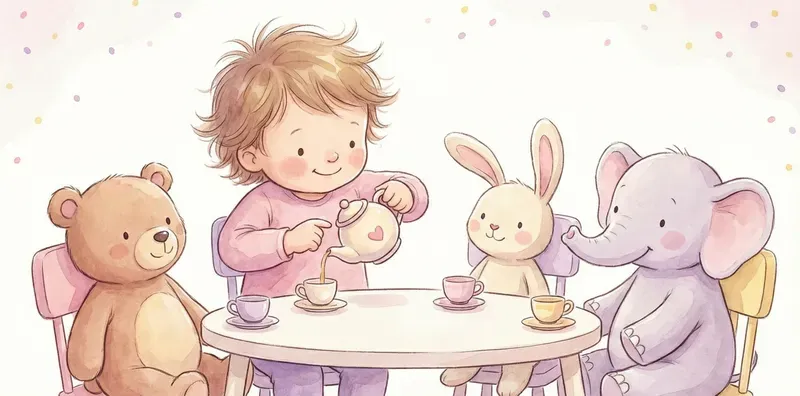
Pretend Tea Party
2–5 years · 15–30 min · Indoor · Low energy
Dramatic play develops language, social skills, and emotional understanding.
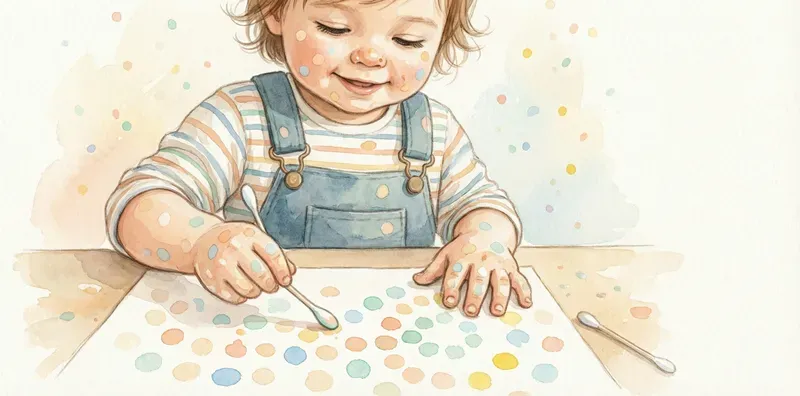
Q-Tip Dot Painting
1–5 years · 10–25 min · Indoor · Low energy
Easy grip tool allows precise art for small hands.
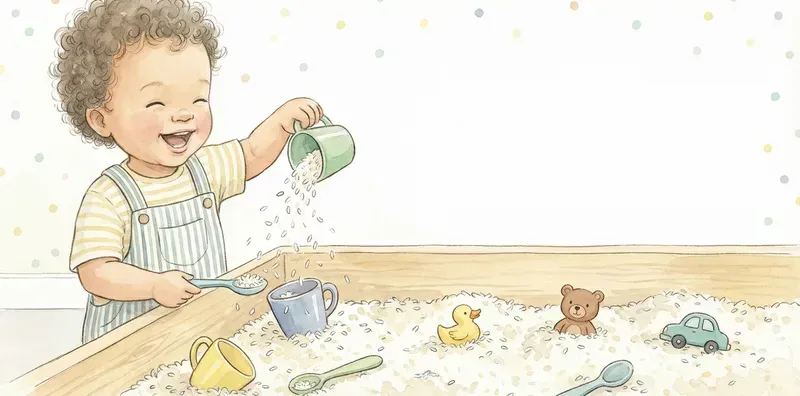
Sensory Rice Bin
1–4 years · 15–30 min · Indoor · Low energy
Running fingers through rice provides deep sensory input that calms the nervous system, while scooping and pouring build the hand strength and wrist control needed for self-feeding and writing. The repetitive fill-dump-fill cycle is meditative for toddlers. It's one of those activities where they'll zone in happily while you sit nearby.
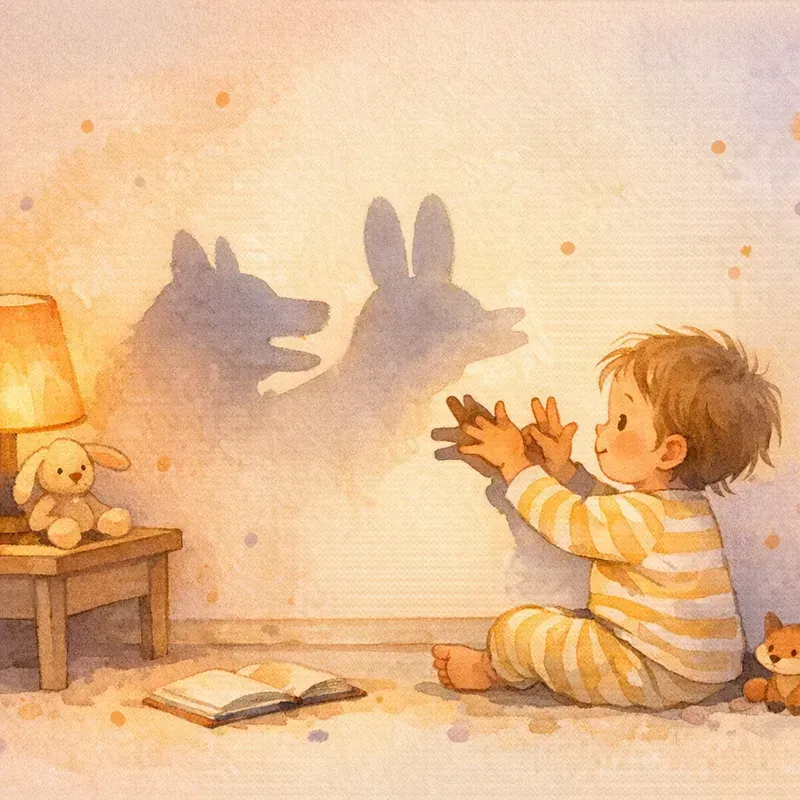
Shadow Hand Puppets
2–6 years · 5–15 min · Indoor · Low energy
A dim room and one light turn simple hand shapes into a quiet, focused game. The low light and slow pace make it a good way to settle down before nap or bed.
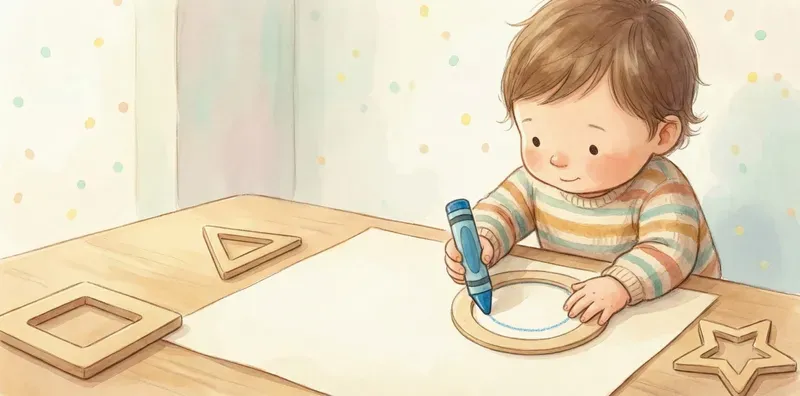
Shape Tracing Hunt
2–5 years · 10–20 min · Indoor · Low energy
Hands-on shape learning with art creation.
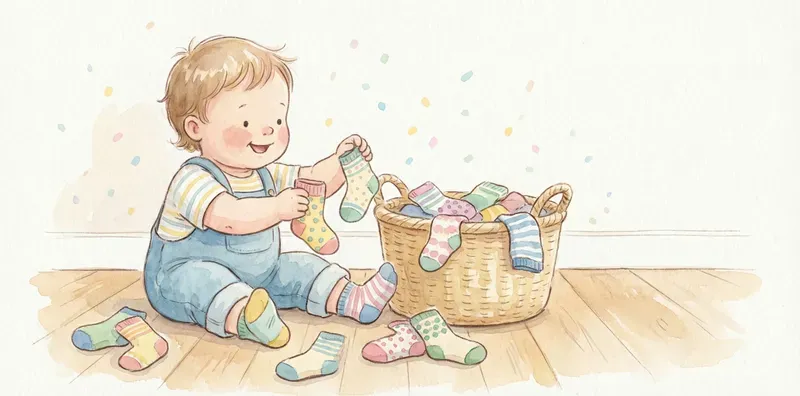
Sock Matching Game
2–4 years · 5–15 min · Indoor · Low energy
Finding pairs is real sorting practice (same color, same size, same pair) folded into a job kids can actually help with, which builds early matching skills and makes them feel useful.
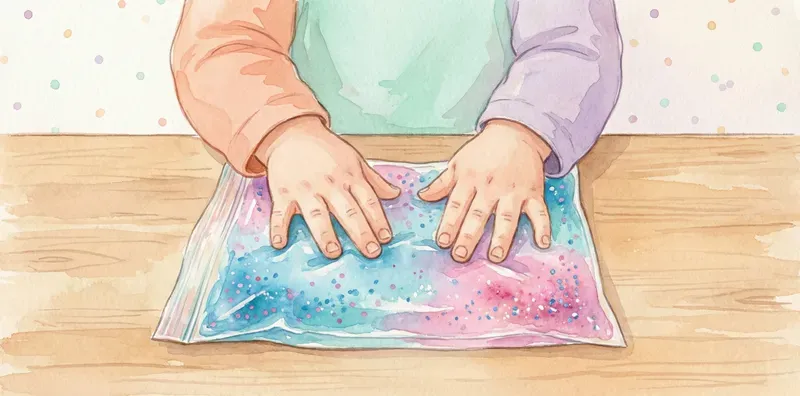
Squishy Sensory Bag
0–3 years · 5–20 min · Indoor · Low energy
Mess-free sensory exploration safe for all ages.
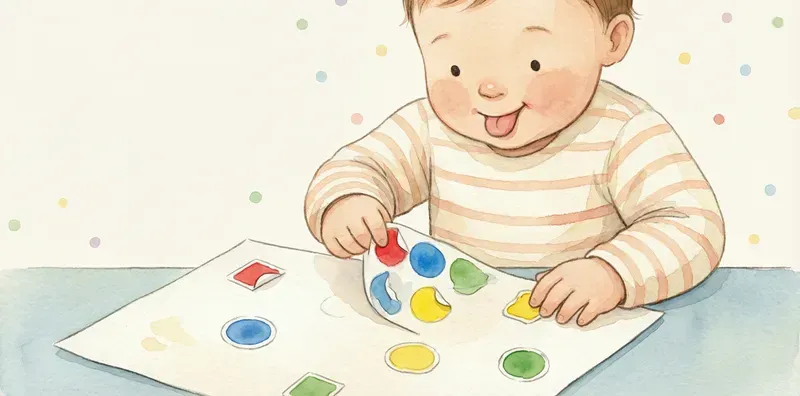
Sticker Free Play
1–4 years · 5–15 min · Indoor · Low energy
The peel-and-place motion is precision fine motor practice disguised as fun. Peeling a sticker requires pinching with the thumb and index finger (pincer grasp), controlling the pull strength, then placing it with intention. It's the same muscle coordination needed for buttoning shirts and holding pencils, and toddlers will do it for 15 minutes straight because stickers are inherently satisfying.
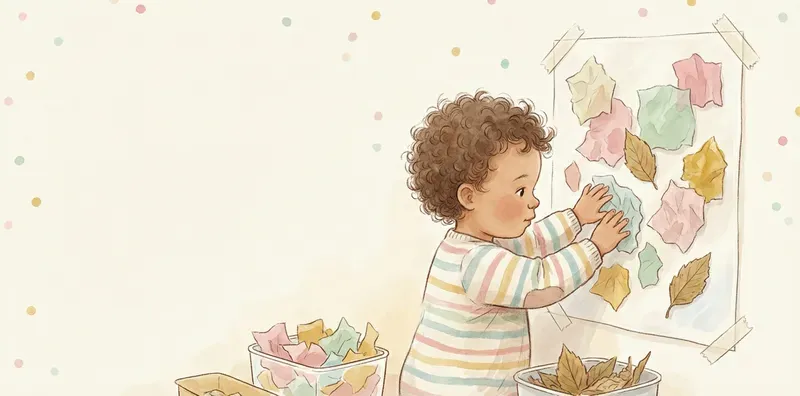
Sticky Contact Paper Collage
1–5 years · 10–25 min · Indoor · Low energy
Mess-free art builds confidence and fine motor skills without cleanup stress.
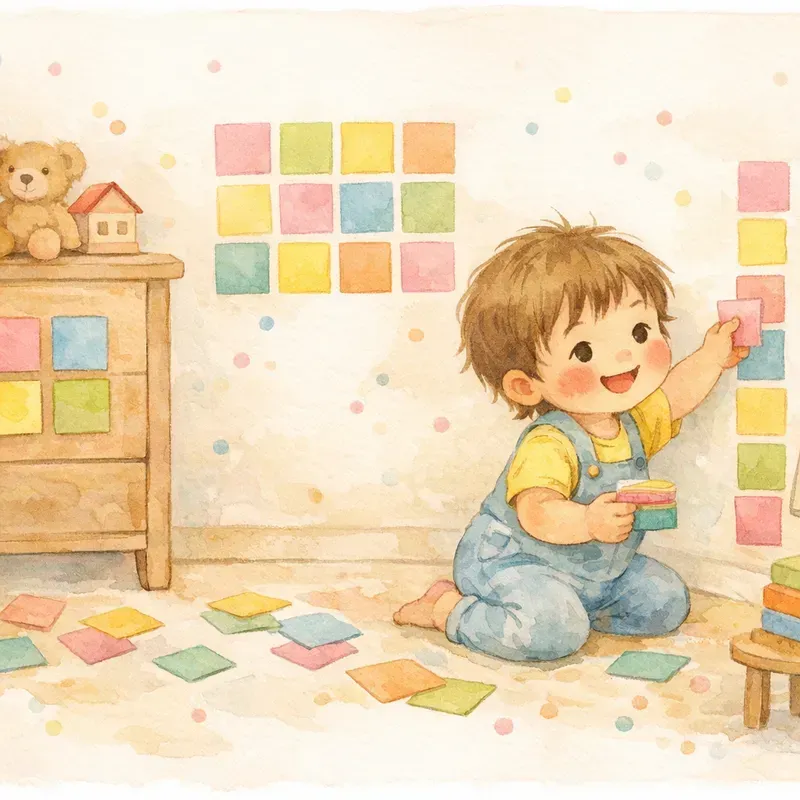
Sticky Note Fun
1–5 years · 10–25 min · Indoor · Low energy
Endless sticking and resticking with no mess.
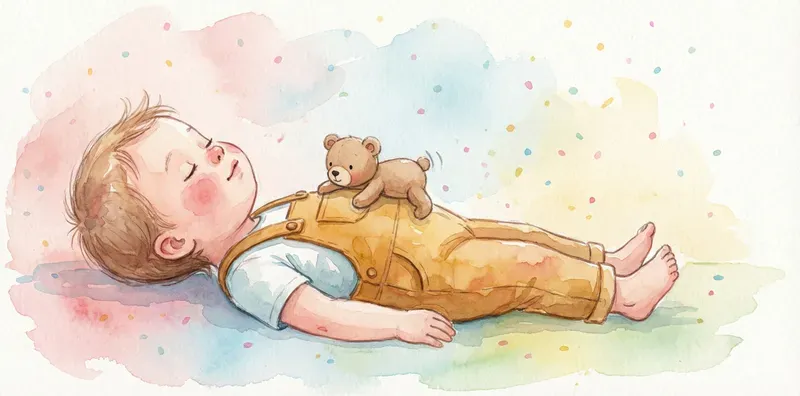
Stuffed Animal Belly Breathing
2–6 years · 5–10 min · Indoor · Low energy
Visual cue makes deep breathing concrete for young children.
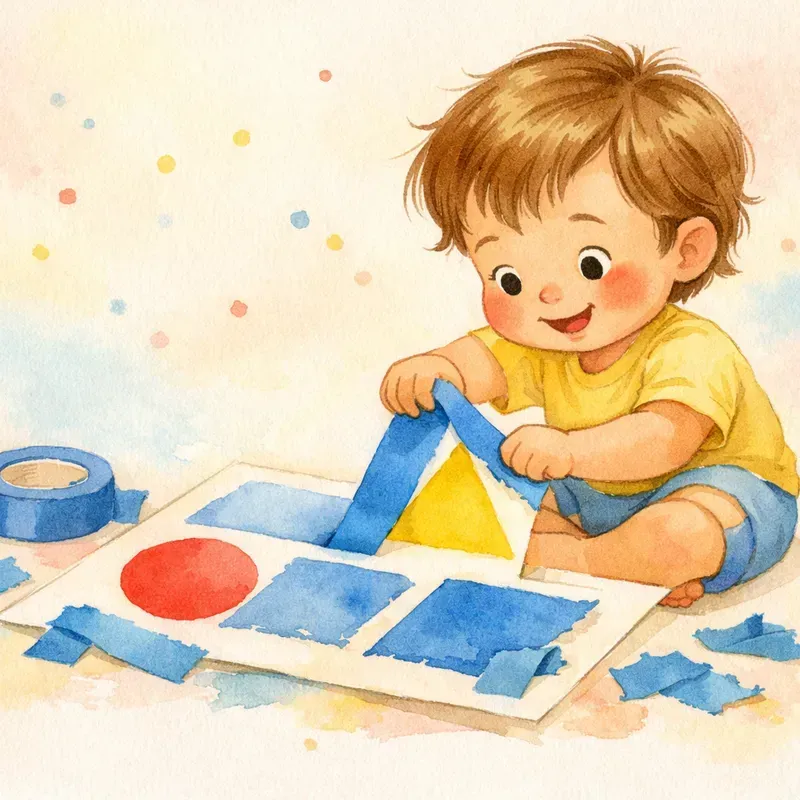
Tape Shape Peeling
2–4 years · 5–15 min · Indoor · Low energy
Peeling tape requires a precise pinch grip (thumb and index finger working together) followed by a controlled pulling motion: exactly the hand coordination needed for buttoning, zipping, and eventually writing. It's also deeply satisfying for toddlers: the visual feedback of tape lifting off a surface provides instant gratification that keeps them repeating the motion. Zero mess, zero setup, huge fine motor payoff.
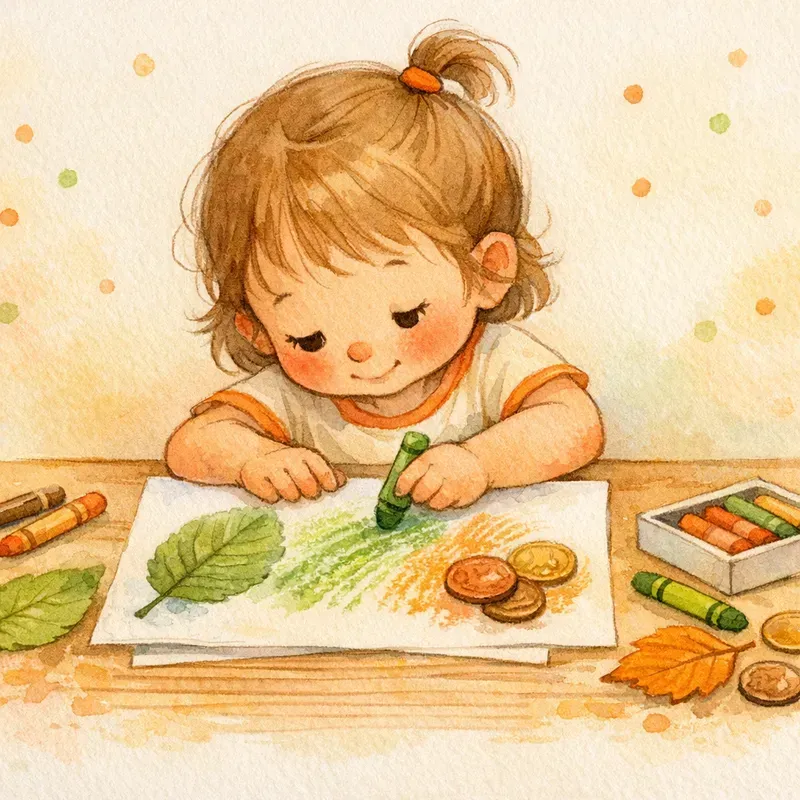
Texture Crayon Rubbings
2–6 years · 10–20 min · Indoor · Low energy
Reveals hidden patterns, combining art with scientific discovery.
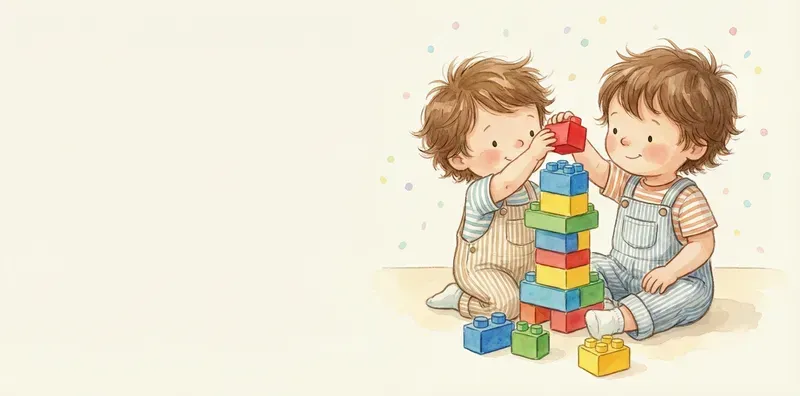
Tower Building Contest
1–4 years · 10–20 min · Indoor · Low energy
Stacking and toppling is cause-and-effect learning your child controls: they make it happen, watch the result, and do it again. Balancing each block builds the fine motor precision and hand-eye coordination that later show up in drawing and self-feeding, and counting the blocks slips in early number sense. Best of all it works when you are running on empty, because you can play it sitting down.
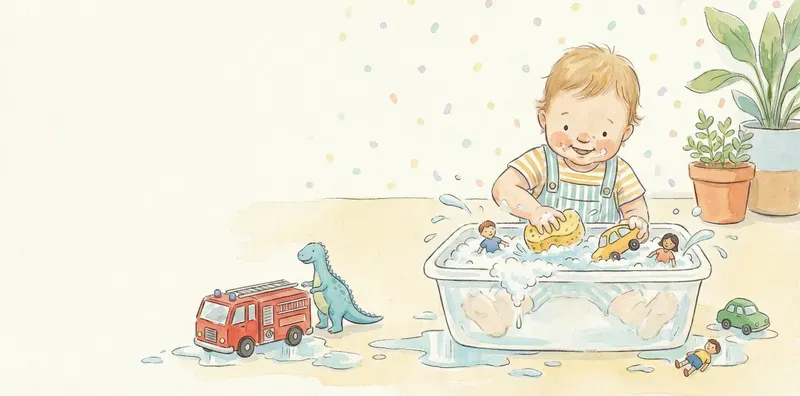
Toy Washing Station
2–5 years · 15–30 min · Indoor · Low energy
Water play combines with purposeful activity for engaged calm.
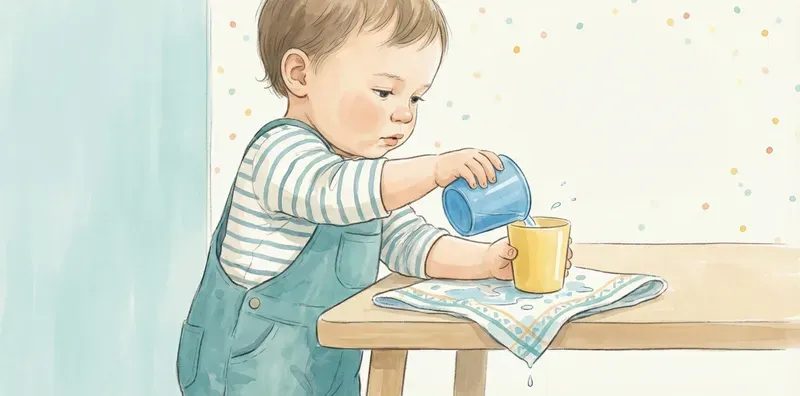
Water Transfer Game
2–5 years · 10–25 min · Indoor · Low energy
Water play is inherently calming: the sound and feel of water reduces stress in toddlers. Squeezing a sponge builds the exact hand muscles needed for pencil grip later. The baster requires a pinch-and-release motion that strengthens the thumb and index finger. And the focused, repetitive nature of transferring keeps toddlers engaged for surprisingly long stretches.
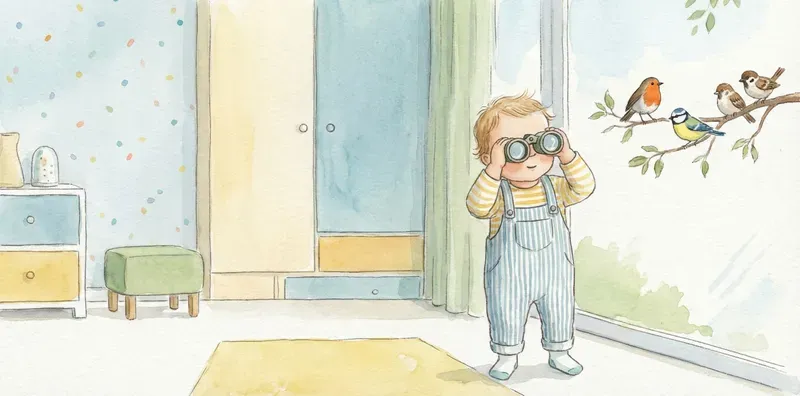
Window Bird Watching
1–6 years · 5–20 min · Indoor · Low energy
Calm observation builds focus and connects children to nature.
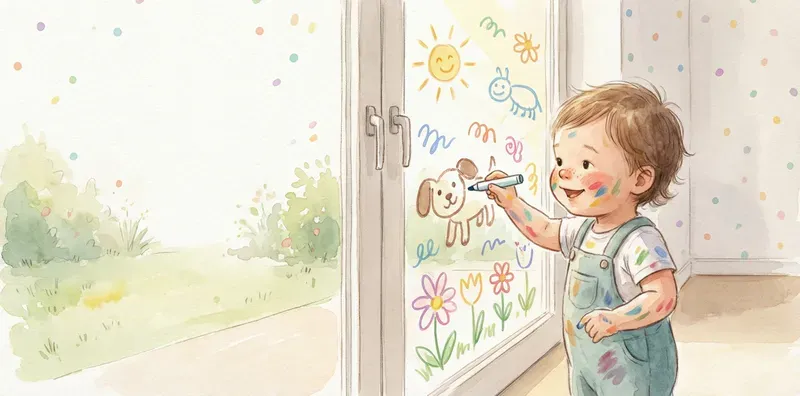
Window Marker Art
2–6 years · 10–25 min · Indoor · Low energy
Novel surface makes art exciting while being completely cleanable.
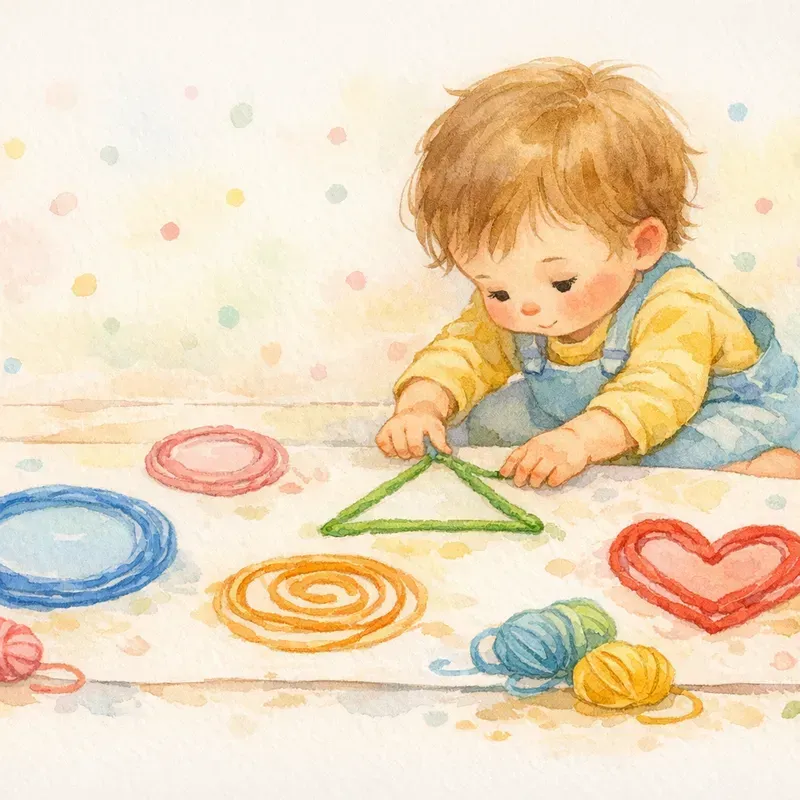
Yarn Shape Making
3–6 years · 10–20 min · Indoor · Low energy
Hands-on letter formation aids reading readiness.
Read
Guides for this topic
General
Screen-Free Sick Day Activities for Toddlers
When the tablet has run its course and your sick toddler is still restless, these gentle screen-free activities keep them settled and quietly occupied from the couch.
Why read: A quick, practical read
General
Sick Day Activities for Toddlers That Help
Gentle, low-energy activities for sick toddlers. What to try, what to skip, and why resting on the couch together counts as enough.
Why read: A quick, practical read
General
What to Do With a Toddler All Day at Home
A realistic rhythm for home days with toddlers: anchor times, low-prep play blocks, and where to grab ideas fast. No Pinterest marathon.
Why read: A quick, practical read
Related categories
Browse by age
Questions parents ask
How do I get my toddler to do quiet activities?
Make it part of the routine so it’s expected, not sudden. Offer two choices instead of open-ended options. Sit with them for the first minute to set the tone. Don’t expect silence, just calmer, lower energy.
What quiet activities work for toddlers before nap?
Books, sticker play, playdough, water pouring, threading large beads, and puzzles are all good pre-nap options. Avoid screens and anything competitive or exciting, you want their nervous system winding down, not ramping up.
Is quiet time different from nap time?
Yes. Quiet time is a calm, independent play period, they’re still awake and engaged, just at a lower energy level. It’s useful when kids are dropping naps but still need a rest break, or when you need a calmer part of the day.
Not sure where to start?
Let the generator pick a quiet activities for toddlers idea for you, no scrolling required.
Get an activity