Screen Time vs Play Time
What the WHO and AAP actually recommend, and what happens in your toddler's brain during play vs. screens. No guilt trips, just evidence.
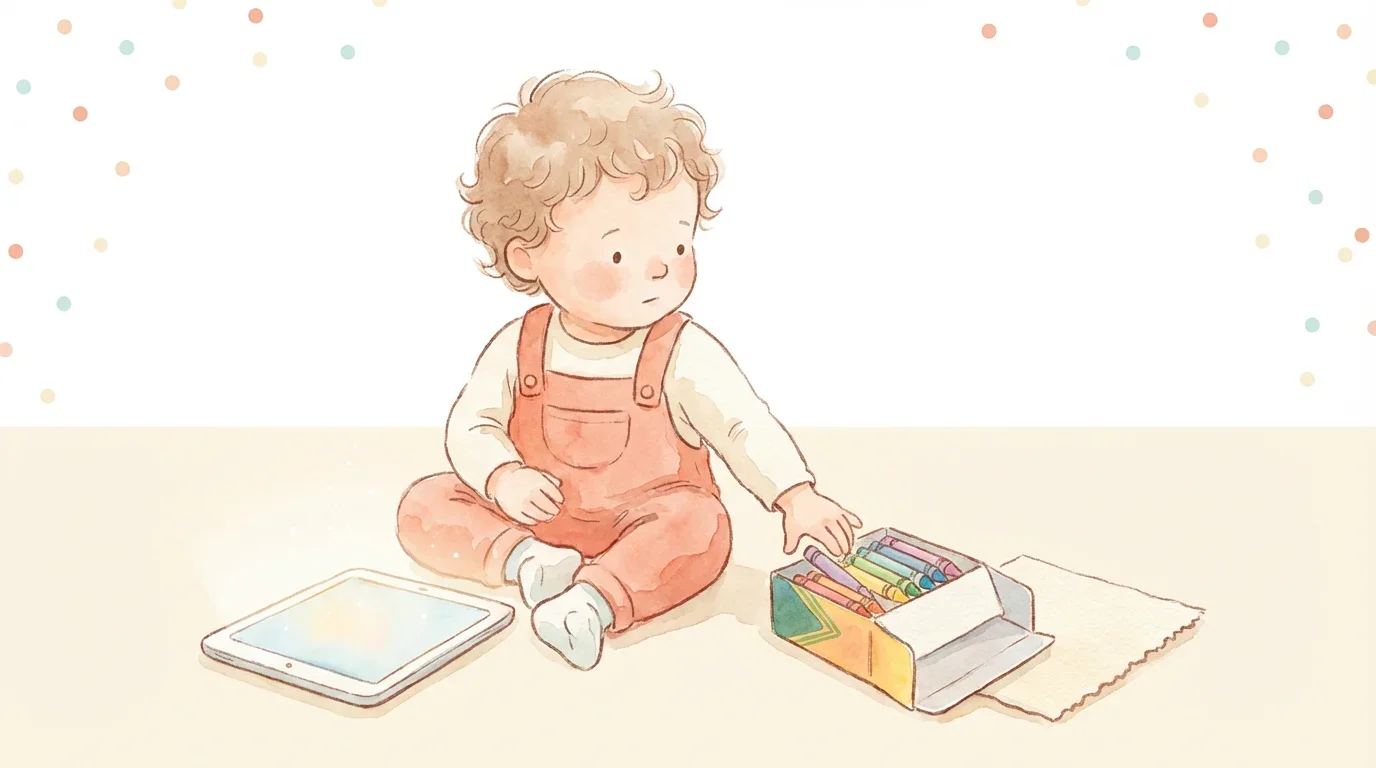
The short version: Toddlers under 2 learn almost nothing from screens. After age 2, limited high-quality content is fine, but hands-on play builds skills that screens simply cannot. The research is clear, and it's not even close.
Guidelines by Age: WHO + AAP Recommendations
These are the combined recommendations from the World Health Organization (2019) and the American Academy of Pediatrics (updated 2023). They represent the global scientific consensus on screen time for young children.
| Age | Screen Limit |
|---|---|
| Under 12 months | No screens |
| 12–18 months | Avoid (video calls OK) |
| 18–24 months | Co-viewed only, minimal |
| 2–3 years | Up to 1 hour/day |
| 3–5 years | Up to 1 hour/day |
Sources: WHO Guidelines on Physical Activity for Children Under 5 (2019), AAP Council on Communications and Media (2016, updated 2023)
What Happens: Screens vs. Play
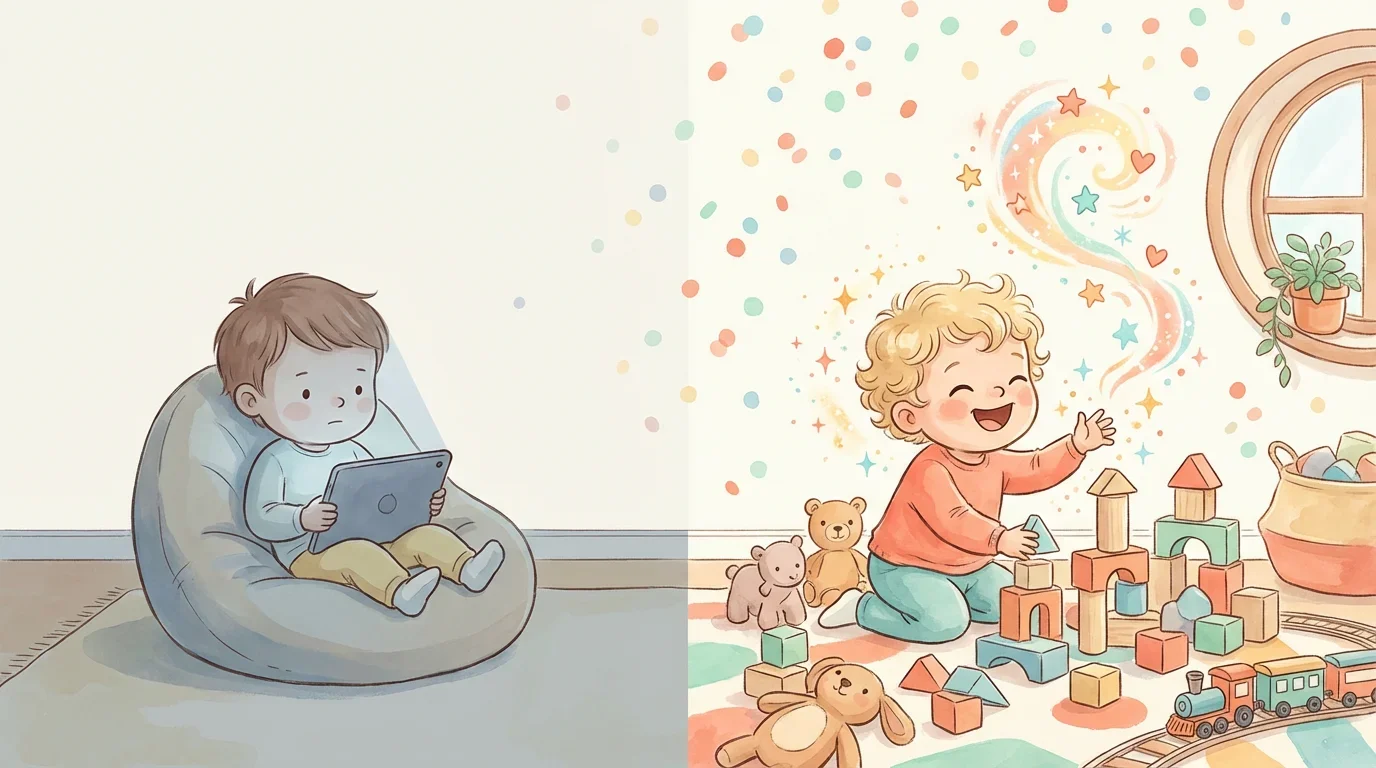
The difference isn't just about “good vs. bad.” It's about what the brain is doing during each activity. Here's a side-by-side look at the developmental impact.
Brain Development
Screen time
Passive consumption. Limited neural pathway formation
Hands-on play
Active exploration builds new connections with every new texture, movement, and problem solved
Language
Screen time
One-way communication. Children cannot practice conversation skills with a screen
Hands-on play
Back-and-forth interaction with caregivers during play is the #1 driver of language acquisition
Motor Skills
Screen time
Sedentary: only finger swiping, no whole-body movement
Hands-on play
Running, climbing, building, and manipulating objects develop gross and fine motor skills simultaneously
Fine Motor
Screen time
Tapping and swiping use limited hand movements
Hands-on play
Pinching, threading, tearing, squeezing. Real objects build the hand strength needed for writing
Self-Regulation
Screen time
Fast-paced content overstimulates, making transitions harder
Hands-on play
Open-ended play teaches patience, frustration tolerance, and the ability to self-entertain
Practical Tips for Finding Balance
Replace, don't just remove. Have a go-to 5-minute activity ready before turning off the screen. "We're going to do something even more fun" works better than "Screen time is over."
Screen-free zones. Keep screens out of bedrooms, away from mealtimes, and off for at least 1 hour before sleep. This protects sleep quality and family connection.
Co-view when you can. If your toddler watches something, watch with them. Ask questions, point things out, connect it to real life. This turns passive watching into active learning.
Model the behavior. Toddlers mirror what they see. If you're always on your phone, "no screens" feels unfair. Designate phone-free play times for yourself too.
Tired parent exemption. Some days you need 20 minutes to cook dinner or just breathe. That's fine. One episode of Bluey won't undo a day of play. Consistency over perfection.
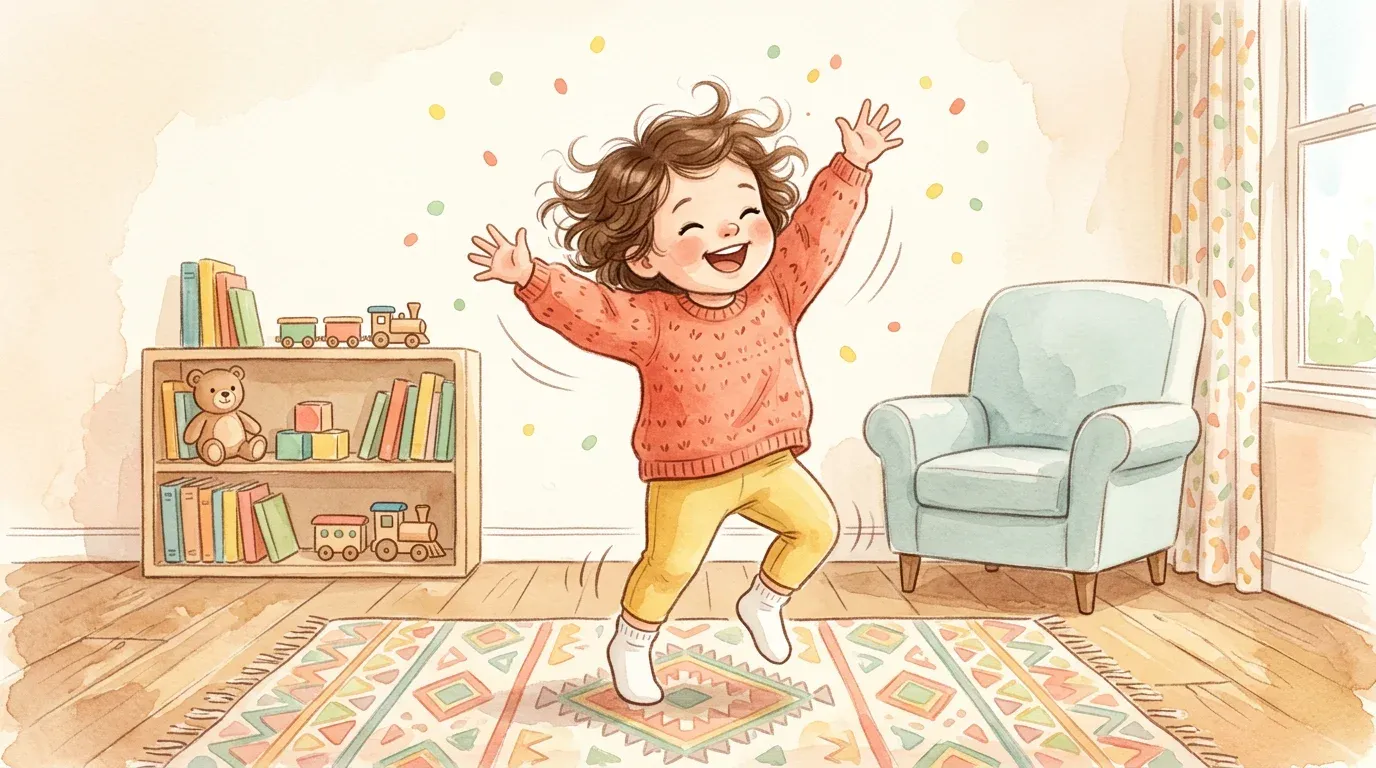
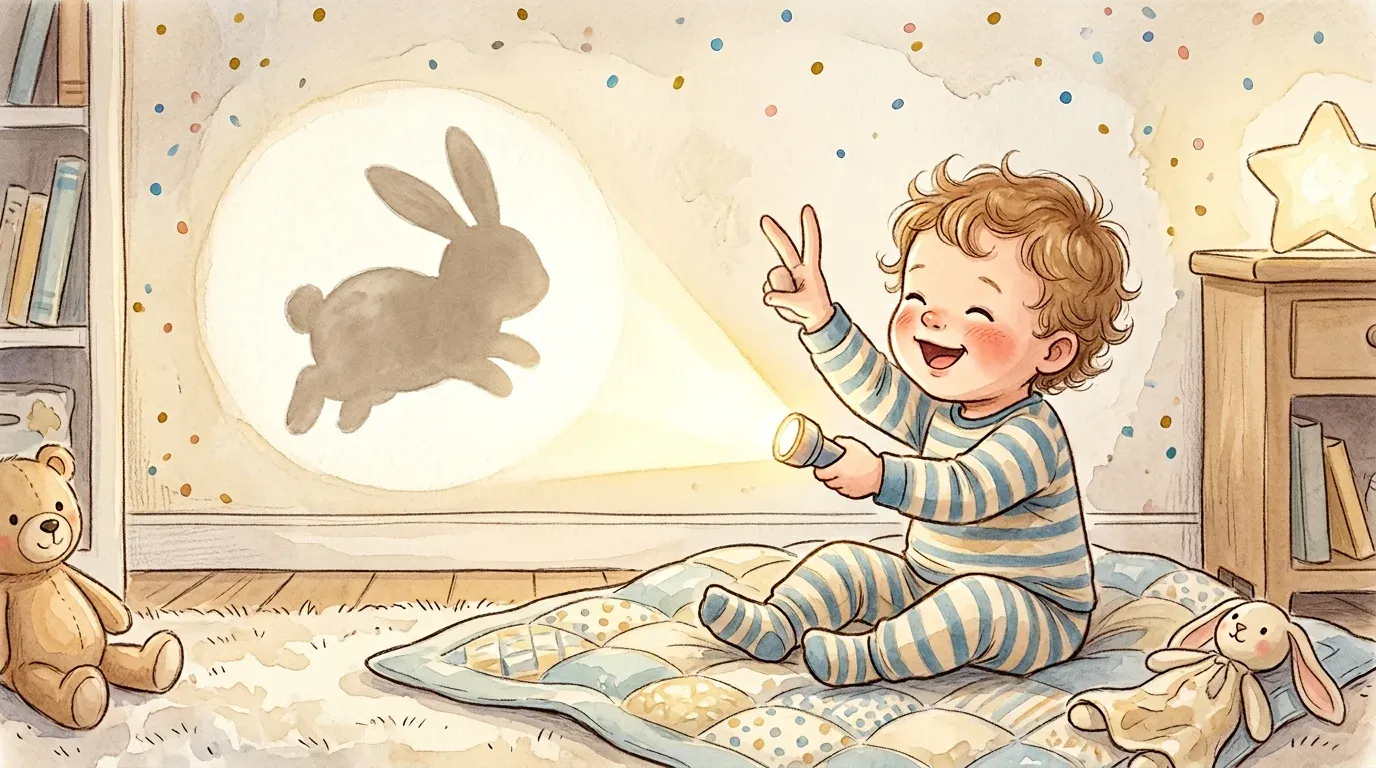
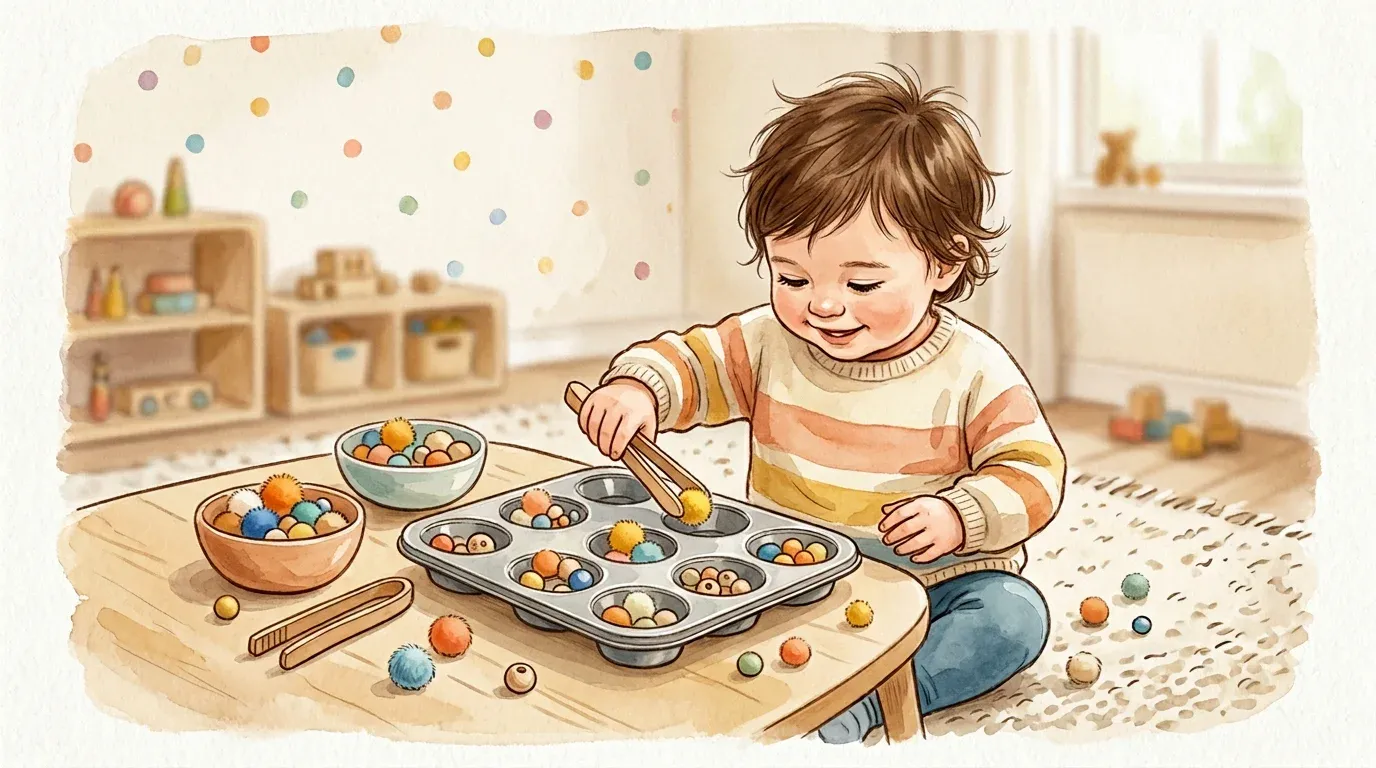
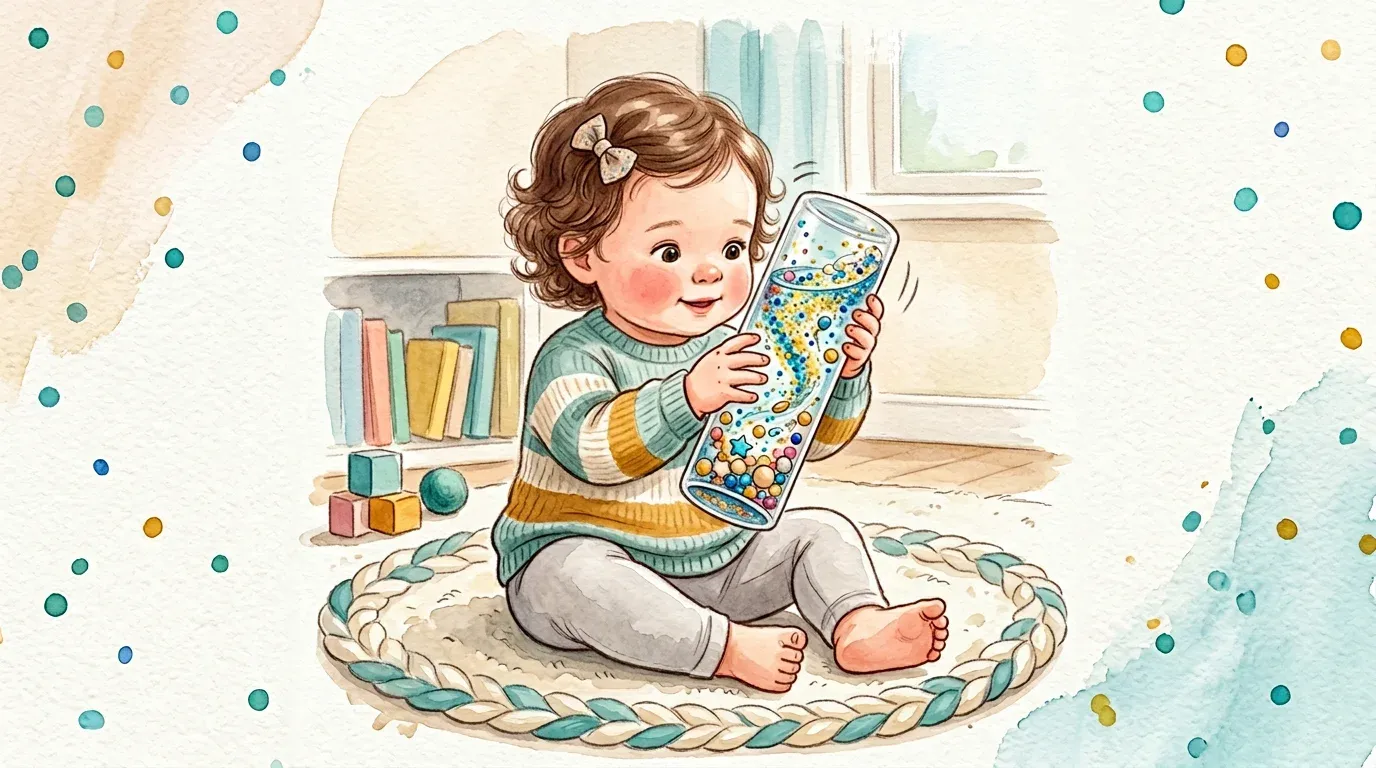
Quick-Swap Ideas: Screen Time Replacements
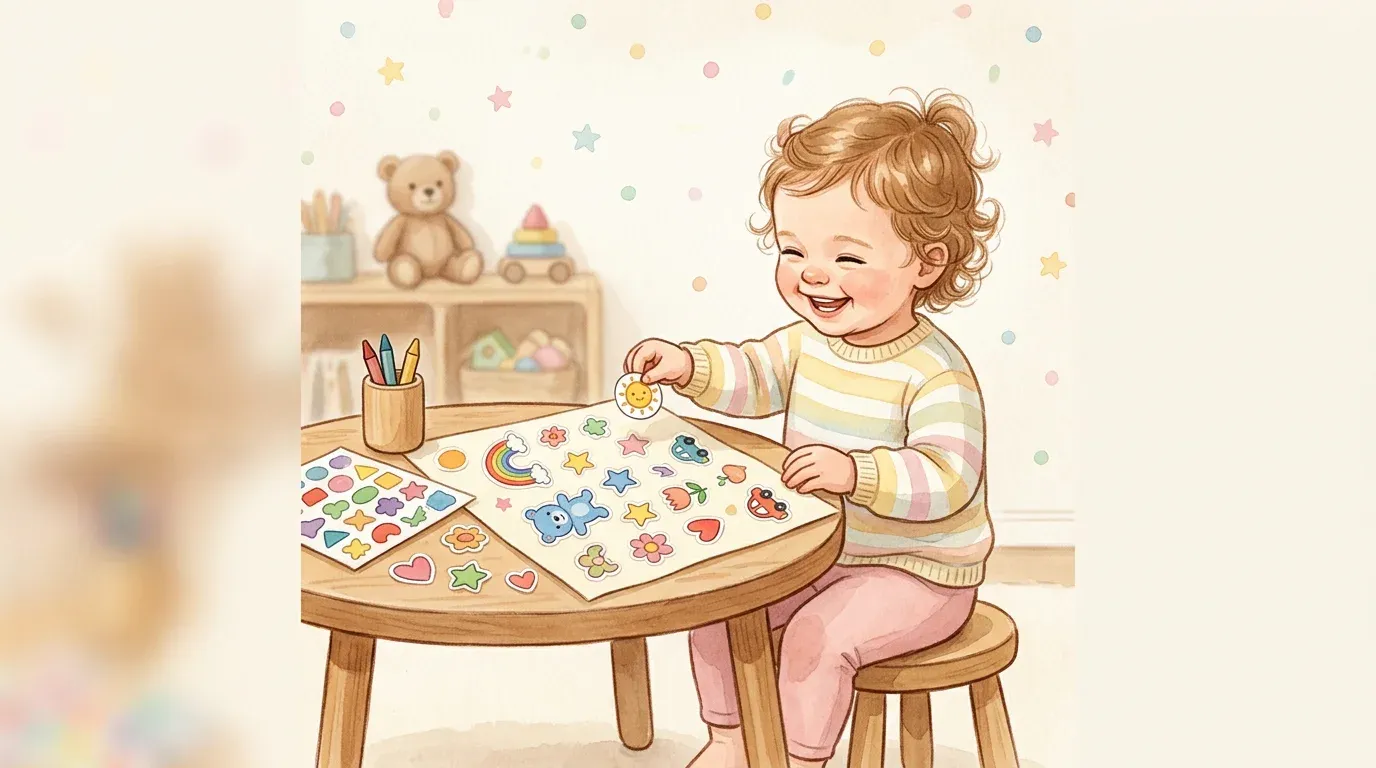
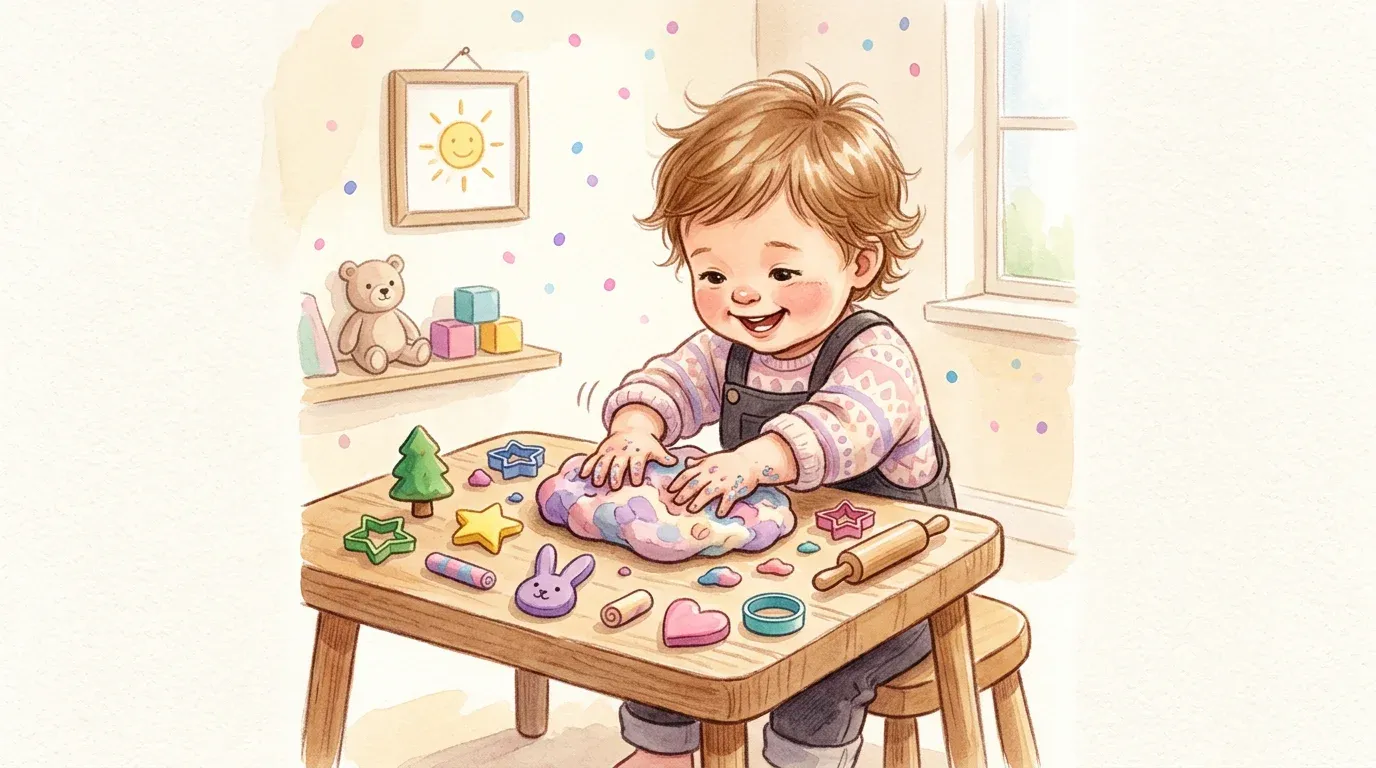
Next time you reach for the tablet, try one of these instead. Each takes under 2 minutes to set up.
Frequently Asked Questions
Is all screen time equally bad for toddlers?▾
No. The AAP distinguishes between passive consumption (watching videos alone) and interactive, co-viewed content. A parent watching an educational show with their toddler and discussing it is very different from handing over a tablet. Video calls with grandparents are also considered positive screen use at any age.
My toddler watches more than 1 hour a day. Should I panic?▾
No. Guidelines are targets, not rigid rules. What matters more than exact minutes is: (1) Is it replacing physical play and face-to-face interaction? (2) Is it passive or interactive? (3) Are screen-free activities available too? Gradual reduction works better than cold turkey. Replace one screen session at a time with a 5-minute activity.
What counts as "educational" content for toddlers?▾
Slow-paced, simple programs with real human interactions (like Sesame Street or Bluey) are better than fast-paced cartoons. The AAP specifically recommends content that encourages interaction, uses familiar scenarios, and has a clear narrative structure. Avoid apps marketed as "educational" that are really just flashy stimulus.
How do I reduce screen time without constant tantrums?▾
Give warnings before transitions ("Two more minutes, then we turn it off and do something fun"). Have an activity ready to go. Don't just take the screen away. Involve your child in choosing: "Should we do stickers or play dough next?" Consistency matters more than perfection.
Are educational apps worth it for 2-3 year olds?▾
Research consistently shows toddlers learn more effectively from hands-on activities than from any app. A 2-year-old learns more about shapes from a shape sorter toy than from a shape-matching app. If you do use apps, co-play with your child and limit to short sessions.
Ready to Replace Screen Time?
Browse screen-free activities by age, duration, or energy level. All zero-prep.
Sources
- World Health Organization, Guidelines on Physical Activity, Sedentary Behaviour and Sleep for Children Under 5 (2019)
- American Academy of Pediatrics, Council on Communications and Media: Media Use in School-Aged Children and Adolescents (2016, updated 2023)
- Madigan et al., “Association Between Screen Time and Children's Performance on a Developmental Screening Test” JAMA Pediatrics (2019)
- Radesky & Christakis, “Increased Screen Time: Implications for Early Childhood Development and Behavior” Pediatric Clinics (2016)
- National Association for the Education of Young Children (NAEYC), Technology and Interactive Media Position Statement (2012, updated 2022)