All Activities
123 activities so far. All simple, all using household items.
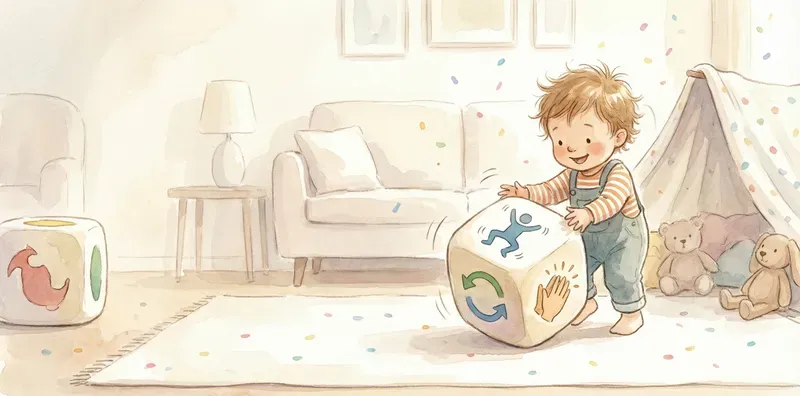
Action Dice Game
- Age
- 2–6 years
- Time
- 10–20 min
- Energy
- Hands-on
- Setting
- Indoor
You'll need: Paper cube or dice, Markers

Alphabet Freeze Dance
- Age
- 2–6 years
- Time
- 10–20 min
- Energy
- Hands-on
- Setting
- Indoor
You'll need: Music (phone or speaker), Clear floor space
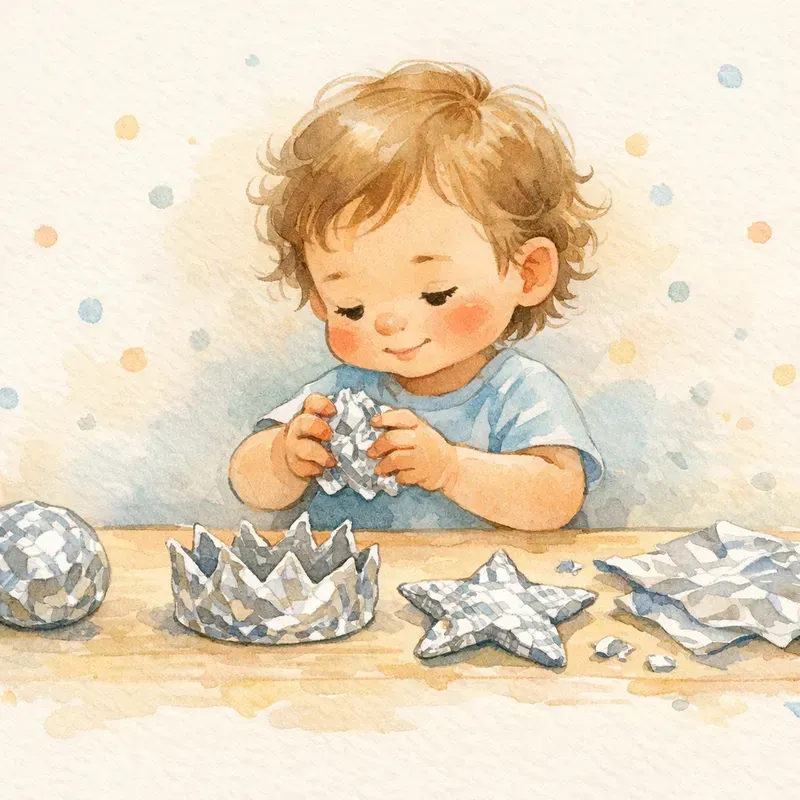
Aluminum Foil Sculptures
- Age
- 3–6 years
- Time
- 10–25 min
- Energy
- Low-energy
- Mess
- No mess
You'll need: Aluminum foil, Scissors (adult use)
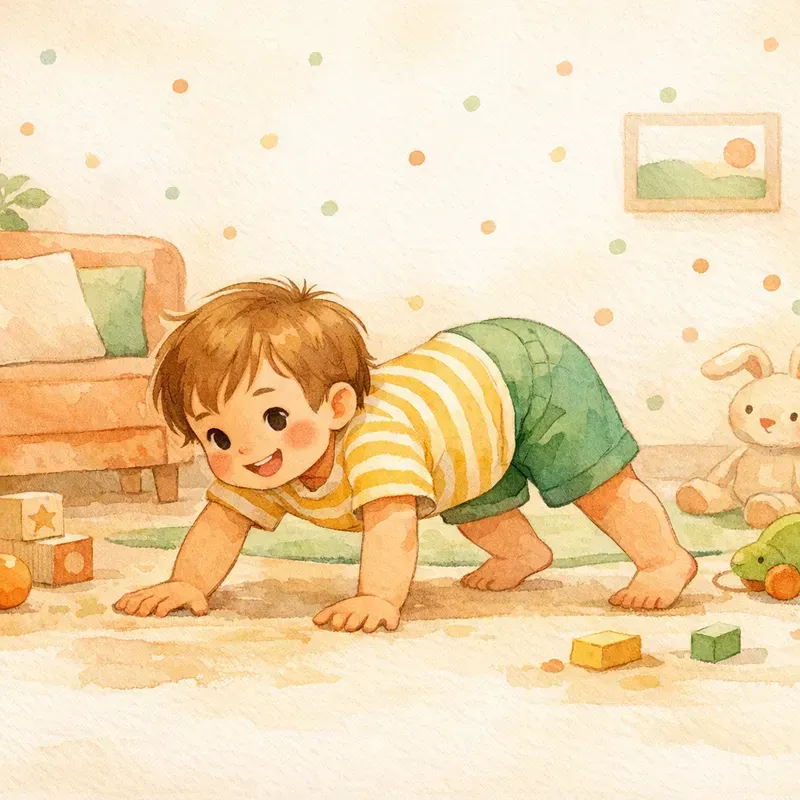
Animal Walks
- Age
- 2–5 years
- Time
- 5–15 min
- Energy
- Hands-on
- Setting
- Indoor
You'll need: Clear floor space
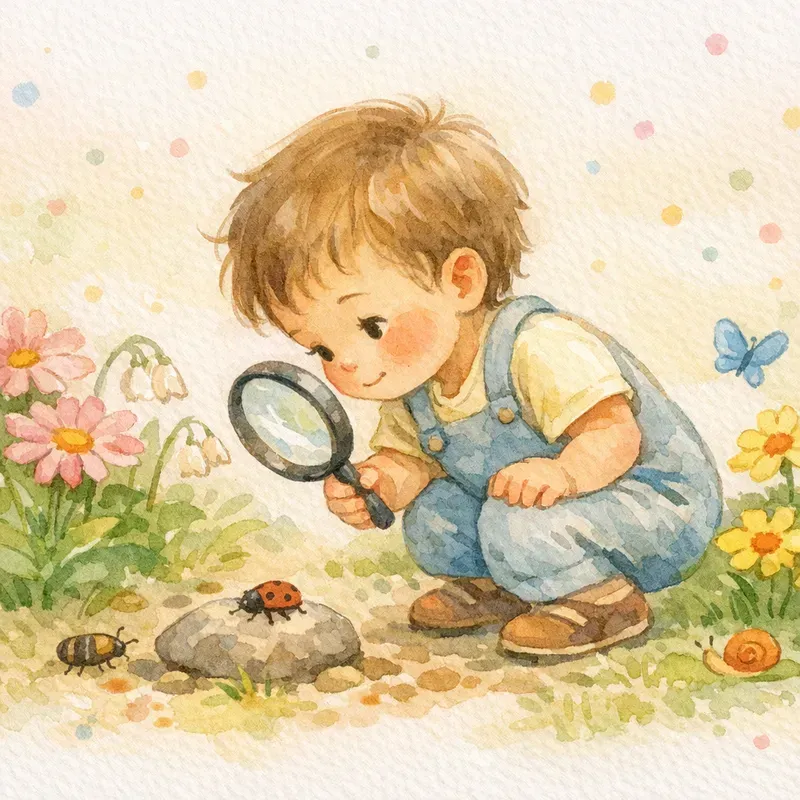
Backyard Bug Hunt
- Age
- 2–6 years
- Time
- 15–30 min
- Energy
- Hands-on
- Setting
- Outdoor
You'll need: Magnifying glass (optional), Container for temporary observation, Nature area

Backyard Cloud Watching
- Age
- 2–6 years
- Time
- 10–30 min
- Energy
- Low-energy
- Mess
- No mess
You'll need: Blanket to lie on, Sunglasses (optional)

Backyard Nature Hunt
- Age
- 2–6 years
- Time
- 15–30 min
- Energy
- Hands-on
- Setting
- Outdoor
You'll need: Bag or bucket for collecting, Magnifying glass (optional)
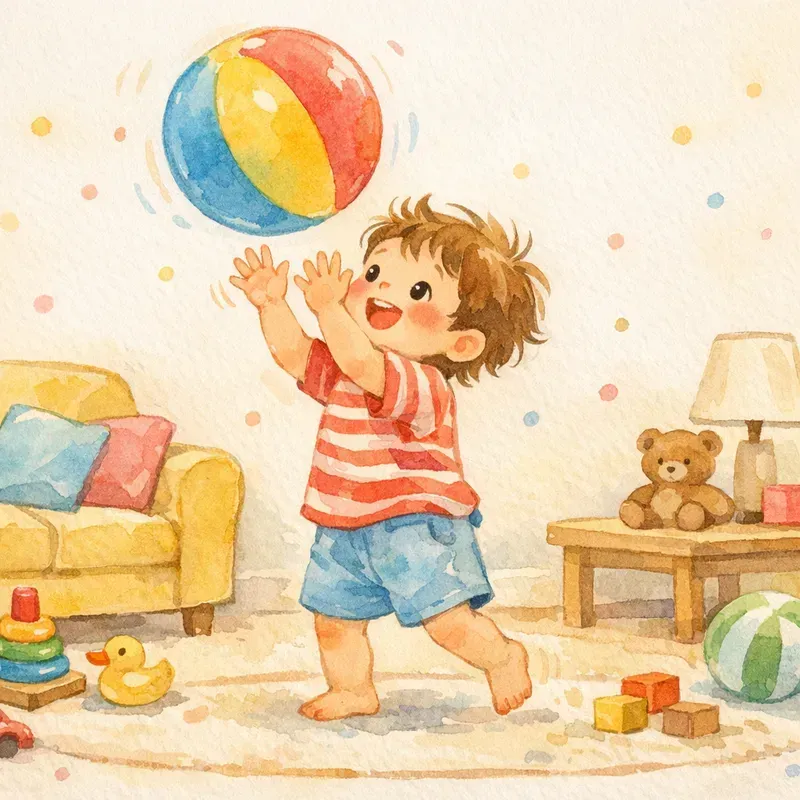
Balloon Keep Up
- Age
- 2–6 years
- Time
- 5–15 min
- Energy
- Hands-on
- Setting
- Indoor
You'll need: Balloon (inflated)
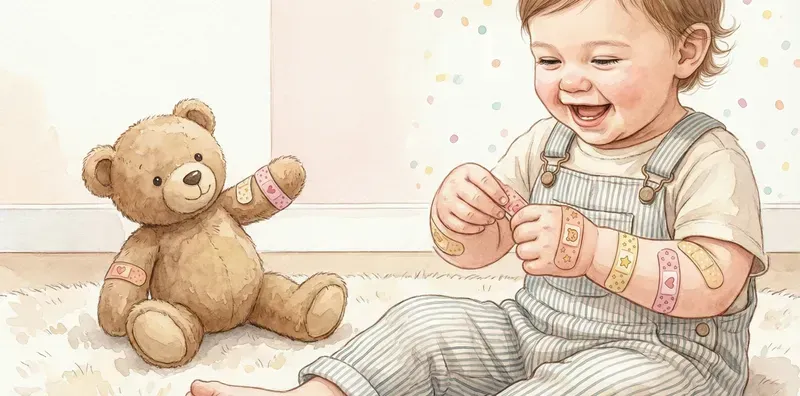
Band-Aid Practice Game
- Age
- 2–4 years
- Time
- 10–20 min
- Energy
- Low-energy
- Mess
- No mess
You'll need: Dollar store band-aids, Stuffed animals or dolls, Markers (optional for boo-boos)
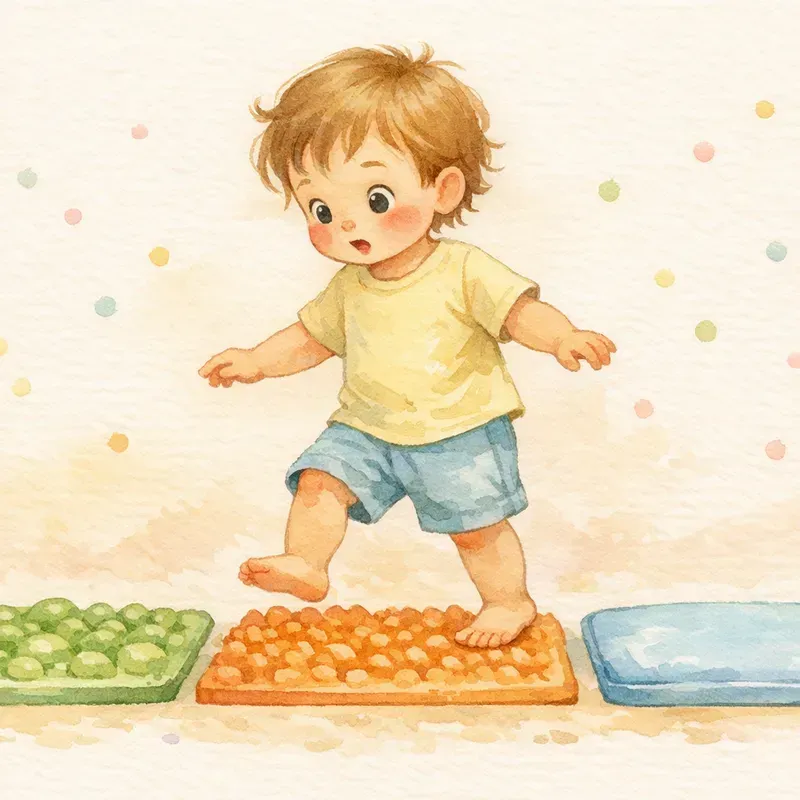
Barefoot Texture Walk
- Age
- 1–4 years
- Time
- 10–20 min
- Energy
- Hands-on
- Mess
- Some mess
You'll need: Bubble wrap, Towel, Aluminum foil +2 more

Bath Tub Paint
- Age
- 1–5 years
- Time
- 15–30 min
- Energy
- Low-energy
- Mess
- Some mess
You'll need: Shaving cream, Food coloring, Bath tub
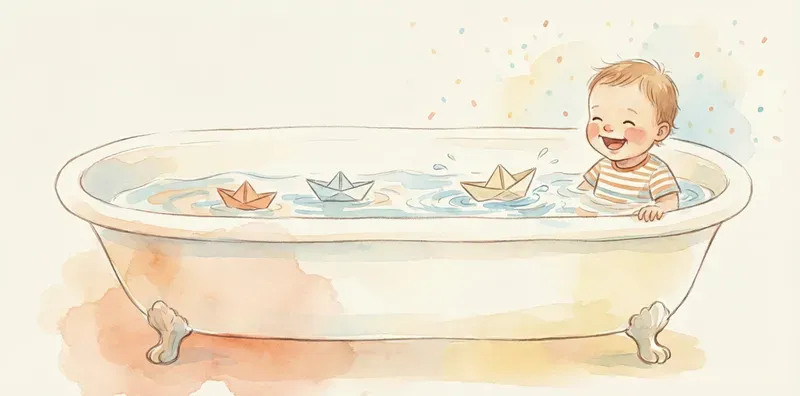
Bathtub Boat Races
- Age
- 1–5 years
- Time
- 10–25 min
- Energy
- Low-energy
- Mess
- Some mess
You'll need: Sponges or corks, Toothpicks and paper for sails, Bathtub with water
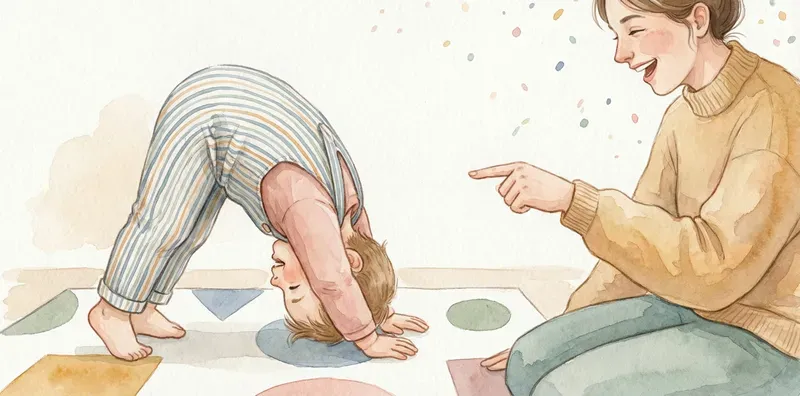
Body Letter Making
- Age
- 3–6 years
- Time
- 10–20 min
- Energy
- Hands-on
- Setting
- Indoor
You'll need: Clear floor space, Letter cards (optional), Music player (optional, for freeze dance version)

Bubble Wrap Stomp
- Age
- 1–5 years
- Time
- 5–15 min
- Energy
- Low-energy
- Mess
- Some mess
You'll need: Bubble wrap, Tape (optional)

Button Art Pictures
- Age
- 3–6 years
- Time
- 15–30 min
- Energy
- Low-energy
- Mess
- Some mess
You'll need: Various buttons, Paper, Glue +1 more
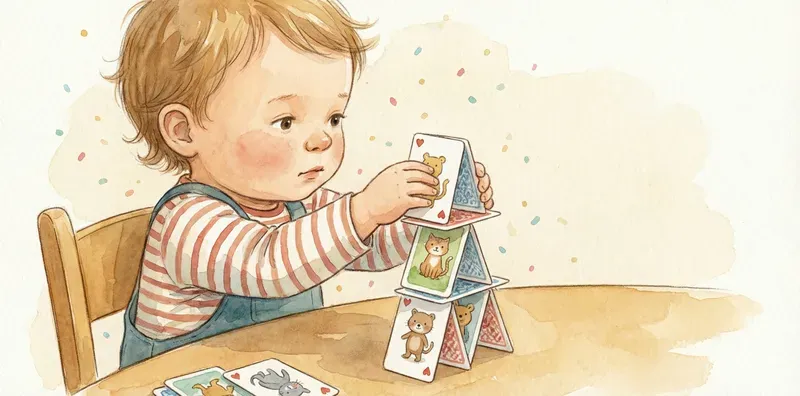
Card Tower Building
- Age
- 3–6 years
- Time
- 10–25 min
- Energy
- Low-energy
- Mess
- No mess
You'll need: Deck of playing cards, Flat surface
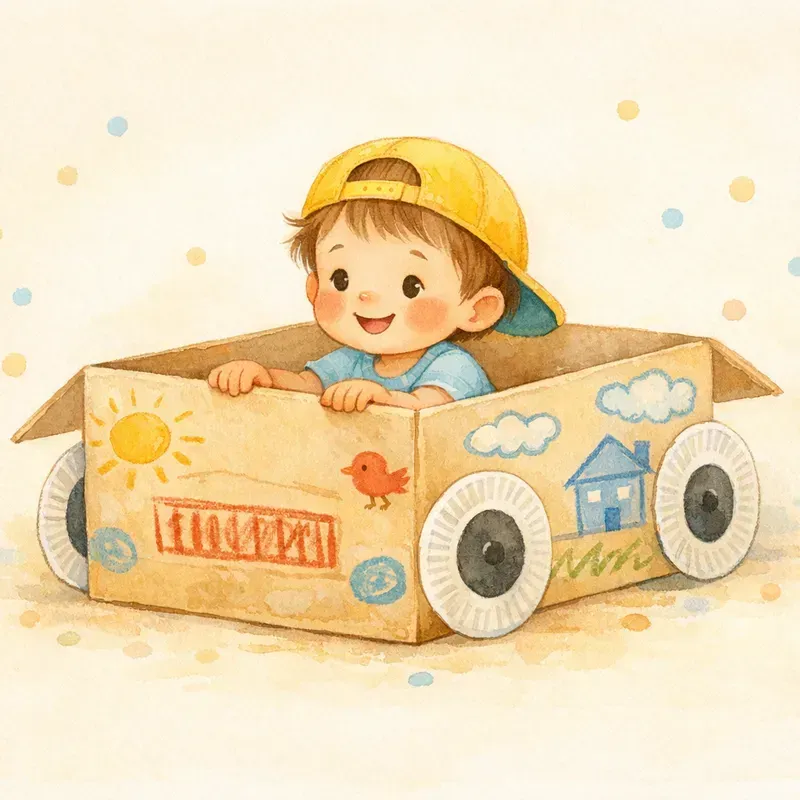
Cardboard Box Car
- Age
- 1–4 years
- Time
- 10–20 min
- Energy
- Low-energy
- Mess
- No mess
You'll need: Large cardboard box, Crayons or markers, Paper plates (optional wheels)
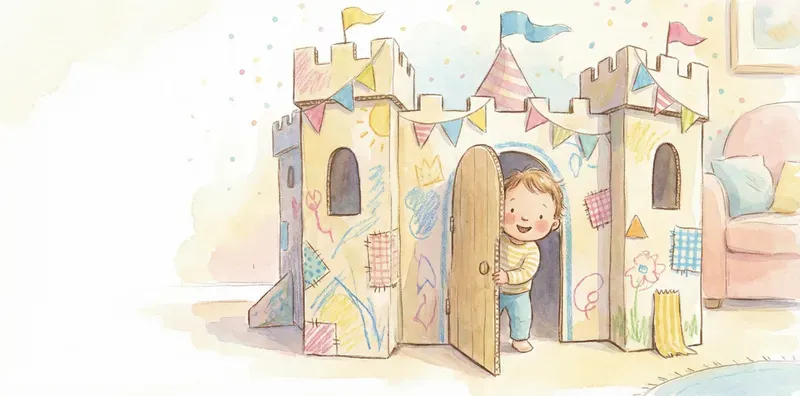
Cardboard Box Castle
- Age
- 2–6 years
- Time
- 20–45 min
- Energy
- Hands-on
- Setting
- Indoor
You'll need: Large cardboard box, Scissors (adult), Markers +1 more
Browse activity collections
By season
By interest
By age