Play ideas
Gross Motor Activities for 2-Year-Olds
Two-year-olds are walking machines who’ve discovered running, jumping, and climbing on everything. Gross motor play gives that boundless energy somewhere useful to go, and saves your furniture in the process.
These ideas channel the big movements they crave: jumping off a low step, kicking and throwing a ball, balancing along a line of tape, crawling through an obstacle course. Great for the indoor days when "go outside" isn’t an option.
You barely need equipment. A roll of tape for floor lines, cushions for an obstacle course, a soft ball, a low step to jump from. Energy out, coordination up, mood reset.
Featured gross motor for 2-year-olds
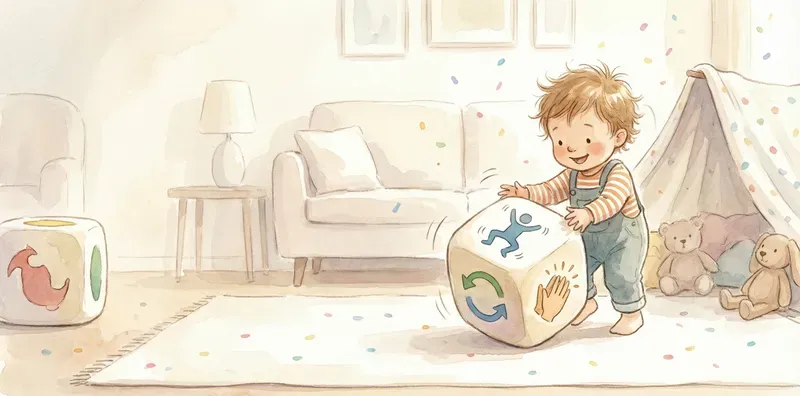
Action Dice Game
- Age
- 2–6 years
- Time
- 10–20 min
- Energy
- Hands-on
- Setting
- Indoor
You'll need: Paper cube or dice, Markers
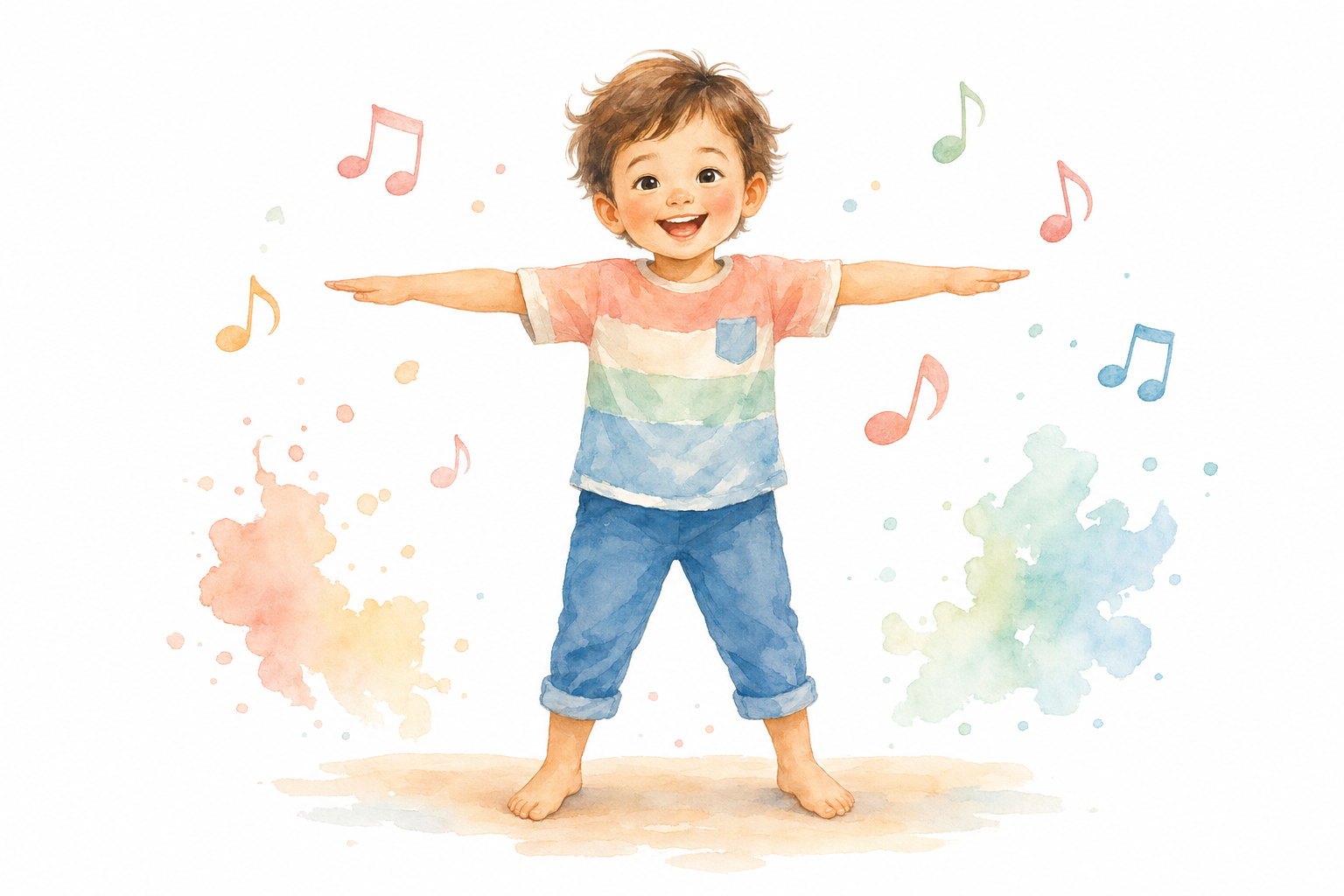
Alphabet Freeze Dance
- Age
- 2–6 years
- Time
- 10–20 min
- Energy
- Hands-on
- Setting
- Indoor
You'll need: Music (phone or speaker), Clear floor space
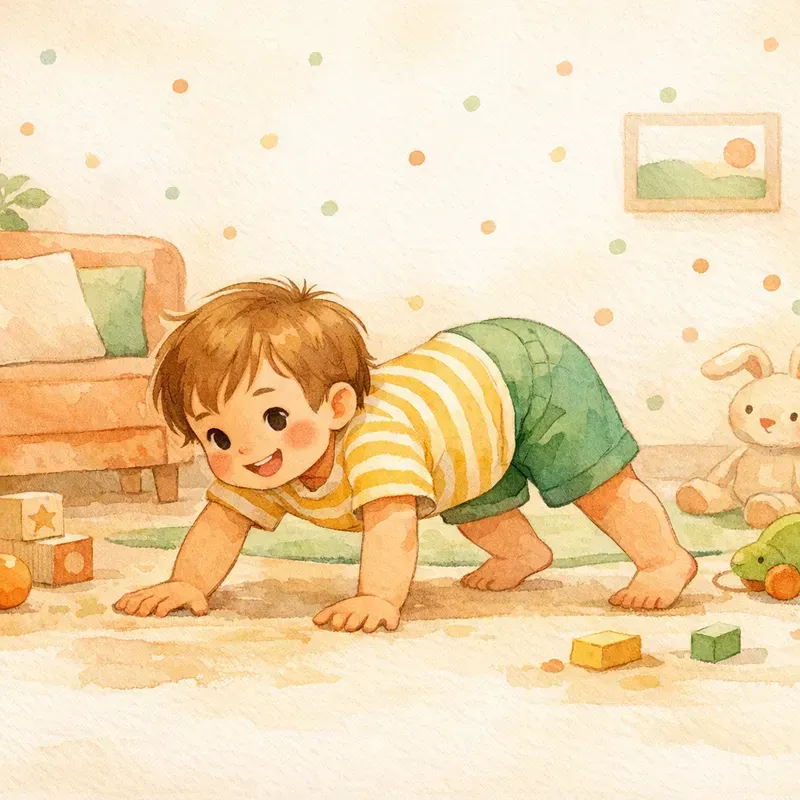
Animal Walks
- Age
- 2–5 years
- Time
- 5–15 min
- Energy
- Hands-on
- Setting
- Indoor
You'll need: Clear floor space
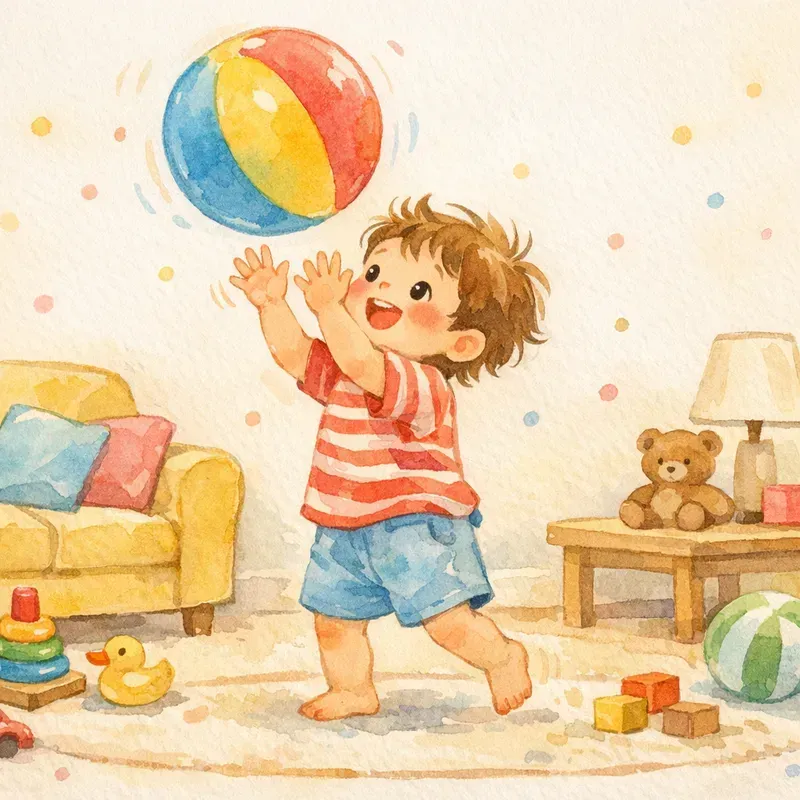
Balloon Keep Up
- Age
- 2–6 years
- Time
- 5–15 min
- Energy
- Hands-on
- Setting
- Indoor
You'll need: Balloon (inflated)
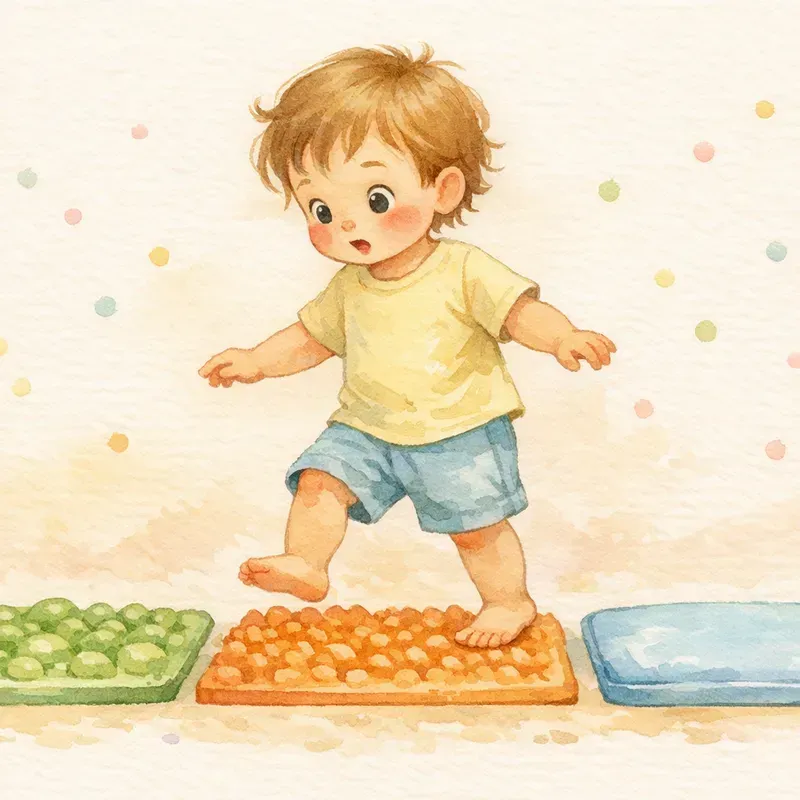
Barefoot Texture Walk
- Age
- 1–4 years
- Time
- 10–20 min
- Energy
- Hands-on
- Mess
- Some mess
You'll need: Bubble wrap, Towel, Aluminum foil +2 more
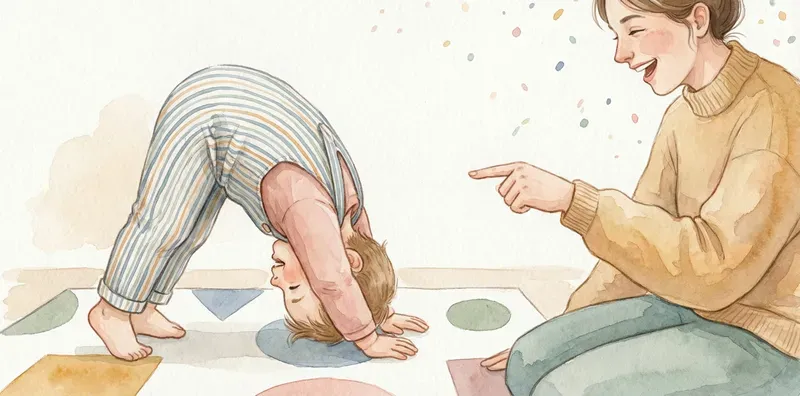
Body Letter Making
- Age
- 3–6 years
- Time
- 10–20 min
- Energy
- Hands-on
- Setting
- Indoor
You'll need: Clear floor space, Letter cards (optional), Music player (optional, for freeze dance version)
Tips for Gross Motor at Two
- 1Build an obstacle course. Cushions to climb, a tunnel to crawl, a line to balance. It burns serious energy and they’ll want to repeat it.
- 2Tape lines on the floor. Walking, jumping, and hopping along tape builds balance and gives an active game zero setup.
- 3Use a soft ball indoors. Rolling, kicking, and throwing builds coordination; a balloon is the slow-motion indoor version.
- 4Move before calm. A burst of big movement before a meal or quiet time helps a two-year-old settle afterwards.
More ideas in this collection
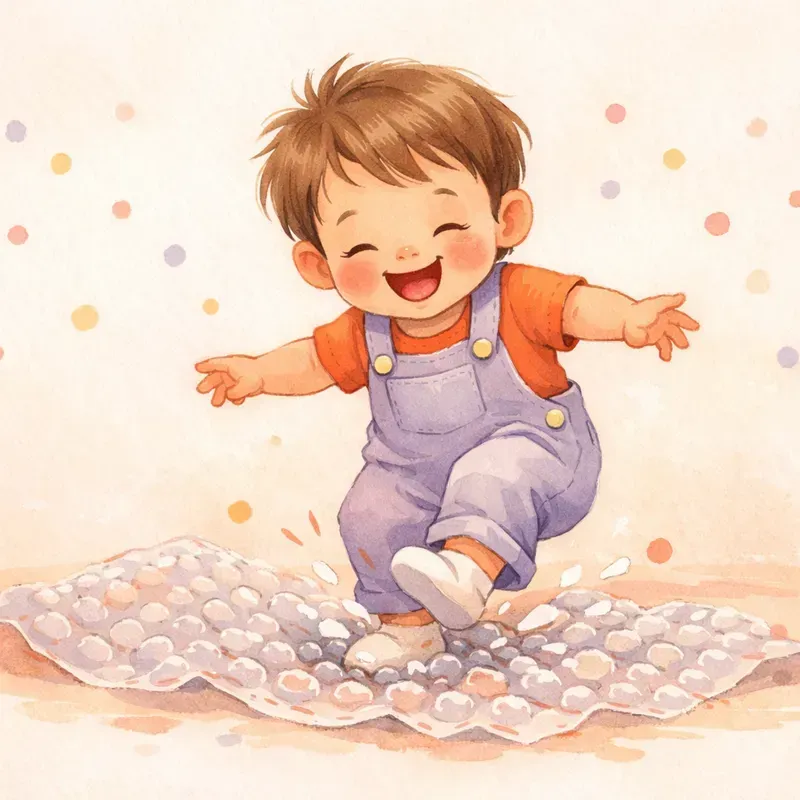
Bubble Wrap Stomp
1–5 years · 5–15 min · Indoor · Low energy
Gross motor movement releases energy while the popping provides satisfying sensory feedback.
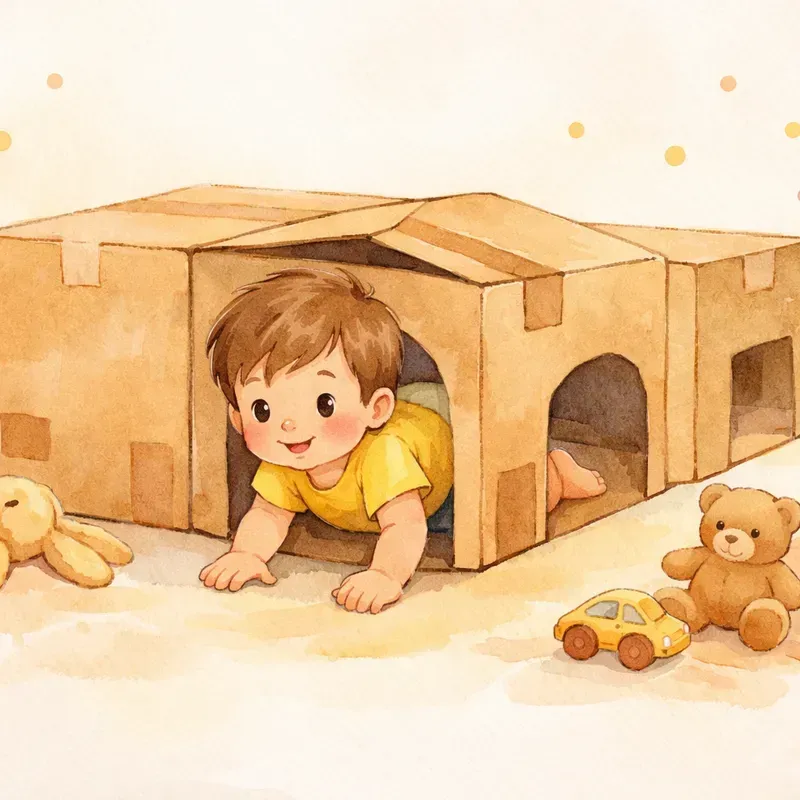
Cardboard Box Tunnel
1–4 years · 10–25 min · Indoor · Low energy
Crawling through a tunnel builds spatial awareness and core strength, and the in-one-end, out-the-other novelty keeps younger toddlers going back to it again and again.
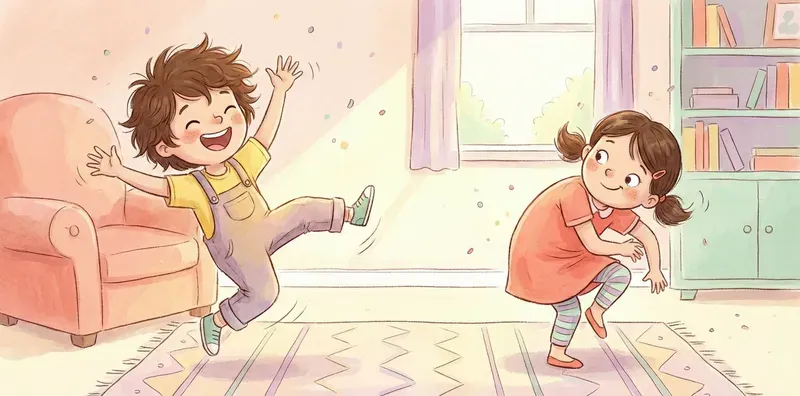
Dance and Freeze
1–6 years · 5–15 min · Indoor
Freeze dance is impulse control practice hiding inside a dance party. Stopping their body the instant the music cuts out is exactly the self-regulation skill toddlers need for waiting, listening, and handling transitions, and the constant start-stop holds their attention far longer than free dancing alone. It also burns real energy, so it doubles as a reset when the walls start closing in.
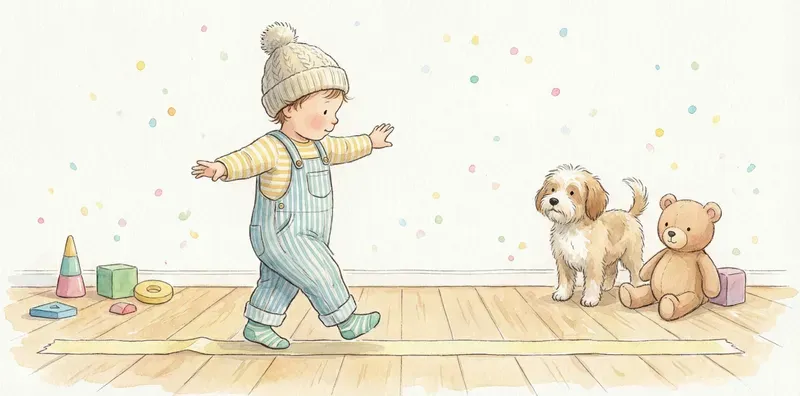
Floor Balance Beam
2–5 years · 5–15 min · Indoor · Low energy
Balance practice builds core strength and body awareness.
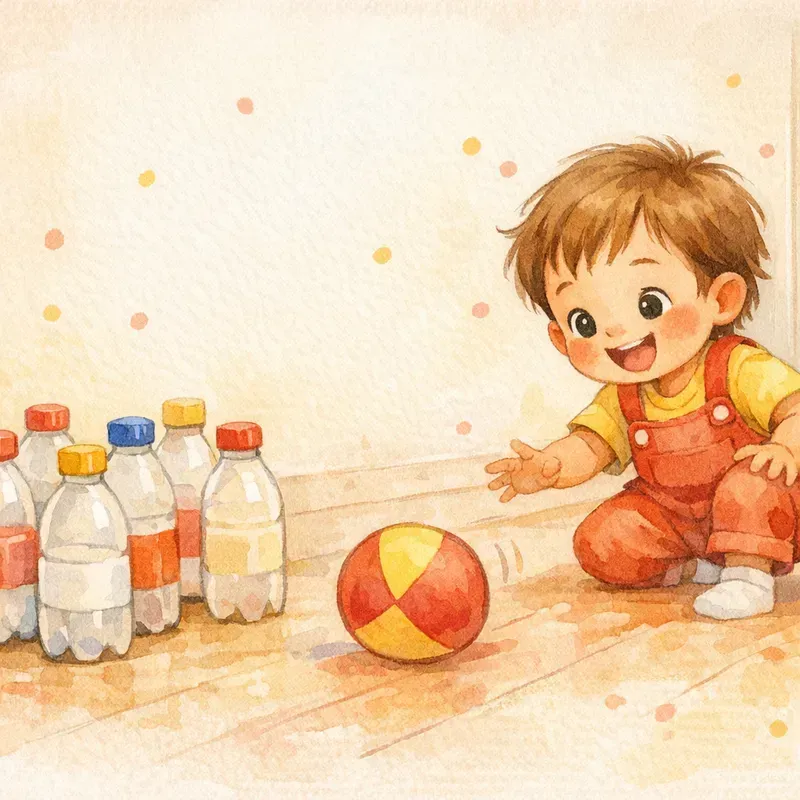
Indoor Bowling
2–6 years · 10–20 min · Indoor · Low energy
Develops hand-eye coordination and basic counting in a game format.
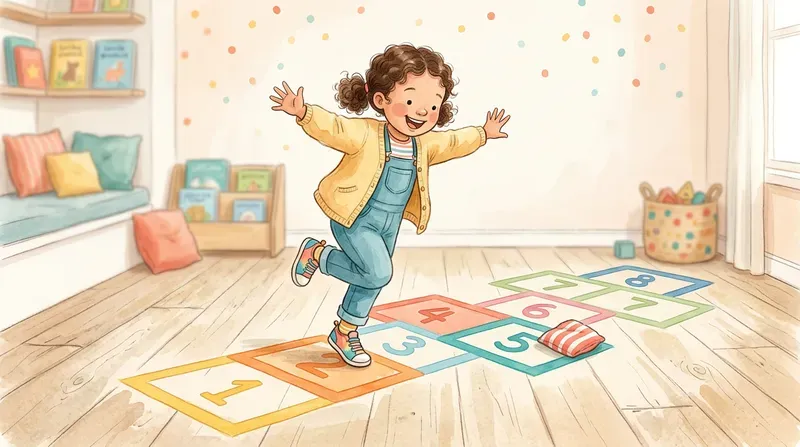
Indoor Hopscotch
2–6 years · 10–20 min · Indoor
Hopscotch builds balance, coordination, and leg strength while sneaking in number recognition and counting. The single-leg hopping is genuinely challenging for toddlers and preschoolers, they concentrate hard, which means they stay engaged. The tape grid stays put for days, so you set it up once and get multiple play sessions.
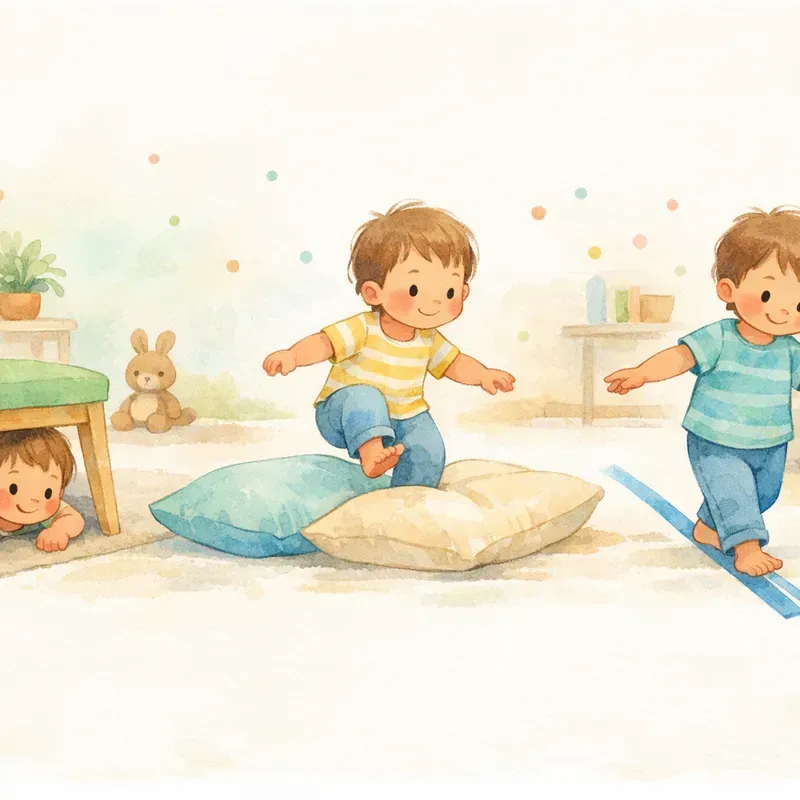
Living Room Obstacle Course
2–5 years · 15–30 min · Indoor
Following a sequence builds planning skills while burning lots of energy.
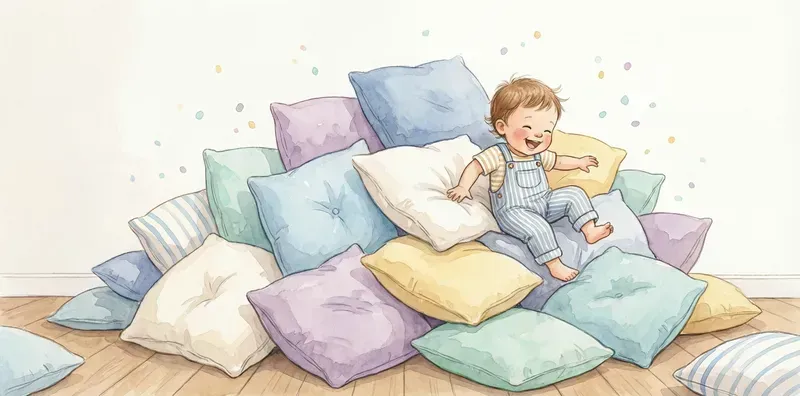
Pillow Mountain Climb
1–3 years · 10–20 min · Indoor · Low energy
Physical challenge builds confidence and burns energy safely indoors.
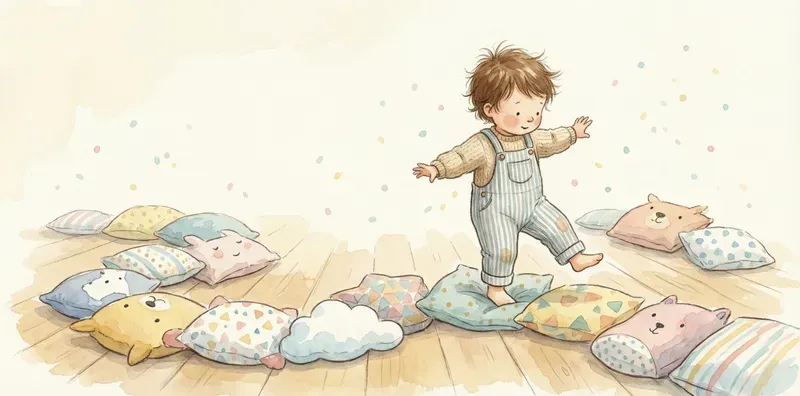
Pillow Stepping Path
1–4 years · 10–20 min · Indoor · Low energy
Balance challenge with low stakes makes failure fun.
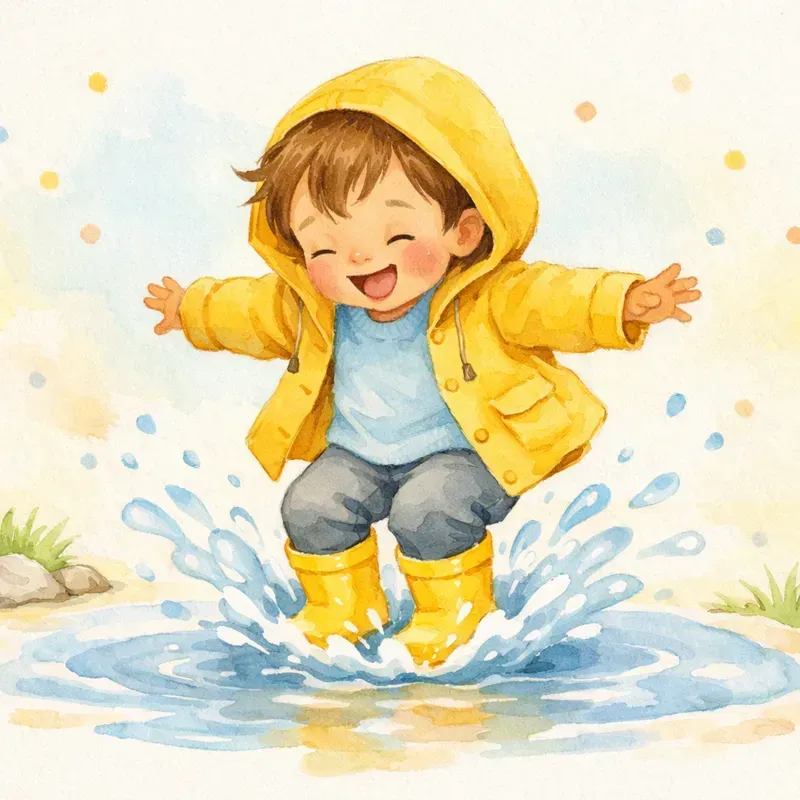
Puddle Jumping
1–6 years · 10–30 min · Outdoor
Stomping and splashing gives big sensory input and an easy way to burn energy. The rules could not be simpler, so it holds their attention with zero setup from you.
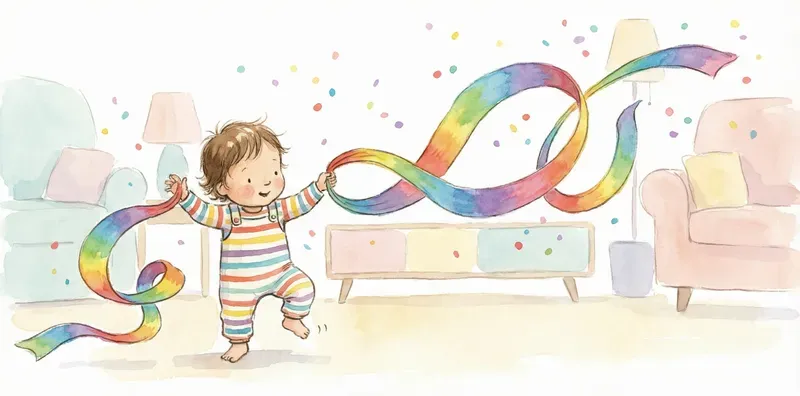
Scarf Dancing
1–4 years · 5–15 min · Indoor
Flowing fabric adds visual interest to movement while teaching rhythm.
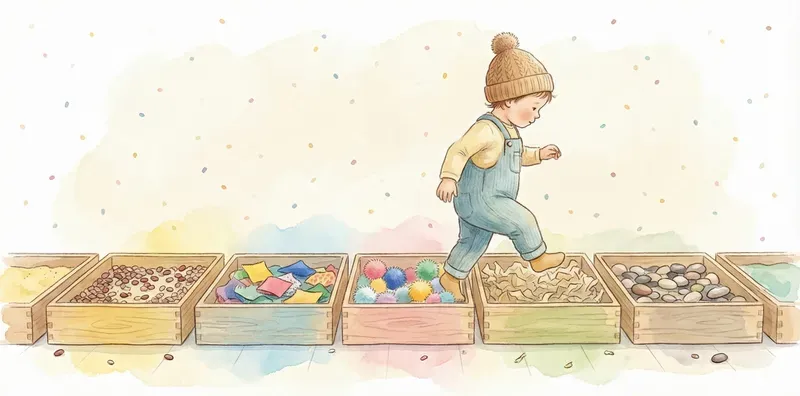
Sensory Box Walk
1–4 years · 15–25 min · Indoor
Multi-sensory experience builds vocabulary and body awareness.
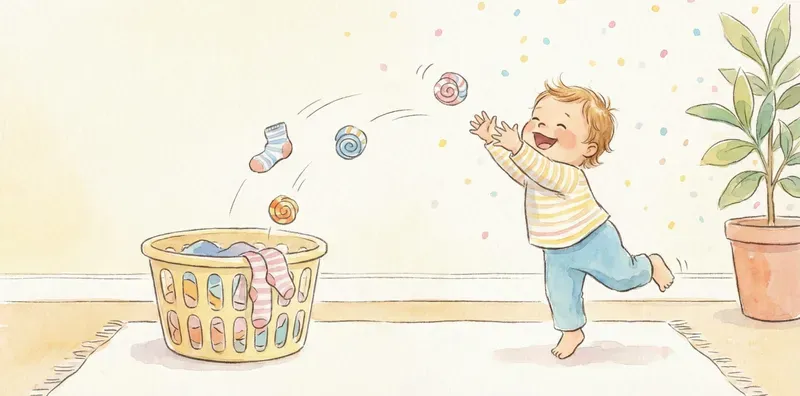
Sock Ball Basketball
2–6 years · 10–20 min · Indoor · Low energy
A soft sock ball lets kids throw, aim, and miss indoors without breaking anything, so they get real practice at throwing and hand-eye coordination in a small space.
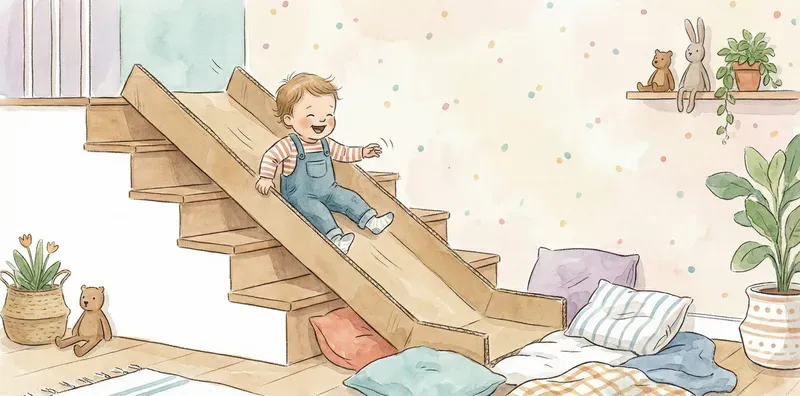
Stair Cardboard Slide
2–5 years · 10–25 min · Indoor
Sliding gives kids the big whoosh of fast movement they crave, but the carpet and cushions keep the stakes low. The climb back up and the balancing on the way down build gross motor strength, coordination, and body awareness, and the gentle speed and bumps feed the vestibular system, the sense that helps a child feel steady and grounded. It is a safer, indoor way to satisfy the urge to climb and launch off things.
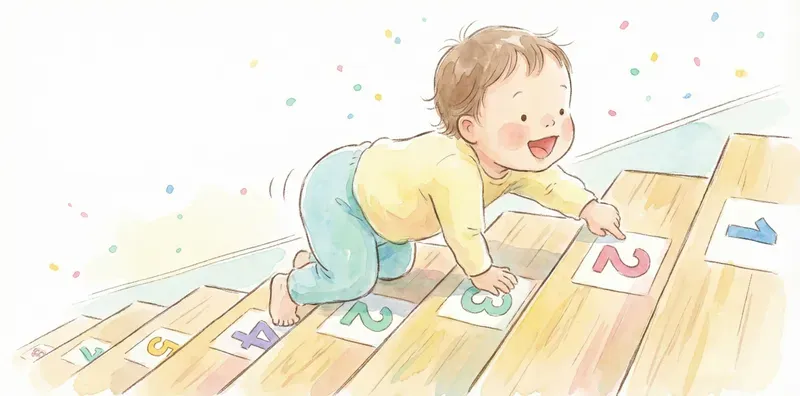
Stair Counting Game
1–4 years · 5–15 min · Indoor
Physical movement reinforces number learning naturally.
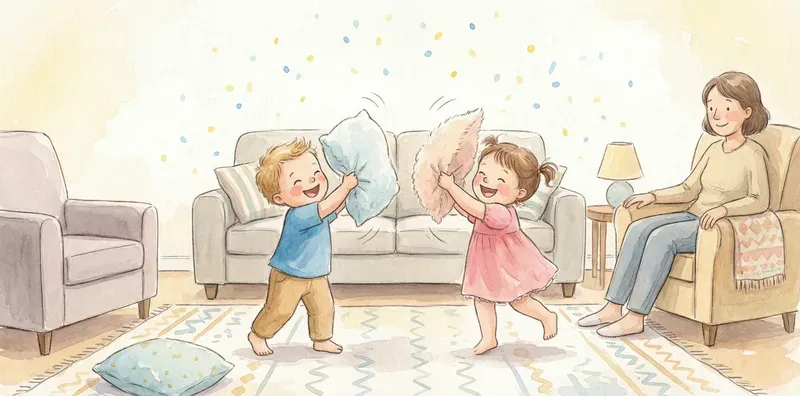
Supervised Pillow Fight
3–6 years · 5–15 min · Indoor
Physical play and laughter release tension and build bonds.
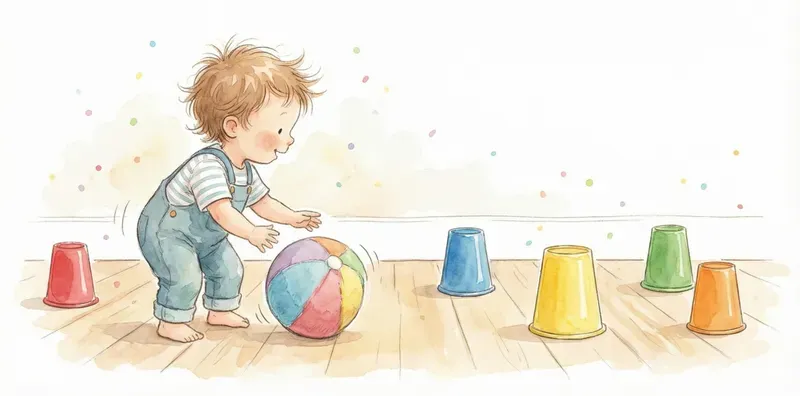
Target Ball Roll
1–4 years · 10–20 min · Indoor · Low energy
Rolling a ball toward a target builds hand-eye coordination, arm strength, and the concept of aim and distance, all while practicing turn-taking and patience. The sitting position makes this perfect for tired parents who can play from the couch or floor without getting up. Counting hits sneaks in early number skills.
Read
Guides for this topic
Guide
What Physical Play Actually Teaches Toddlers
Physical play builds more than energy burn. How running, climbing, and balancing develop coordination, confidence, and skills that support learning later.
Why read: A deeper, practical how-to
Guide
Indoor Gross Motor Activities (No Equipment)
Indoor gross motor activities for toddlers who need to move. Jumping, crawling, balancing, and animal walks using furniture and floor space you have.
Why read: A deeper, practical how-to
Guide
Play Dough Activities for Toddlers (That Build Hand Strength)
Play dough ideas for toddlers that build the hand strength behind writing and self-care. A no-cook recipe, simple setups by age, and mess that stays contained.
Why read: A deeper, practical how-to
Related categories
Browse by age
Questions parents ask
What gross motor activities suit a 2-year-old?
Jumping off a low step, kicking and throwing a ball, balancing along a tape line, climbing a cushion course, and dancing all suit two-year-olds. They build the balance and coordination behind running, jumping, and stairs.
How do I burn off a 2-year-old’s energy indoors?
Set up an obstacle course with cushions and tunnels, play music for a dance party, tape jumping lines on the floor, or have a balloon keepy-uppy. Short, repeated bursts of big movement work better than one long session.
Not sure where to start?
Let the generator pick a gross motor for 2-year-olds idea for you, no scrolling required.
Get an activity