Play ideas
Game Ideas for Toddlers (1–4 Years)
There comes a point every day where you’re out of activity ideas and your toddler is looking at you expectantly. Games are the answer, they need minimal setup, they’re interactive, and they fill those in-between moments when you need to actually engage with them for a bit.
Toddler games are simple by necessity, hide and seek, chasing, matching pairs, "I spy" variations. They’re learning turn-taking, rules, winning and losing (badly), and how to play with another person. These are foundational social skills.
The best toddler games need nothing except you and maybe a few household objects. No board games required yet (those rules are too complex). Just simple, repeatable, physical or cognitive games that you can play anywhere.
Featured game ideas
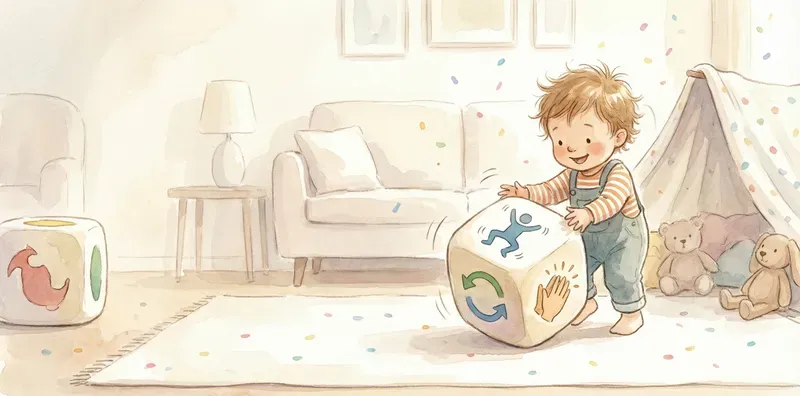
Action Dice Game
- Age
- 2–6 years
- Time
- 10–20 min
- Energy
- Hands-on
- Setting
- Indoor
You'll need: Paper cube or dice, Markers
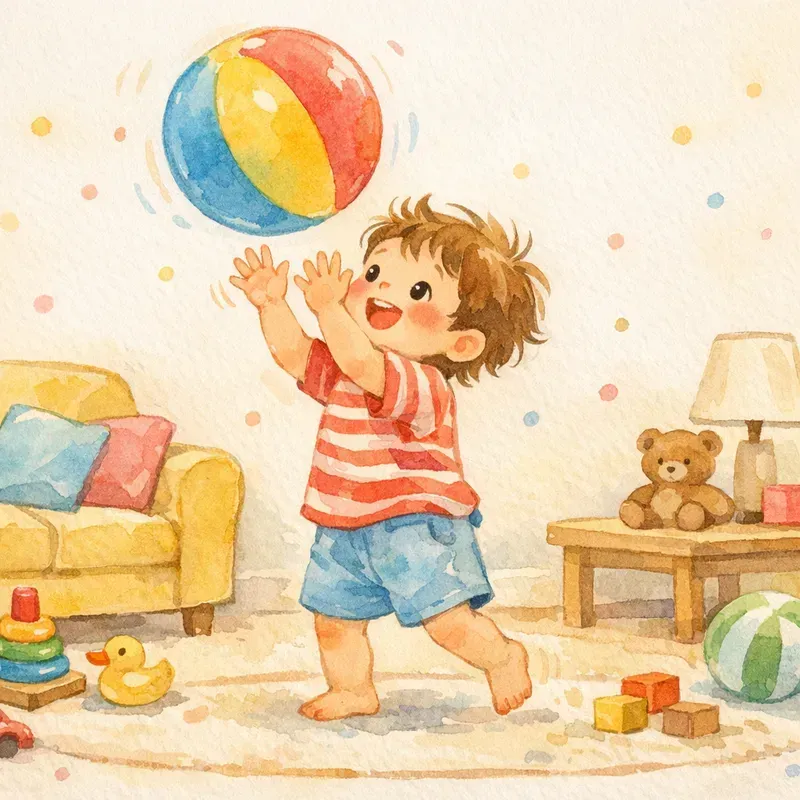
Balloon Keep Up
- Age
- 2–6 years
- Time
- 5–15 min
- Energy
- Hands-on
- Setting
- Indoor
You'll need: Balloon (inflated)
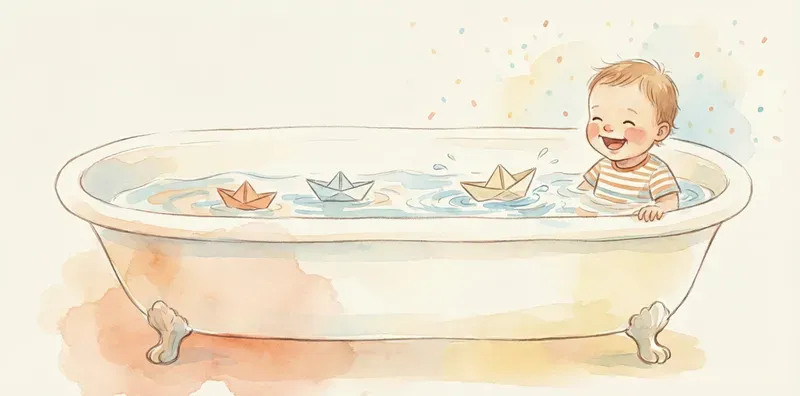
Bathtub Boat Races
- Age
- 1–5 years
- Time
- 10–25 min
- Energy
- Low-energy
- Mess
- Some mess
You'll need: Sponges or corks, Toothpicks and paper for sails, Bathtub with water
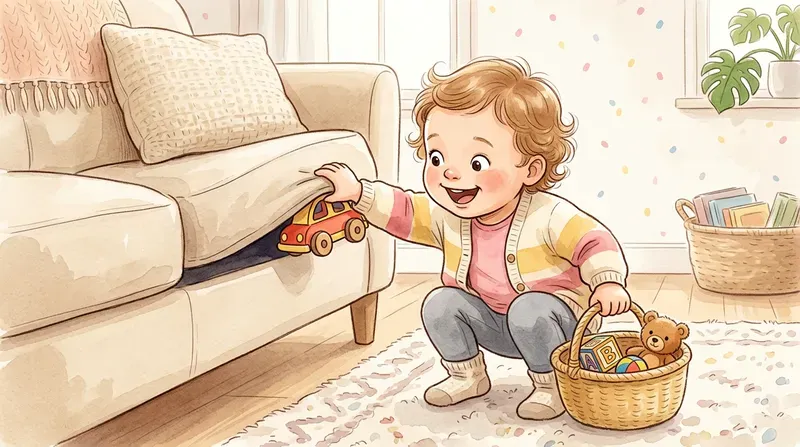
Counting Treasure Hunt
- Age
- 2–5 years
- Time
- 10–20 min
- Energy
- Hands-on
- Setting
- Indoor
You'll need: Small toys or objects (blocks, cars, stuffed animals), Paper with numbers written on it (optional), Bag or basket for collecting
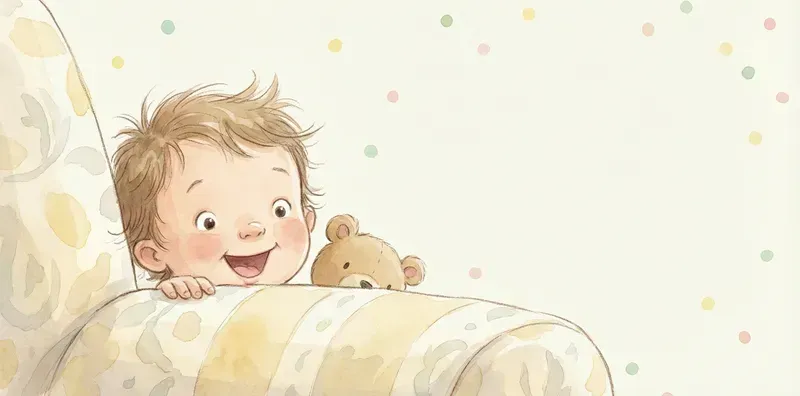
Hide and Seek Toys
- Age
- 1–4 years
- Time
- 10–20 min
- Energy
- Low-energy
- Setting
- Indoor
You'll need: 3-5 small toys or objects, Rooms to hide them in
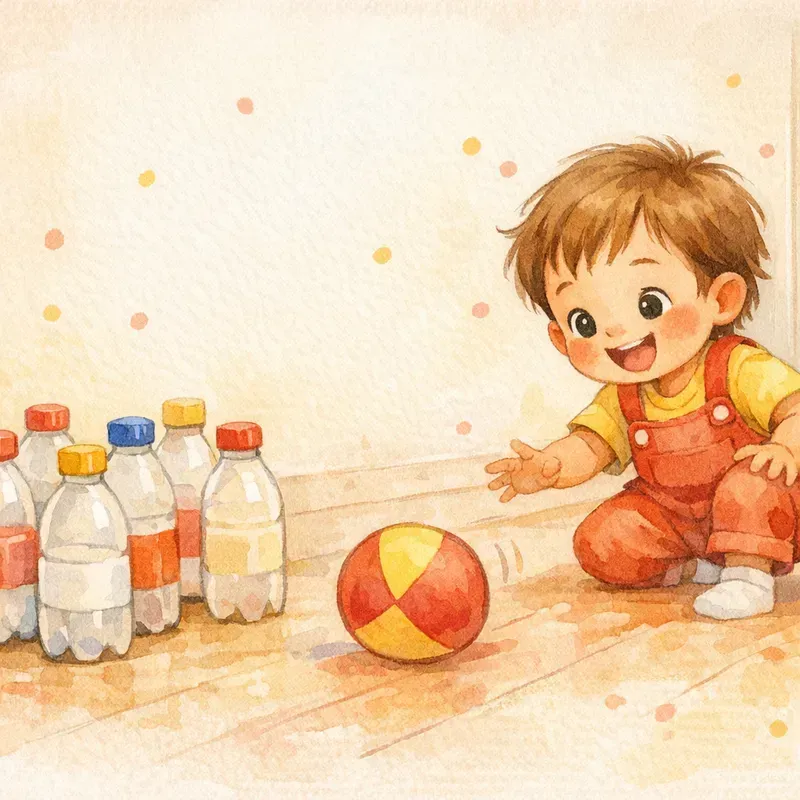
Indoor Bowling
- Age
- 2–6 years
- Time
- 10–20 min
- Energy
- Low-energy
- Setting
- Indoor
You'll need: Empty plastic bottles (6-10), Soft ball or rolled sock
Tips for Playing Games with Toddlers
- 1Let them win sometimes. They’re learning how games work, not competing. Make it easy enough that they succeed often and stay motivated.
- 2Keep rules minimal. One or two rules max. "I hide, you find me." "Match the same colours." Complexity comes later.
- 3Repeat their favourites. They’ll want to play the same game 40 times in a row. This is normal and actually how they master skills. Ride it out.
- 4Model good losing. When you "lose," show them it’s okay: "Oh well, you got me. Let’s try again." They’re watching how you handle not winning.
More ideas in this collection
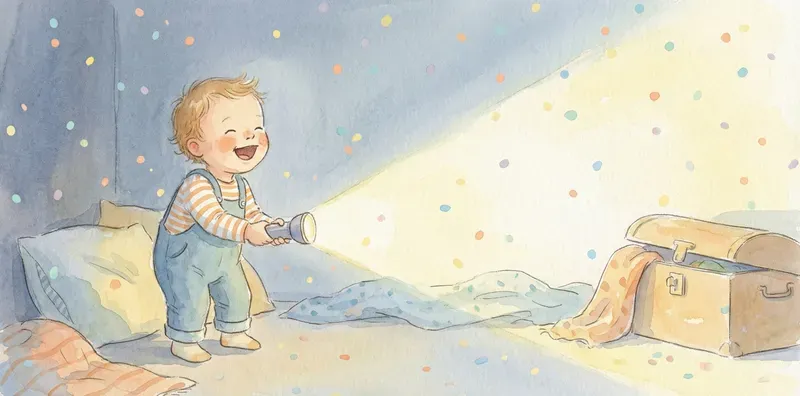
Indoor Flashlight Tag
3–6 years · 10–20 min · Indoor
All the chase-and-dodge fun of tag without much running room, so it works in a small space. Tracking and dodging the beam also builds visual focus and quick reactions.
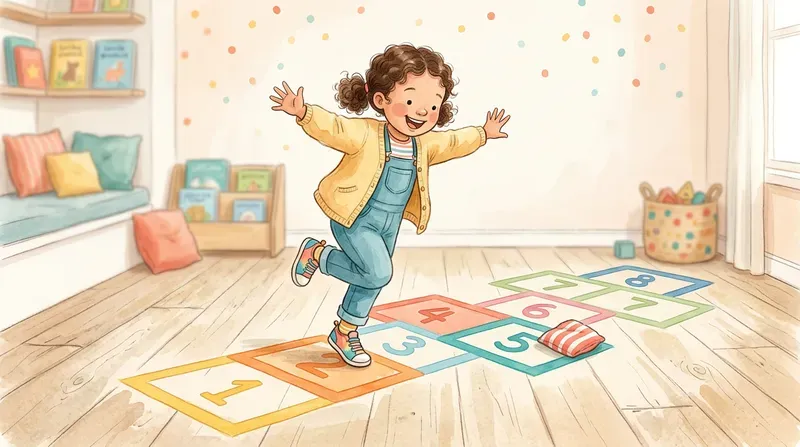
Indoor Hopscotch
2–6 years · 10–20 min · Indoor
Hopscotch builds balance, coordination, and leg strength while sneaking in number recognition and counting. The single-leg hopping is genuinely challenging for toddlers and preschoolers, they concentrate hard, which means they stay engaged. The tape grid stays put for days, so you set it up once and get multiple play sessions.
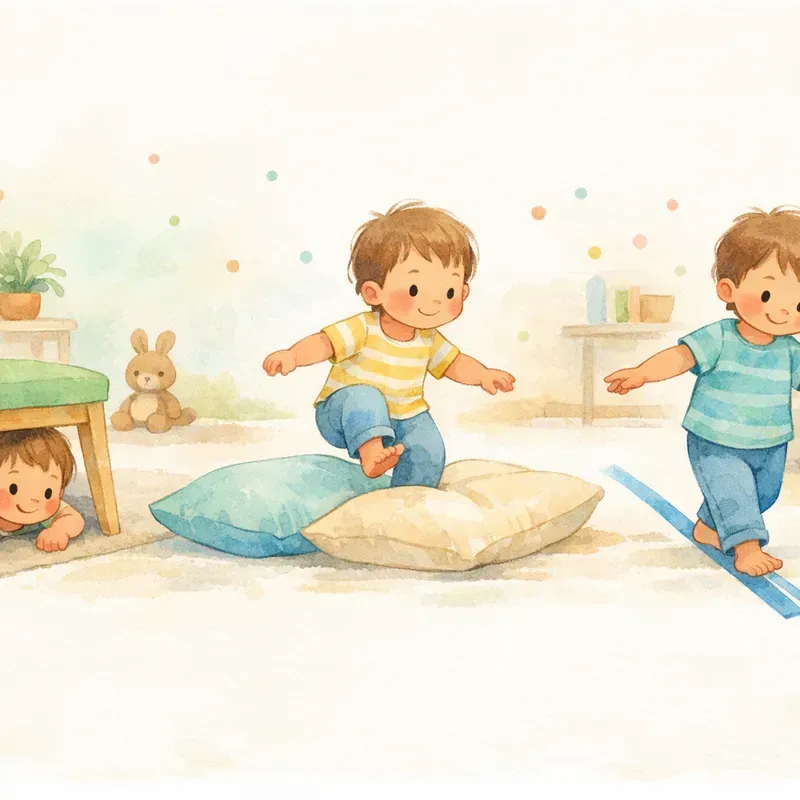
Living Room Obstacle Course
2–5 years · 15–30 min · Indoor
Following a sequence builds planning skills while burning lots of energy.
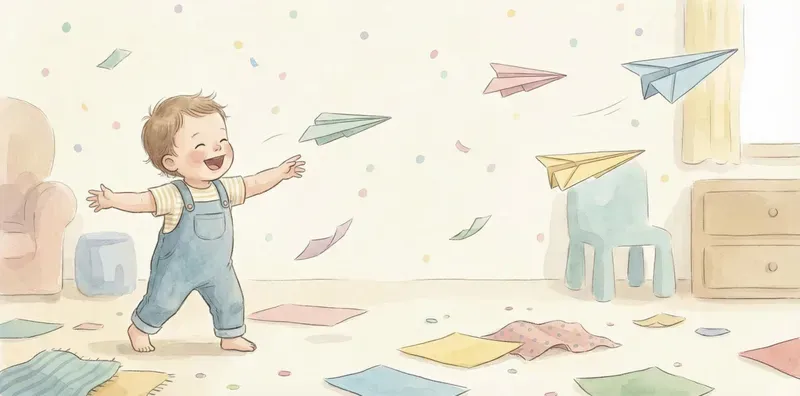
Paper Airplane Contest
3–6 years · 15–30 min · Indoor
Folding a crisp airplane is real fine motor work: lining up edges and pressing sharp creases takes focus and steady fingers. The throwing then turns it into a hands-on physics experiment, your child sees how weight, wing shape, and force change the flight, which is early cause-and-effect and problem solving. Because they can tweak and re-test endlessly, one sheet of paper holds their attention far longer than you would expect.
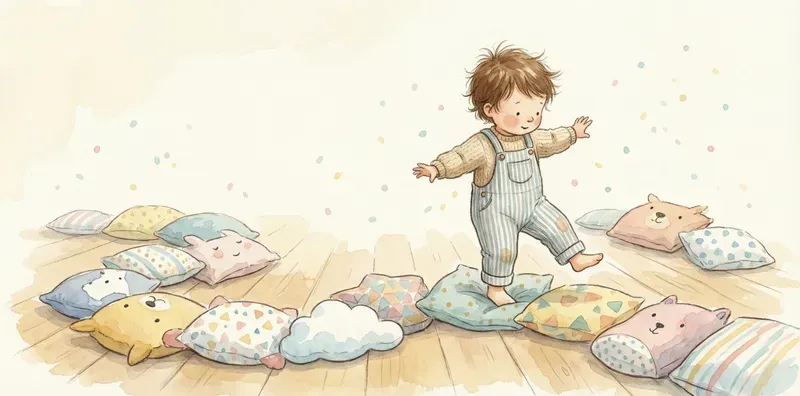
Pillow Stepping Path
1–4 years · 10–20 min · Indoor · Low energy
Balance challenge with low stakes makes failure fun.
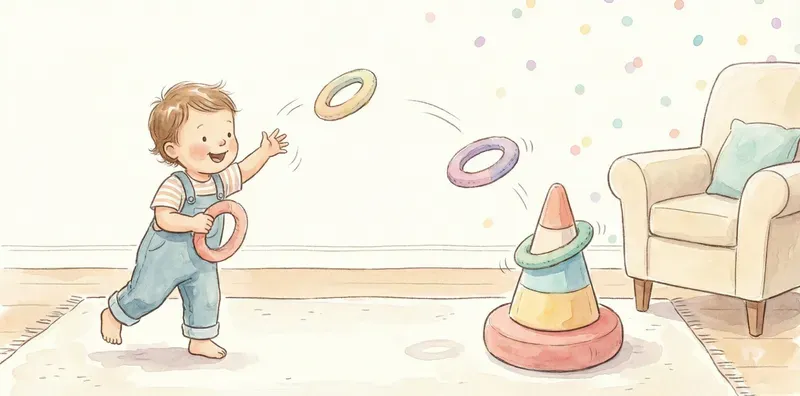
Ring Toss Game
2–6 years · 10–20 min · Indoor · Low energy
Ring toss develops hand-eye coordination, spatial awareness, and the controlled release motion that children need for throwing, catching, and eventually writing with controlled pressure. The instant visual feedback (ring on vs. ring off) gives toddlers clear success signals that motivate practice. It's also one of the few fine motor games that gets them moving and standing, making it great for active kids who won't sit for table activities.
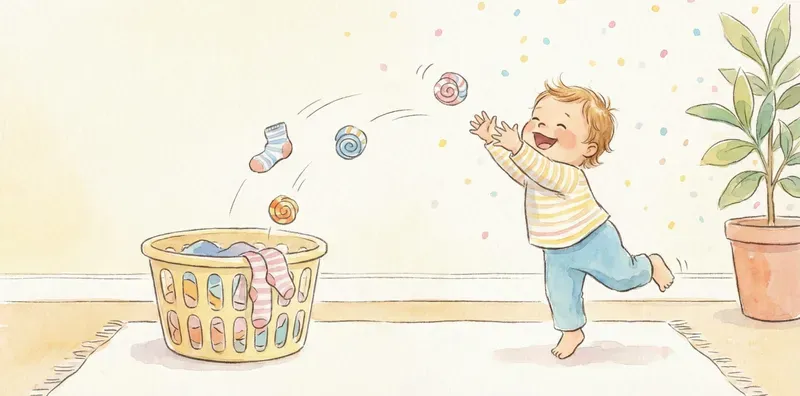
Sock Ball Basketball
2–6 years · 10–20 min · Indoor · Low energy
A soft sock ball lets kids throw, aim, and miss indoors without breaking anything, so they get real practice at throwing and hand-eye coordination in a small space.
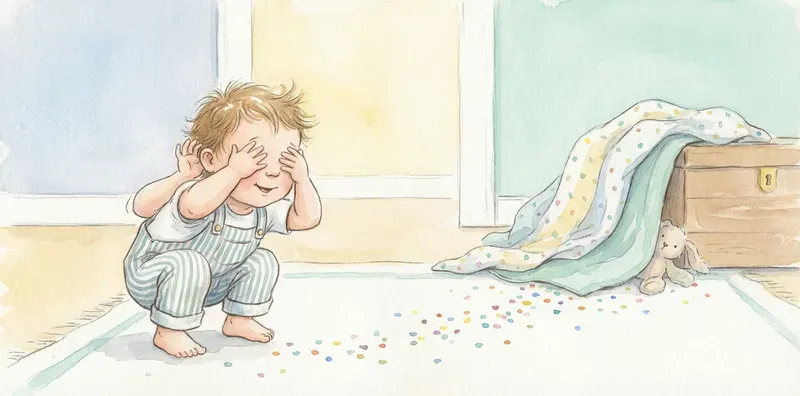
Sound Hide and Seek
2–5 years · 10–20 min · Indoor
Listening for a hidden sound develops auditory processing, the ability to isolate and locate sounds in space. This is the same skill that helps kids follow spoken instructions in noisy environments and distinguish similar speech sounds while learning to read. The treasure-hunt format keeps them moving and engaged while they practice spatial reasoning and problem-solving.
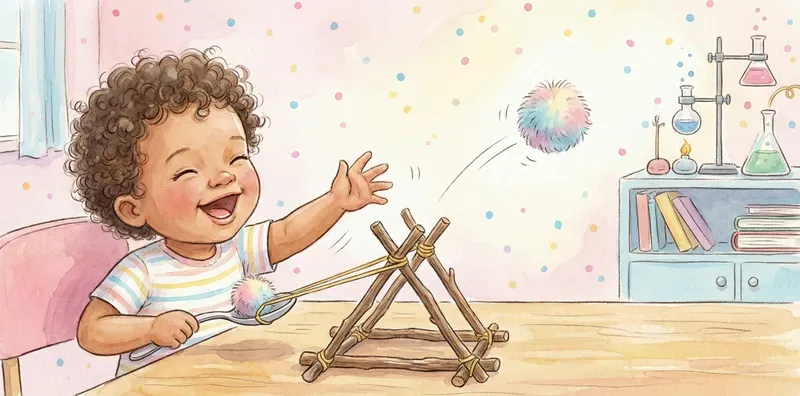
Spoon Catapult Launch
3–6 years · 10–20 min · Indoor
Teaches physics concepts through hands-on experimentation.
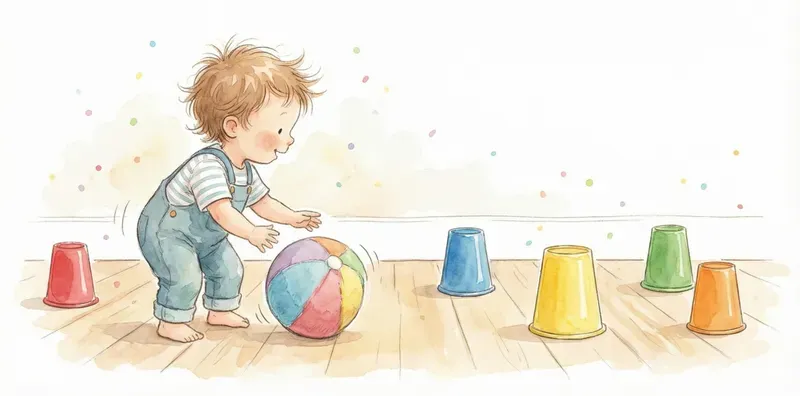
Target Ball Roll
1–4 years · 10–20 min · Indoor · Low energy
Rolling a ball toward a target builds hand-eye coordination, arm strength, and the concept of aim and distance, all while practicing turn-taking and patience. The sitting position makes this perfect for tired parents who can play from the couch or floor without getting up. Counting hits sneaks in early number skills.
Read
Guides for this topic
General
Summer Activities for Toddlers at Home
Backyard and indoor summer play for toddlers, no camp, pool, or special gear needed. Beat the heat with water, shade, and ideas you can set up in minutes.
Why read: A quick, practical read
Guide
Ring Toss Games for Kids (Easy DIY Setups)
How to make a ring toss game from paper plates in five minutes, plus simple throwing-game variations that build aim and coordination for toddlers and preschoolers.
Why read: A deeper, practical how-to
General
What to Do With a Toddler All Day at Home
A realistic rhythm for home days with toddlers: anchor times, low-prep play blocks, and where to grab ideas fast. No Pinterest marathon.
Why read: A quick, practical read
Related categories
Browse by age
Questions parents ask
What games can I play with a 1-year-old?
Peek-a-boo, chase, hiding toys under cups, rolling a ball back and forth, stacking and knocking over, and "copy me" with actions and sounds. Keep it physical, simple, and repetitive.
How do I teach a toddler to take turns?
Start with two-person games where turns are clear and short, rolling a ball, stacking blocks alternately. Say "my turn, your turn" consistently. Expect it to take months of practice before they reliably wait.
What if my toddler gets frustrated with games?
The game is too hard or the wait is too long. Simplify, shorten turns, or switch to parallel play where you both do the same thing side by side instead of competing or waiting.
Not sure where to start?
Let the generator pick a game ideas idea for you, no scrolling required.
Get an activity