Ring Toss Games for Kids (Easy DIY Setups)
Make a ring toss game from paper plates in five minutes, plus simple throwing-game variations that build aim and coordination for toddlers and preschoolers.
Ring toss is one of those games that looks like a store-bought set but takes five minutes and a few paper plates to make at home. It keeps toddlers and preschoolers busy, gets them moving, and quietly builds the kind of aim and coordination they’ll use for years. Here’s how to set it up and how to keep it interesting once they’ve got the hang of it.
The Five-Minute DIY Setup
You need two things: rings and a post. For the rings, cut the centers out of two to four paper plates, leaving a ring shape. Older toddlers can help tear out the middles. For the post, you have a few options depending on what’s handy:
- A paper towel roll taped upright onto a paper plate base
- A water bottle standing on the floor (a little water inside keeps it steady)
- A stick or wooden spoon pushed into a ball of play dough
Stand your child a few feet from the post, show them one toss, and let them go. Celebrate the near-misses as much as the ringers, that’s what keeps frustration low and the game going.
Make It Easier or Harder
The same setup works for a wobbly two-year-old and a competitive five-year-old, you just change the distance and the challenge.
- For younger toddlers: stand right next to the post and drop the rings on, rather than throwing. Success first, distance later.
- To add challenge: step back after each ringer, set up a second post to aim at, or give each post a point value (1, 2, 3) and keep a running total.
- For quieter or softer play: use pool noodle slices or ribbon loops instead of paper plates.
- To add a craft step: let them decorate the rings with markers before playing.
5 More Throwing and Aiming Games
Once ring toss has run its course for the day, these games use the same coordination skills, so they pair well in a single play session or an indoor “sports day.”
1. Target ball roll
Sit on the floor a few feet apart and roll a soft ball back and forth, then add a tape line or a cup to aim for. Rolling is easier than throwing, so it’s a good first aiming game for younger toddlers, and you can play it sitting down.
2. Sock ball basketball
Roll a few pairs of socks into balls and set a laundry basket on the floor as the hoop. Take turns shooting and count the baskets. Soft sock balls mean they can throw hard indoors without breaking anything.
3. Indoor bowling
Line up empty plastic bottles in a triangle and roll a ball to knock them down. Toddlers will reset and roll again for a remarkably long time, it’s the satisfaction of knocking things over with permission.
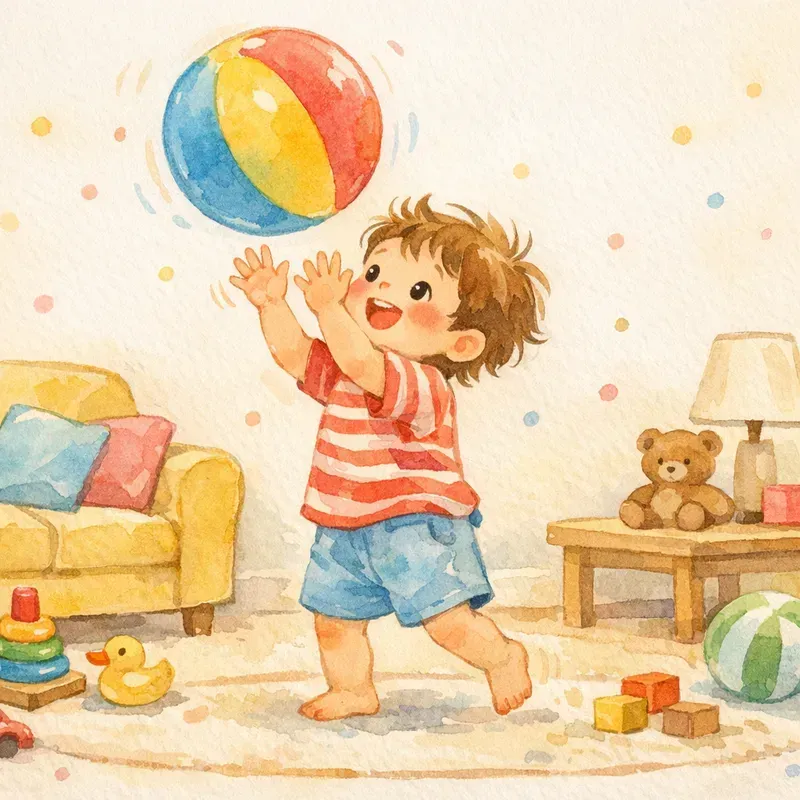
4. Balloon keep up
Bat a balloon and try to keep it from touching the floor. Balloons move slowly, which gives little ones time to track and swat, building the same eye-hand timing as catching, with less frustration.
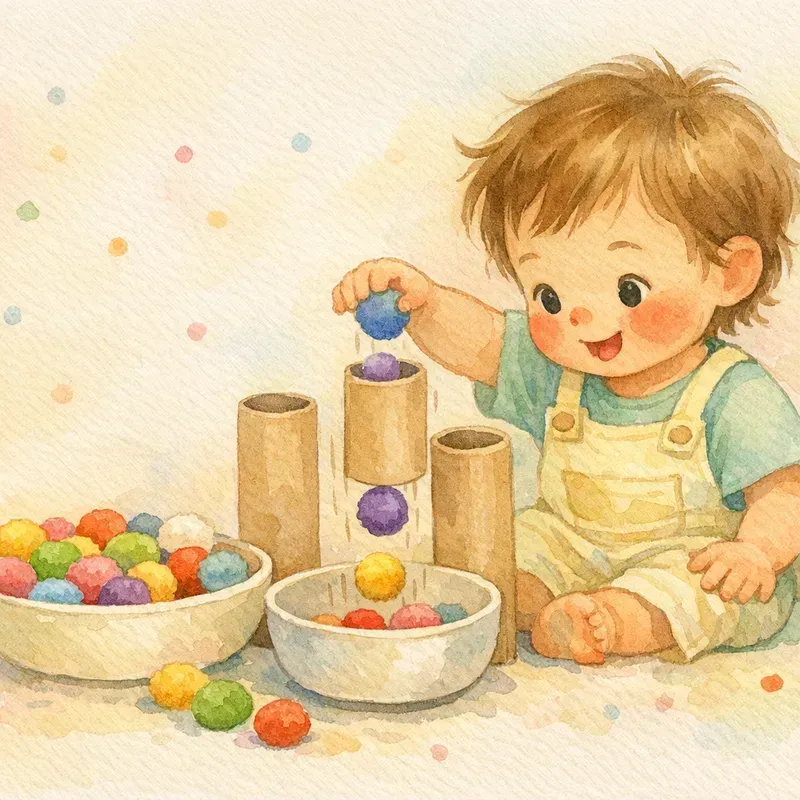
5. Pom pom tube drop
Tape a cardboard tube to the wall and let your child drop pom poms through it into a cup below. It’s aiming on a smaller scale, great for the toddler who wants in on the throwing games but isn’t ready for distance yet.
Why These Games Are Worth the Setup
Throwing and aiming games look simple, but they’re doing real work. Releasing a ring or a ball at the right moment is the same controlled-release motion children need for throwing, catching, and eventually holding a pencil with the right pressure. Aiming builds spatial awareness, and the clear hit-or-miss feedback keeps them practicing without you having to push.
They’re also some of the few coordination activities that get kids standing and moving, so they work well for active children. For more in the same vein, browse game ideas for toddlers, active play, or gross motor activities.
Put it into practice
Try these activities
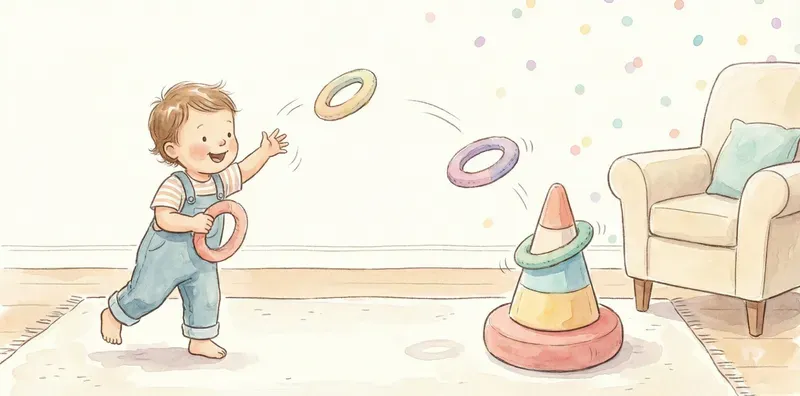
Ring Toss Game
- Age
- 2–6 years
- Time
- 10–20 min
- Energy
- Low-energy
- Setting
- Indoor
You'll need: Paper plates (2-4, centers cut out to make rings), Paper towel roll, bottle, or stick for the post, Tape to secure the post
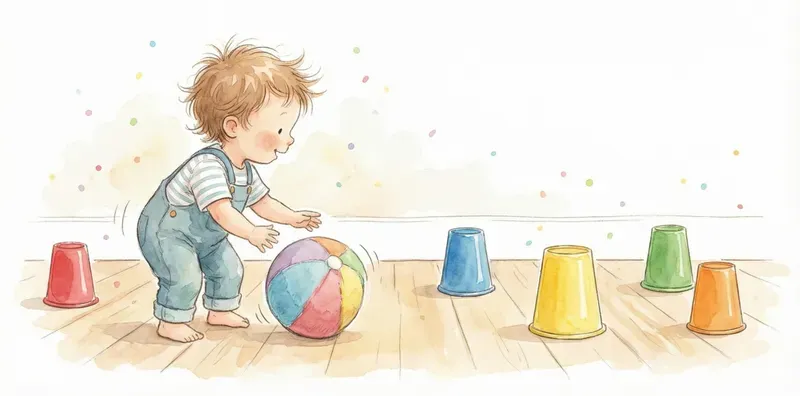
Target Ball Roll
- Age
- 1–4 years
- Time
- 10–20 min
- Energy
- Low-energy
- Setting
- Indoor
You'll need: Soft ball, Tape for target line, Cups or boxes (optional)
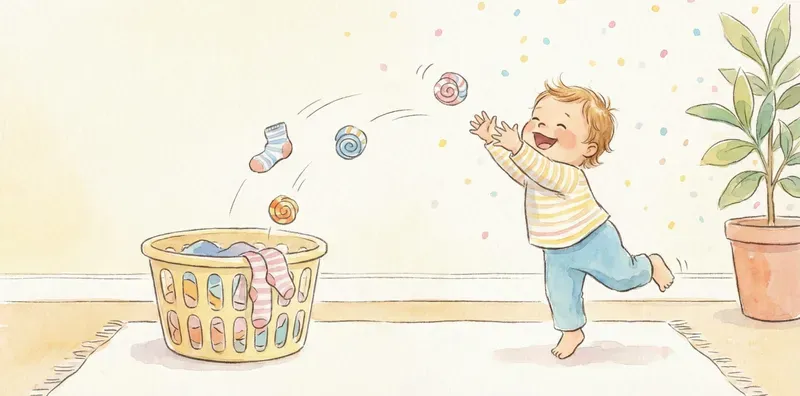
Sock Ball Basketball
- Age
- 2–6 years
- Time
- 10–20 min
- Energy
- Low-energy
- Setting
- Indoor
You'll need: Rolled up socks, Laundry basket or bucket
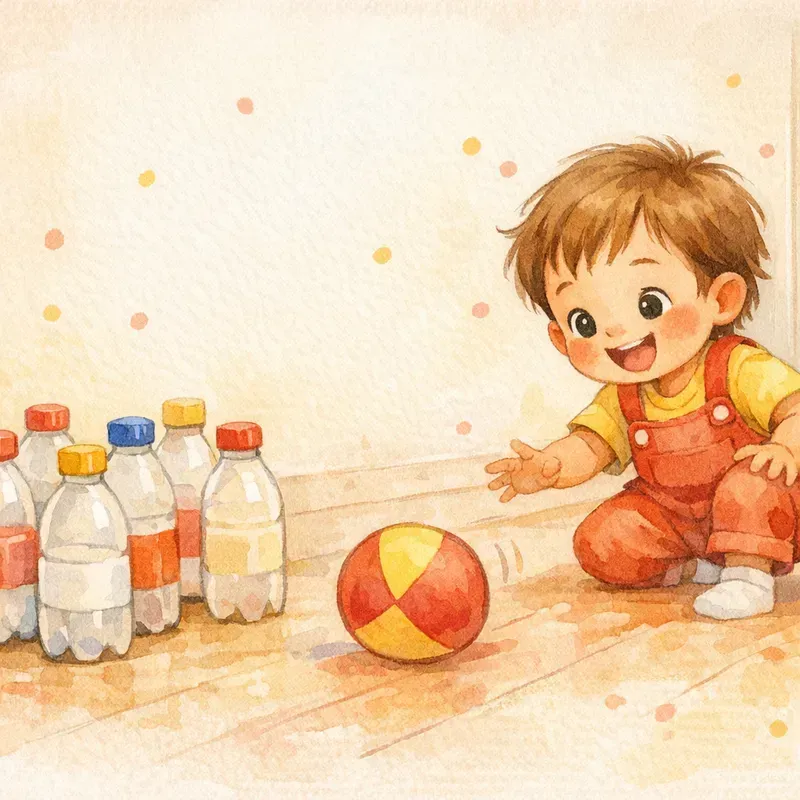
Indoor Bowling
- Age
- 2–6 years
- Time
- 10–20 min
- Energy
- Low-energy
- Setting
- Indoor
You'll need: Empty plastic bottles (6-10), Soft ball or rolled sock
Balloon Keep Up
- Age
- 2–6 years
- Time
- 5–15 min
- Energy
- Hands-on
- Setting
- Indoor
You'll need: Balloon (inflated)
Pom Pom Tube Drop
- Age
- 1–3 years
- Time
- 10–20 min
- Energy
- Low-energy
- Mess
- No mess
You'll need: Paper towel or wrapping paper tubes, Pom poms, Tape +1 more
Keep reading
Related guides & topics
Common questions
How do you make a ring toss game at home?
What age is ring toss good for?
Why is ring toss good for development?
Need an idea right now?
Skip the scrolling, tell the generator your child's age and how long you've got.
Get an activityStay stocked with ideas
A few fresh play ideas, every now and then.
Practical activities and short parenting reads, no spam, no fluff, unsubscribe anytime.
Written by the TinyPlay team
We're parents who got tired of complicated activity ideas. Everything here is practical, low-prep, and built around how toddlers actually play, no ads in your face, no sign-up walls, no Pinterest pressure.