Play ideas
Imaginative Play for Toddlers (1–4 Years)
Around 18 months, something shifts, they start pretending. A banana becomes a phone, a box becomes a car, stuffed animals have conversations. Imaginative play is where language, empathy, and problem-solving all develop together, and it looks like they’re just messing about.
You don’t need costumes or a play kitchen (though those are fine). A cardboard box and some household objects are enough to spark a whole world. The key is giving them space to direct the narrative without adults scripting everything.
These activities set up scenarios that invite pretend play, not scripts to follow, but starting points. A tea set on a table, a doctor’s kit on a pillow, a basket of food near some pots. They take it from there.
Featured imaginative play
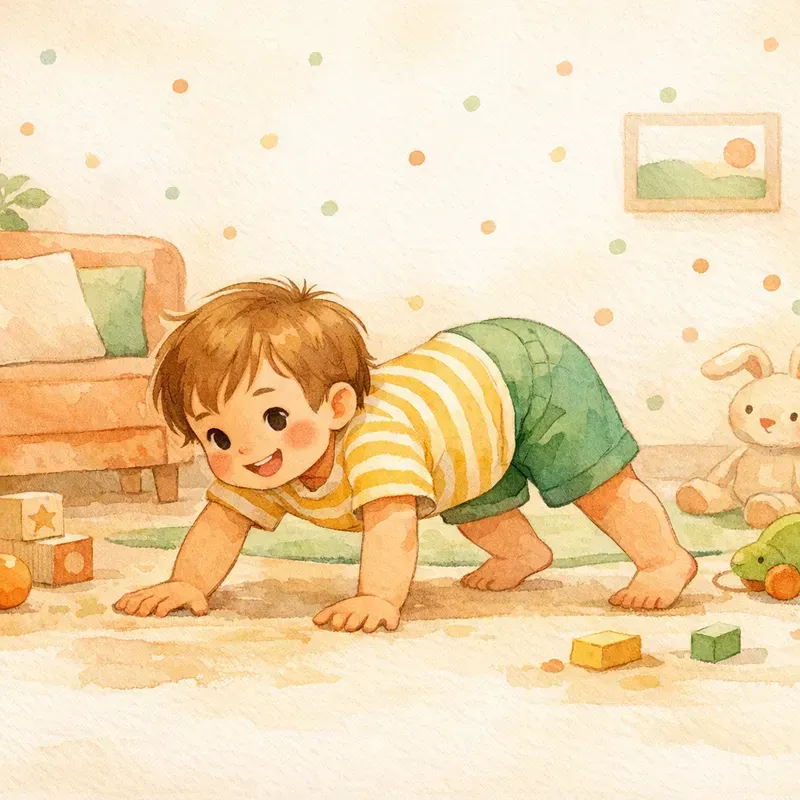
Animal Walks
- Age
- 2–5 years
- Time
- 5–15 min
- Energy
- Hands-on
- Setting
- Indoor
You'll need: Clear floor space

Backyard Cloud Watching
- Age
- 2–6 years
- Time
- 10–30 min
- Energy
- Low-energy
- Mess
- No mess
You'll need: Blanket to lie on, Sunglasses (optional)
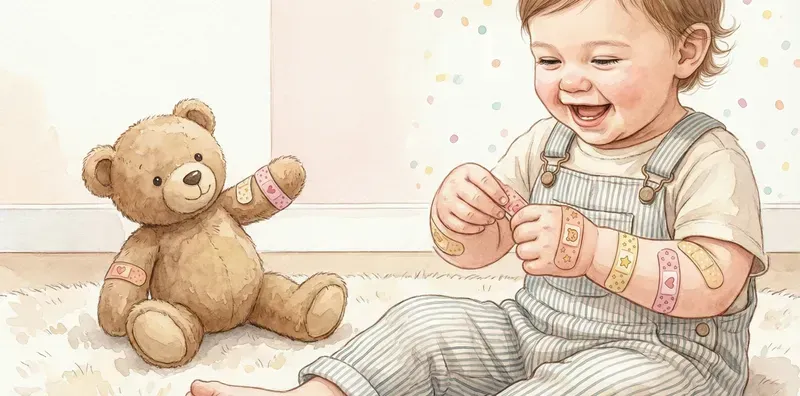
Band-Aid Practice Game
- Age
- 2–4 years
- Time
- 10–20 min
- Energy
- Low-energy
- Mess
- No mess
You'll need: Dollar store band-aids, Stuffed animals or dolls, Markers (optional for boo-boos)
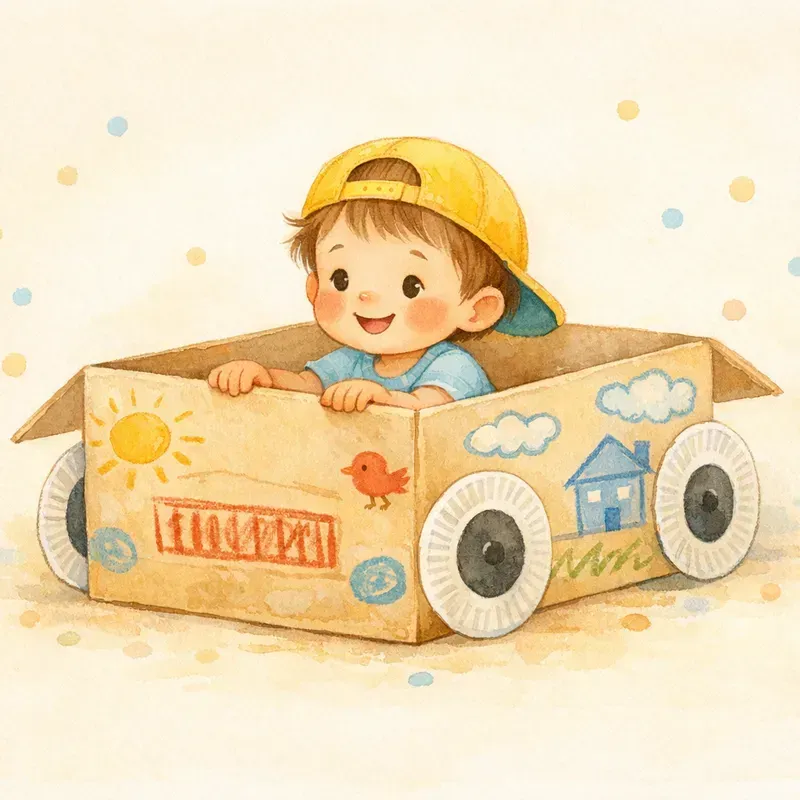
Cardboard Box Car
- Age
- 1–4 years
- Time
- 10–20 min
- Energy
- Low-energy
- Mess
- No mess
You'll need: Large cardboard box, Crayons or markers, Paper plates (optional wheels)
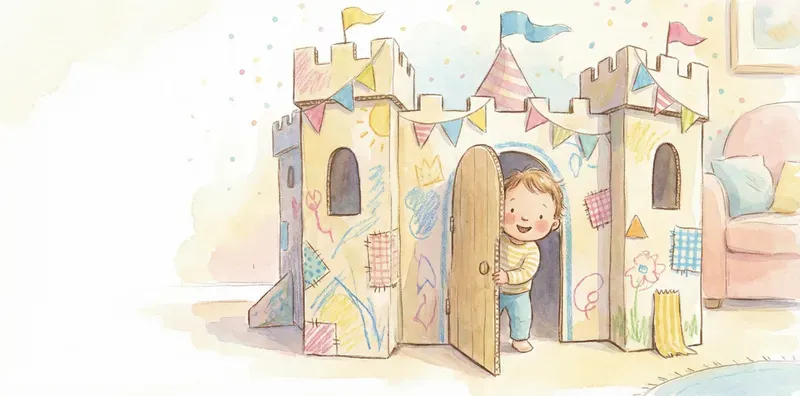
Cardboard Box Castle
- Age
- 2–6 years
- Time
- 20–45 min
- Energy
- Hands-on
- Setting
- Indoor
You'll need: Large cardboard box, Scissors (adult), Markers +1 more
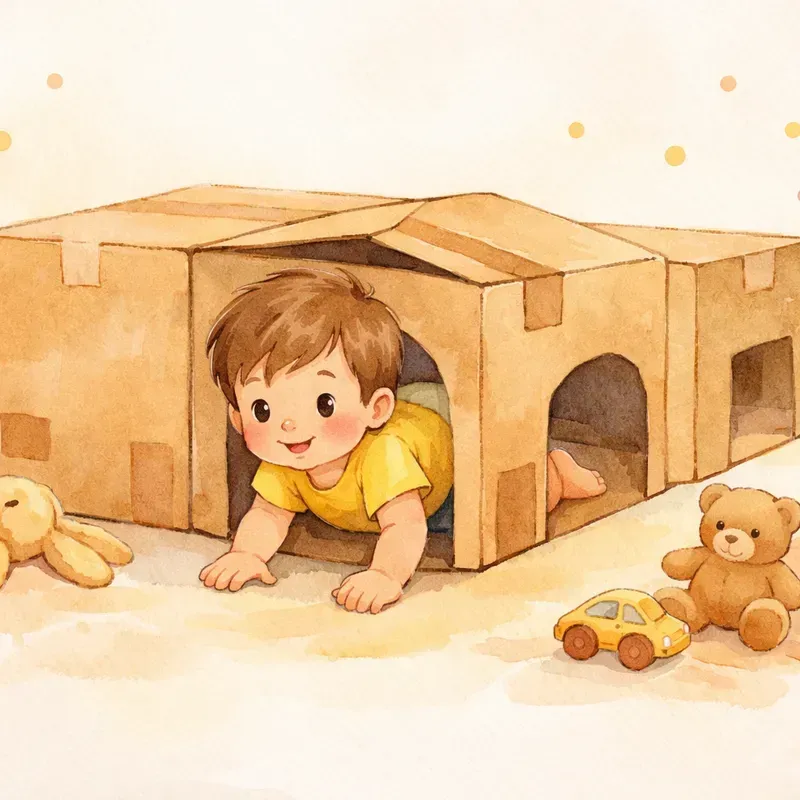
Cardboard Box Tunnel
- Age
- 1–4 years
- Time
- 10–25 min
- Energy
- Low-energy
- Setting
- Indoor
You'll need: Large cardboard boxes (2-3), Tape, Scissors (adult use)
Tips for Imaginative Play
- 1Play along, don’t direct. If they offer you invisible tea, drink it. If the carpet is lava, stay on the cushions. Follow their lead.
- 2Provide props, not scripts. An old phone, a stethoscope, a handbag, some pots and spoons. Props spark ideas without limiting them.
- 3Narrate their play back. "You’re cooking dinner for teddy. That looks like soup." This validates their imagination and extends their language.
- 4Don’t worry if it’s repetitive. The same pretend scenario for weeks is completely normal. They’re processing and practising. It’ll evolve when they’re ready.
- 5Join but don’t take over. You can be a character in their game, but let them be the director. Ask "what should I do next?" instead of suggesting the plot.
More ideas in this collection
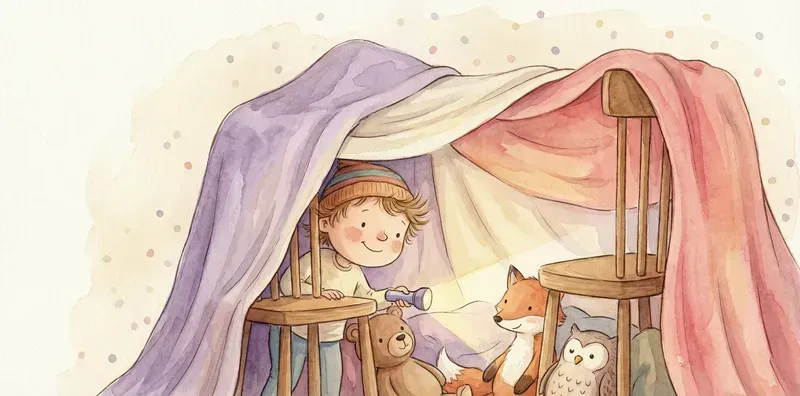
Cozy Blanket Fort
1–6 years · 15–45 min · Indoor · Low energy
Enclosed spaces feel safe and special, encouraging independent play.
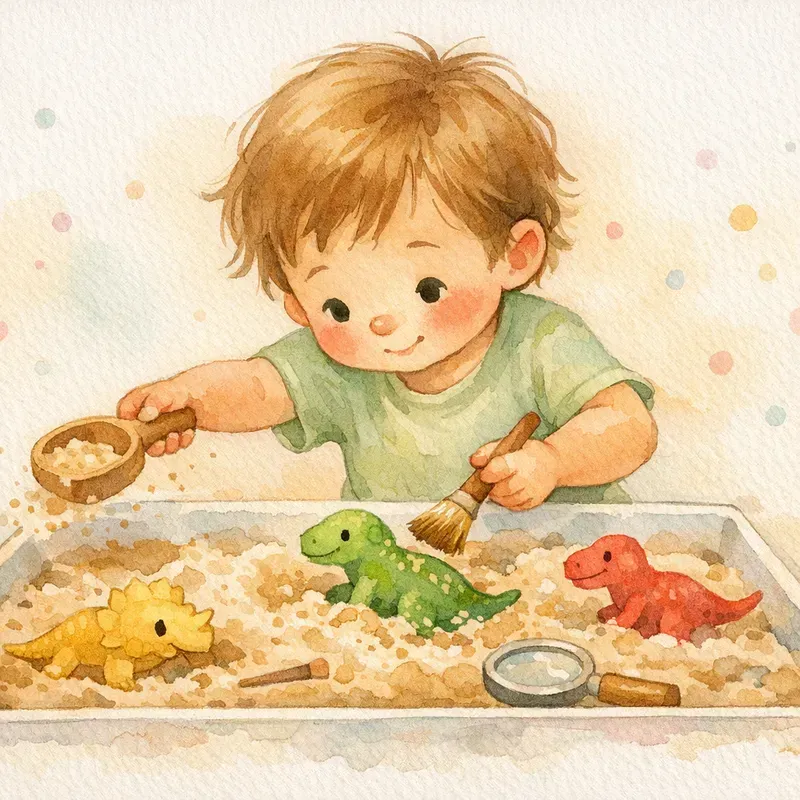
Dinosaur Excavation Dig
2–5 years · 15–30 min · Indoor
Combines sensory play with imaginative prehistoric adventure.
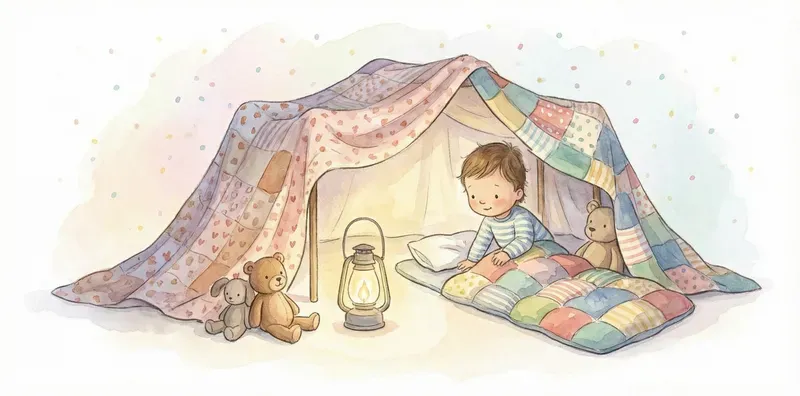
Indoor Camping Adventure
2–6 years · 20–60 min · Indoor · Low energy
A blanket tent and a few flashlights turn the living room into somewhere new, which gives kids open-ended pretend play and a cozy, low-key way to wind down.

Laundry Basket Boat
1–3 years · 10–20 min · Indoor · Low energy
Imaginative play in enclosed spaces feels safe and sparks creativity.
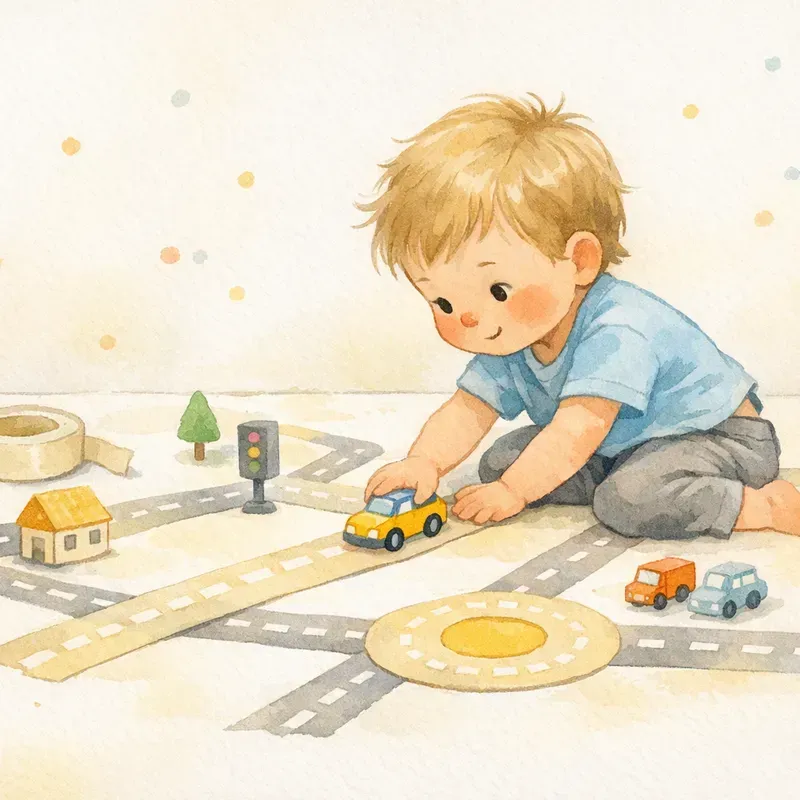
Masking Tape Road
2–5 years · 15–30 min · Indoor
Combines creativity with structured play, keeping attention focused longer.
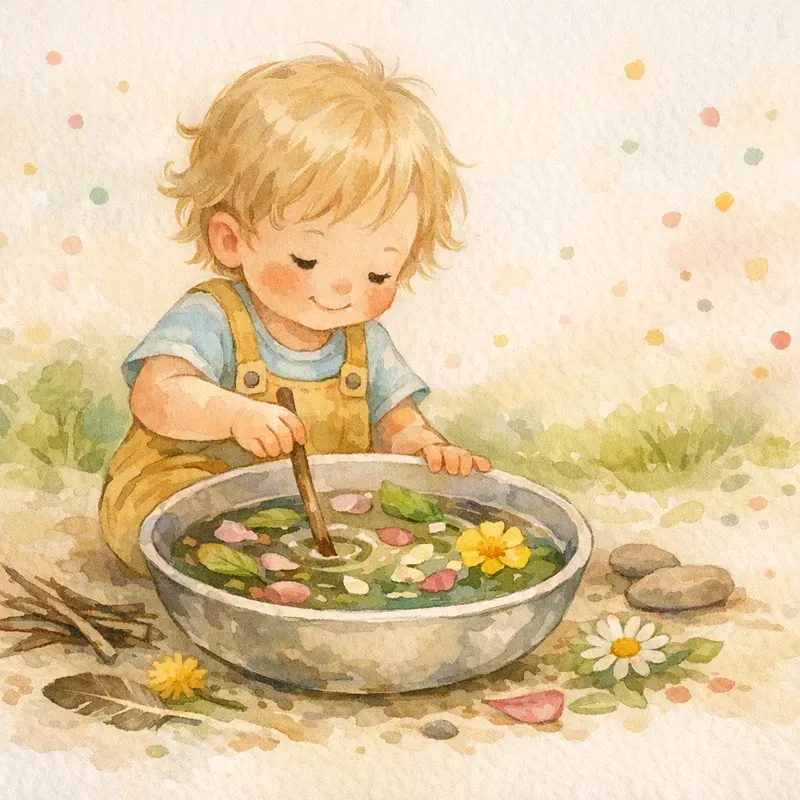
Outdoor Nature Soup
1–5 years · 15–30 min · Outdoor · Low energy
Nature exploration combined with imaginative cooking play.
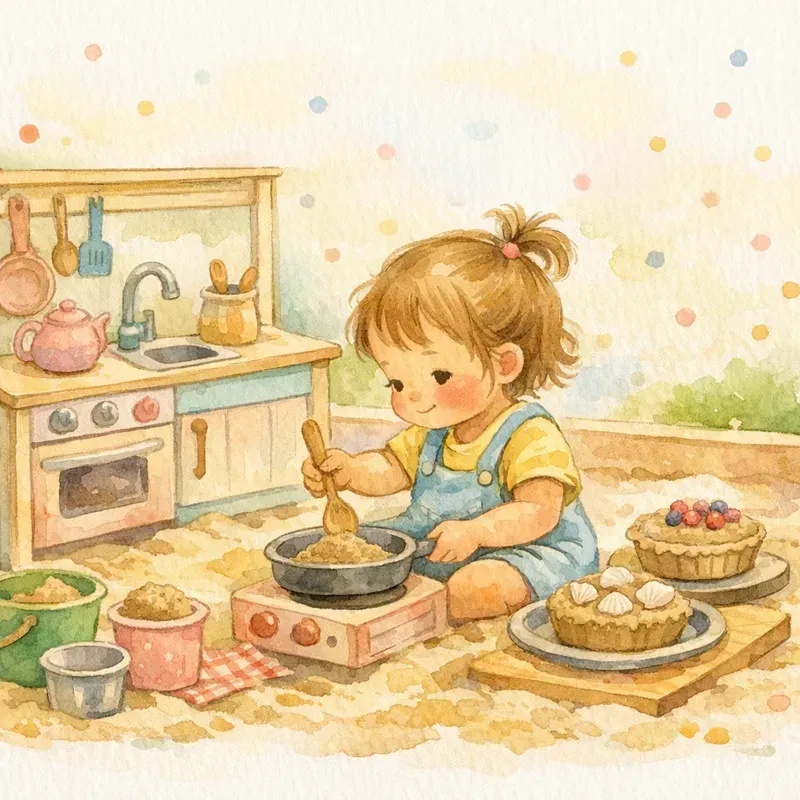
Outdoor Sand Kitchen
1–5 years · 15–45 min · Outdoor · Low energy
Open-ended sensory play with imaginative elements.
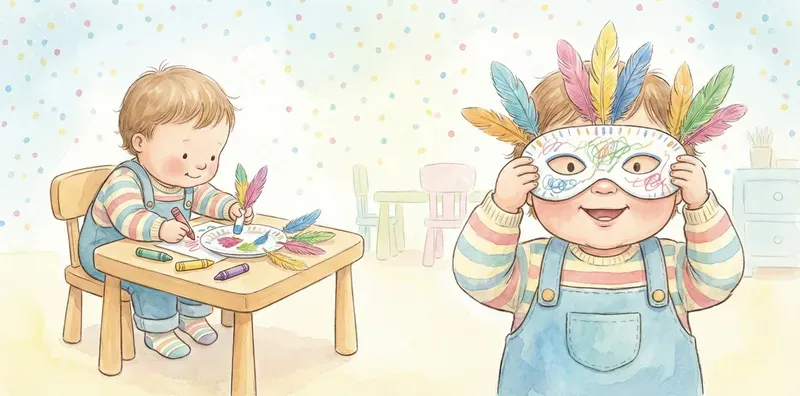
Paper Plate Masks
2–6 years · 15–30 min · Indoor
Creative expression combined with dramatic play opportunities.

Playing Doctor
2–6 years · 15–30 min · Indoor · Low energy
Reduces fear of medical visits while building empathy and nurturing.
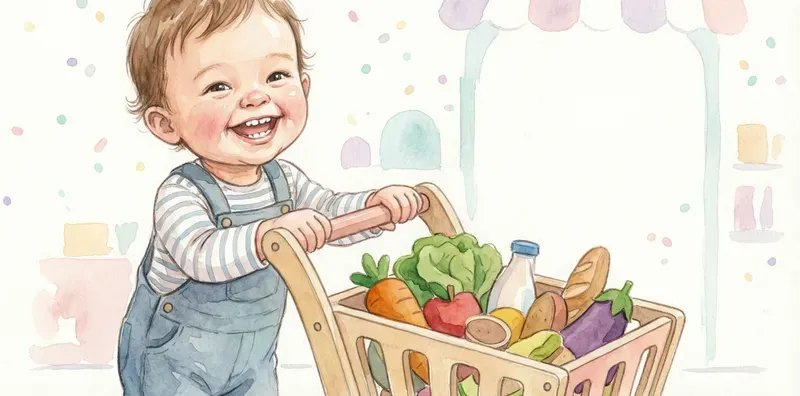
Pretend Grocery Store
2–6 years · 15–30 min · Indoor · Low energy
Role play builds language, math, and social skills naturally.
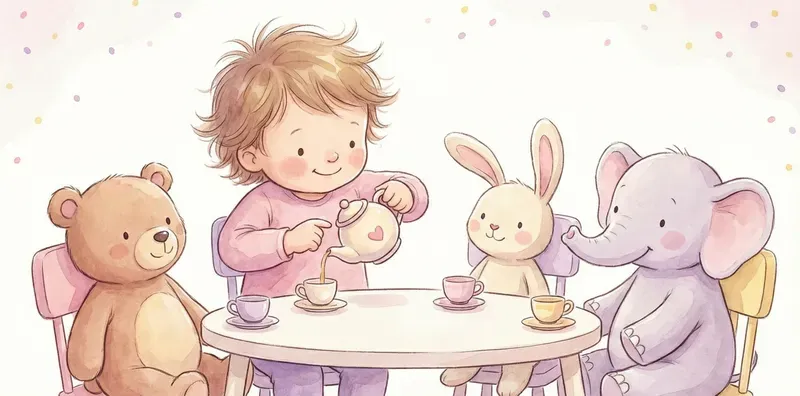
Pretend Tea Party
2–5 years · 15–30 min · Indoor · Low energy
Dramatic play develops language, social skills, and emotional understanding.
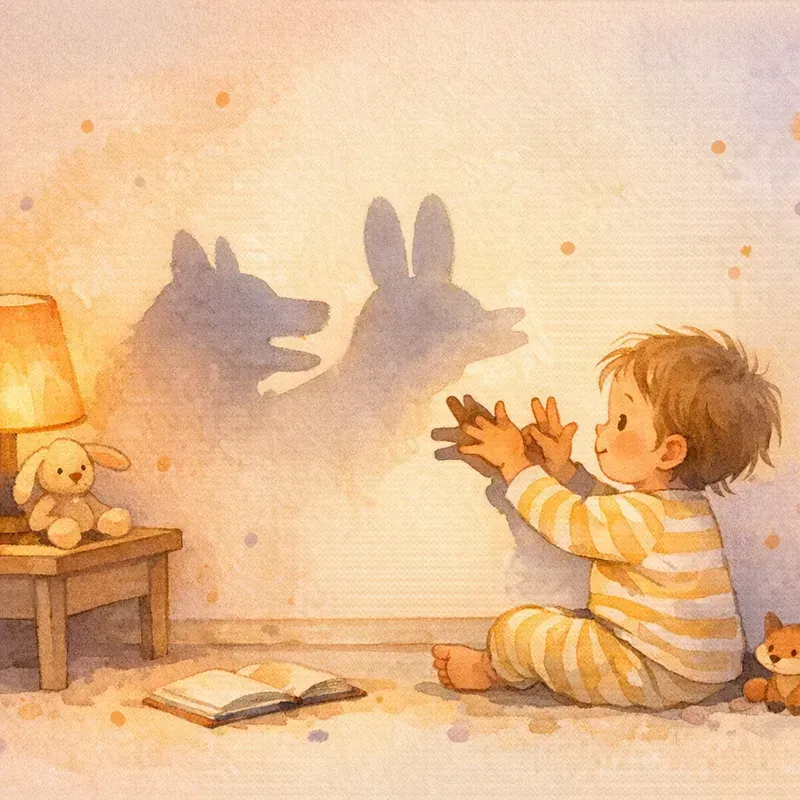
Shadow Hand Puppets
2–6 years · 5–15 min · Indoor · Low energy
A dim room and one light turn simple hand shapes into a quiet, focused game. The low light and slow pace make it a good way to settle down before nap or bed.
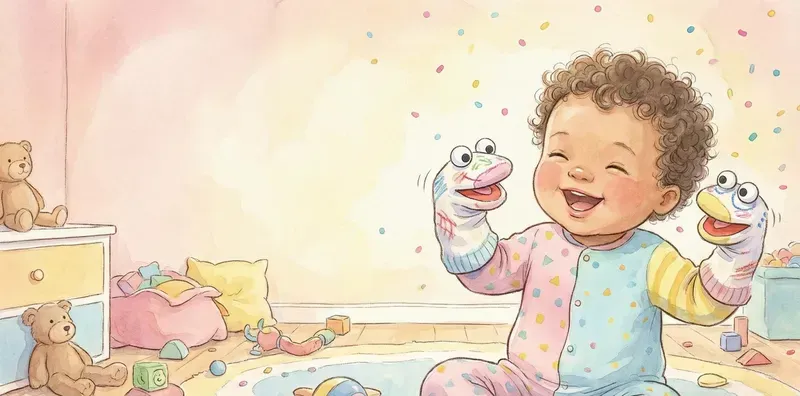
Silly Sock Puppets
2–6 years · 10–25 min · Indoor · Low energy
Puppets encourage language development and emotional expression through play.

Story Stones Telling
3–6 years · 10–25 min · Indoor · Low energy
Creative storytelling with visual prompts builds language.
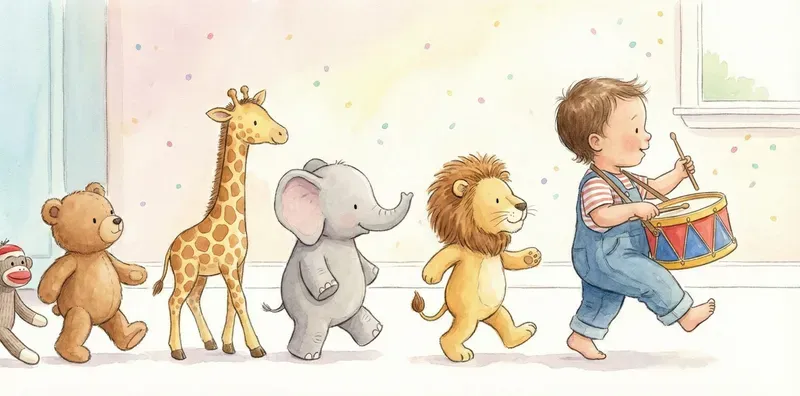
Stuffed Animal Parade
1–4 years · 10–20 min · Indoor · Low energy
Imaginative play with movement and music engagement.
Read
Guides for this topic
Guide
Play Dough Activities for Toddlers (That Build Hand Strength)
Play dough ideas for toddlers that build the hand strength behind writing and self-care. A no-cook recipe, simple setups by age, and mess that stays contained.
Why read: A deeper, practical how-to
General
Water Play Activities for Toddlers (Indoor and Out)
Simple water play for toddlers you can run at the sink, in the tub, or in the yard. What water play builds, how to keep the mess contained, and seven easy setups.
Why read: A quick, practical read
General
Summer Activities for Toddlers at Home
Backyard and indoor summer play for toddlers, no camp, pool, or special gear needed. Beat the heat with water, shade, and ideas you can set up in minutes.
Why read: A quick, practical read
Related categories
Browse by type
Questions parents ask
When do toddlers start pretend play?
Simple pretend play (like pretending to drink from an empty cup) starts around 12-18 months. More complex scenarios with roles and narratives develop between 2-3 years. Every child varies, so don’t worry if yours is later.
How do I encourage imaginative play in my toddler?
Provide open-ended props (boxes, fabric, household objects), limit screen time, play alongside them occasionally, and avoid toys that do all the imagining for them. The less a toy does, the more they have to imagine.
Is pretend play important for development?
Very. Pretend play builds language skills, emotional regulation, perspective-taking, problem-solving, and social understanding. Children who engage in regular pretend play tend to have stronger language and social skills by school age.
Not sure where to start?
Let the generator pick a imaginative play idea for you, no scrolling required.
Get an activity