Water Play Activities for Toddlers (Indoor and Out)
Simple water play for toddlers at the sink, tub, or yard. What it builds, how to keep the mess contained, and seven easy setups to try today.
Almost every toddler will stop what they’re doing for a tub of water and a couple of cups. It’s one of the few activities that’s calming and absorbing at the same time, costs nothing, and works at the kitchen sink in January just as well as in the yard in July. You don’t need a pool or a fancy water table, just a container, some water, and a towel.
Why Water Play Earns Its Keep
Water play looks like splashing, but there’s a lot going on underneath. Scooping, pouring, and squeezing build the hand strength and wrist control that toddlers need for self-feeding and, down the line, holding a crayon. Filling and emptying containers is a toddler’s first lesson in full, empty, and how much fits, the start of early maths and science thinking.
It’s also one of the most reliably calming activities there is. The slow, repetitive motion settles a busy brain, which makes it a good reset after a wound-up morning. So the mess buys you something real: a child who’s focused, learning, and winding down all at once.
Set Up for Less Mess (So You Actually Do It)
The reason most parents avoid water play is the cleanup, so it’s worth solving that first. A few small choices keep it manageable:
- Use less water than feels right. A shallow tub spills far less than a full one.
- Work near water. The sink, the bath, or outside means cleanup is a quick tip-out, not a mopping job.
- Towel underneath, towels around. A bath towel under the tub and a rolled one along the edge catch most of it.
- Dress for it. A nappy or old clothes, sleeves pushed up, and you stop policing splashes.
Sort the setup once and water play turns from a dreaded project into a ten-minute go-to.
7 Easy Water Play Setups
1. Water transfer station
Set out two containers, one full and one empty, with cups, a spoon, a turkey baster, or a sponge. Your toddler moves the water from one to the other and back again. It’s the classic water activity for a reason: the fill-and-empty cycle is endlessly absorbing and it’s quietly building hand control the whole time.
2. Sink or float
Fill a tub and gather a handful of safe household bits: a cork, a spoon, a toy car, a leaf. Ask your toddler to guess whether each will sink or float, then drop it in and find out. It keeps them at the water a good while and sneaks in early science without feeling like a lesson.
3. Play dish washing
Pull a chair to the sink, add a squirt of bubbles and a few unbreakable dishes, and let your toddler “wash up.” Real-life pretend play is gold at this age, and they’ll scrub and rinse far longer than you’d expect. You get a contained activity and, occasionally, slightly cleaner cups.
4. Toy washing station
Line up some plastic toys that have seen better days, hand over a tub of soapy water and a cloth or old toothbrush, and put your toddler in charge of the toy car wash. It’s the same satisfying scrub-and-rinse rhythm, with a clear job to finish.
5. Bathtub boat races
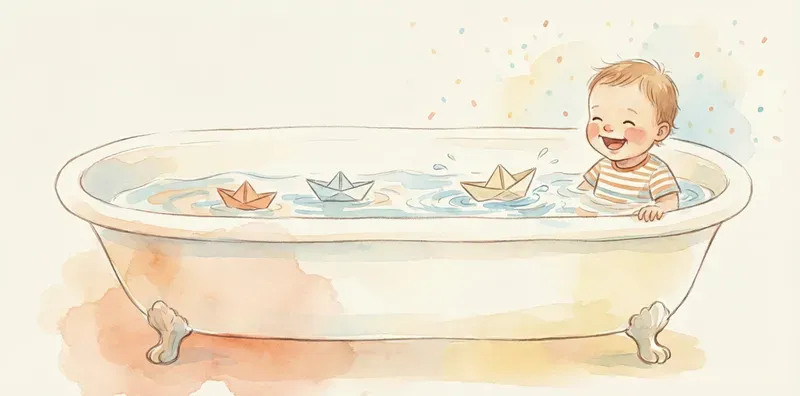
The bath is the easiest water play of all, because the cleanup is already handled. Float a few corks, lids, or plastic boats and have your toddler blow or splash them from one end to the other. It turns an ordinary bath into a game and stretches the calm part of the evening a little longer.
6. Frozen toy excavation
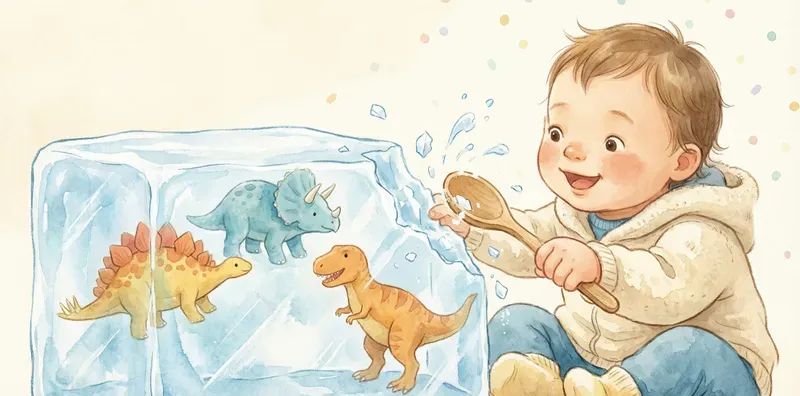
The day before, freeze a few small toys in a tub of water. When you need it, hand over the block of ice with a cup of warm water and a spoon and let your toddler melt and chip their way to the toys inside. It’s part water play, part puzzle, and it buys a long, cool stretch on a hot day.
7. Take it outside
When the weather allows, the whole thing gets easier. The same tubs and cups on the patio, plus a hose or a big paintbrush and a bucket, and the mess stops mattering at all. For warm weather setups, see our summer activities for toddlers at home guide.
A Quick Word on Safety
Toddlers can get into trouble in surprisingly little water, so the rule is simple: stay within arm’s reach the whole time, and empty every container the moment you’re done. Never leave a tub of water unattended, even for a phone call. Keep it shallow, keep it supervised, and tip it out before you move on.
More Where This Came From
Once you’ve worked through these, there’s a fuller set of water activities for toddlers to dip into. For the calmer, hands-on end of things, try sensory activities for toddlers, and when the warm weather hits, browse summer activities for toddlers for more ways to cool everyone off.
Put it into practice
Try these activities
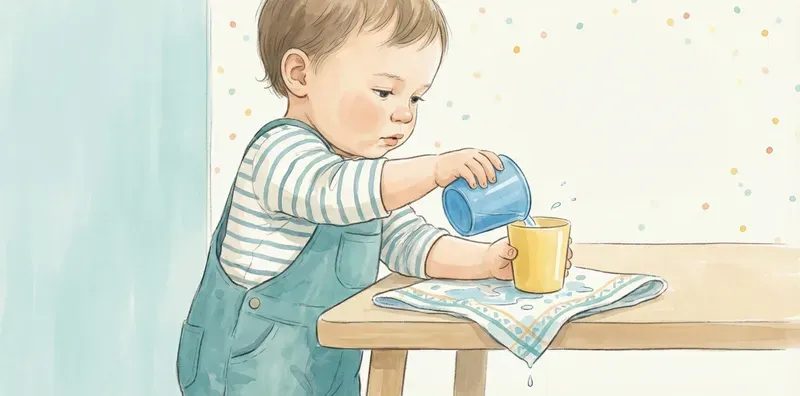
Water Transfer Game
- Age
- 2–5 years
- Time
- 10–25 min
- Energy
- Low-energy
- Mess
- Some mess
You'll need: Two containers or bowls, Sponge, cup, or turkey baster, Towel or waterproof mat +1 more
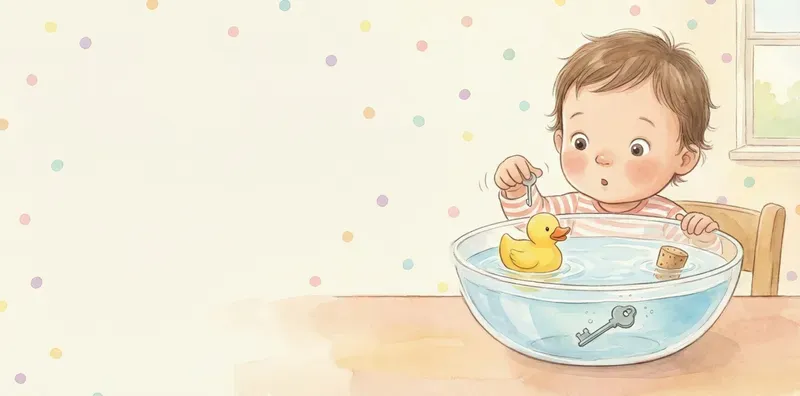
Sink or Float Experiment
- Age
- 2–5 years
- Time
- 10–20 min
- Energy
- Low-energy
- Mess
- Some mess
You'll need: Tub of water, Various small household items, Towel
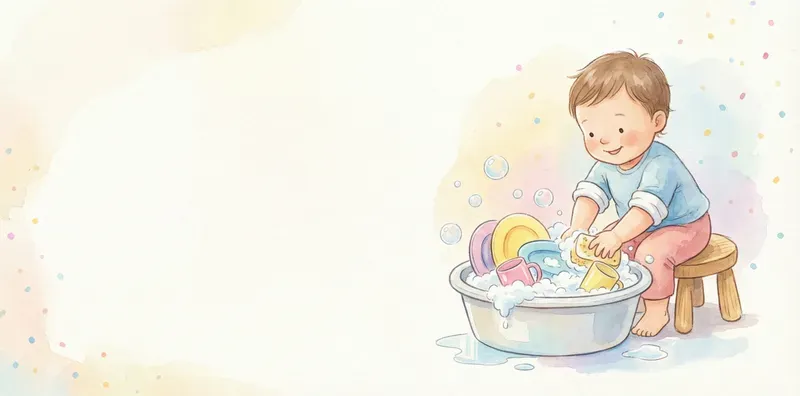
Play Dish Washing
- Age
- 2–4 years
- Time
- 10–25 min
- Energy
- Low-energy
- Mess
- Some mess
You'll need: Plastic dishes, Small tub of water, Sponge +1 more
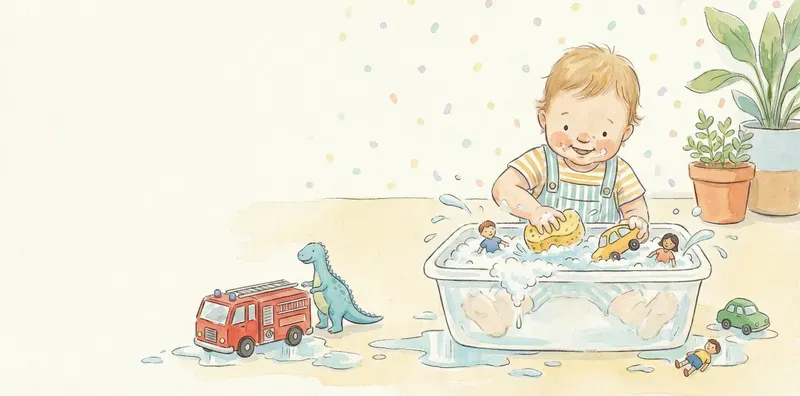
Toy Washing Station
- Age
- 2–5 years
- Time
- 15–30 min
- Energy
- Low-energy
- Mess
- Some mess
You'll need: Bin of soapy water, Dirty plastic toys, Towel for drying +1 more
Bathtub Boat Races
- Age
- 1–5 years
- Time
- 10–25 min
- Energy
- Low-energy
- Mess
- Some mess
You'll need: Sponges or corks, Toothpicks and paper for sails, Bathtub with water
Frozen Toy Excavation
- Age
- 2–5 years
- Time
- 15–30 min
- Energy
- Hands-on
- Mess
- Some mess
You'll need: Container of ice (frozen overnight with toys inside), Warm water, Salt +1 more
Keep reading
Related guides & topics
Common questions
What are good water play activities for toddlers?
How do I do water play indoors without flooding the kitchen?
Is water play actually good for toddlers, or just messy?
Need an idea right now?
Skip the scrolling, tell the generator your child's age and how long you've got.
Get an activityStay stocked with ideas
A few fresh play ideas, every now and then.
Practical activities and short parenting reads, no spam, no fluff, unsubscribe anytime.
Written by the TinyPlay team
We're parents who got tired of complicated activity ideas. Everything here is practical, low-prep, and built around how toddlers actually play, no ads in your face, no sign-up walls, no Pinterest pressure.