You'll need
- Phone or musical toy that makes sound
Steps
- 1Pick something that plays a continuous sound, a phone with a song on repeat, a kitchen timer, or a musical toy that loops
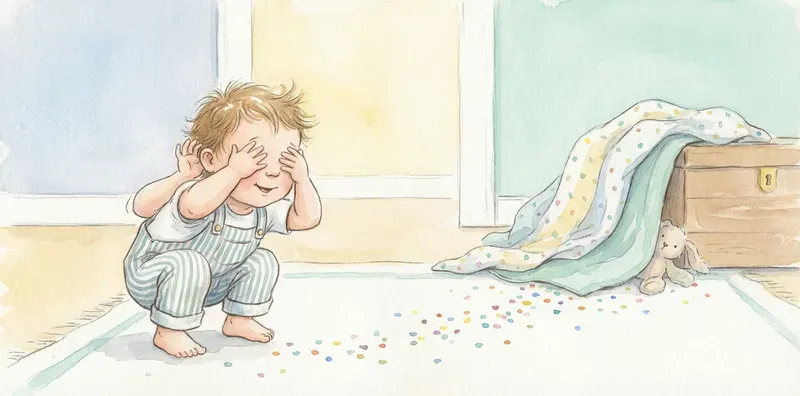
- 2Have your child cover their eyes or go to another room while you hide the sound source
- 3Place it somewhere they can reach but not immediately see, under a couch cushion, behind a curtain, inside a shoe, tucked in a bookshelf
- 4Tell them to listen carefully and follow their ears to find the hidden sound
- 5Watch them tilt their head, move toward it, second-guess, then lock in, the focus is incredible
- 6Celebrate when they find it, then swap roles and let them hide it for you
Why this works
Listening for a hidden sound develops auditory processing, the ability to isolate and locate sounds in space. This is the same skill that helps kids follow spoken instructions in noisy environments and distinguish similar speech sounds while learning to read. The treasure-hunt format keeps them moving and engaged while they practice spatial reasoning and problem-solving.
Try also
- –Use different sounds each round, animal sounds, songs, beeping, or ticking
- –Hide multiple sound sources at once for a scavenger-hunt version
- –Lower the volume each round to gradually increase the challenge
- –Give hot/cold clues verbally if your child gets stuck
- –Use a kitchen timer and challenge them to find it before the alarm stops
- –Play in a dim room with a flashlight for extra sensory excitement
Define safe search areas before starting. Keep breakable items and sharp corners out of reach in the search zone.