Play ideas
Sensory Activities for 2-Year-Olds
Two-year-olds have moved past the "put everything in my mouth" stage (mostly) and into "I want to mix, pour, squish, and dump everything everywhere." Sensory play at this age can get more interesting because the choking risk drops and the fine motor skills jump up.
At two, they start using tools, scoops, spoons, tongs, squeeze bottles. Sensory bins become richer because you can add smaller items and let them practise more complex actions like pouring, transferring, and sorting.
These activities are self-directed enough that you can sit nearby without hovering. Set it up, let them go, and step in when things get launched across the room.
Featured sensory for 2-year-olds
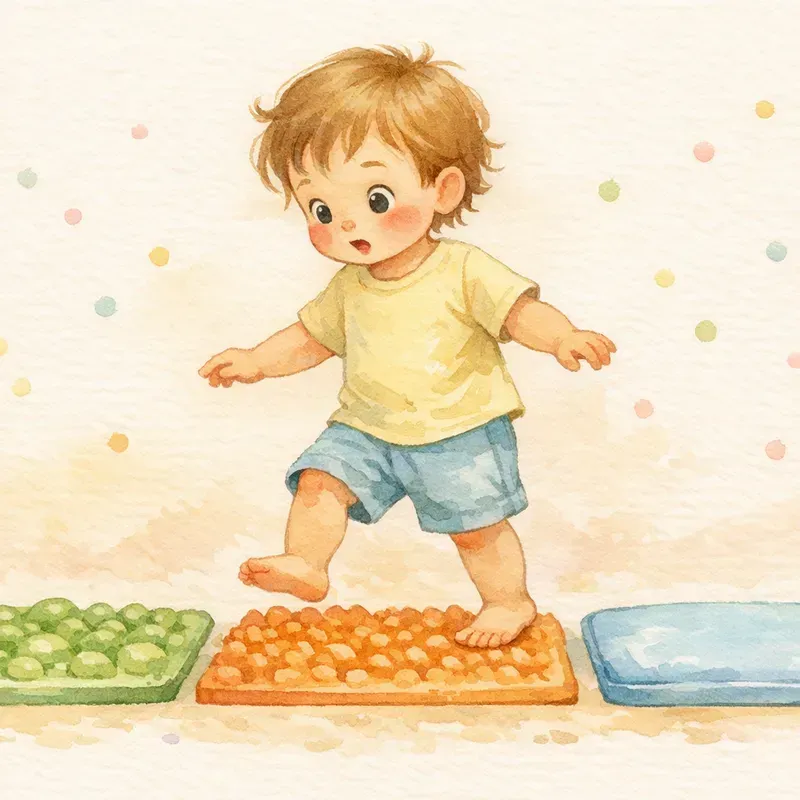
Barefoot Texture Walk
- Age
- 1–4 years
- Time
- 10–20 min
- Energy
- Hands-on
- Mess
- Some mess
You'll need: Bubble wrap, Towel, Aluminum foil +2 more
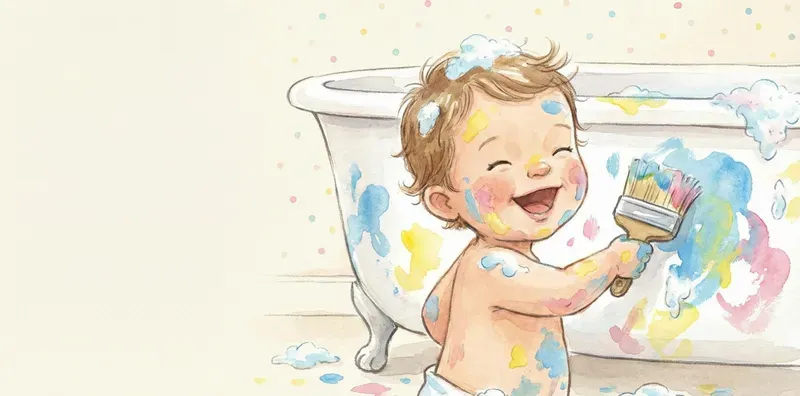
Bath Tub Paint
- Age
- 1–5 years
- Time
- 15–30 min
- Energy
- Low-energy
- Mess
- Some mess
You'll need: Shaving cream, Food coloring, Bath tub
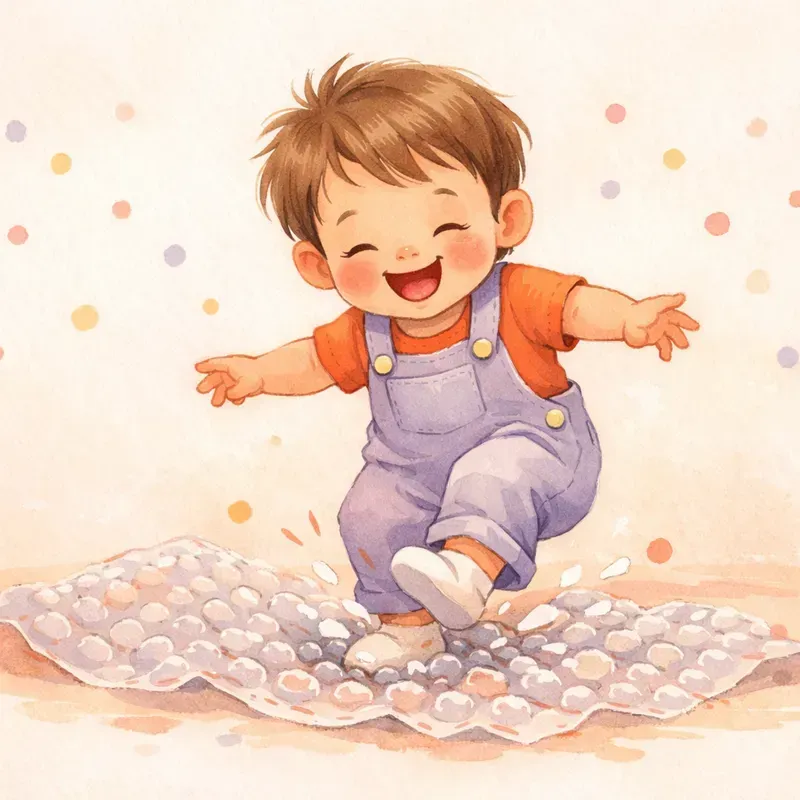
Bubble Wrap Stomp
- Age
- 1–5 years
- Time
- 5–15 min
- Energy
- Low-energy
- Mess
- Some mess
You'll need: Bubble wrap, Tape (optional)
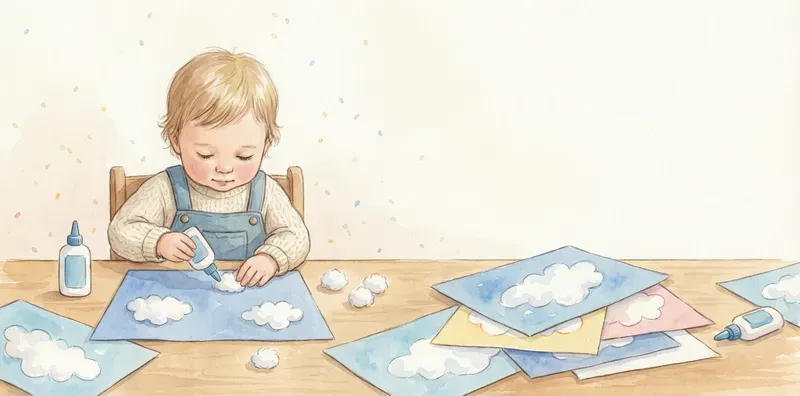
Cotton Ball Cloud Pictures
- Age
- 2–5 years
- Time
- 10–25 min
- Energy
- Low-energy
- Mess
- Some mess
You'll need: Blue paper, Cotton balls, Glue +1 more
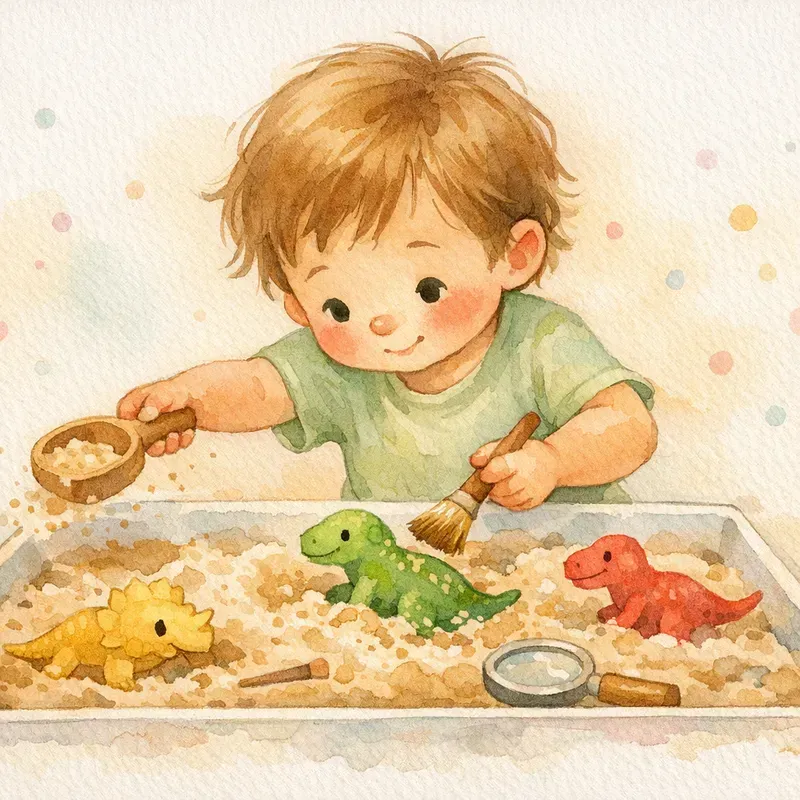
Dinosaur Excavation Dig
- Age
- 2–5 years
- Time
- 15–30 min
- Energy
- Hands-on
- Mess
- Some mess
You'll need: Sand or rice in container, Small dinosaur toys, Brushes and spoons
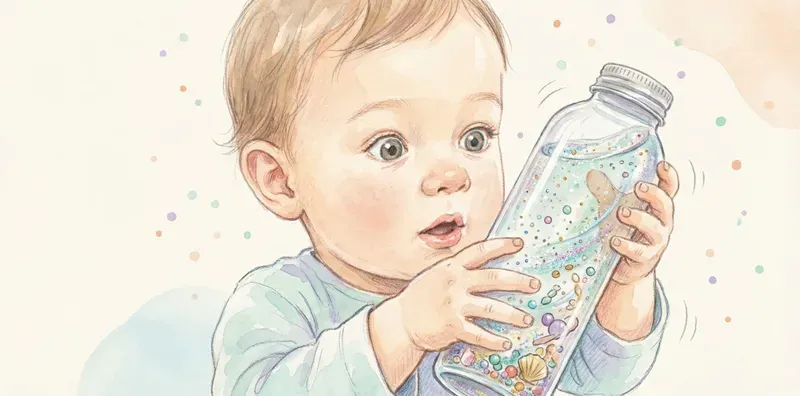
Discovery Bottles
- Age
- 0–3 years
- Time
- 5–15 min
- Energy
- Low-energy
- Mess
- Some mess
You'll need: Clear plastic bottles, Water, Glitter, beads, or small items +1 more
Tips for Sensory Play at 2 Years
- 1Add tools. Scoops, funnels, tongs, turkey basters, squeeze bottles. Tools extend engagement and build fine motor skills.
- 2Use a under-bed storage box. Flat and wide, with low sides, easy for them to reach in without tipping the whole thing over.
- 3Change the base weekly. Dried pasta one week, rice the next, water beads, kinetic sand. Same bin, new material, fresh interest.
- 4Accept the floor zone. Put a shower curtain or old sheet under the bin. Clean up in one scoop at the end.
More ideas in this collection
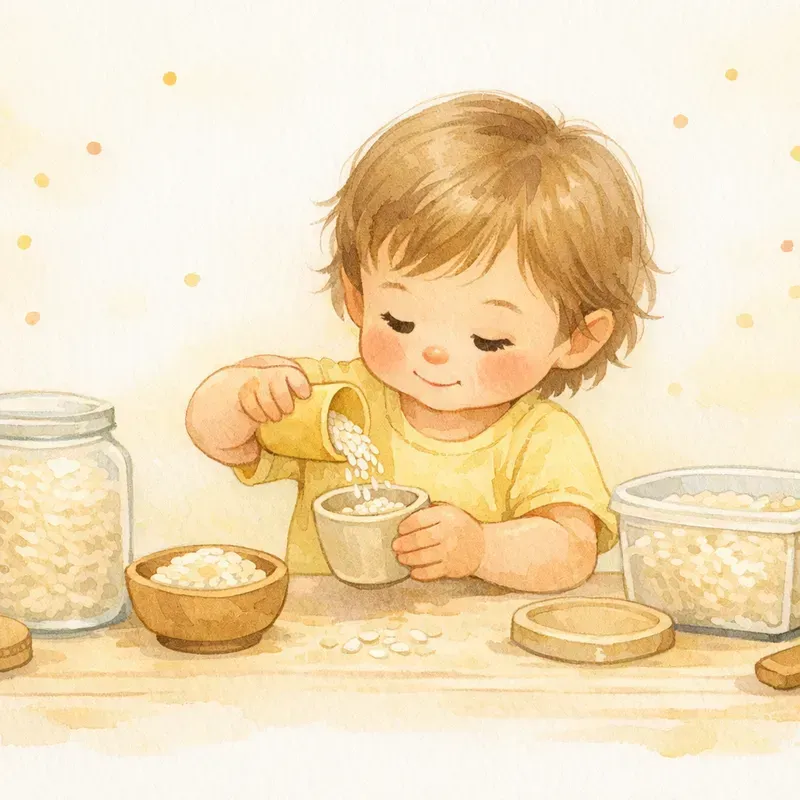
Dry Pouring Station
1–3 years · 10–20 min · Indoor · Low energy
Pouring requires wrist rotation and controlled tipping, skills that transfer directly to pouring drinks and using utensils. The repetitive scoop-pour-dump cycle is deeply calming for toddlers, similar to how adults find repetitive tasks meditative. Using a funnel adds precision aiming. The different sounds of beans hitting plastic vs. metal containers adds sensory richness that keeps them engaged.
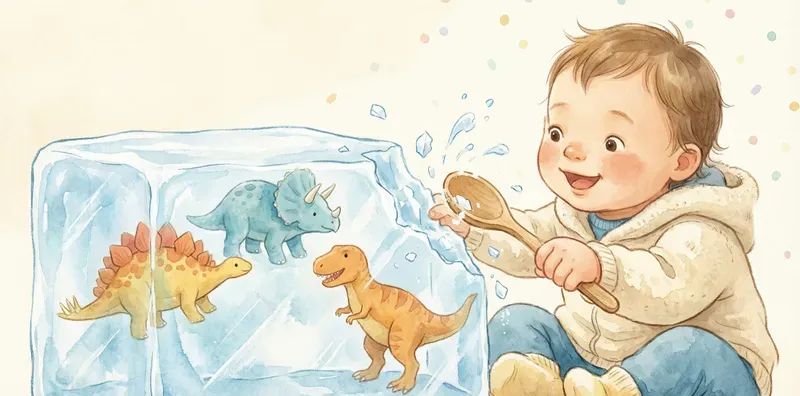
Frozen Toy Excavation
2–5 years · 15–30 min · Indoor
Combines science with problem-solving in an engaging sensory experience.
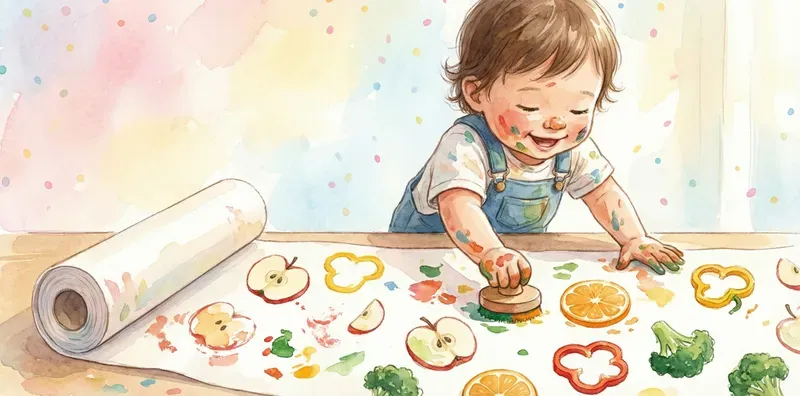
Fruit and Veggie Stamping
2–5 years · 15–30 min · Indoor
Unexpected art medium sparks creativity and curiosity.
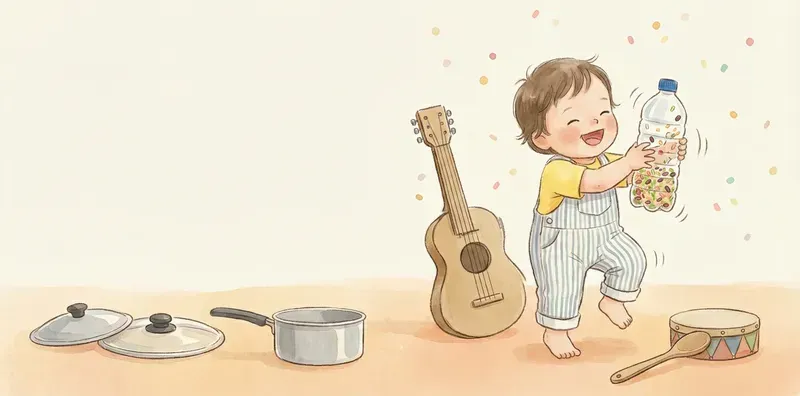
Homemade Music Shakers
1–4 years · 10–20 min · Indoor
Making instruments gives ownership while music stimulates brain development.
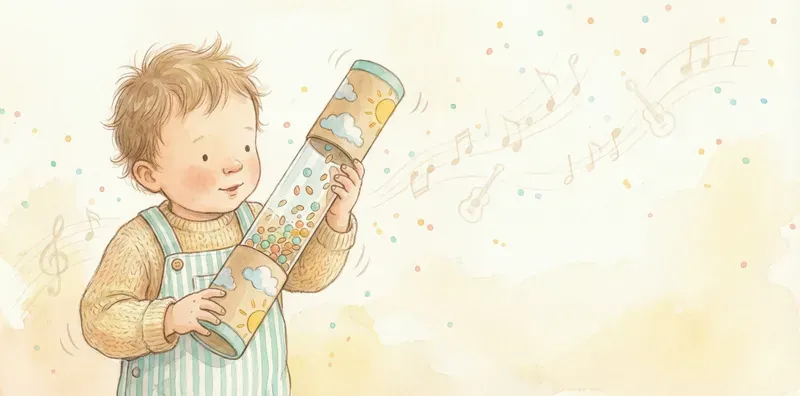
Homemade Rain Stick
2–5 years · 15–30 min · Indoor
Creating musical instrument from household items sparks pride.
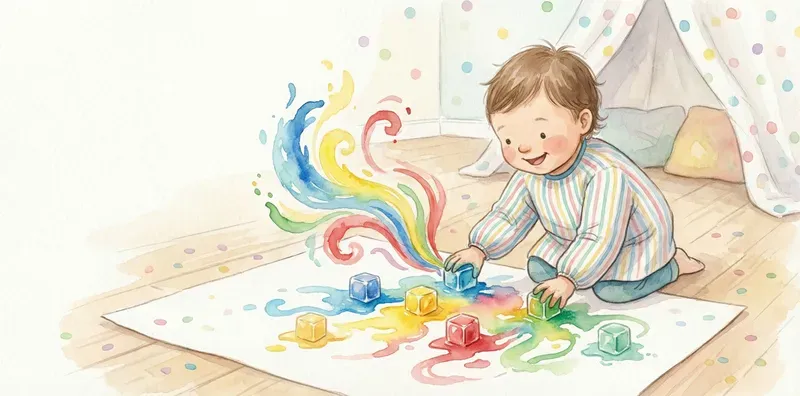
Ice Cube Painting
1–5 years · 10–25 min · Indoor
Multi-sensory experience combines temperature, color, and movement.
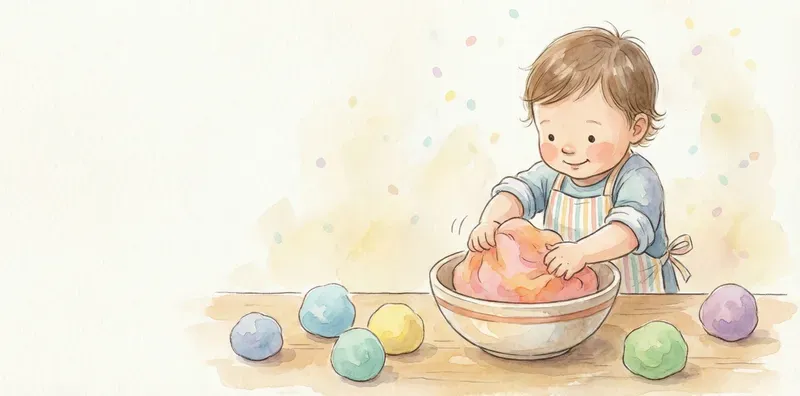
Make Homemade Playdough
2–6 years · 20–40 min · Indoor
Science experiment creates lasting toy while building measuring skills.
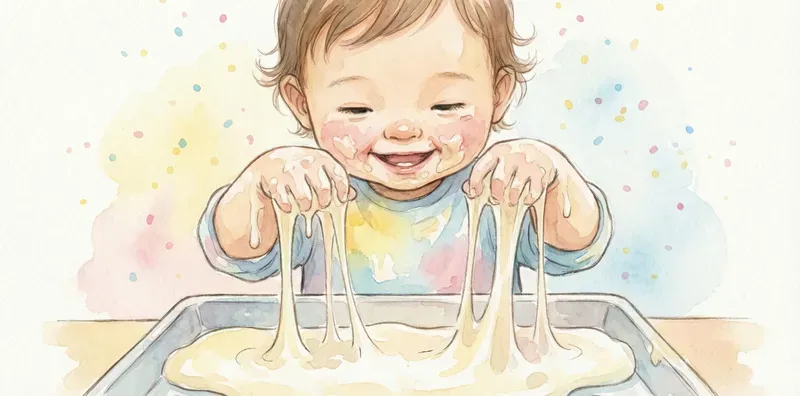
Oobleck Goo Exploration
2–6 years · 15–30 min · Indoor
Non-Newtonian fluid fascinates and teaches science concepts.
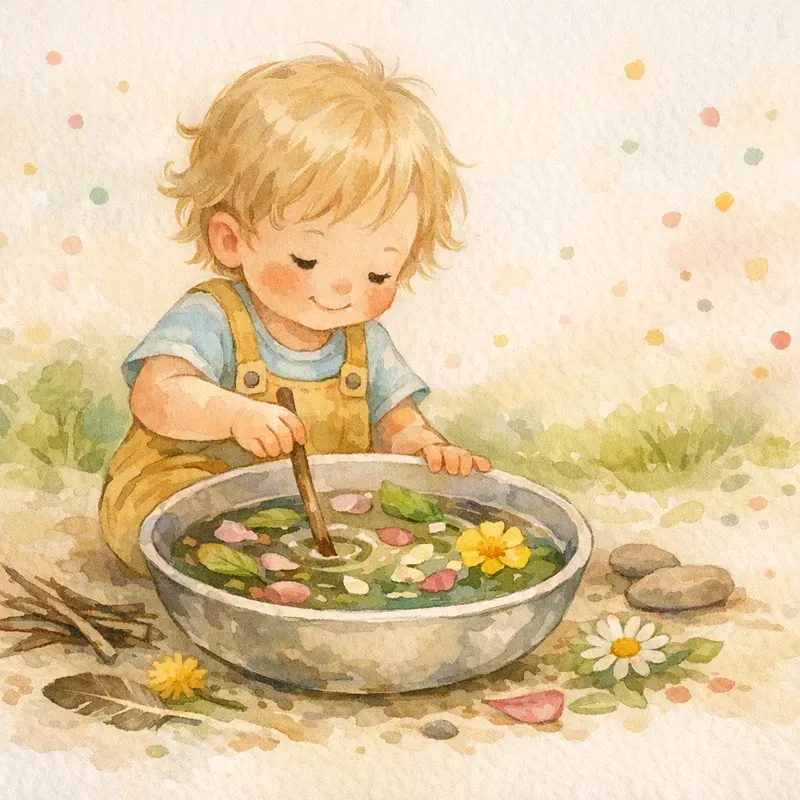
Outdoor Nature Soup
1–5 years · 15–30 min · Outdoor · Low energy
Nature exploration combined with imaginative cooking play.
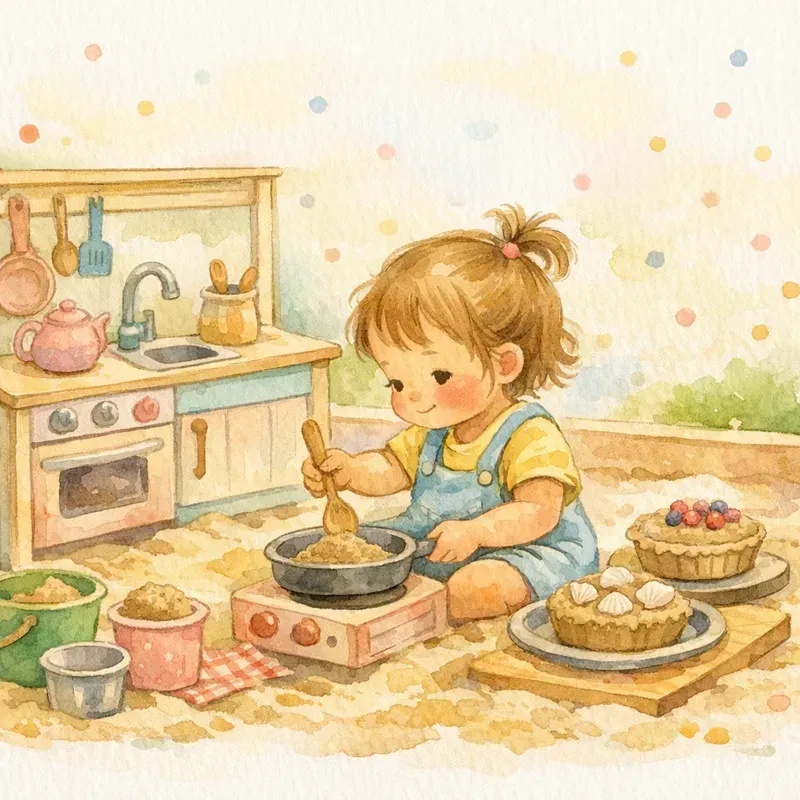
Outdoor Sand Kitchen
1–5 years · 15–45 min · Outdoor · Low energy
Open-ended sensory play with imaginative elements.
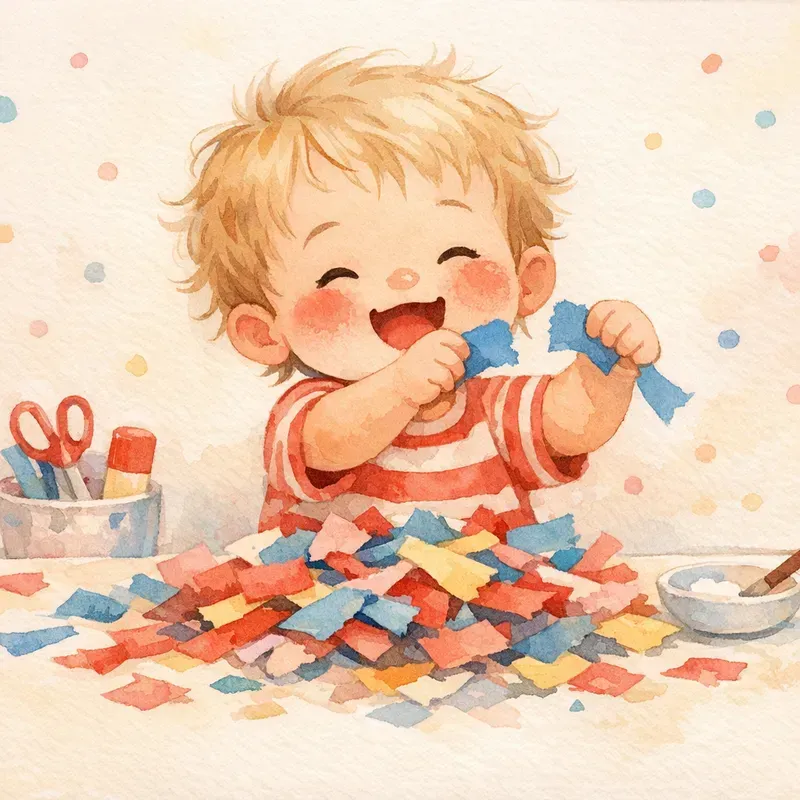
Paper Ripping Fun
1–3 years · 5–15 min · Indoor · Low energy
Ripping is satisfying hand exercise and acceptable destruction.
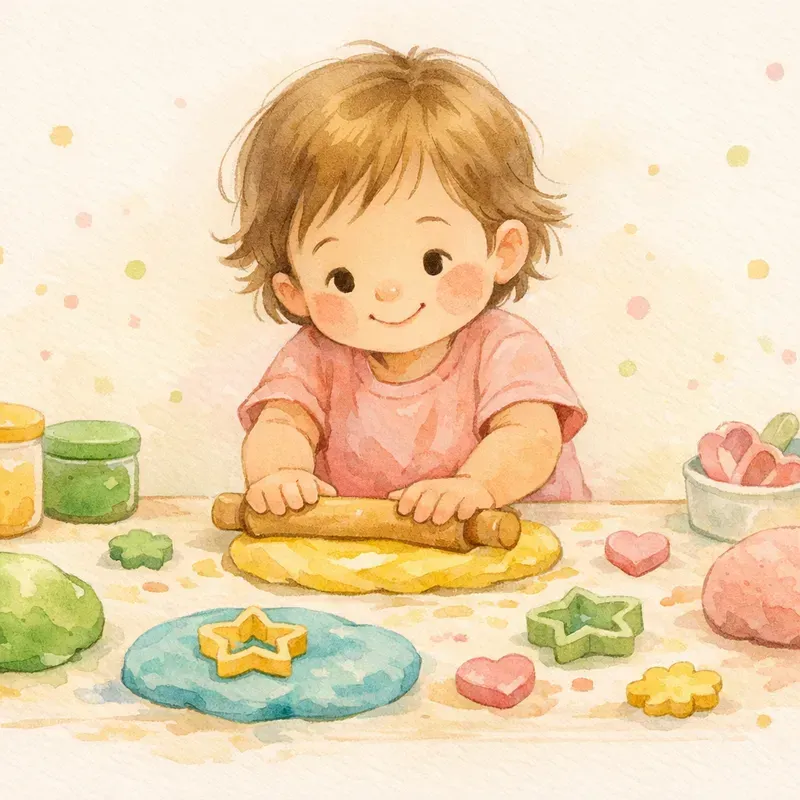
Play Dough Squish
1–5 years · 15–30 min · Indoor · Low energy
Squeezing, pinching, and rolling play dough works every small muscle in the hand. It's the same resistance training that occupational therapists prescribe for building writing-ready hand strength, but to a toddler, it's just fun. The sensory input from the soft, squishy texture is naturally calming, making this a go-to for winding down before nap or when emotions are running hot.
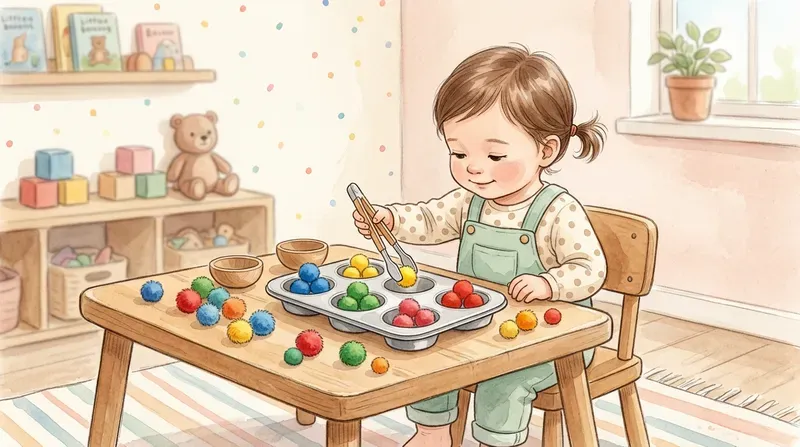
Pom Pom Sorting & Transfer
1–4 years · 10–20 min · Indoor · Low energy
Pom poms are squishy, colorful, and satisfying to grab, they don't roll away as easily as marbles and feel rewarding to pick up. Sorting by color builds early categorization skills, while the pinch-and-release motion with tongs or tweezers strengthens the same small hand muscles needed for writing and buttoning.
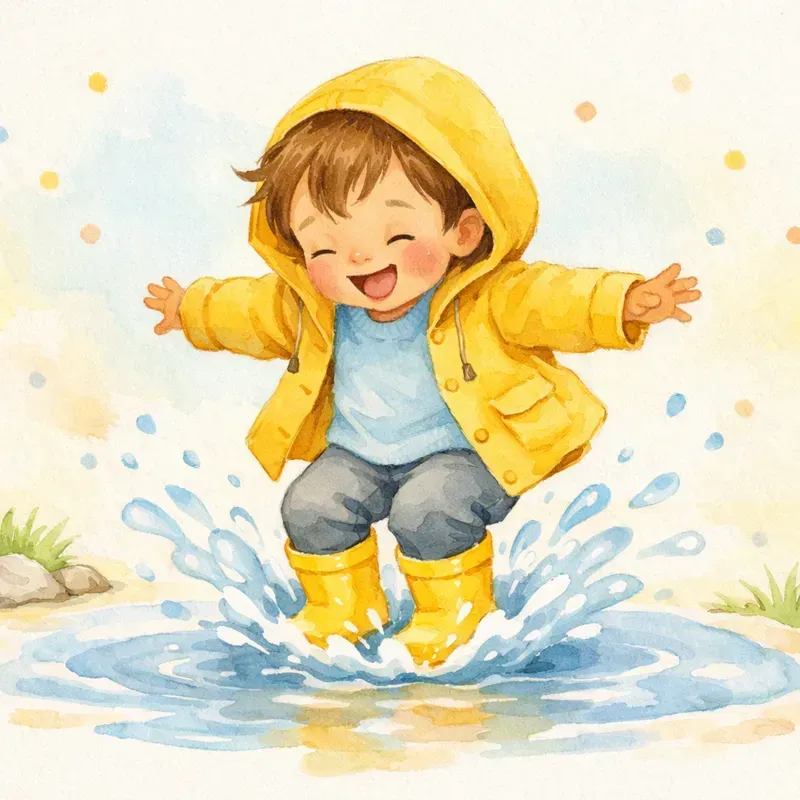
Puddle Jumping
1–6 years · 10–30 min · Outdoor
Stomping and splashing gives big sensory input and an easy way to burn energy. The rules could not be simpler, so it holds their attention with zero setup from you.
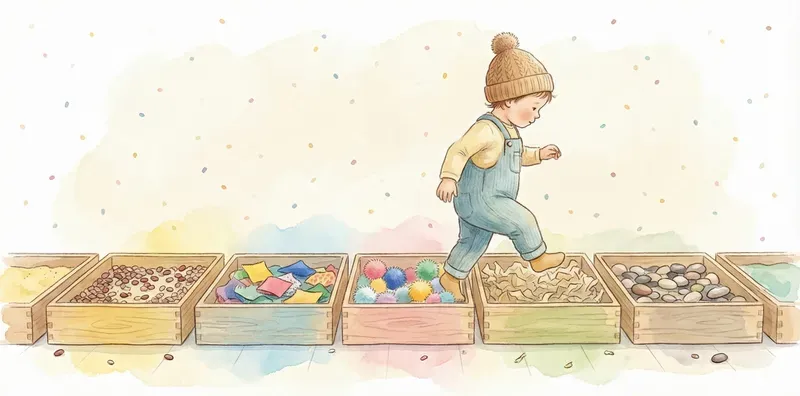
Sensory Box Walk
1–4 years · 15–25 min · Indoor
Multi-sensory experience builds vocabulary and body awareness.
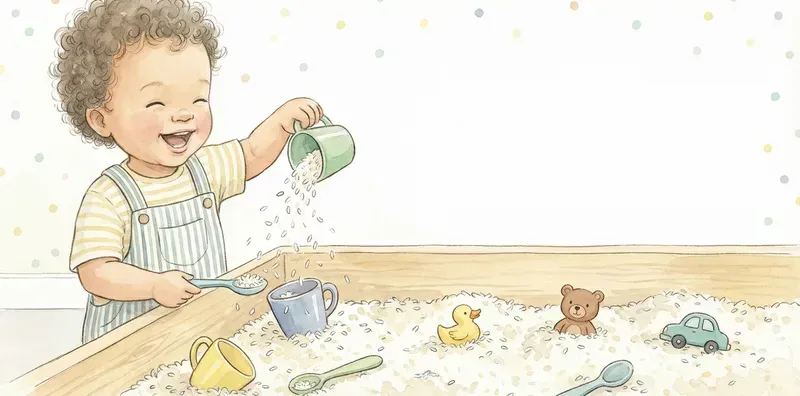
Sensory Rice Bin
1–4 years · 15–30 min · Indoor · Low energy
Running fingers through rice provides deep sensory input that calms the nervous system, while scooping and pouring build the hand strength and wrist control needed for self-feeding and writing. The repetitive fill-dump-fill cycle is meditative for toddlers. It's one of those activities where they'll zone in happily while you sit nearby.
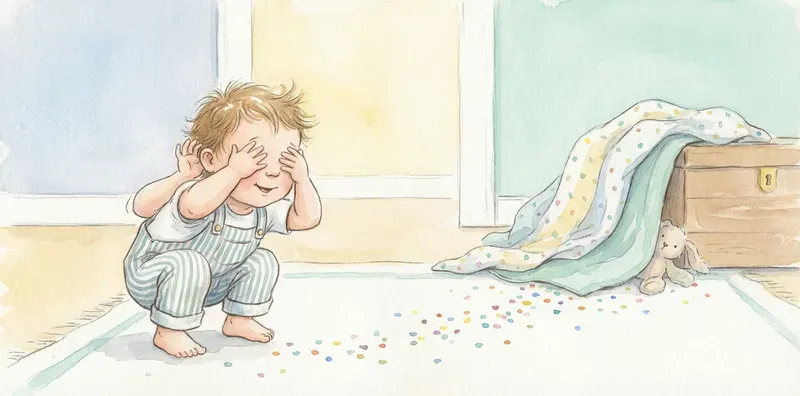
Sound Hide and Seek
2–5 years · 10–20 min · Indoor
Listening for a hidden sound develops auditory processing, the ability to isolate and locate sounds in space. This is the same skill that helps kids follow spoken instructions in noisy environments and distinguish similar speech sounds while learning to read. The treasure-hunt format keeps them moving and engaged while they practice spatial reasoning and problem-solving.
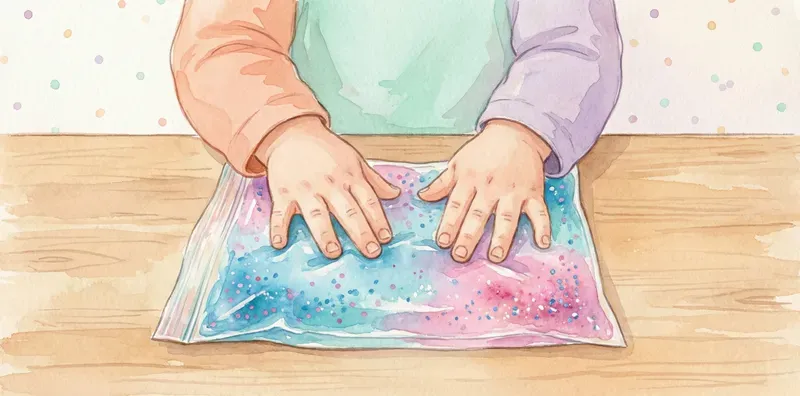
Squishy Sensory Bag
0–3 years · 5–20 min · Indoor · Low energy
Mess-free sensory exploration safe for all ages.
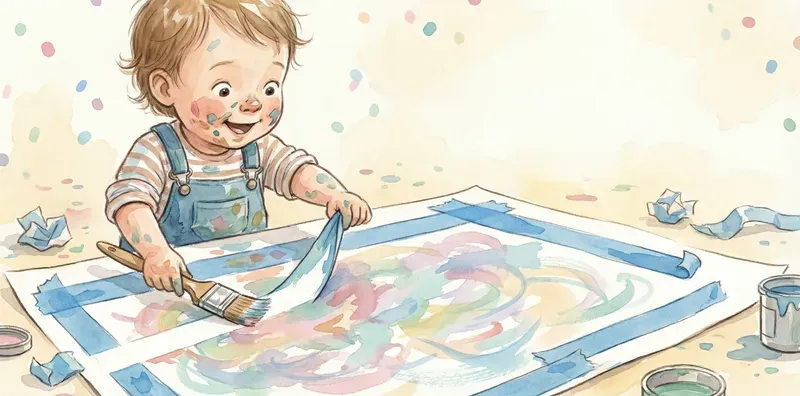
Tape Resist Painting
2–6 years · 15–30 min · Indoor
Peeling the tape to reveal crisp white lines under the paint gives a satisfying reveal, and it works even for kids who aren't sure what to paint yet.
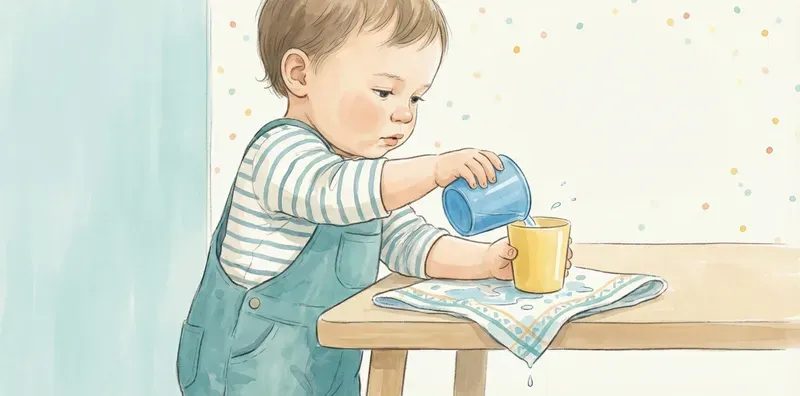
Water Transfer Game
2–5 years · 10–25 min · Indoor · Low energy
Water play is inherently calming: the sound and feel of water reduces stress in toddlers. Squeezing a sponge builds the exact hand muscles needed for pencil grip later. The baster requires a pinch-and-release motion that strengthens the thumb and index finger. And the focused, repetitive nature of transferring keeps toddlers engaged for surprisingly long stretches.
Read
Guides for this topic
Guide
Play Dough Activities for Toddlers (That Build Hand Strength)
Play dough ideas for toddlers that build the hand strength behind writing and self-care. A no-cook recipe, simple setups by age, and mess that stays contained.
Why read: A deeper, practical how-to
Guide
5 Sensory Play Ideas for Fine Motor Skills
Sensory activities that double as fine motor practice. Rice bins, water transfer, play dough, and more, all with household items and zero prep stress.
Why read: A deeper, practical how-to
Guide
Best Gifts for 2-Year-Olds (That Earn Their Shelf Space)
Gift ideas for 2-year-olds that get used past the birthday party: play subscriptions, fine-motor tools, and when a cardboard box still wins.
Why read: A deeper, practical how-to
Related categories
Browse by age
Questions parents ask
What goes in a sensory bin for a 2-year-old?
A base material (dried rice, pasta, kinetic sand, water beads, shaving foam) plus tools (cups, scoops, spoons) and a few small toys to find. Theme it if you want, dinosaurs in "mud", farm animals in oats, but they’re happy with just the base and tools.
How messy is sensory play with a 2-year-old?
Moderately messy, but containable. A sheet under the bin catches 90% of spills. Dry materials (rice, pasta) sweep up. Wet ones (water, foam) are better done in the bath or on a kitchen floor.
Can 2-year-olds use water beads safely?
Standard water beads are not recommended under 3 due to ingestion risk. Use jumbo water beads (too big to swallow) and always supervise. Alternatively, cooked tapioca pearls give a similar squishy texture and are safe if eaten.
Not sure where to start?
Let the generator pick a sensory for 2-year-olds idea for you, no scrolling required.
Get an activity