5 Sensory Play Ideas for Fine Motor Skills
Sensory activities that double as fine motor practice. Rice bins, water transfer, play dough, and more, all with household items and zero prep stress.
Sensory play and fine motor skills look like separate things, but they’re deeply connected. When your toddler scoops rice, squishes play dough, or threads pasta onto yarn, they’re building the hand strength and coordination they’ll need for writing, buttoning shirts, and using utensils. Here are five activities that do both at once, using things you already have at home.
Why Sensory Materials Build Stronger Hands
Fine motor drills (tracing worksheets, holding a pencil “correctly”) ask small muscles to do precise work. But those muscles need strength first, and that’s where sensory play comes in. Pushing through rice, squeezing dough, and gripping slippery wet objects all build the foundational hand strength that makes precision possible later.
The other advantage: toddlers will sit with sensory materials for much longer than they’ll sit with a worksheet. The textures, sounds, and tactile feedback keep them engaged, so they get more practice without anyone having to push them.
5 Activities That Combine Both
1. Sensory rice bin with scoops
Pour a few cups of dry rice into a shallow container. Add measuring cups, spoons, and small bowls. The simple act of scooping and pouring rice builds wrist rotation and grip strength. Hide small toys or letter magnets in the rice to add a search-and-find element that works the pincer grip.
Tip: lay a towel or shower curtain under the bin. Rice will escape. Accepting that in advance saves frustration.
2. Water transfer station
Set up two bowls of water and provide turkey basters, sponges, or small cups. Squeezing a turkey baster is one of the best hand-strength exercises for toddlers, and they’ll do it voluntarily because watching water shoot out is endlessly interesting. Sponge squeezing works the same muscles in a different way.
This one works well in the bathtub or kitchen sink if you want zero floor cleanup.
3. Play dough squish and roll
Play dough is the classic fine motor material for good reason. Rolling, pinching, squishing, and pulling apart dough directly strengthens the hand muscles used for pencil grip. Add cookie cutters, a garlic press, or plastic scissors to vary the movements.
For extra sensory input, make homemade dough with a few drops of essential oil or food colouring. The smell and colour make the same activity feel new.
4. Pom-pom sorting with tongs or spoons
Scatter coloured pom-poms in a bowl and set out a muffin tin or egg carton. Ask your toddler to sort by colour. The pom-poms are soft and light (sensory), and picking them up with fingers, tongs, or a spoon works the pincer grip and hand-eye coordination.
Start with fingers for younger toddlers (12-18 months). Introduce kid-friendly tongs around age 2 when their grip is strong enough.
5. Noodle threading
Cook some penne or rigatoni (the tubes need to be big enough for little fingers to handle). Give your child a piece of yarn, a pipe cleaner, or an uncooked spaghetti strand stuck in play dough, and let them thread the noodles onto it. Threading is a direct precursor to sewing, lacing shoes, and the coordination needed for writing.
The cooked noodles add a sensory dimension that beads or buttons don’t have. They’re squishy, slippery, and interesting to touch, which keeps toddlers at the task longer.
When to Start (and What to Expect by Age)
- 12-18 months: Mostly exploring and dumping. This is normal and valuable. Offer large scoops and taste-safe materials. Expect short sessions (5-10 minutes).
- 18-24 months: Scooping, pouring, and basic sorting emerge. They can use a spoon to transfer and will start to pinch small objects deliberately.
- 2-3 years: Threading, tong use, and intentional sorting by colour or size. Hand strength increases quickly at this age. Sessions can run 15-20 minutes.
- 3-4 years: Scissor use, more complex threading patterns, and the ability to manipulate smaller objects. Play dough creations get more intentional.
Combine with Movement
After a focused fine motor session, toddlers often need to move. Alternate sensory table time with a gross motor break. Body letter making is a good complement: it uses the whole body instead of just hands, and sneaks in letter recognition while burning energy.
For more fine motor activities beyond sensory play, browse all fine motor activities or check the development through play guide for a bigger picture of how play builds skills across all areas.
Put it into practice
Try these activities
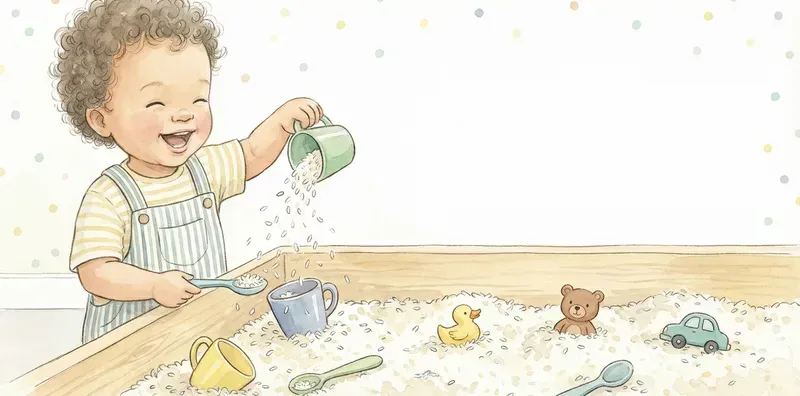
Sensory Rice Bin
- Age
- 1–4 years
- Time
- 15–30 min
- Energy
- Low-energy
- Mess
- Some mess
You'll need: Uncooked rice (2-3 cups), Large container or bin, Cups, spoons, small toys +1 more
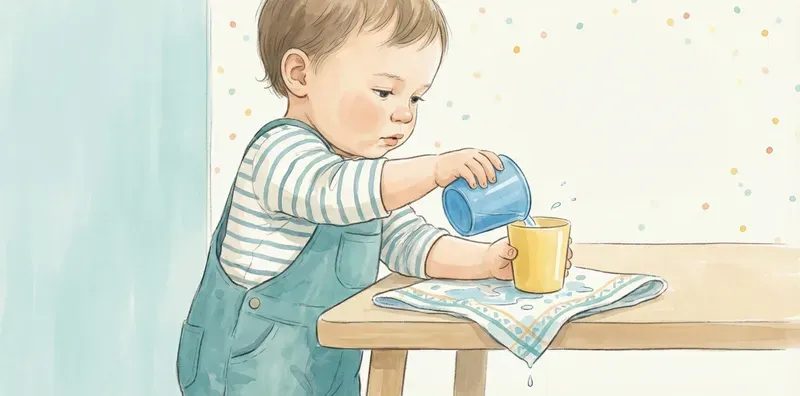
Water Transfer Game
- Age
- 2–5 years
- Time
- 10–25 min
- Energy
- Low-energy
- Mess
- Some mess
You'll need: Two containers or bowls, Sponge, cup, or turkey baster, Towel or waterproof mat +1 more
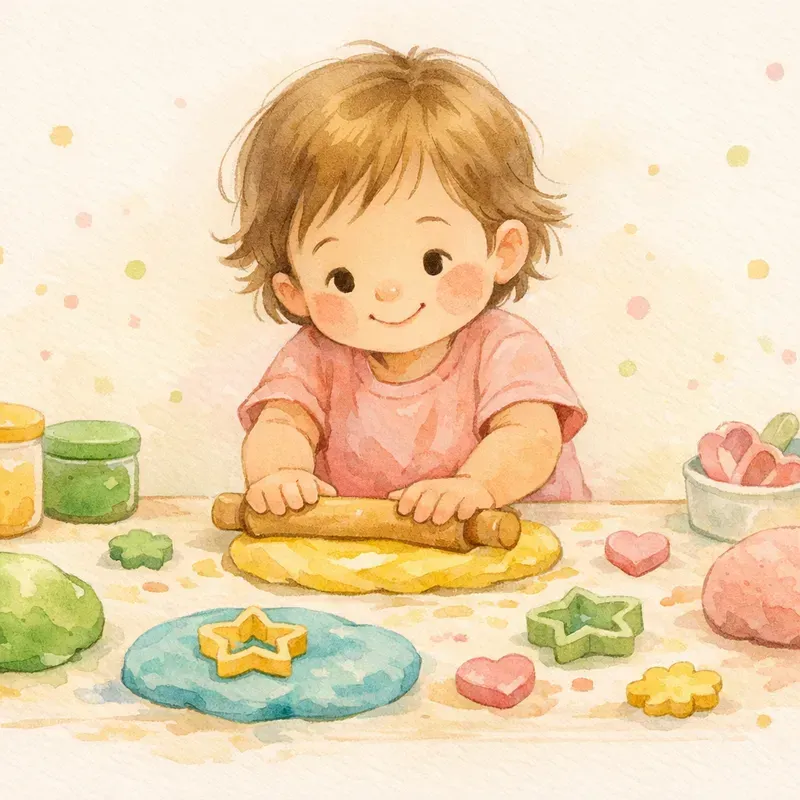
Play Dough Squish
- Age
- 1–5 years
- Time
- 15–30 min
- Energy
- Low-energy
- Mess
- Some mess
You'll need: Play dough (store-bought or homemade), Rolling pin, cup, or bottle for rolling, Cookie cutters, plastic utensils, or a fork
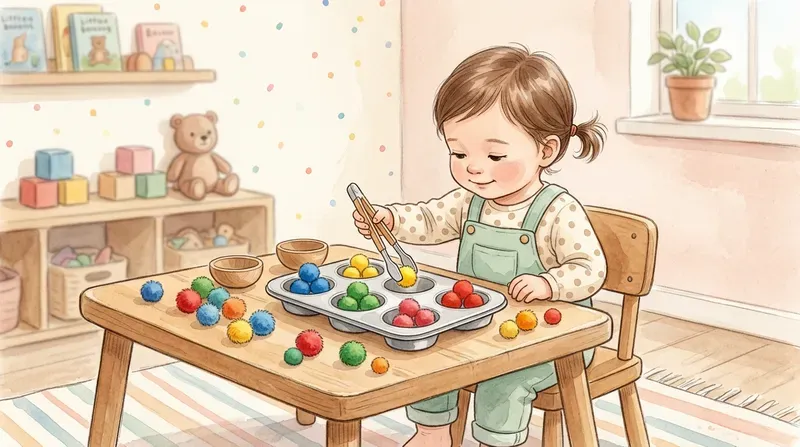
Pom Pom Sorting & Transfer
- Age
- 1–4 years
- Time
- 10–20 min
- Energy
- Low-energy
- Mess
- Some mess
You'll need: Pom poms (mixed colors and sizes), Muffin tin or small cups, Tongs, tweezers, or a spoon
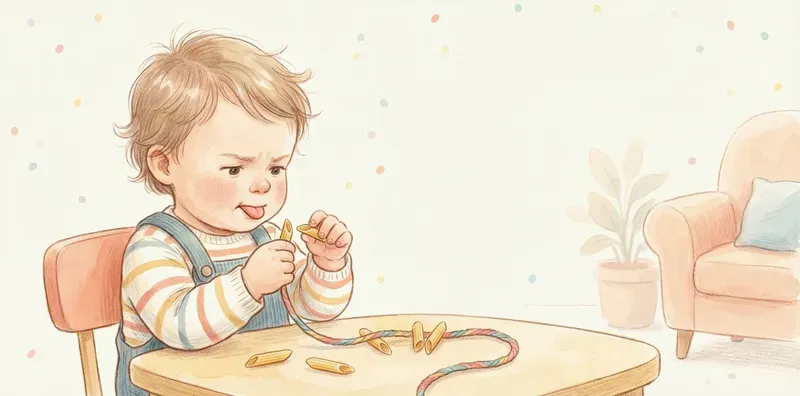
Noodle Threading
- Age
- 2–5 years
- Time
- 10–20 min
- Energy
- Low-energy
- Mess
- No mess
You'll need: Dried penne or rigatoni pasta (10-15 pieces), String, yarn, or pipe cleaners, Tape (optional, to stiffen string end)
Keep reading
Related guides & topics
Common questions
What age should I start sensory play for fine motor development?
How does sensory play actually help fine motor skills?
My toddler just dumps everything on the floor. Is that normal?
Need an idea right now?
Skip the scrolling, tell the generator your child's age and how long you've got.
Get an activityStay stocked with ideas
A few fresh play ideas, every now and then.
Practical activities and short parenting reads, no spam, no fluff, unsubscribe anytime.
Written by the TinyPlay team
We're parents who got tired of complicated activity ideas. Everything here is practical, low-prep, and built around how toddlers actually play, no ads in your face, no sign-up walls, no Pinterest pressure.