Play ideas
Easy Crafts for Toddlers
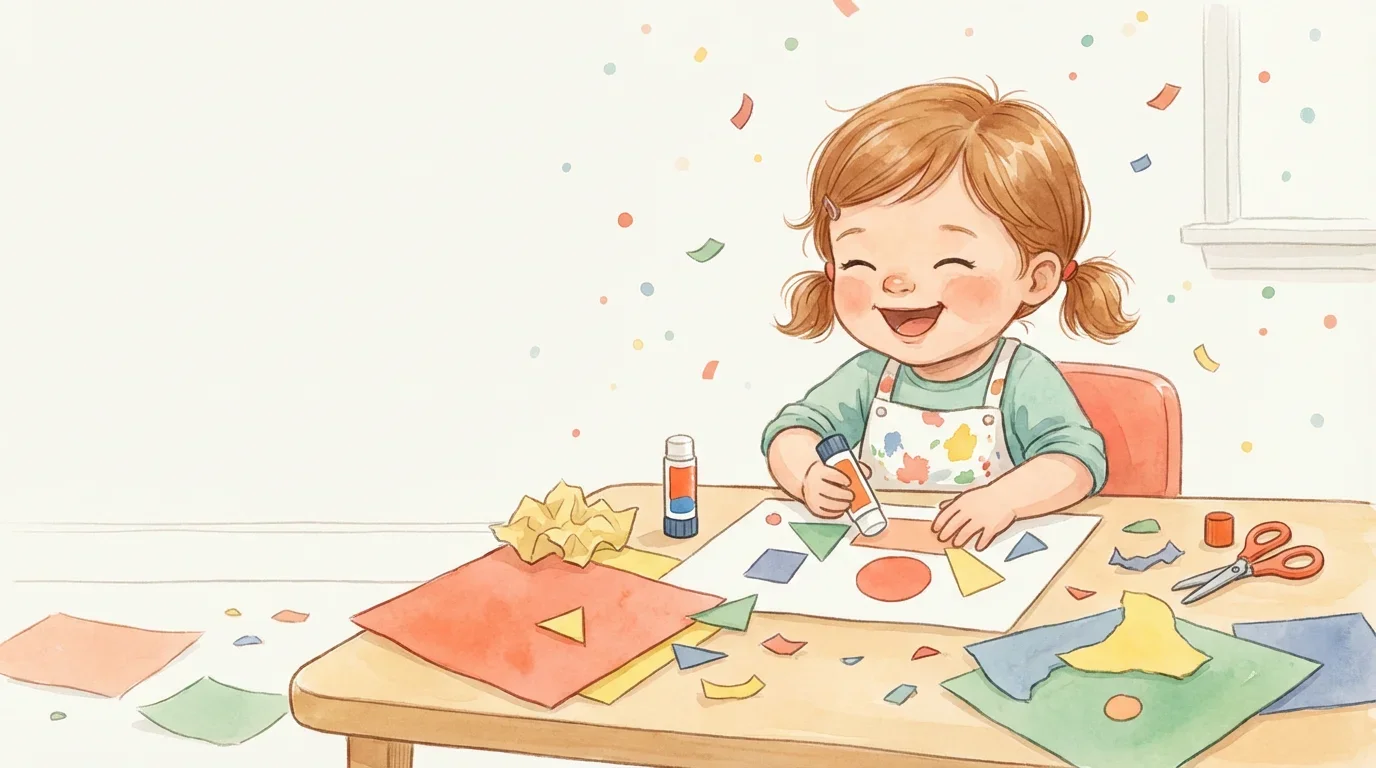
Toddler crafts don't need to be complicated. Forget the Pinterest-perfect projects that require 15 supplies and an hour of prep. The best craft activities for young kids are messy, simple, and focused on the process, not the result.
These 32+ easy craft ideas work for children aged 1 to 4 and use supplies you already have: paper, crayons, tape, glue sticks, cotton balls, pasta, and other household staples. Your toddler doesn't need fancy materials to explore color, texture, and shapes. A crayon and a piece of paper is a blank canvas for a 2-year-old. Finger painting with washable paint on a tray is a full sensory experience.
The key to toddler crafts is letting go of what the end result "should" look like. Scribbles are creative expression. Glue globs are fine motor practice. A contact paper collage that looks like abstract chaos? That's your child learning about sticky vs. smooth, color vs. shape, and cause vs. effect. Every craft here is chosen because the doing is the point, and cleanup is manageable.
Top 8 Craft Picks by Age & Mess Level
Sorted by how little cleanup you'll need.
Supplies You Already Have
Every craft on this page uses common household items. No craft store trip needed.
What to Expect by Age
1 year olds - Sensory explorers
At this age, crafts = touching things. Finger painting, paper ripping, contact paper collages, and water painting work great. More activities for 1 year olds →
2 year olds - Scribble artists
Two year olds can start using dot markers, stamp with objects, stick stickers with purpose, and make cotton ball collages. They'll scribble and that's wonderful. More activities for 2 year olds →
3-4 year olds - Creative builders
Now they can use scissors (with help), thread noodles, fold paper airplanes, make paper chains, and create masks. The crafts get more structured but still keep it simple. More activities for 3 year olds →
All Craft & Art Activities
32 activities. Scroll or browse by tag.
Featured easy crafts
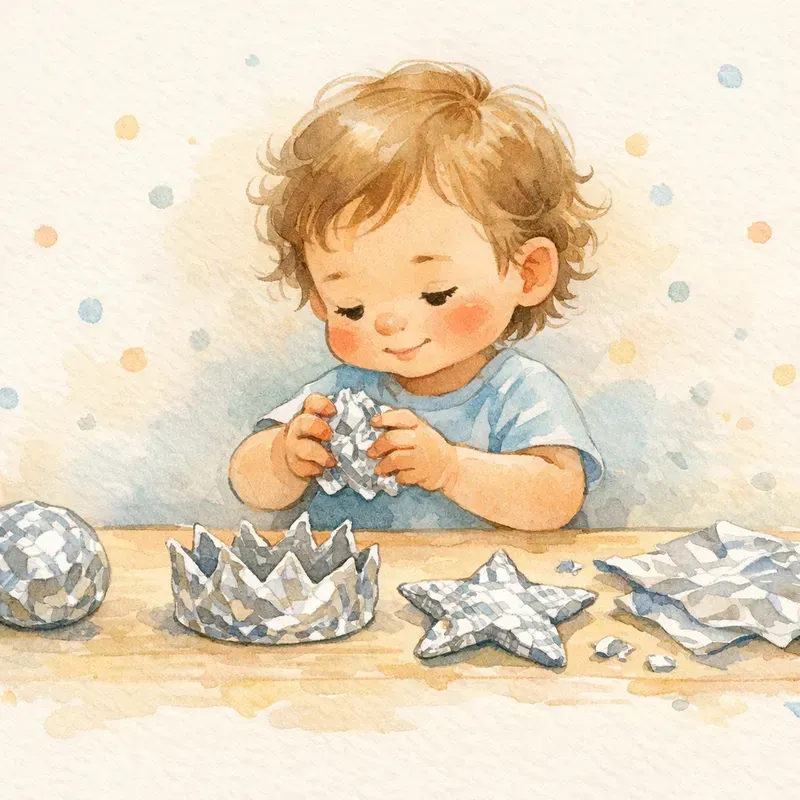
Aluminum Foil Sculptures
- Age
- 3–6 years
- Time
- 10–25 min
- Energy
- Low-energy
- Mess
- No mess
You'll need: Aluminum foil, Scissors (adult use)
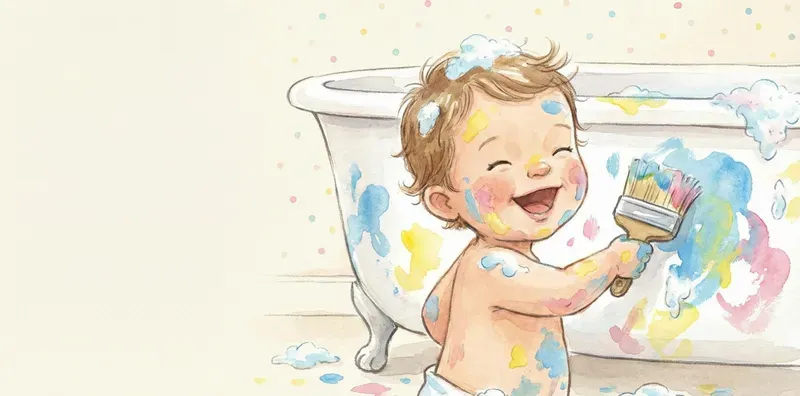
Bath Tub Paint
- Age
- 1–5 years
- Time
- 15–30 min
- Energy
- Low-energy
- Mess
- Some mess
You'll need: Shaving cream, Food coloring, Bath tub
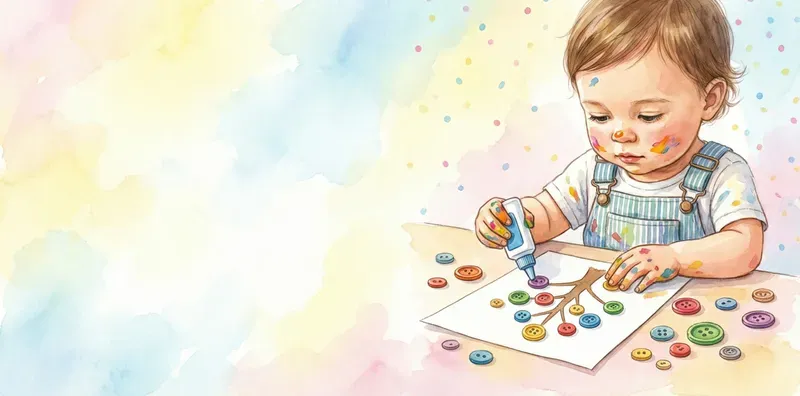
Button Art Pictures
- Age
- 3–6 years
- Time
- 15–30 min
- Energy
- Low-energy
- Mess
- Some mess
You'll need: Various buttons, Paper, Glue +1 more
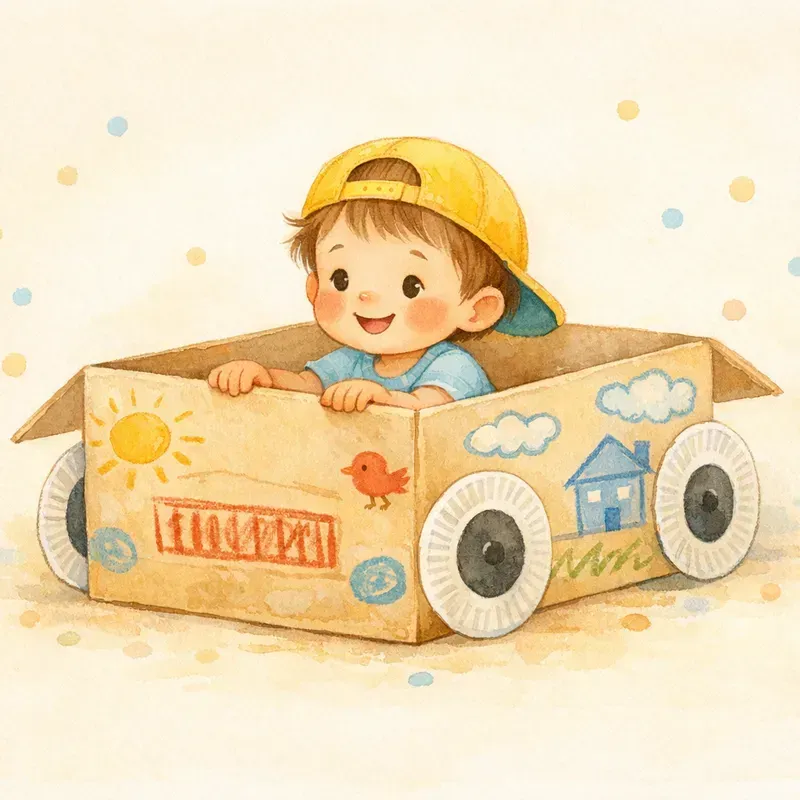
Cardboard Box Car
- Age
- 1–4 years
- Time
- 10–20 min
- Energy
- Low-energy
- Mess
- No mess
You'll need: Large cardboard box, Crayons or markers, Paper plates (optional wheels)
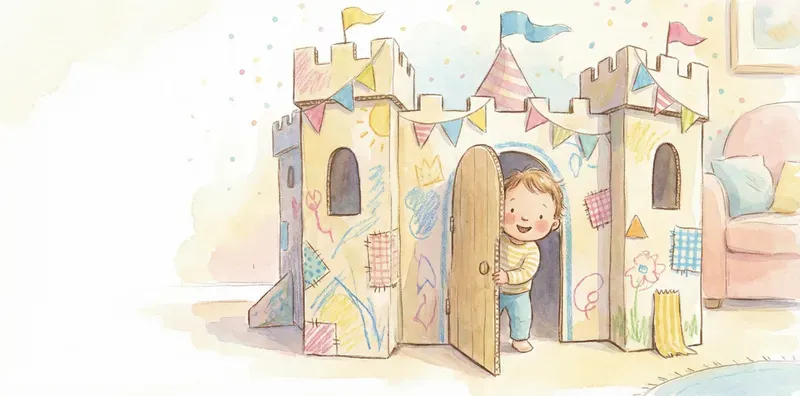
Cardboard Box Castle
- Age
- 2–6 years
- Time
- 20–45 min
- Energy
- Hands-on
- Setting
- Indoor
You'll need: Large cardboard box, Scissors (adult), Markers +1 more
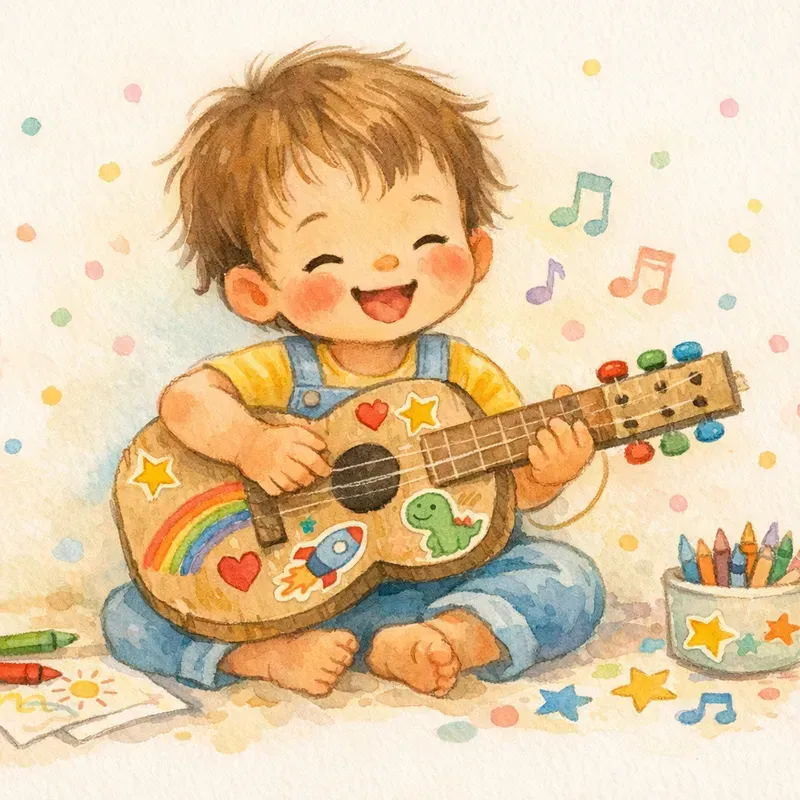
Cardboard Box Guitar
- Age
- 2–5 years
- Time
- 15–30 min
- Energy
- Hands-on
- Setting
- Indoor
You'll need: Tissue box or small cardboard box, Rubber bands, Paper towel roll +1 more
7 Tips for Toddler Craft Time
- 1Process over product. The goal is the experience of creating, not the finished piece. Let them finger paint without worrying about what it looks like.
- 2Prep everything first. Cut paper, open paints, lay down newspaper before calling your toddler over. Once they arrive, you want zero interruptions.
- 3Use washable everything. Washable paint, washable markers, washable glue. Future-you will be grateful.
- 4Let them choose colors. Even simple choices like "red or blue?" give toddlers autonomy and keep them engaged longer.
- 5Display their work. Hang artwork on the fridge or a string with clothespins. Seeing their creations displayed builds confidence.
- 6Match the craft to the mood. Energetic toddler? Try stamping or spray bottle art. Calm moment? Try sticker play or cotton ball clouds. Don't fight the energy, ride it.
- 7Have a "done" plan. Know where wet art will dry and have a wet cloth ready. Smooth endings prevent meltdowns.
More ideas in this collection
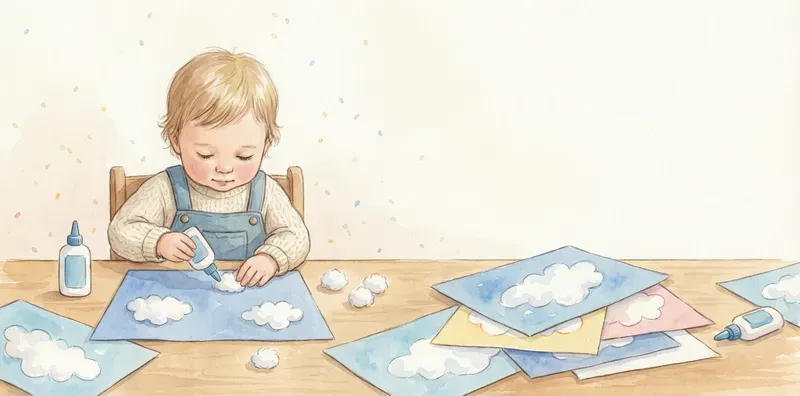
Cotton Ball Cloud Pictures
2–5 years · 10–25 min · Indoor · Low energy
Pulling and stretching cotton balls is quiet fine motor practice that strengthens the same finger muscles used for holding a pencil. Turning a flat cotton ball into a cloud shape asks your child to picture something and then make it real, which builds creative thinking and a little planning. The soft texture and the unhurried pace make it a calm, contained activity for days when you want them settled at the table.
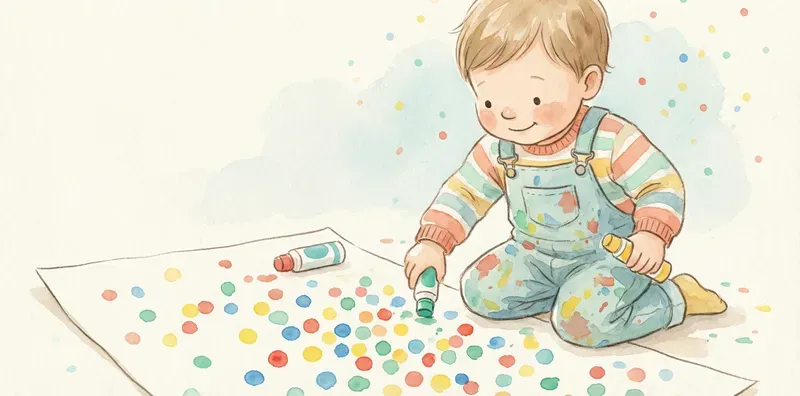
Dot Marker Art
1–5 years · 10–25 min · Indoor · Low energy
Dot markers give vivid, instant results with every single press. There's no way to 'fail' at this, which builds art confidence in hesitant kids. The press-and-lift motion strengthens the same hand muscles used for writing, and the chunky grip is perfect for small hands that struggle with thin crayons or pencils.
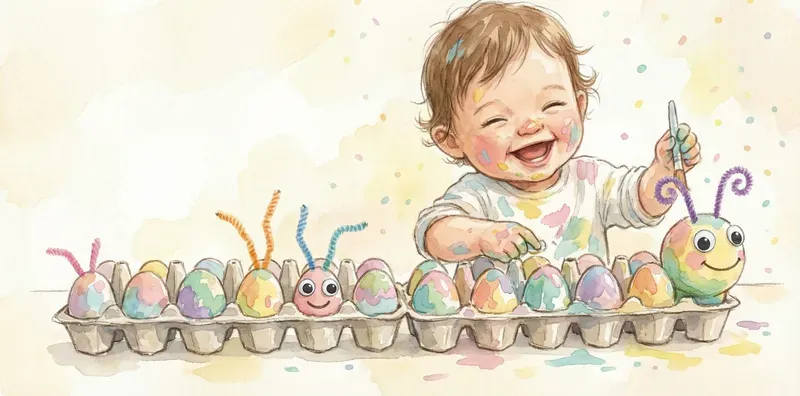
Egg Carton Caterpillar
2–5 years · 15–30 min · Indoor
Upcycled craft creates a toy to play with afterward.
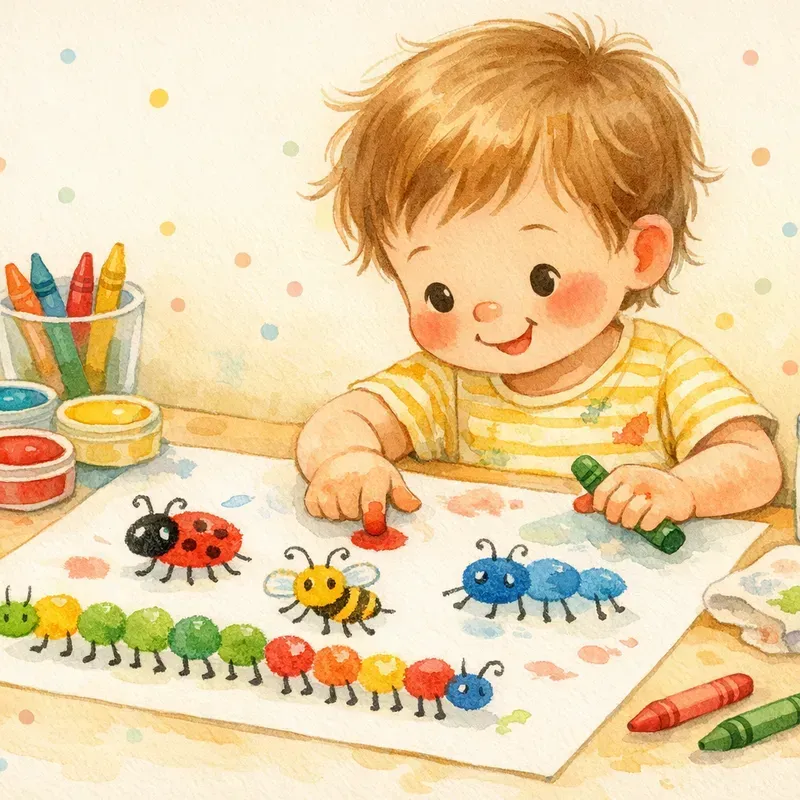
Fingerprint Creatures
2–6 years · 10–25 min · Indoor · Low energy
Combines mess-managed sensory with creative expression.
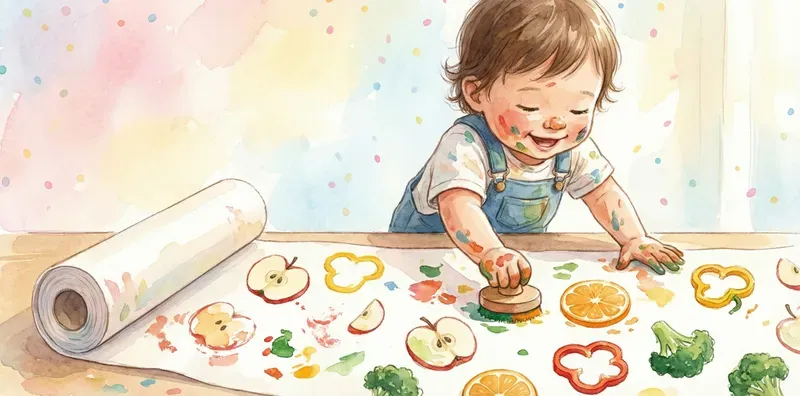
Fruit and Veggie Stamping
2–5 years · 15–30 min · Indoor
Unexpected art medium sparks creativity and curiosity.
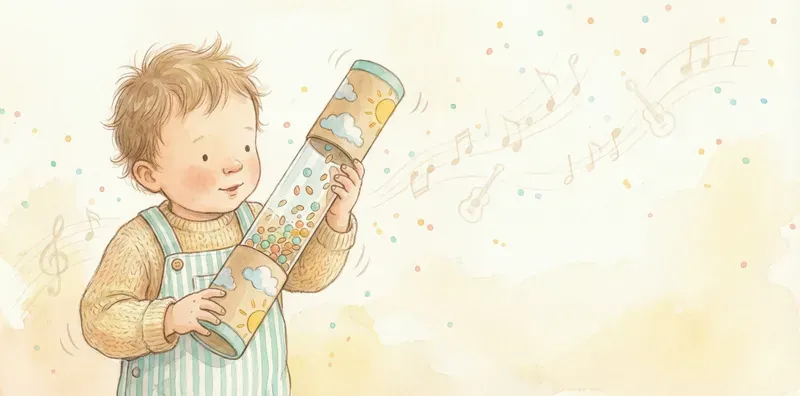
Homemade Rain Stick
2–5 years · 15–30 min · Indoor
Creating musical instrument from household items sparks pride.
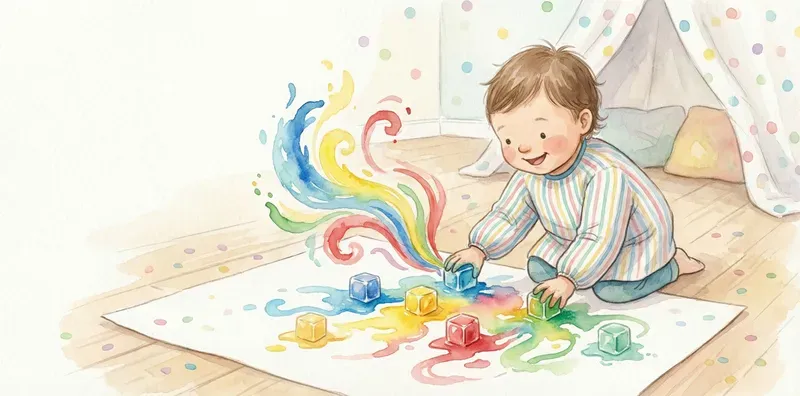
Ice Cube Painting
1–5 years · 10–25 min · Indoor
Multi-sensory experience combines temperature, color, and movement.
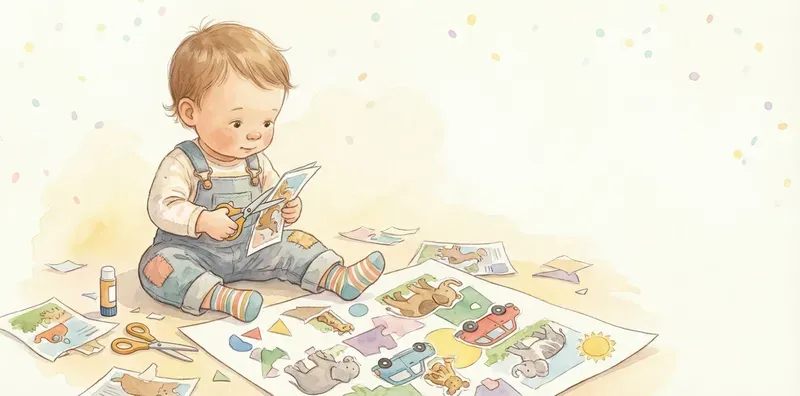
Magazine Picture Collage
3–6 years · 15–30 min · Indoor · Low energy
Visual literacy and design skills with creative expression.
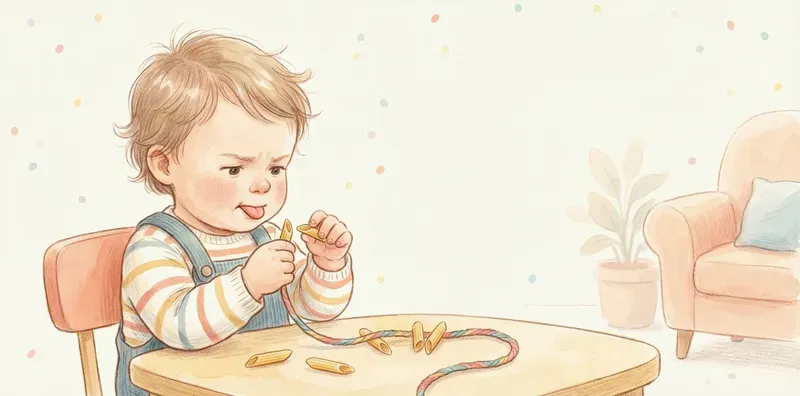
Noodle Threading
2–5 years · 10–20 min · Indoor · Low energy
Threading requires both hands working together in different roles (one holding, one pushing), which builds bilateral coordination. Lining up the string with the pasta hole demands precise hand-eye coordination and spatial awareness. It's also one of the most patience-building fine motor activities: each noodle requires careful, focused effort, teaching toddlers to persist through a multi-step task.
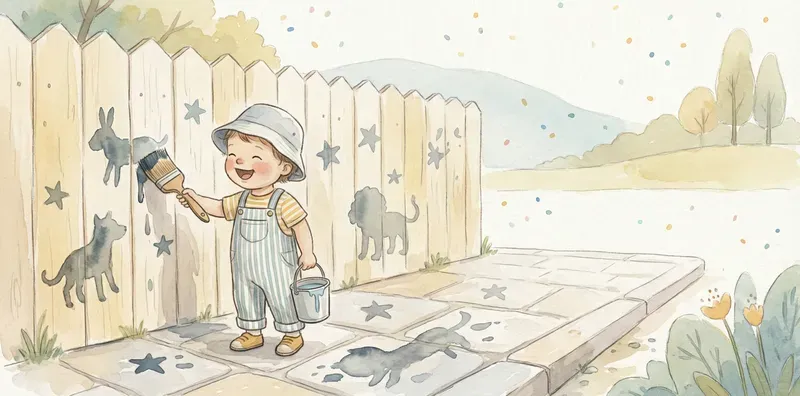
Outdoor Water Painting
1–5 years · 15–30 min · Outdoor · Low energy
Painting with plain water lets kids make big, bold strokes with nothing to clean up, and watching the marks fade as they dry keeps them painting the same spot over and over.
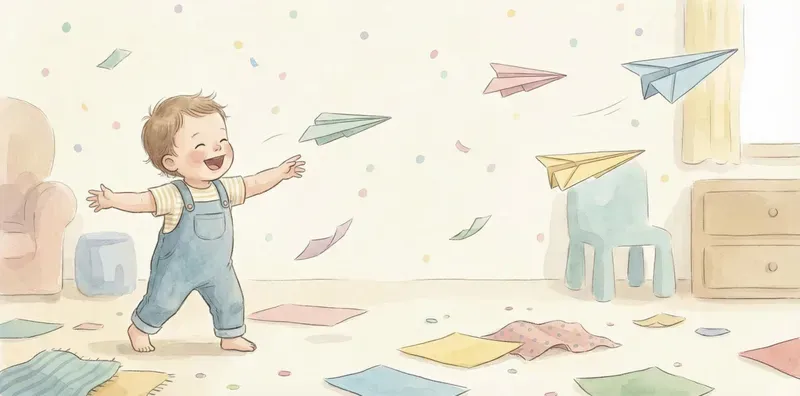
Paper Airplane Contest
3–6 years · 15–30 min · Indoor
Folding a crisp airplane is real fine motor work: lining up edges and pressing sharp creases takes focus and steady fingers. The throwing then turns it into a hands-on physics experiment, your child sees how weight, wing shape, and force change the flight, which is early cause-and-effect and problem solving. Because they can tweak and re-test endlessly, one sheet of paper holds their attention far longer than you would expect.
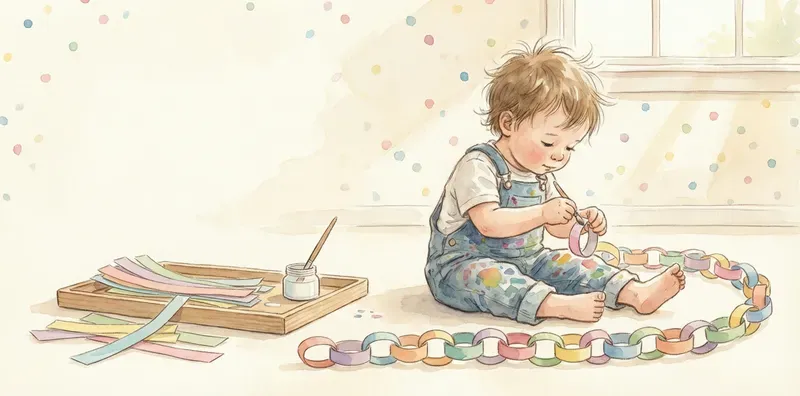
Paper Chain Making
3–6 years · 10–25 min · Indoor · Low energy
Repetitive craft teaches patterns while creating decoration.
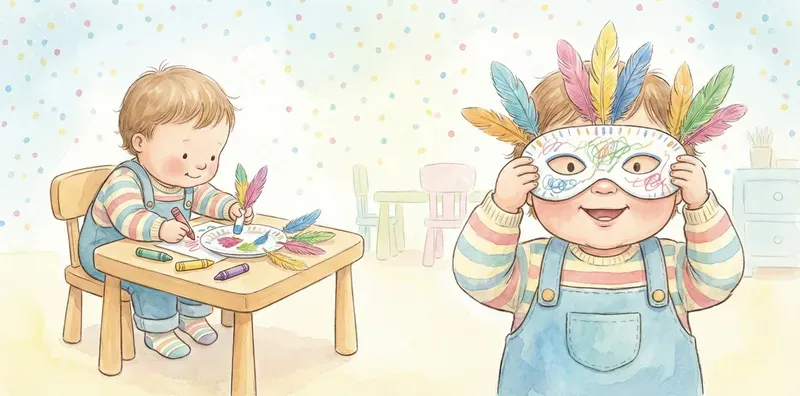
Paper Plate Masks
2–6 years · 15–30 min · Indoor
Creative expression combined with dramatic play opportunities.
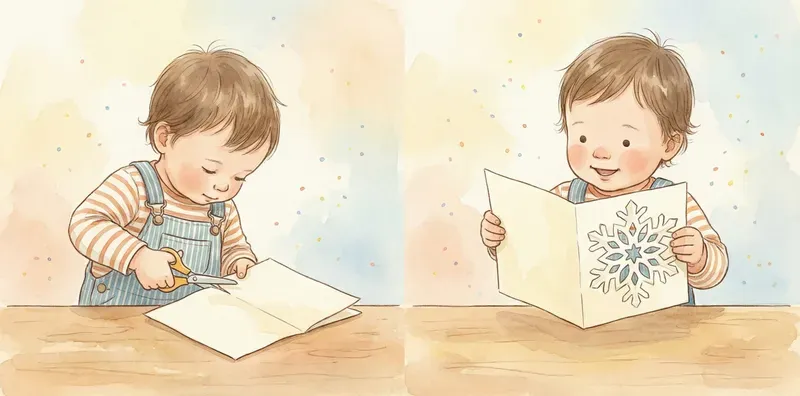
Paper Snowflake Cutting
4–6 years · 15–30 min · Indoor · Low energy
Satisfying reveal teaches symmetry and cutting skills.
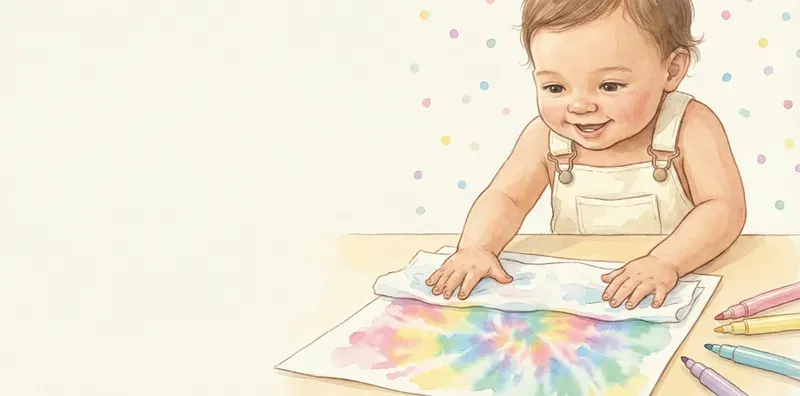
Paper Towel Painting
1–4 years · 10–20 min · Indoor
Drawing on a paper towel then misting it with water shows kids how color bleeds and spreads. The slow blur from sharp lines into soft tie-dye keeps them watching to see what their picture turns into.
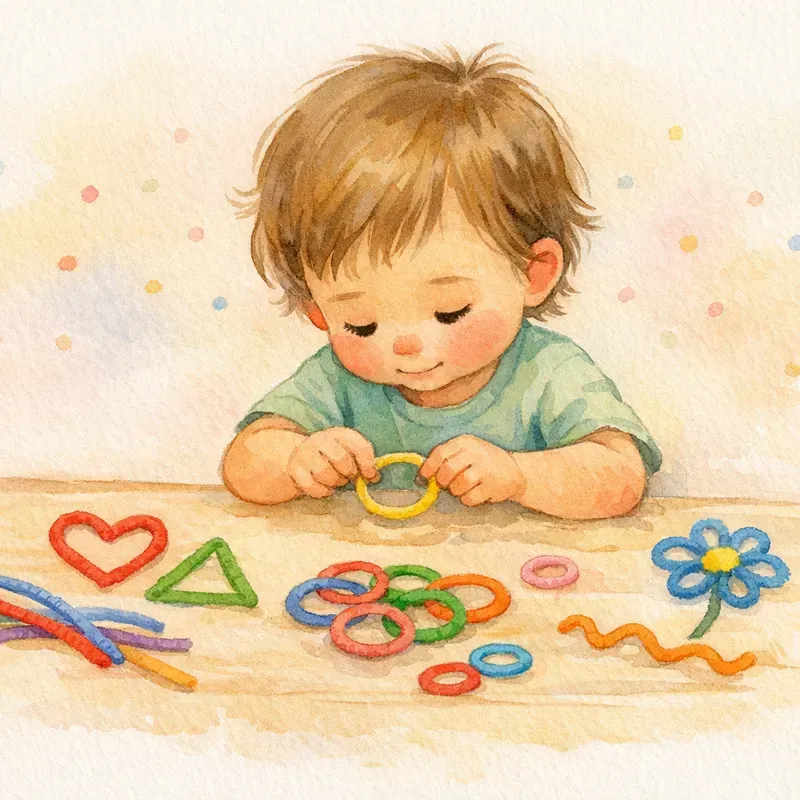
Pipe Cleaner Creations
2–6 years · 10–25 min · Indoor · Low energy
Pipe cleaners bend and hold their shape, so they give instant results that keep a child experimenting. Twisting, coiling, and threading them is concentrated fine motor and hand-strength work, the same control needed for buttons, zips, and pencils. Because there is no right answer, they also stretch creativity and early 3D thinking as your child works out how to turn a straight wire into the thing in their head.
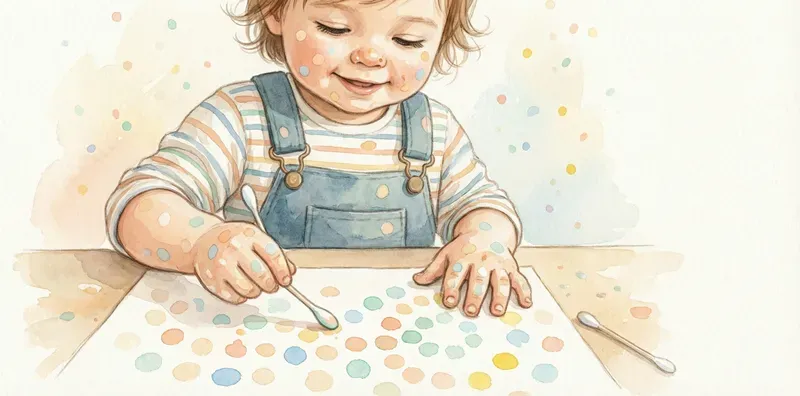
Q-Tip Dot Painting
1–5 years · 10–25 min · Indoor · Low energy
Easy grip tool allows precise art for small hands.
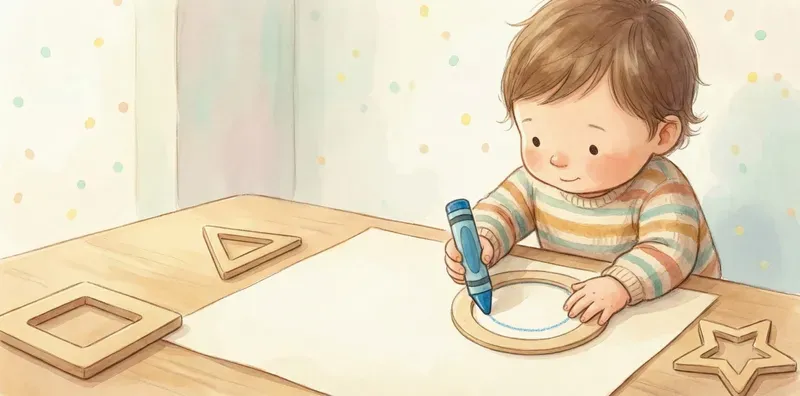
Shape Tracing Hunt
2–5 years · 10–20 min · Indoor · Low energy
Hands-on shape learning with art creation.
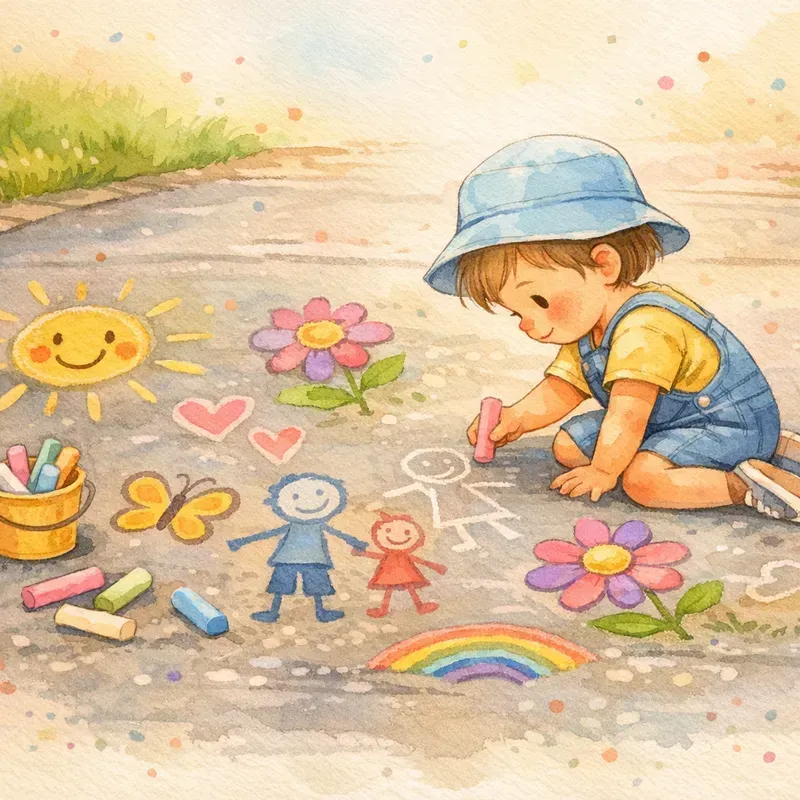
Sidewalk Chalk Art
1–6 years · 15–45 min · Outdoor · Low energy
Large motor drawing builds confidence with no mess to clean.
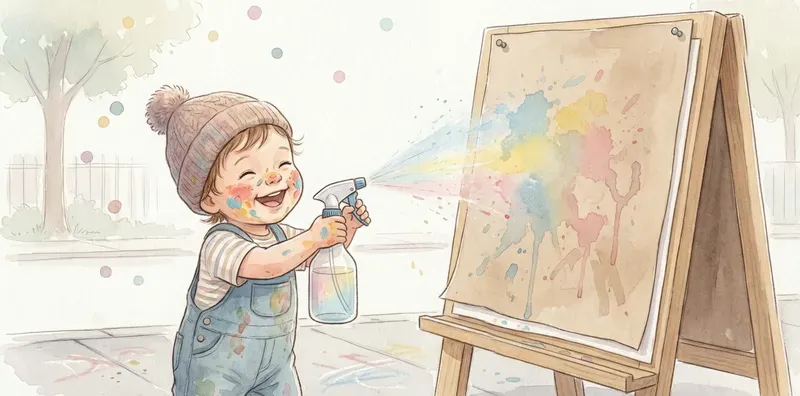
Spray Bottle Art
2–5 years · 10–20 min · Outdoor
Hand squeezing builds strength while creating satisfying visual results.
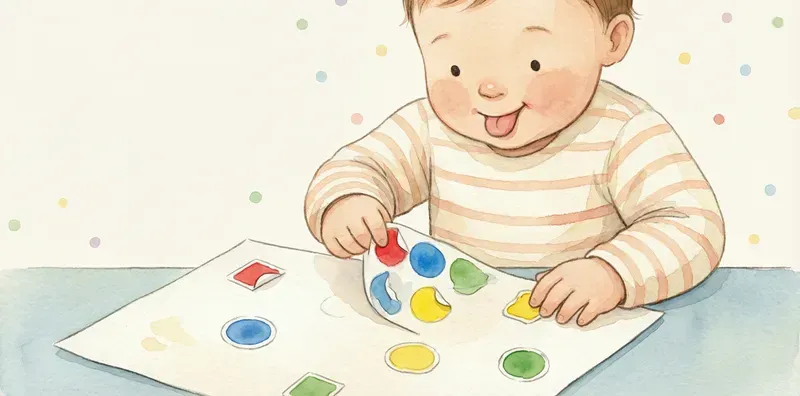
Sticker Free Play
1–4 years · 5–15 min · Indoor · Low energy
The peel-and-place motion is precision fine motor practice disguised as fun. Peeling a sticker requires pinching with the thumb and index finger (pincer grasp), controlling the pull strength, then placing it with intention. It's the same muscle coordination needed for buttoning shirts and holding pencils, and toddlers will do it for 15 minutes straight because stickers are inherently satisfying.
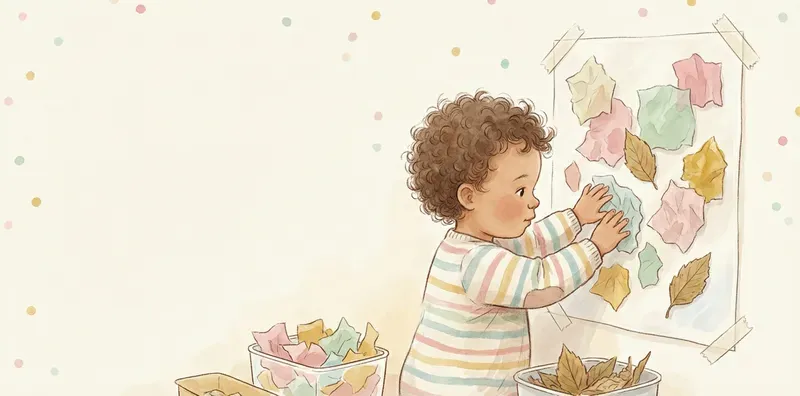
Sticky Contact Paper Collage
1–5 years · 10–25 min · Indoor · Low energy
Mess-free art builds confidence and fine motor skills without cleanup stress.
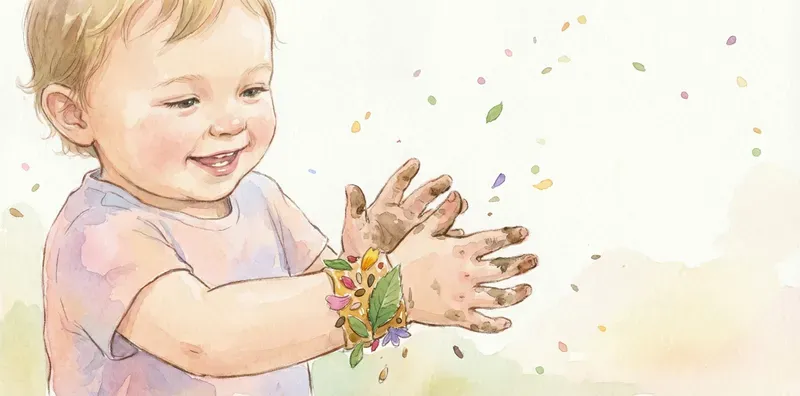
Sticky Nature Bracelet
2–6 years · 15–30 min · Outdoor
Combines outdoor exploration with wearable art creation.
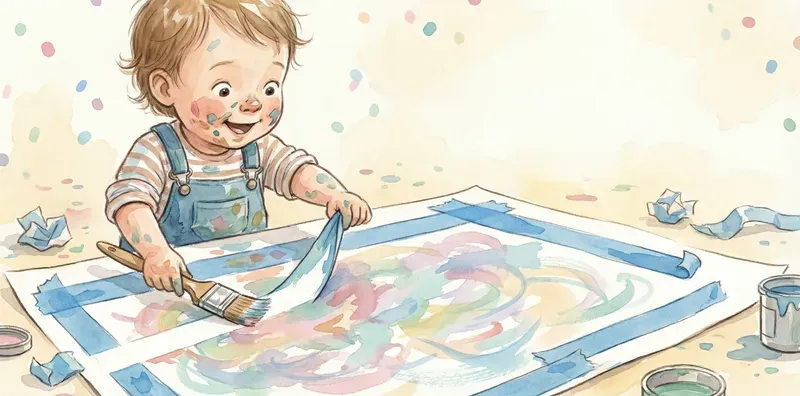
Tape Resist Painting
2–6 years · 15–30 min · Indoor
Peeling the tape to reveal crisp white lines under the paint gives a satisfying reveal, and it works even for kids who aren't sure what to paint yet.
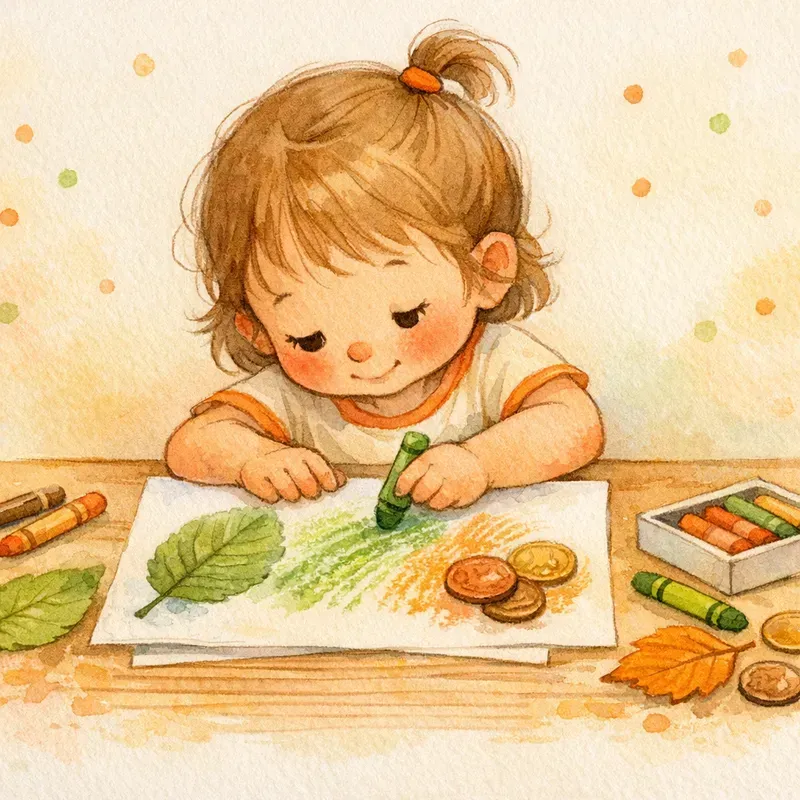
Texture Crayon Rubbings
2–6 years · 10–20 min · Indoor · Low energy
Reveals hidden patterns, combining art with scientific discovery.
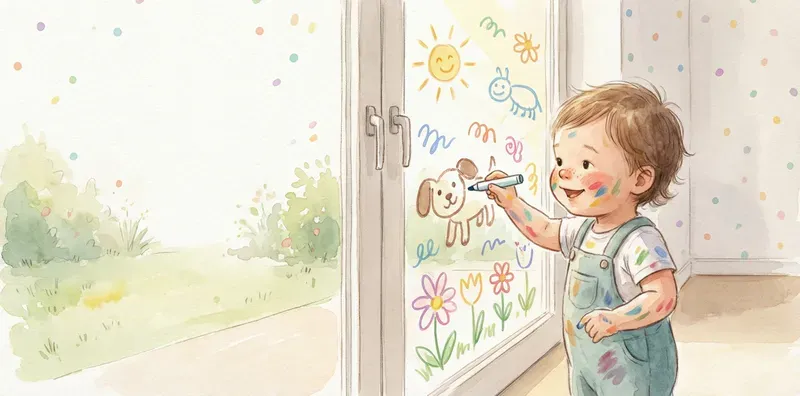
Window Marker Art
2–6 years · 10–25 min · Indoor · Low energy
Novel surface makes art exciting while being completely cleanable.
Read
Guides for this topic
Guide
Play Dough Activities for Toddlers (That Build Hand Strength)
Play dough ideas for toddlers that build the hand strength behind writing and self-care. A no-cook recipe, simple setups by age, and mess that stays contained.
Why read: A deeper, practical how-to
General
Water Play Activities for Toddlers (Indoor and Out)
Simple water play for toddlers you can run at the sink, in the tub, or in the yard. What water play builds, how to keep the mess contained, and seven easy setups.
Why read: A quick, practical read
Guide
5 Sensory Play Ideas for Fine Motor Skills
Sensory activities that double as fine motor practice. Rice bins, water transfer, play dough, and more, all with household items and zero prep stress.
Why read: A deeper, practical how-to
Related categories
Related:
Questions parents ask
What crafts can a 1 year old do?
One year olds can do finger painting, contact paper collages (stick things to the sticky side), paper ripping, and stamp painting with sponges or cut fruit. Focus on sensory exploration rather than making something specific. Dot markers with chunky grips also work well at this age.
What are easy crafts for 2 year olds?
Two year olds love dot markers, sticker free play, cotton ball cloud pictures, paper towel painting (marker + water), and simple collage. They can start using glue sticks and will enjoy stamping with objects like fruit halves or sponges. Keep it open-ended. Let them lead.
How do I do crafts without making a huge mess?
Try contact paper collage (no glue needed), dot markers on paper (less mess than paint), sticker play, or put paint inside a zip-lock bag and let them squish the colors together. You can also do messy crafts in the bathtub for easy cleanup. Tape resist painting looks impressive but contains mess to the paper.
How long should craft time last for toddlers?
Most toddlers engage for 5-15 minutes, which is perfectly normal. Don't force it longer. If they're done, they're done. You can always come back to it later. That's why prep-and-cleanup simplicity matters.
What supplies do I need for toddler crafts?
Just household basics: paper, crayons or washable markers, tape, glue sticks, cotton balls, and maybe some washable paint. You don't need a craft store trip. Dot markers are the one item worth buying. They're cheap, last forever, and toddlers love them.
Are crafts good for toddler development?
Yes. Crafts build fine motor skills (gripping, tearing, threading), hand-eye coordination, color recognition, and creative problem-solving. The sensory input from different textures (paint, glue, cotton, paper) also supports brain development. Process-focused art builds confidence because there's no "wrong" way to do it.
Not sure where to start?
Let the generator pick a easy crafts idea for you, no scrolling required.
Get an activity