You'll need
- Small toys or objects (blocks, cars, stuffed animals)
- Paper with numbers written on it (optional)
- Bag or basket for collecting
Steps
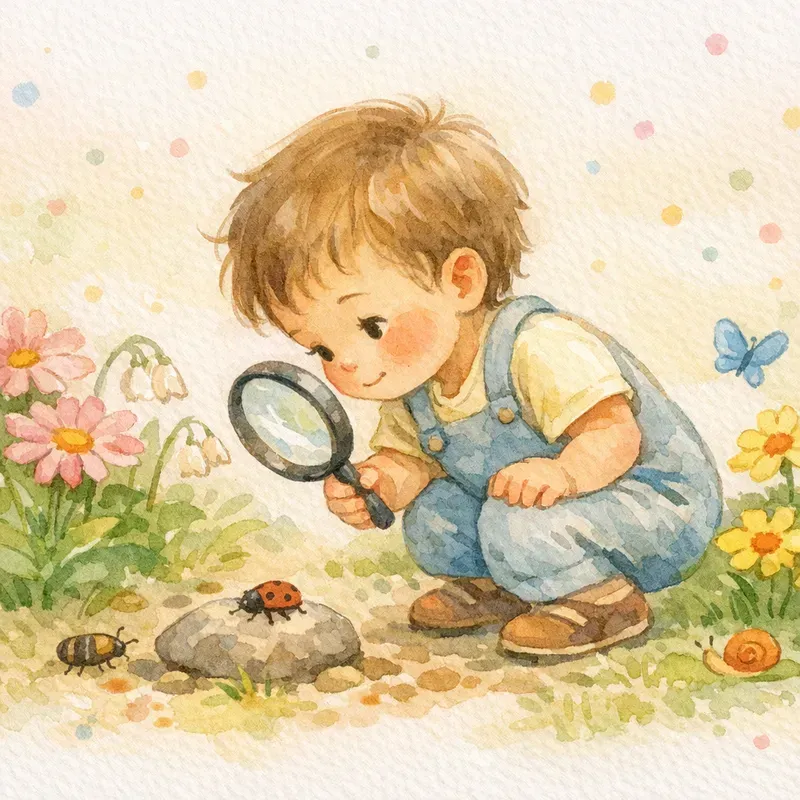
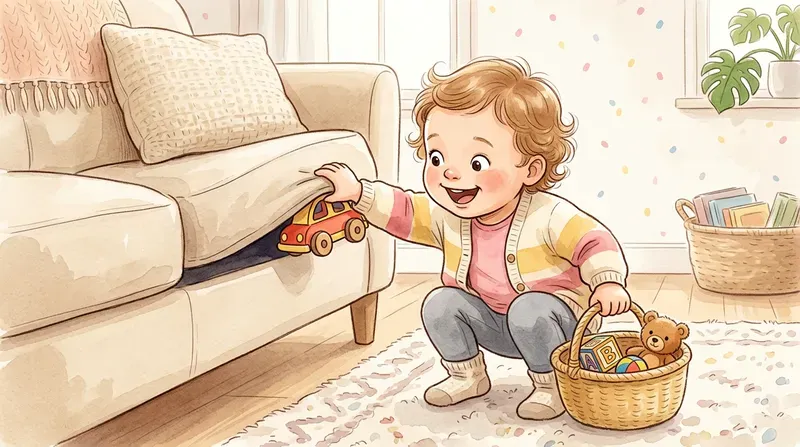
- 1While your child isn't looking, hide 5 to 10 small objects around one room, under cushions, behind curtains, on shelves they can reach
- 2Give them a bag or basket and tell them how many treasures are hidden
- 3As they find each one, count together: 'That's one! Can you find two?'
- 4When they think they've found them all, dump out the bag and count everything together one by one
- 5Compare the total to how many you hid, did they find them all or are some still hiding?
- 6Let them hide the objects for you next, kids love being the one who hides things
Why this works
The treasure hunt format turns counting practice into an adventure, kids don't realize they're learning math because they're too busy searching. Finding and counting objects one-to-one builds number sense far more effectively than rote counting because each number connects to a real thing they can hold. Hiding objects for a grown-up reverses the dynamic and builds confidence.
Try also
- –Number cards: hide cards with numbers 1–10 and find them in order
- –Color counting: hide 3 red things, 2 blue things, count by color groups
- –Themed hunts: hide toy dinosaurs, cars, or animals for a themed count
- –Addition practice: hide objects in two rooms, count each room, then add together
- –For younger kids, hide fewer objects (3–5) and keep them partially visible
Use objects too large to swallow. Check hiding spots are safe and reachable without climbing.