All Activities
16 activities so far. All simple, all using household items.
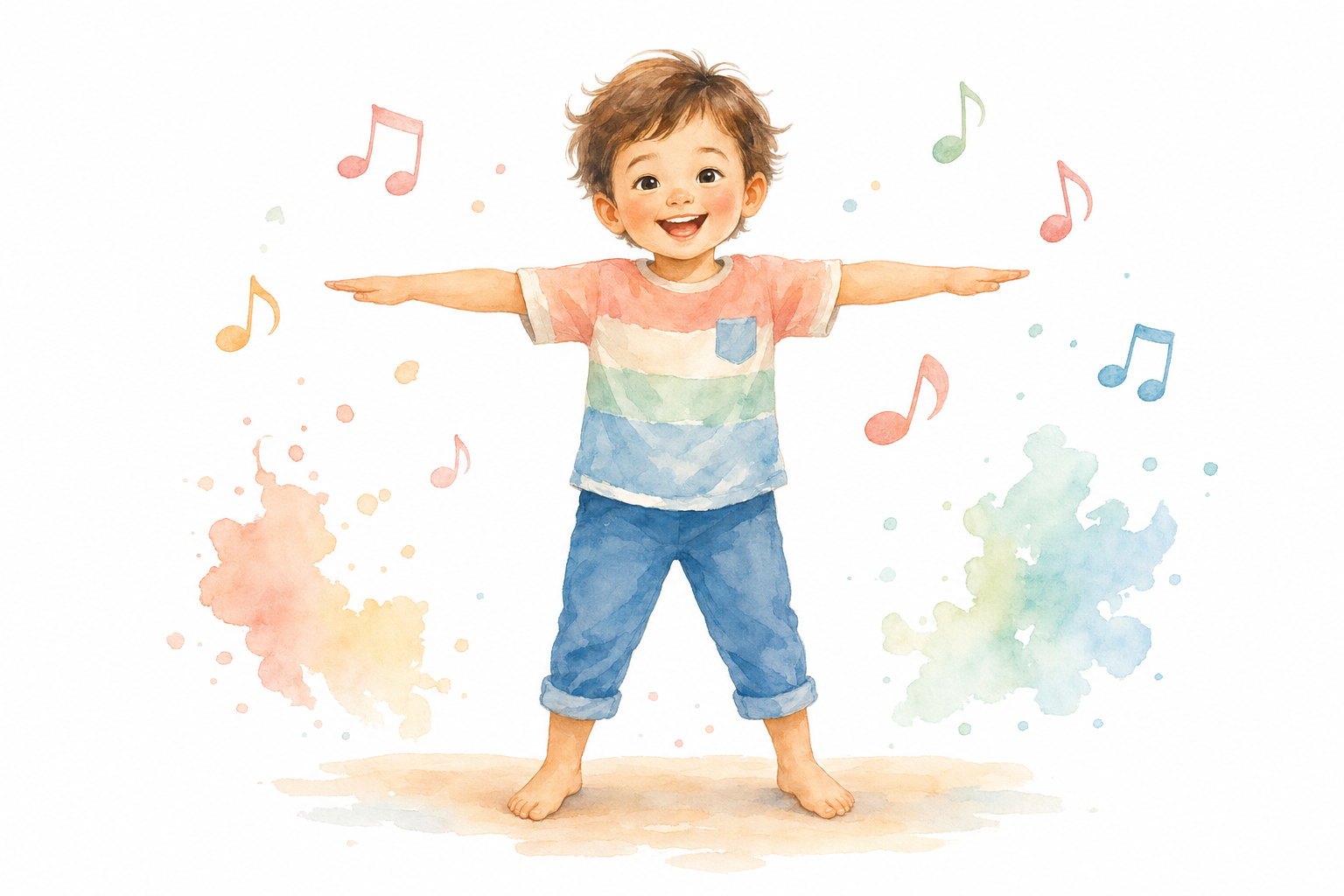
Alphabet Freeze Dance
2–6 years · 10–20 min · Indoor
Combining music, movement, and letter recognition fires up multiple brain pathways at once. The freeze moment creates a 'micro-challenge' that keeps kids focused — they're listening for the pause and thinking about the letter shape simultaneously. It's the best of both worlds: the energy burn of a dance party plus sneaky literacy practice. Kids who learn letters through whole-body movement tend to recognize them faster than through worksheets alone.
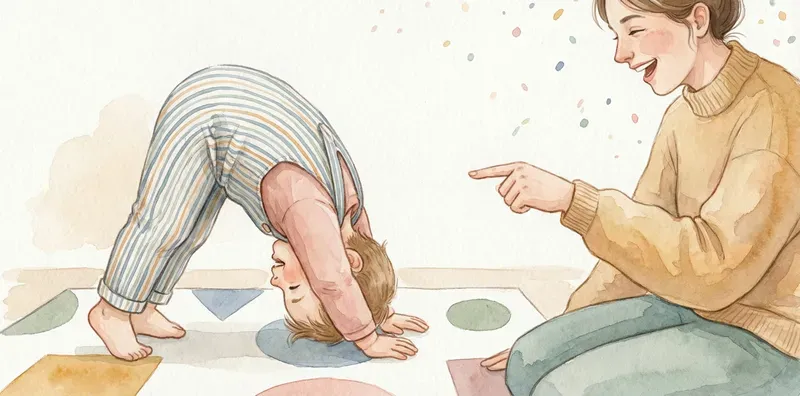
Body Letter Making
3–6 years · 10–20 min · Indoor
Kinesthetic learning — shaping letters with the whole body — creates stronger memory than writing alone. Research shows that kids who learn letters through movement recognize them faster and retain them longer. They physically feel the difference between a P and a B, which builds letter recognition and pre-reading skills. It's also a sneaky gross motor workout that burns energy while building literacy.
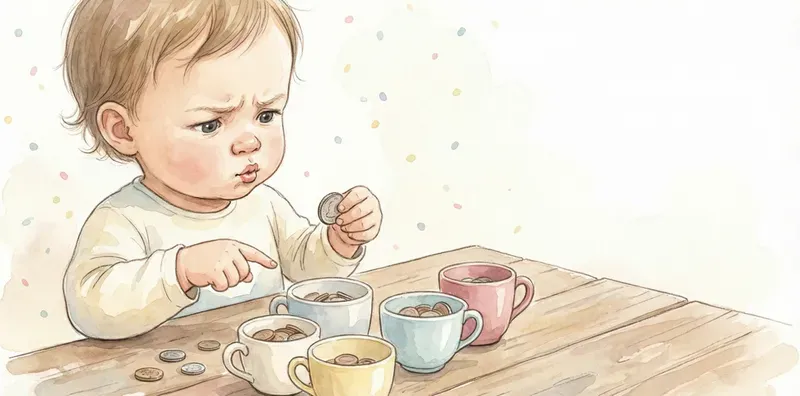
Coin Sorting Bank
3–6 years · 10–20 min · Indoor · Low energy
Real-world math with tactile discrimination practice.
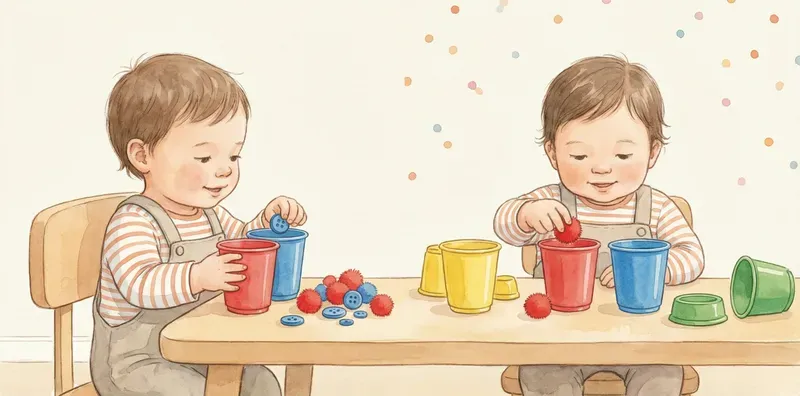
Color Sorting Cups
1–4 years · 5–15 min · Indoor · Low energy
Sorting by color builds categorization thinking — one of the earliest math skills. The pinch-and-place motion strengthens the same muscles used for writing. And because the 'rules' are simple (match the color), toddlers feel successful quickly, which keeps them going longer than you'd expect.
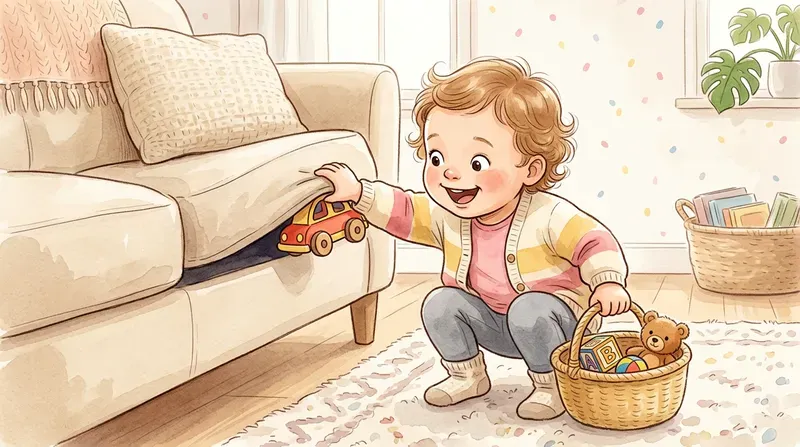
Counting Treasure Hunt
2–5 years · 10–20 min · Indoor
The treasure hunt format turns counting practice into an adventure — kids don't realize they're learning math because they're too busy searching. Finding and counting objects one-to-one builds number sense far more effectively than rote counting because each number connects to a real thing they can hold.
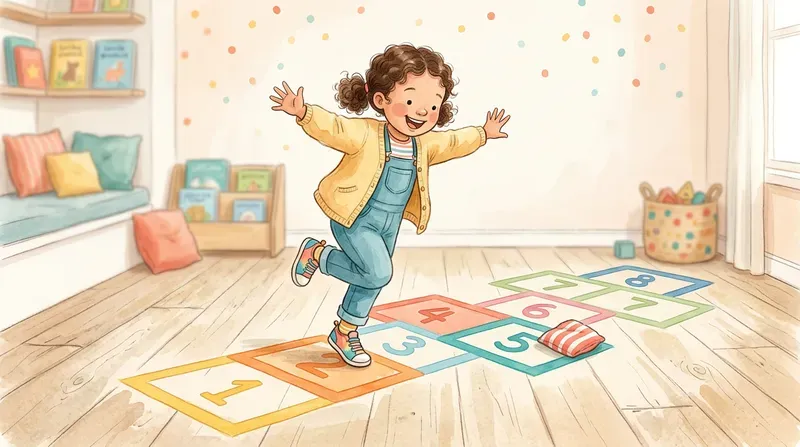
Indoor Hopscotch
2–6 years · 10–20 min · Indoor
Hopscotch builds balance, coordination, and leg strength while sneaking in number recognition and counting. The single-leg hopping is genuinely challenging for toddlers and preschoolers — they concentrate hard, which means they stay engaged. The tape grid stays put for days, so you set it up once and get multiple play sessions.
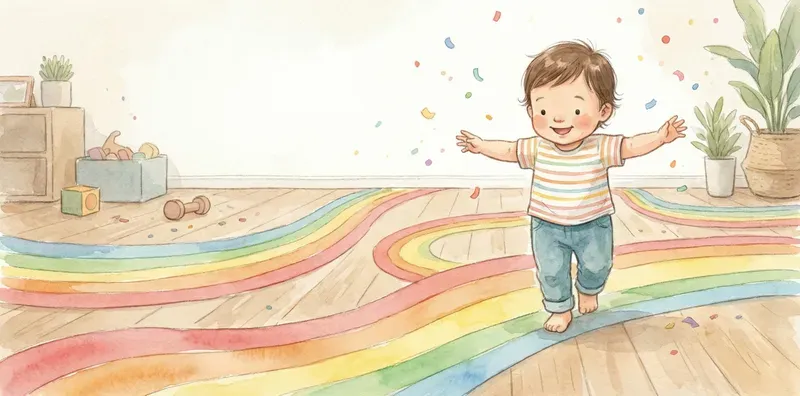
Indoor Rainbow Walk
2–5 years · 10–20 min · Indoor · Low energy
Combines movement with color recognition and observation.
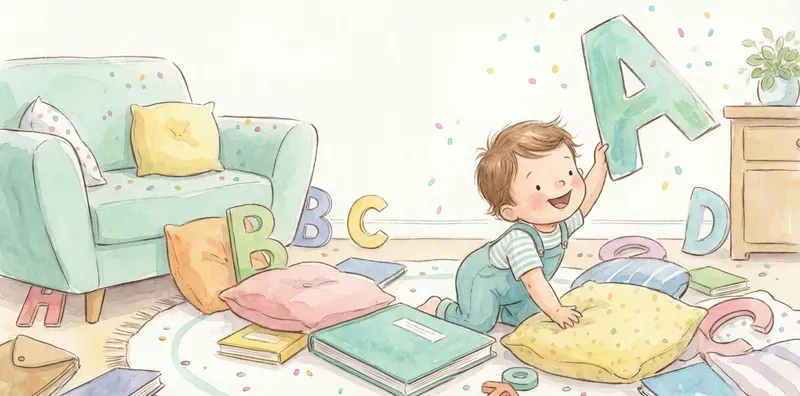
Letter Hunt Around the House
3–6 years · 10–20 min · Indoor · Low energy
Builds letter recognition and phonemic awareness playfully.
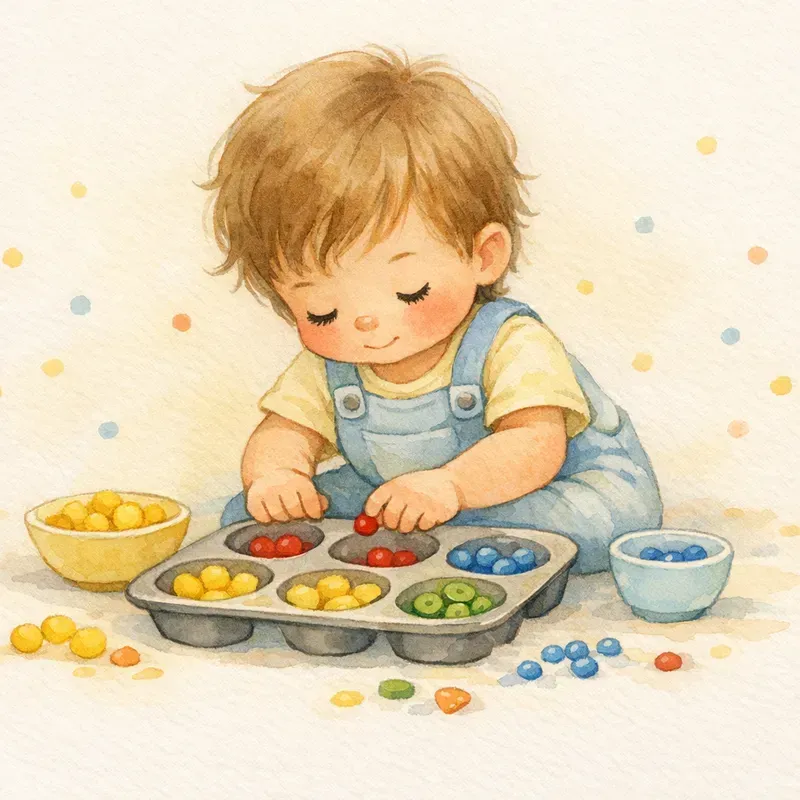
Muffin Tin Sorting
1–4 years · 10–20 min · Indoor · Low energy
Placing one item per cup teaches one-to-one correspondence — a foundational math concept that children need before they can count meaningfully. The pinch-and-drop motion builds the same finger strength and precision needed for writing. And because the muffin tin provides built-in structure (fill each cup!), toddlers stay focused longer than with open-ended sorting tasks.
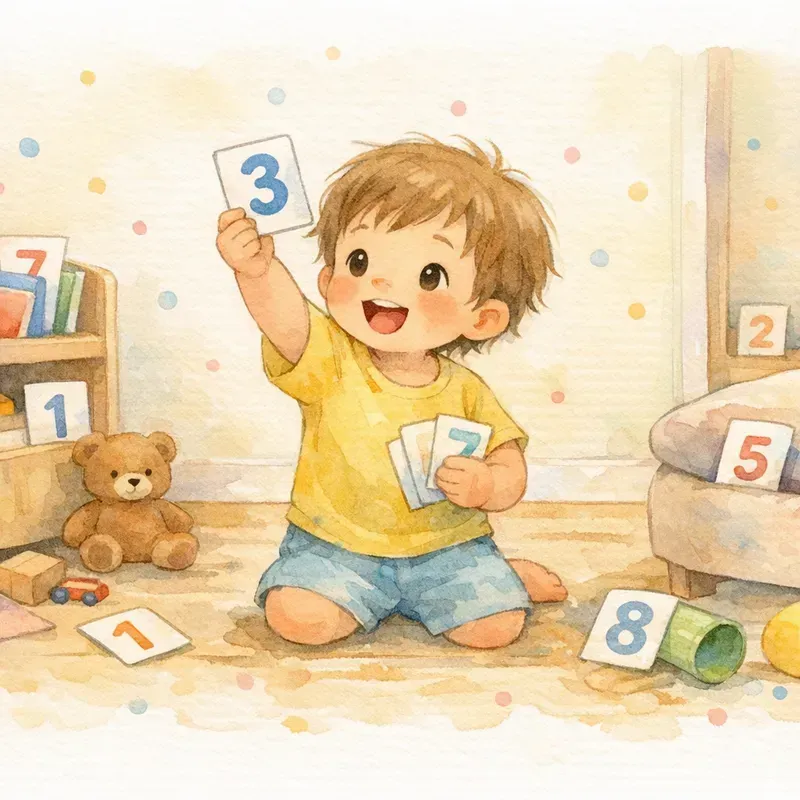
Number Hunt Around Home
3–6 years · 10–20 min · Indoor · Low energy
Number recognition in real-world context.
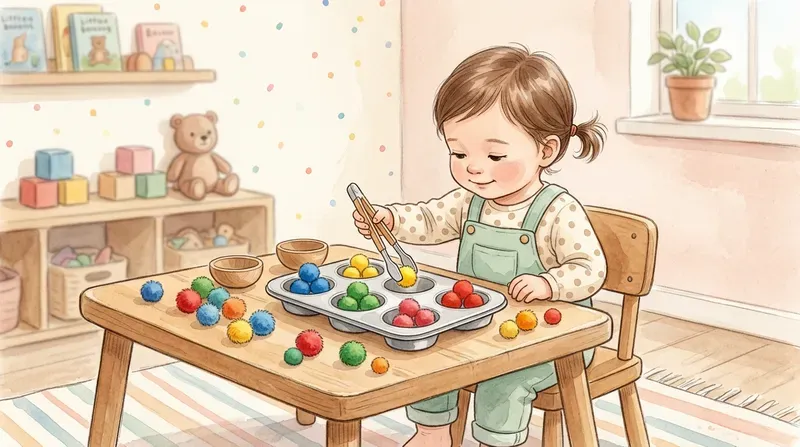
Pom Pom Sorting & Transfer
1–4 years · 10–20 min · Indoor · Low energy
Pom poms are squishy, colorful, and satisfying to grab — they don't roll away as easily as marbles and feel rewarding to pick up. Sorting by color builds early categorization skills, while the pinch-and-release motion with tongs or tweezers strengthens the same small hand muscles needed for writing and buttoning.
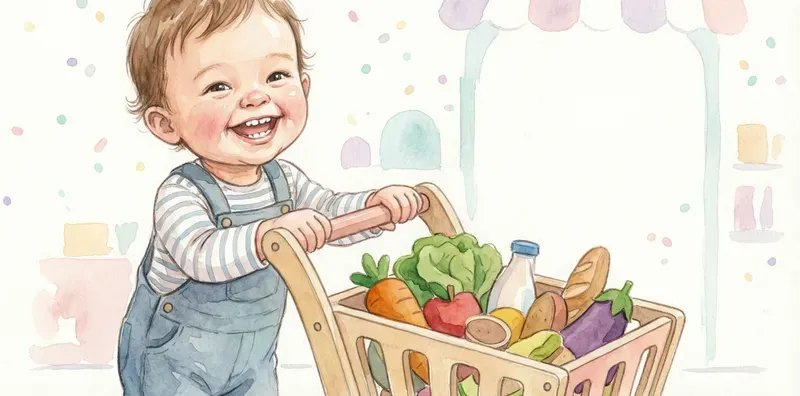
Pretend Grocery Store
2–6 years · 15–30 min · Indoor · Low energy
Role play builds language, math, and social skills naturally.
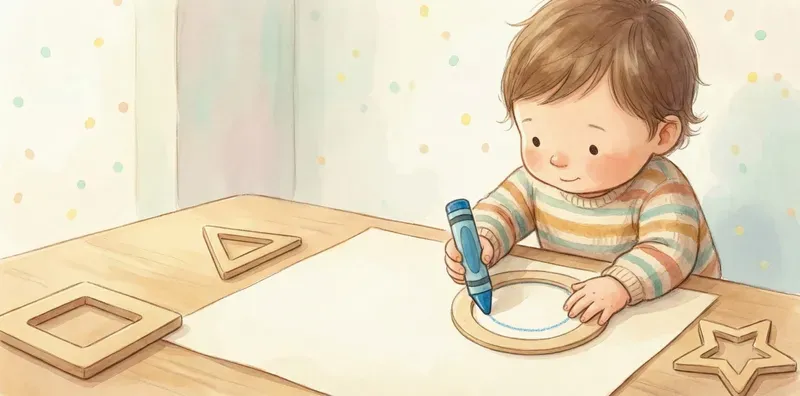
Shape Tracing Hunt
2–5 years · 10–20 min · Indoor · Low energy
Hands-on shape learning with art creation.
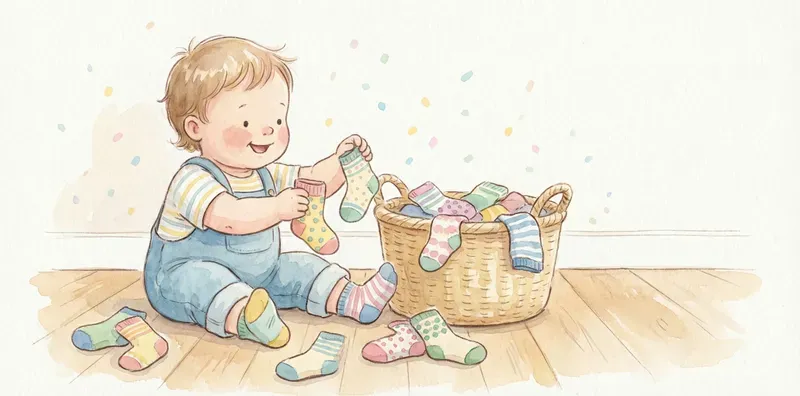
Sock Matching Game
2–4 years · 5–15 min · Indoor · Low energy
Practical skill wrapped in a matching game - sneaky learning.
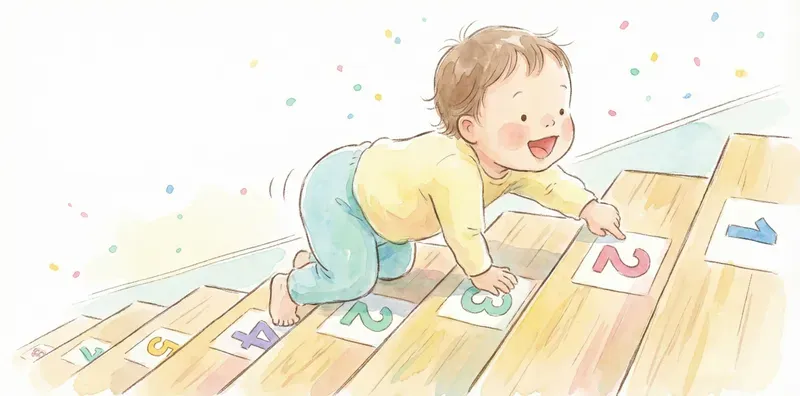
Stair Counting Game
1–4 years · 5–15 min · Indoor
Physical movement reinforces number learning naturally.
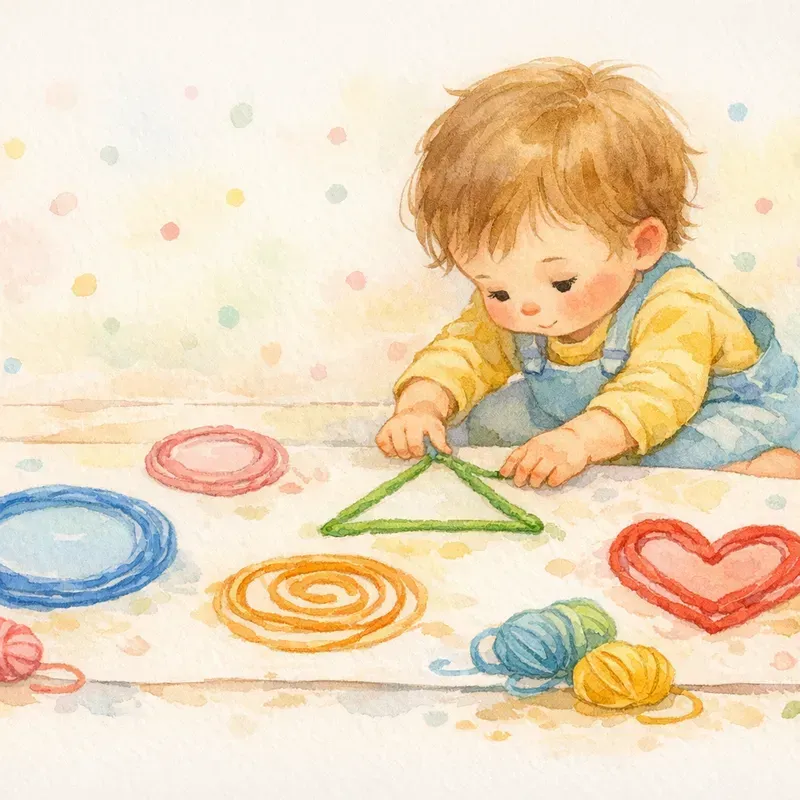
Yarn Shape Making
3–6 years · 10–20 min · Indoor · Low energy
Hands-on letter formation aids reading readiness.