Skip to content

Play recipe

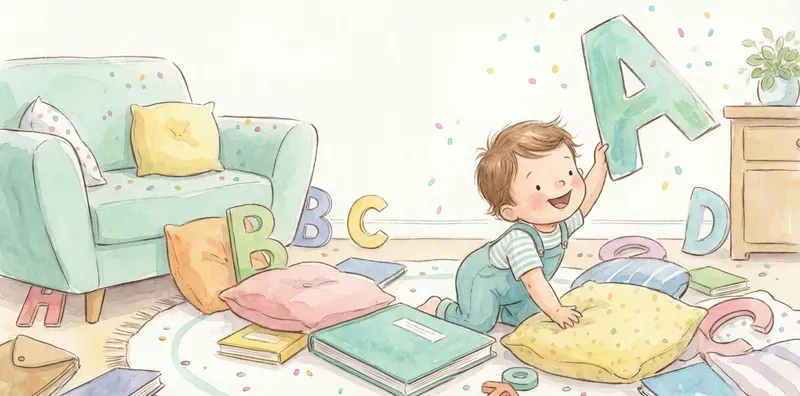
Letter Hunt Around the House

Age3–6 years
Time10–20 min
MessLow-mess
EnergyLow energy
SettingIndoor
Letter Hunt Around the House

You'll need

  • Paper and pencil for checklist (optional)

Steps

  1. 1Choose a letter to find
  2. 2Hunt around house for objects starting with that letter
  3. 3Call out each find
  4. 4Move to next letter after finding several

Why this works

Builds letter recognition and phonemic awareness playfully.

Try also

  • Take photos of each find
  • Hunt for letter shapes instead
  • Make it a scavenger hunt with a list

Define safe areas to explore.
A closer look

Pick one letter, then go hunting for things around the house that start with its sound: B for book, ball, banana, boots. Tying the letter to objects a child already knows makes the shape stick better than pointing at it on a page.

The skill underneath is phonemic awareness, hearing the first sound in a word, which is one of the strongest early signs a child is getting ready to read. Say the sound, not just the name, 'buh, book,' so they connect the letter to what they hear.

Make it easier

  • Start with the first letter of your child's name, the most meaningful letter to them.
  • Give a hint or point toward the right area if they get stuck, and accept close guesses.

Make it harder

  • Hunt a new letter each round, or work through several in a row.
  • Write a checklist and let them tick off each find, or snap a photo of each one.
  • Look for the letter shape itself in signs, books, and labels instead of objects.

Skills this builds

Matching sounds to letters builds phonemic awareness, an early skill closely linked to learning to read.

Common questions

Should I use letter names or letter sounds?
Lead with the sound, since that is what reading relies on, 'mmm for mouse.' You can add the name too ('the letter M'), but the sound is the part that helps most with early reading.
What age is a letter hunt best for?
Around three to six. Threes enjoy finding a few objects for one familiar letter, while fours and fives can work through several letters, use a checklist, and start noticing letters in print around them.

More activities like this

Read

Guides that go with this

Browse by category