All Activities
20 activities so far. All simple, all using household items.
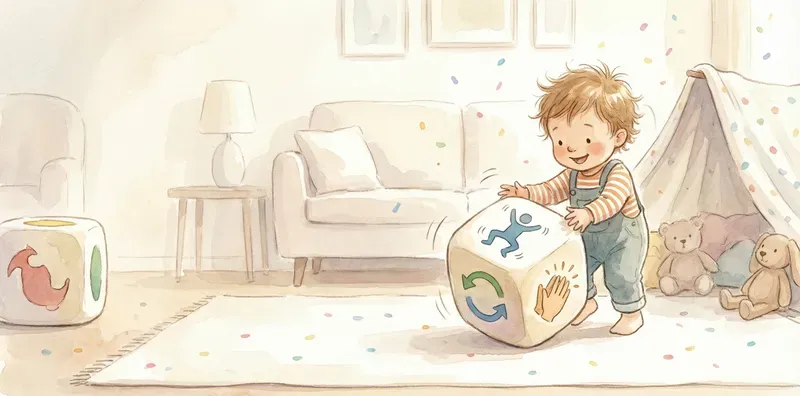
Action Dice Game
2–6 years · 10–20 min · Indoor
The random dice roll turns simple movements into a thrilling game. Kids stay engaged because they never know what action comes next, and the physical movements burn energy while building coordination and balance.
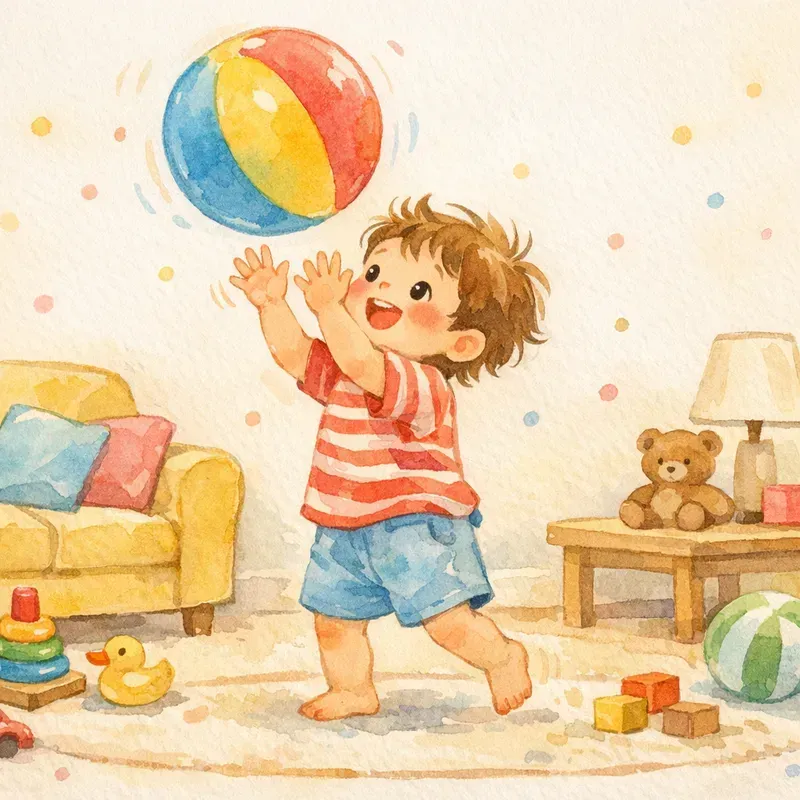
Balloon Keep Up
2–6 years · 5–15 min · Indoor
Slow-moving balloon allows success while building tracking skills and energy release.
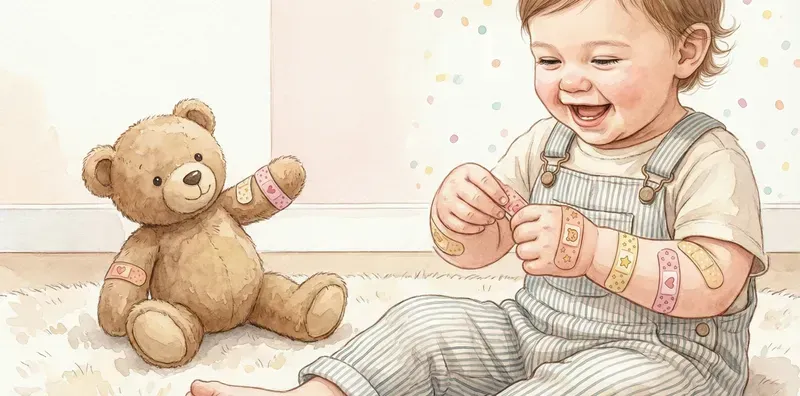
Band-Aid Practice Game
2–4 years · 10–20 min · Indoor · Low energy
Reduces fear of real injuries while building empathy.
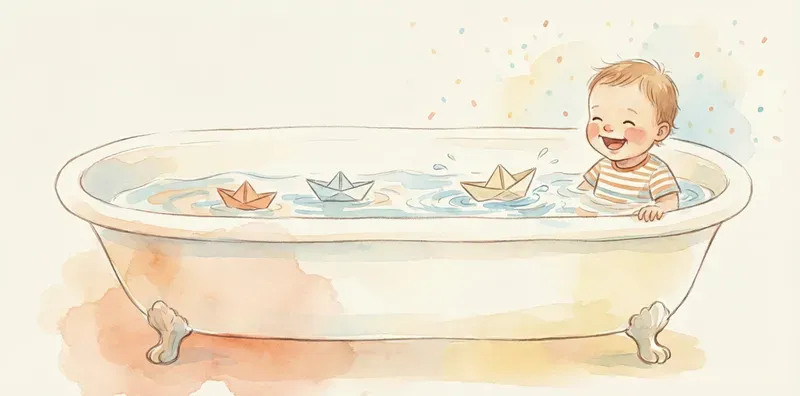
Bathtub Boat Races
1–5 years · 10–25 min · Indoor · Low energy
Engineering combined with water play and breath control.
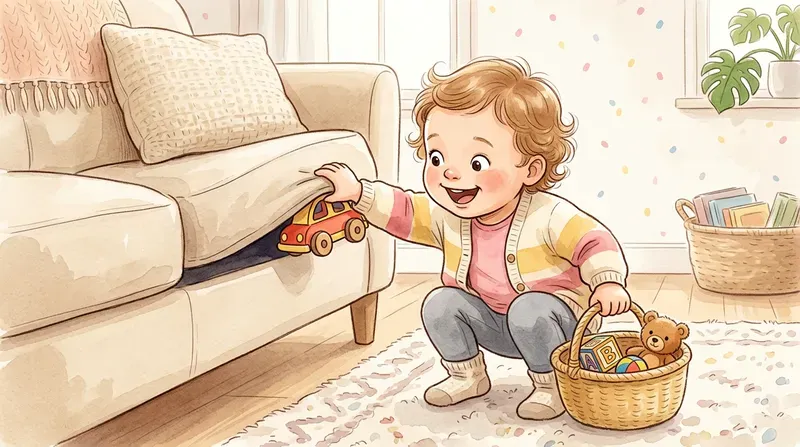
Counting Treasure Hunt
2–5 years · 10–20 min · Indoor
The treasure hunt format turns counting practice into an adventure — kids don't realize they're learning math because they're too busy searching. Finding and counting objects one-to-one builds number sense far more effectively than rote counting because each number connects to a real thing they can hold.

Hide and Seek Toys
1–4 years · 10–20 min · Indoor · Low energy
Treasure hunts build memory and spatial awareness through movement.
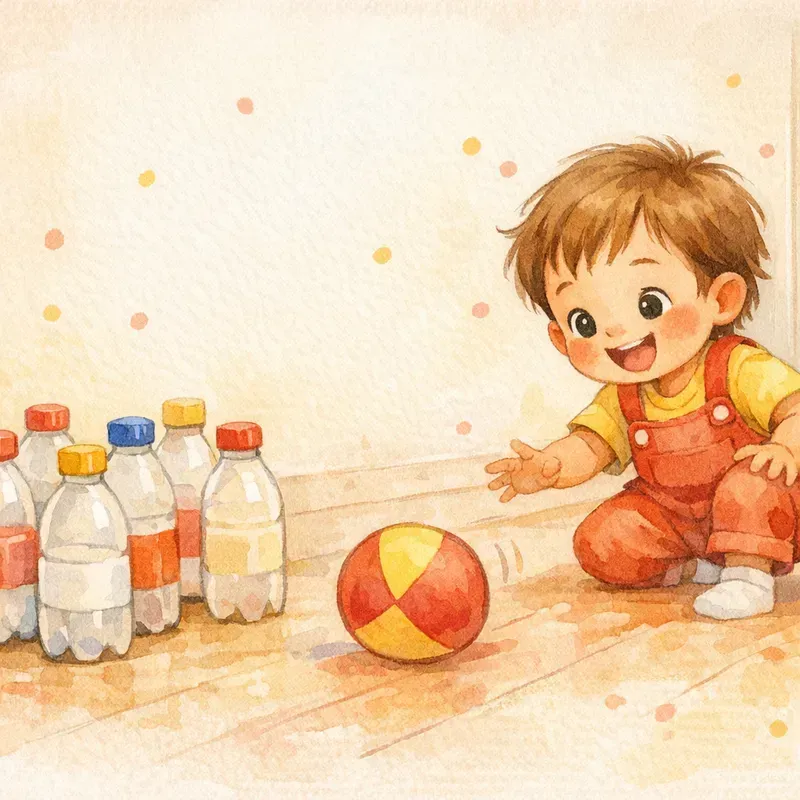
Indoor Bowling
2–6 years · 10–20 min · Indoor · Low energy
Develops hand-eye coordination and basic counting in a game format.
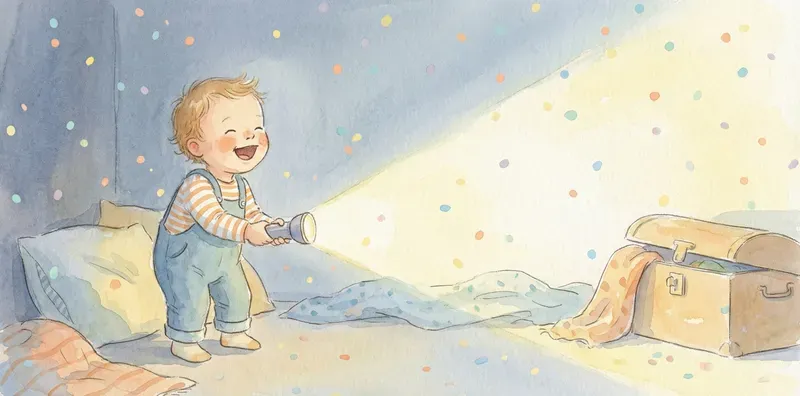
Indoor Flashlight Tag
3–6 years · 10–20 min · Indoor
Active game with less running - perfect for limited space.
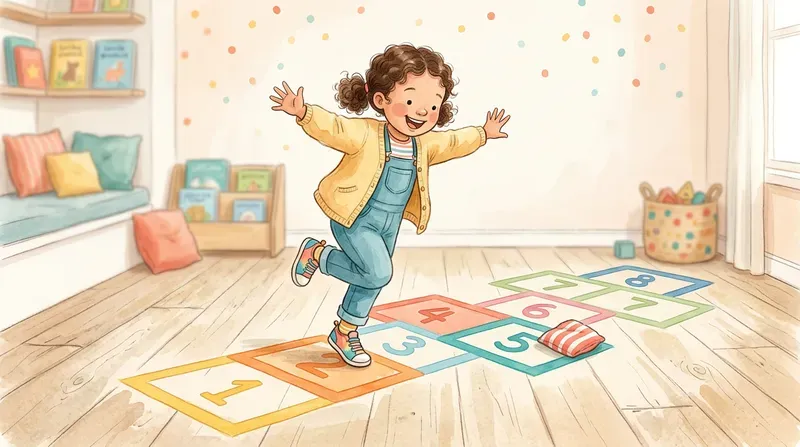
Indoor Hopscotch
2–6 years · 10–20 min · Indoor
Hopscotch builds balance, coordination, and leg strength while sneaking in number recognition and counting. The single-leg hopping is genuinely challenging for toddlers and preschoolers — they concentrate hard, which means they stay engaged. The tape grid stays put for days, so you set it up once and get multiple play sessions.
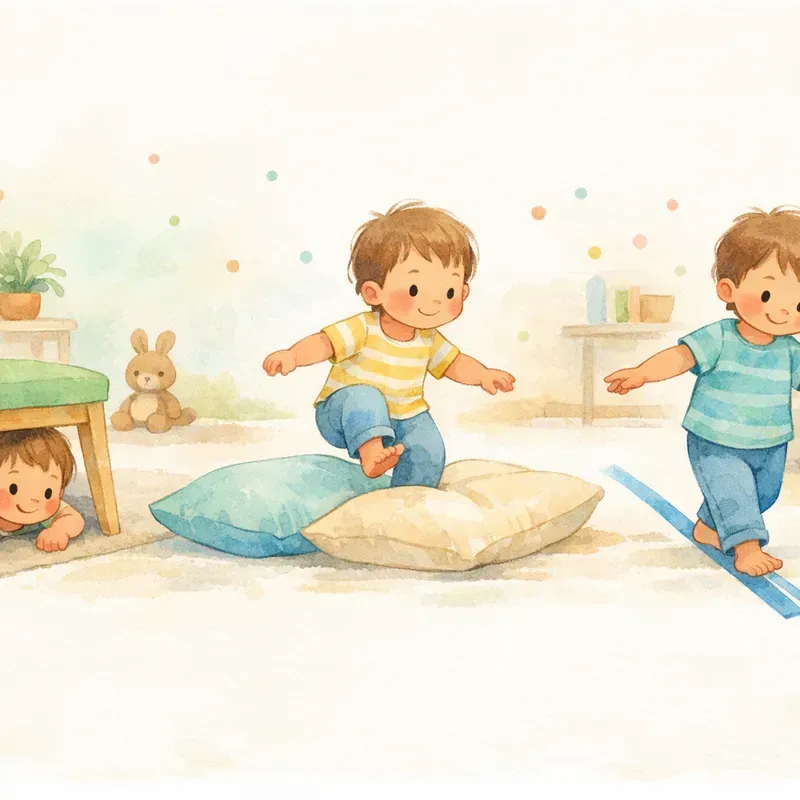
Living Room Obstacle Course
2–5 years · 15–30 min · Indoor
Following a sequence builds planning skills while burning lots of energy.
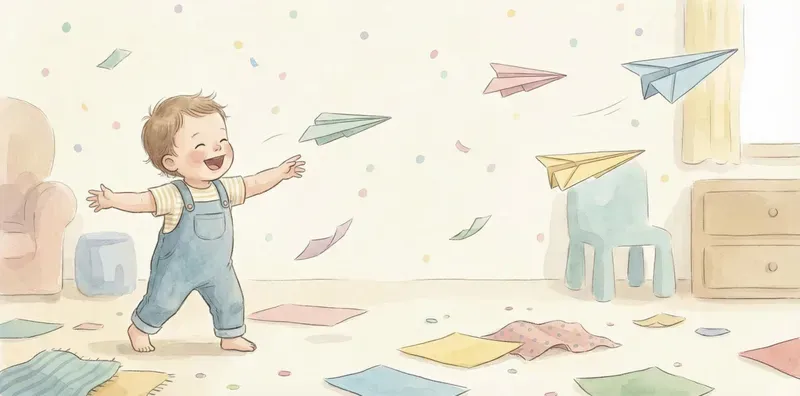
Paper Airplane Contest
3–6 years · 15–30 min · Indoor
Combines fine motor folding with physics experimentation.
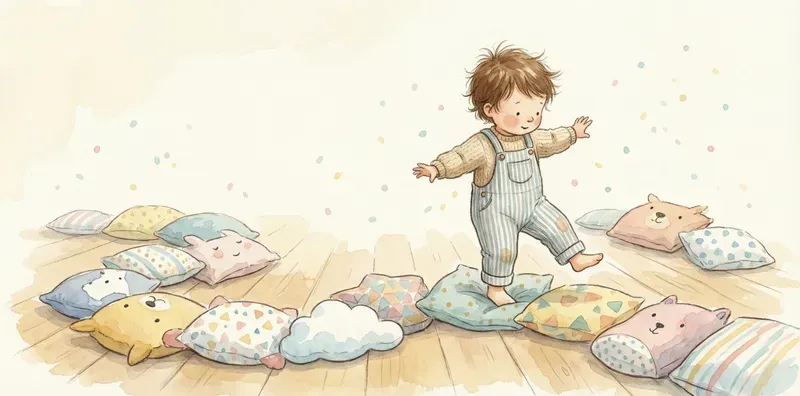
Pillow Stepping Path
1–4 years · 10–20 min · Indoor · Low energy
Balance challenge with low stakes makes failure fun.
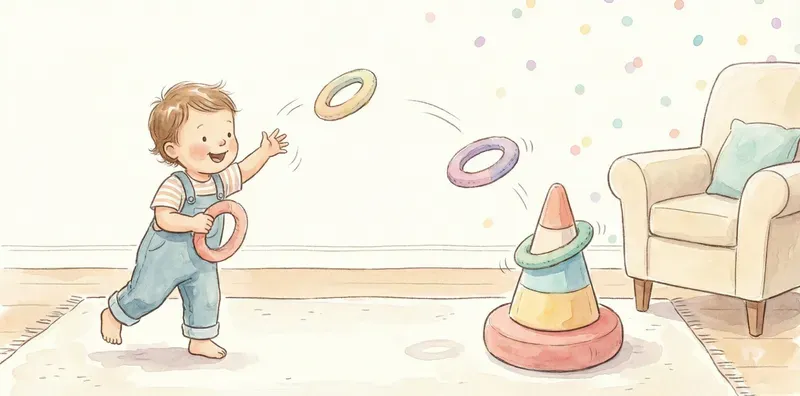
Ring Toss Game
2–6 years · 10–20 min · Indoor · Low energy
Ring toss develops hand-eye coordination, spatial awareness, and the controlled release motion that children need for throwing, catching, and eventually writing with controlled pressure. The instant visual feedback (ring on vs. ring off) gives toddlers clear success signals that motivate practice. It's also one of the few fine motor games that gets them moving and standing, making it great for active kids who won't sit for table activities.
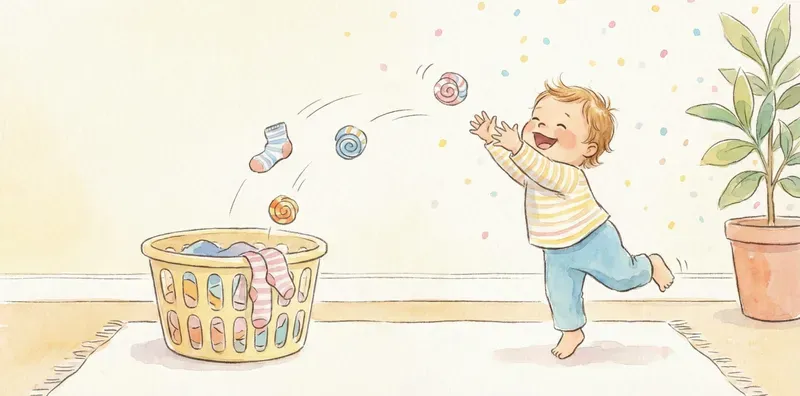
Sock Ball Basketball
2–6 years · 10–20 min · Indoor · Low energy
Active play with zero damage risk - perfect indoors.
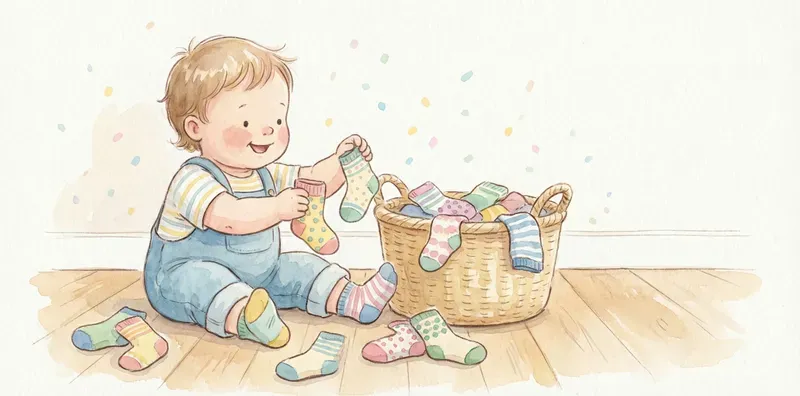
Sock Matching Game
2–4 years · 5–15 min · Indoor · Low energy
Practical skill wrapped in a matching game - sneaky learning.
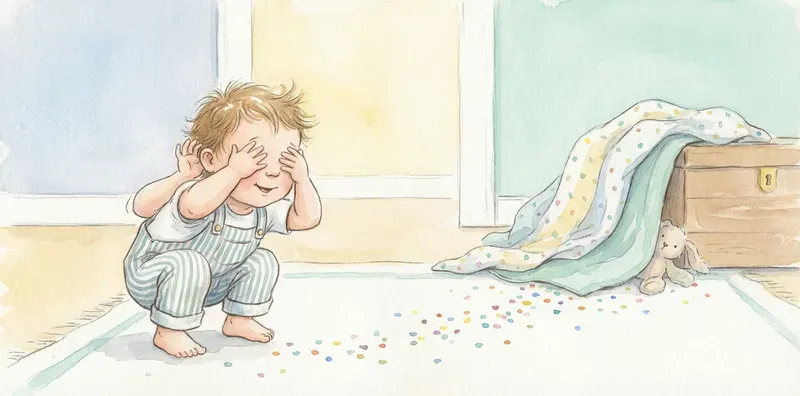
Sound Hide and Seek
2–5 years · 10–20 min · Indoor
Listening for a hidden sound develops auditory processing — the ability to isolate and locate sounds in space. This is the same skill that helps kids follow spoken instructions in noisy environments and distinguish similar speech sounds while learning to read. The treasure-hunt format keeps them moving and engaged while they practice spatial reasoning and problem-solving.
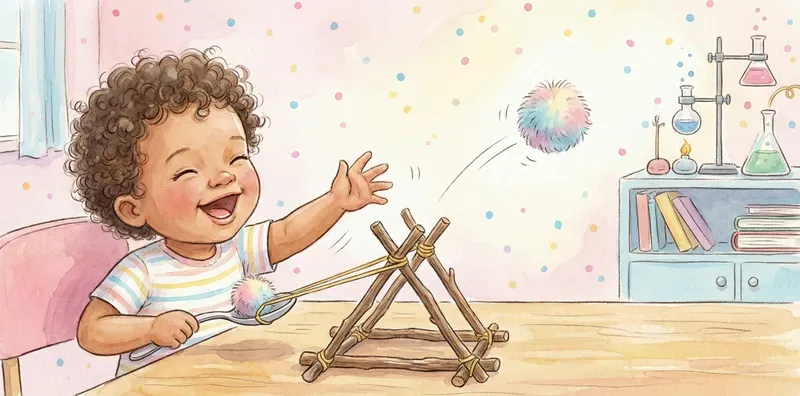
Spoon Catapult Launch
3–6 years · 10–20 min · Indoor
Teaches physics concepts through hands-on experimentation.
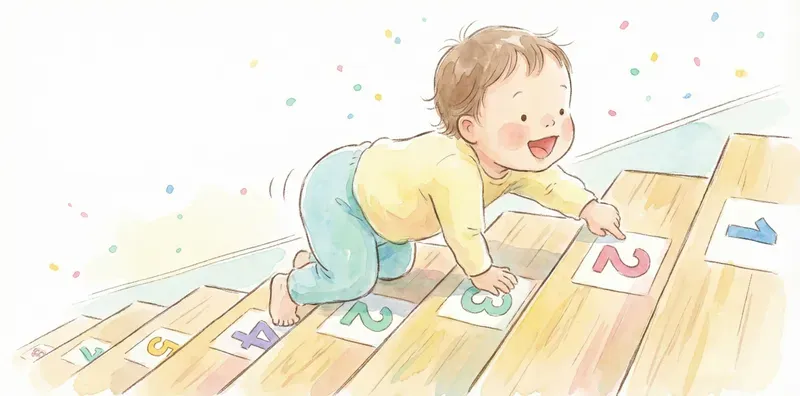
Stair Counting Game
1–4 years · 5–15 min · Indoor
Physical movement reinforces number learning naturally.
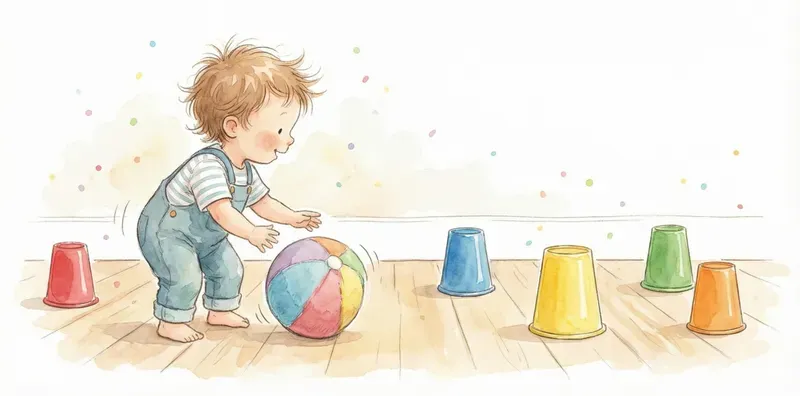
Target Ball Roll
1–4 years · 10–20 min · Indoor · Low energy
Rolling a ball toward a target builds hand-eye coordination, arm strength, and the concept of aim and distance — all while practicing turn-taking and patience. The sitting position makes this perfect for tired parents who can play from the couch or floor without getting up. Counting hits sneaks in early number skills.
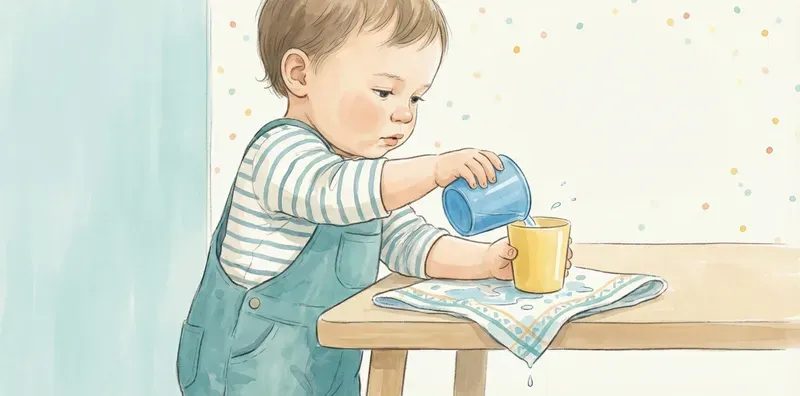
Water Transfer Game
2–5 years · 10–25 min · Indoor · Low energy
Water play is inherently calming — the sound and feel of water reduces stress in toddlers. Squeezing a sponge builds the exact hand muscles needed for pencil grip later. The baster requires a pinch-and-release motion that strengthens the thumb and index finger. And the focused, repetitive nature of transferring keeps toddlers engaged for surprisingly long stretches.