Play ideas
Learning Activities for 2-Year-Olds
Two-year-olds learn through their hands and their day, not through worksheets. The good news is that colours, shapes, counting, and new words are everywhere already; you just notice them out loud and turn them into a game.
These ideas keep learning playful and concrete. Sorting socks by colour, counting steps on the stairs, matching lids to pots, naming what you see. No flashcards, no pressure, just lots of repetition woven into play.
You won’t need to buy anything educational. The kitchen, the laundry, and a walk to the shops are full of natural maths and language. Keep it light and let curiosity do the work.
Featured learning for 2-year-olds
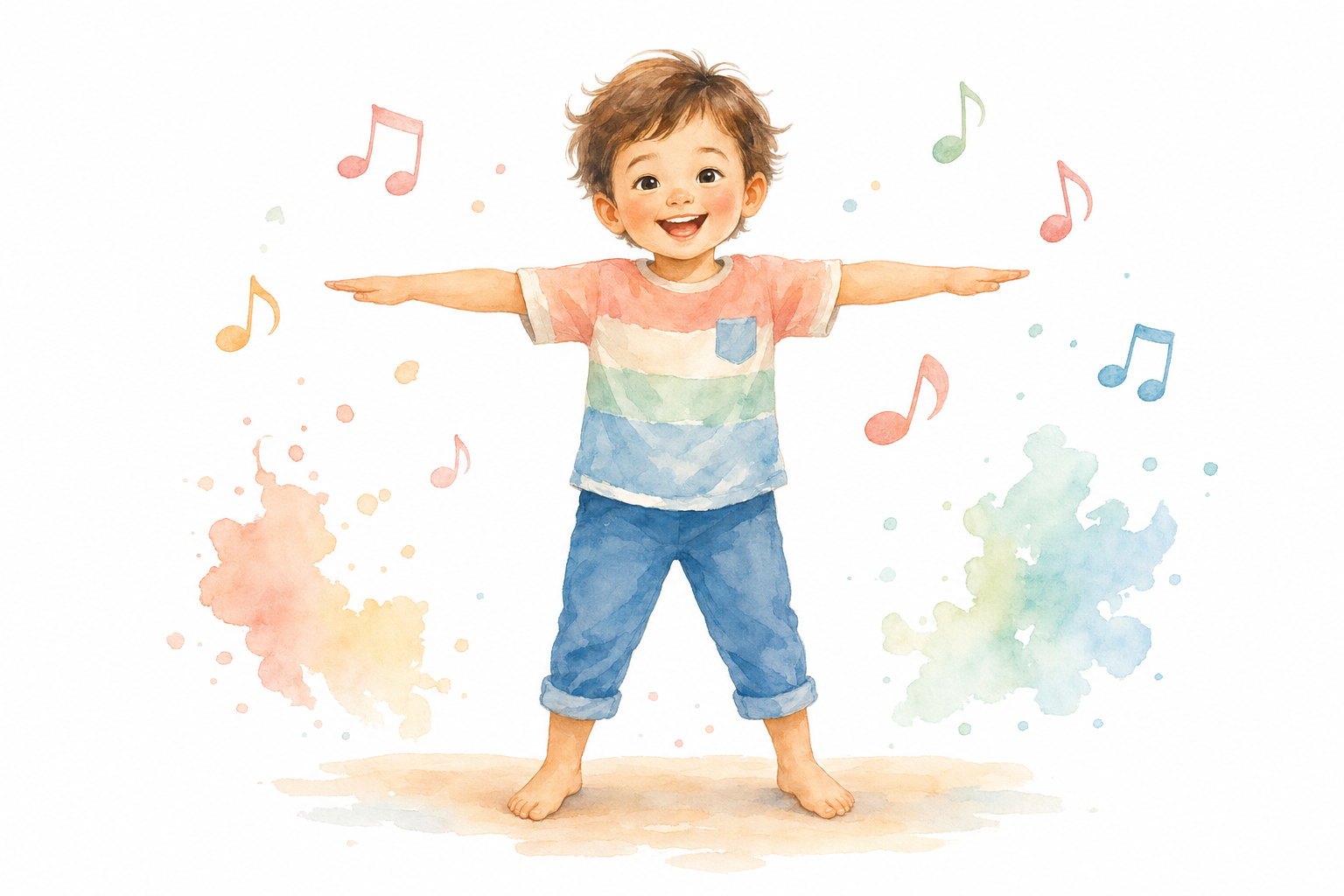
Alphabet Freeze Dance
- Age
- 2–6 years
- Time
- 10–20 min
- Energy
- Hands-on
- Setting
- Indoor
You'll need: Music (phone or speaker), Clear floor space
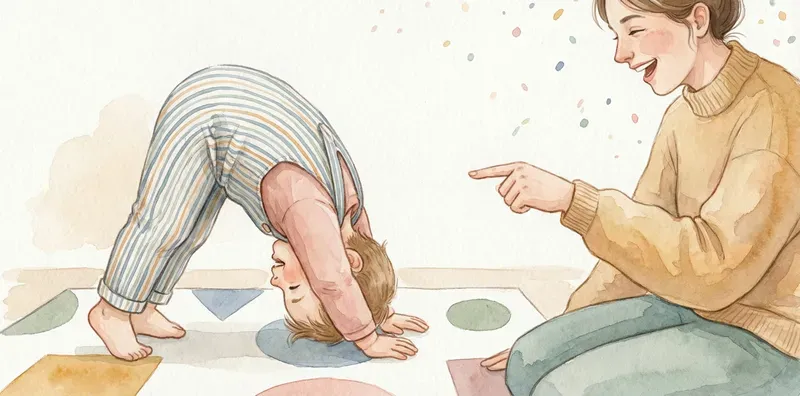
Body Letter Making
- Age
- 3–6 years
- Time
- 10–20 min
- Energy
- Hands-on
- Setting
- Indoor
You'll need: Clear floor space, Letter cards (optional), Music player (optional, for freeze dance version)
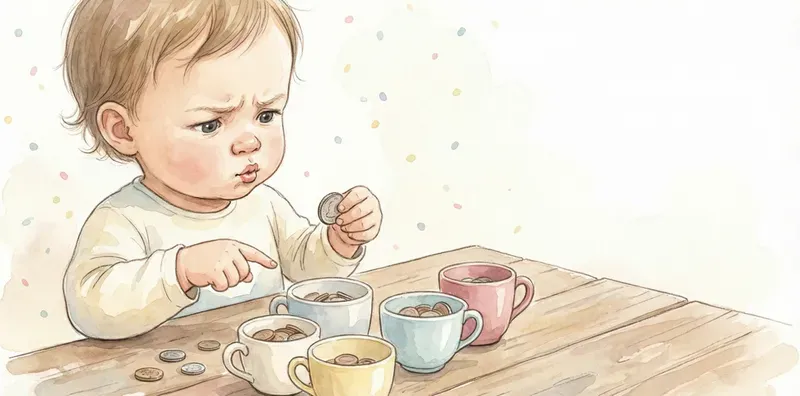
Coin Sorting Bank
- Age
- 3–6 years
- Time
- 10–20 min
- Energy
- Low-energy
- Mess
- No mess
You'll need: Various coins, Containers for sorting, Piggy bank (optional)
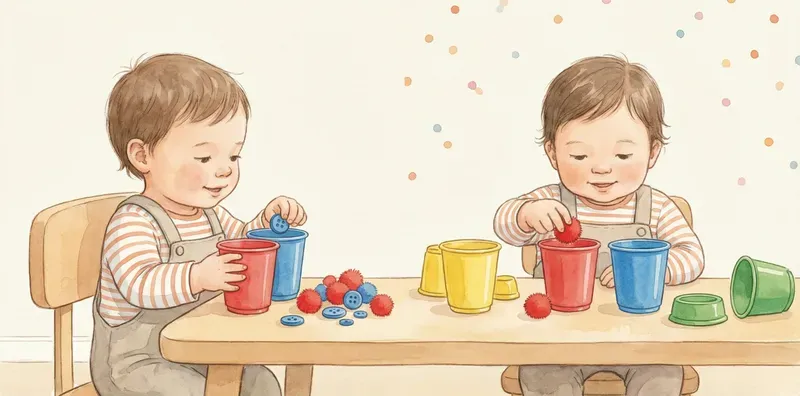
Color Sorting Cups
- Age
- 1–4 years
- Time
- 5–15 min
- Energy
- Low-energy
- Mess
- No mess
You'll need: Colored cups or bowls (3-5 colors), Small colorful items (pom poms, blocks, crayons, buttons), Tongs or spoon (optional)
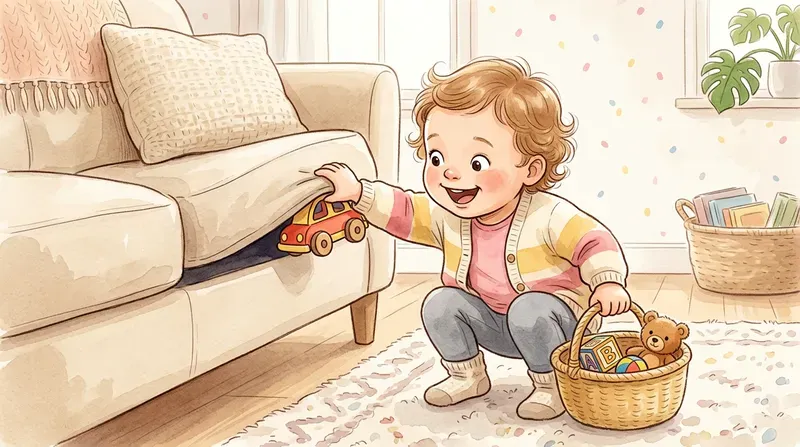
Counting Treasure Hunt
- Age
- 2–5 years
- Time
- 10–20 min
- Energy
- Hands-on
- Setting
- Indoor
You'll need: Small toys or objects (blocks, cars, stuffed animals), Paper with numbers written on it (optional), Bag or basket for collecting
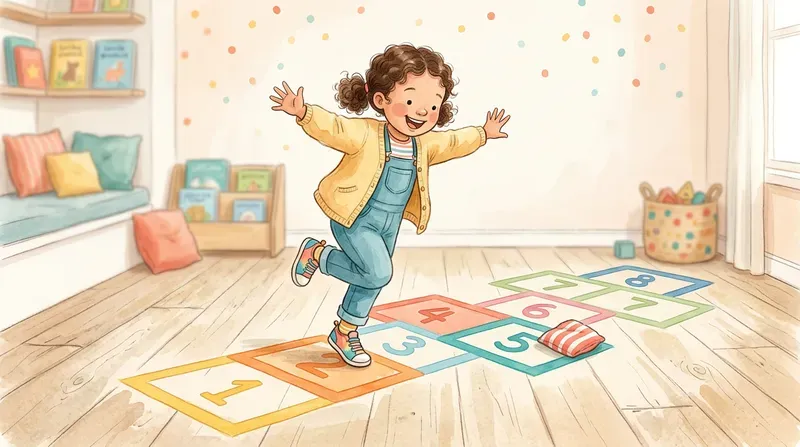
Indoor Hopscotch
- Age
- 2–6 years
- Time
- 10–20 min
- Energy
- Hands-on
- Mess
- Some mess
You'll need: Painter's tape or masking tape, Floor space (hallway or living room)
Tips for Learning at Two
- 1Sort and match. Sorting by colour or matching pairs (socks, lids) teaches early maths concepts through play they enjoy.
- 2Count real things. Count the stairs, the grapes, the ducks. Counting objects means far more than reciting numbers.
- 3Narrate the day. Name colours, shapes, and actions as you go. Hearing rich language is how vocabulary grows at two.
- 4Keep it short and fun. Two-year-olds learn in moments, not sessions. Stop while they’re still enjoying it.
More ideas in this collection
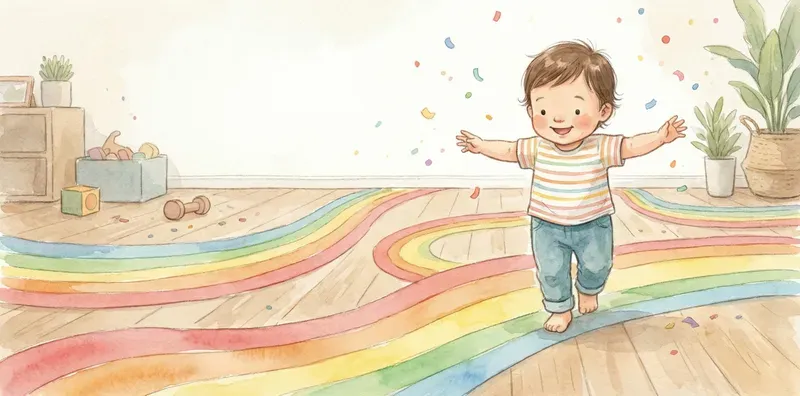
Indoor Rainbow Walk
2–5 years · 10–20 min · Indoor · Low energy
Hunting for each color gets your child up and moving while sharpening color recognition and visual scanning, the skill of searching a busy space for one specific thing. Naming what they find grows vocabulary, and holding the rainbow order in their head is early sequencing and memory practice. It needs zero supplies and zero setup, so it is the one you reach for when you have nothing but a few minutes to fill.
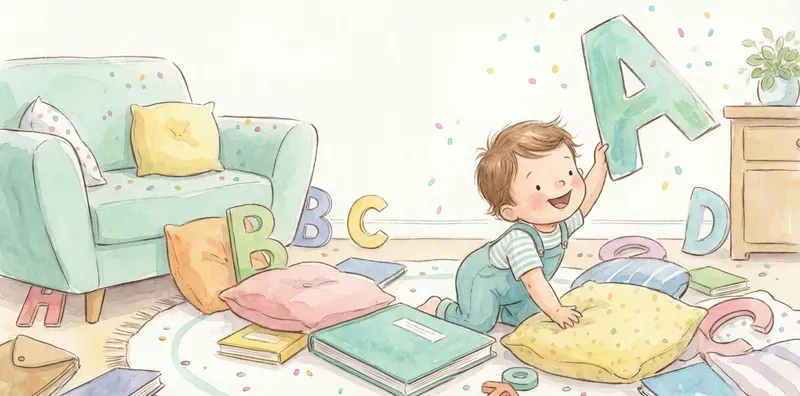
Letter Hunt Around the House
3–6 years · 10–20 min · Indoor · Low energy
Builds letter recognition and phonemic awareness playfully.
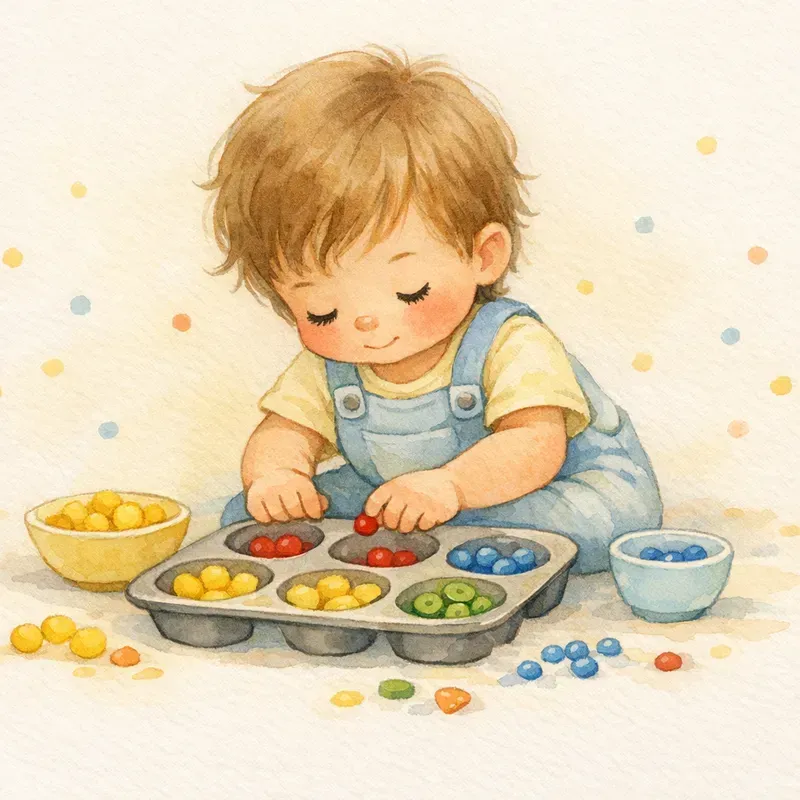
Muffin Tin Sorting
1–4 years · 10–20 min · Indoor · Low energy
Placing one item per cup teaches one-to-one correspondence, a foundational math concept that children need before they can count meaningfully. The pinch-and-drop motion builds the same finger strength and precision needed for writing. And because the muffin tin provides built-in structure (fill each cup!), toddlers stay focused longer than with open-ended sorting tasks.
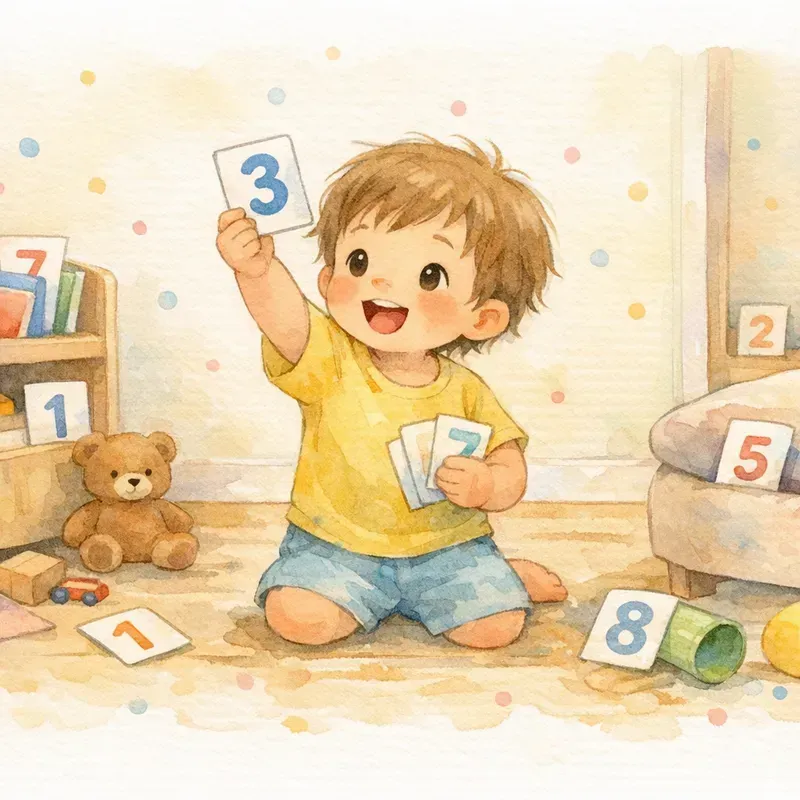
Number Hunt Around Home
3–6 years · 10–20 min · Indoor · Low energy
Number recognition in real-world context.
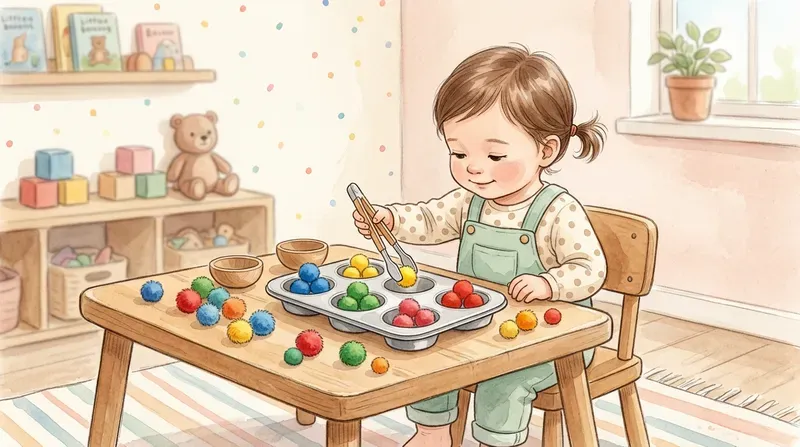
Pom Pom Sorting & Transfer
1–4 years · 10–20 min · Indoor · Low energy
Pom poms are squishy, colorful, and satisfying to grab, they don't roll away as easily as marbles and feel rewarding to pick up. Sorting by color builds early categorization skills, while the pinch-and-release motion with tongs or tweezers strengthens the same small hand muscles needed for writing and buttoning.
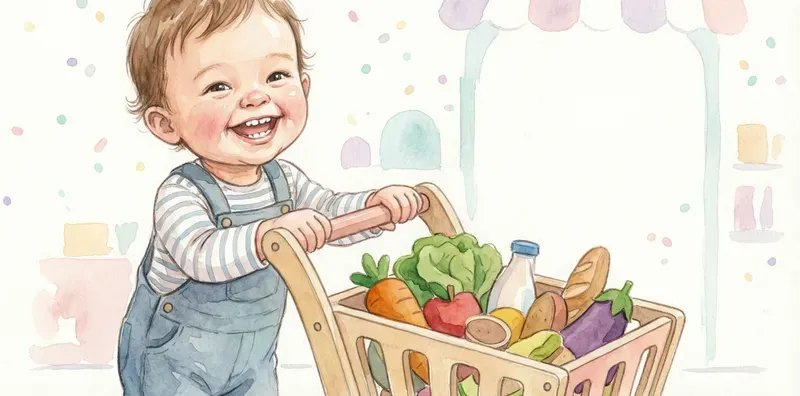
Pretend Grocery Store
2–6 years · 15–30 min · Indoor · Low energy
Role play builds language, math, and social skills naturally.
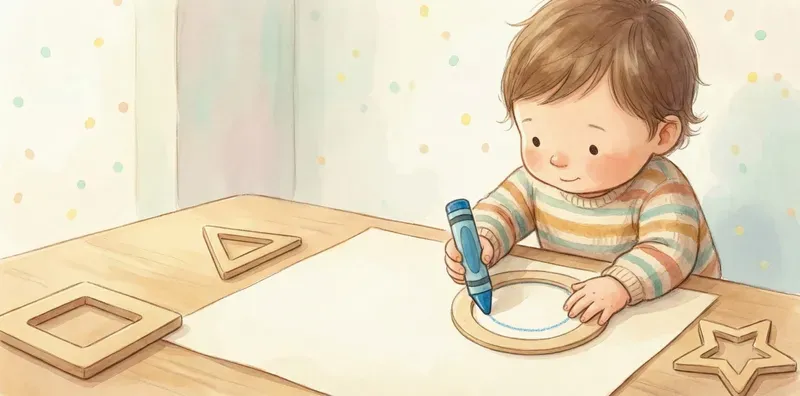
Shape Tracing Hunt
2–5 years · 10–20 min · Indoor · Low energy
Hands-on shape learning with art creation.
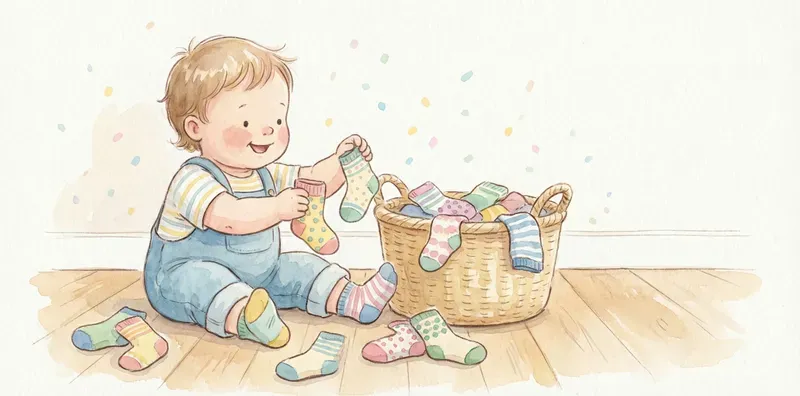
Sock Matching Game
2–4 years · 5–15 min · Indoor · Low energy
Finding pairs is real sorting practice (same color, same size, same pair) folded into a job kids can actually help with, which builds early matching skills and makes them feel useful.
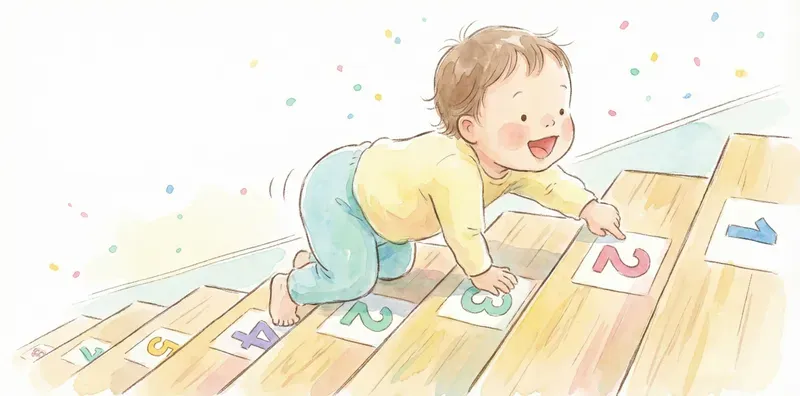
Stair Counting Game
1–4 years · 5–15 min · Indoor
Physical movement reinforces number learning naturally.
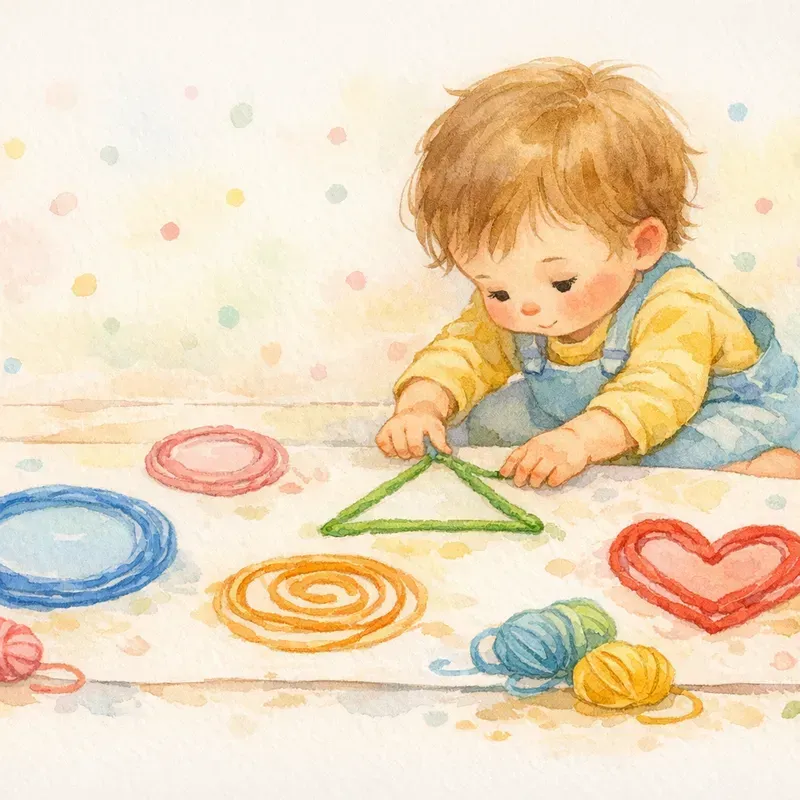
Yarn Shape Making
3–6 years · 10–20 min · Indoor · Low energy
Hands-on letter formation aids reading readiness.
Read
Guides for this topic
Guide
Easy Science Activities for Toddlers (Kitchen Experiments)
Simple science experiments for toddlers using household items. Six hands-on activities that teach cause and effect, sinking and floating, magnets, and mixing, no kit required.
Why read: A deeper, practical how-to
Guide
Best Gifts for 2-Year-Olds (That Earn Their Shelf Space)
Gift ideas for 2-year-olds that get used past the birthday party: play subscriptions, fine-motor tools, and when a cardboard box still wins.
Why read: A deeper, practical how-to
General
Christmas Activities for Toddlers (With What's Already in the House)
Wrapping paper, tape, boxes, and cotton balls. Indoor Christmas activities for toddlers using what you already have, no craft-store run, ages 1 to 4.
Why read: A quick, practical read
Related categories
Browse by age
Questions parents ask
What should a 2-year-old be learning?
At two, children are soaking up vocabulary, learning colours and shapes, beginning to count objects, and developing problem-solving through play. Hands-on, everyday experiences matter far more than formal teaching or screens.
How do I teach colours and shapes to a 2-year-old?
Weave it into play and daily life: sort toys by colour, point out shapes in books and around the house, and name them as you go. Repetition through games sticks far better than drilling or flashcards.
Not sure where to start?
Let the generator pick a learning for 2-year-olds idea for you, no scrolling required.
Get an activity