Easy Science Activities for Toddlers (Kitchen Experiments)
Simple science experiments for toddlers using household items. Six hands-on activities teaching cause and effect, floating, magnets, and mixing, no kit needed.
“Science” sounds like goggles and a kit, but for a toddler it’s much simpler: something happens, and they want to make it happen again. Drop a cork in water, stick a magnet to the fridge, squeeze a handful of goo, and you’ve got a toddler doing exactly what scientists do, noticing, testing, and wondering. Everything here uses what’s already in your kitchen.
What Science Looks Like at This Age
Forget facts and big words. Toddler science is about cause and effect you can see and repeat. The learning is in the “again!” A child who drops one thing after another into a tub of water to see what floats is forming and testing little theories, even without the language for it.
So your role isn’t to explain, it’s to set up something with an obvious result and then narrate and ask. “Oh, it sank! What about this one?” does far more than a lecture. Keep it hands-on and let the wondering lead.
6 Easy Science Activities
1. Sink or float
Fill a tub and gather a handful of safe items: a cork, a spoon, a grape, a toy car, a leaf. Your toddler guesses, then drops each one in to see. It’s the perfect first experiment: an instant, visible result every single time, and a reason to keep testing the next thing.
2. Magnet exploration
Hand your toddler a sturdy magnet and let them go around the house finding what sticks and what doesn’t. The fridge, a spoon, a table leg, a toy. The invisible pull is genuinely surprising to a small child, and sorting things into “sticks” and “doesn’t” is early science thinking in action.
3. Oobleck
Mix cornflour with a little water and you get oobleck, a strange goo that’s firm when you press it and runny when you don’t. Toddlers are fascinated that it can’t decide whether it’s a solid or a liquid. It’s messy in the best way and a real sensory-science crossover.
4. Paper towel color travel
Stand strips of paper towel between cups of colored water and watch the color climb up the paper and creep across to the next cup. It happens slowly enough to keep checking on and feels a bit like magic. A gentle, no-mess intro to how water moves.
5. Ice cube painting
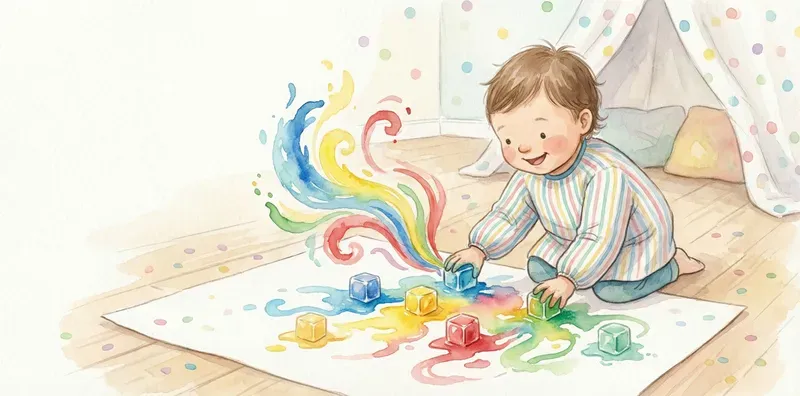
Freeze water with a drop of paint or food coloring and a lolly stick handle, then let your toddler paint with the melting cubes. They watch the ice turn to colored water on the paper, feel it go from hard to soft, and make art at the same time. Cold, slow, and absorbing.
6. Car ramp races
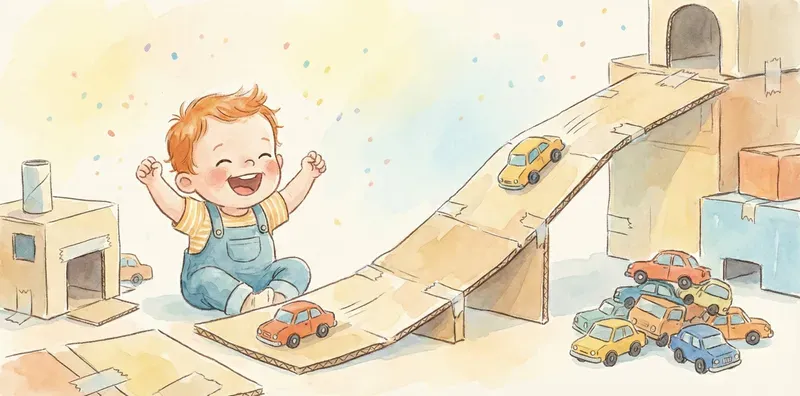
Prop a board, a book, or a cushion against the sofa to make a ramp and send toy cars down it. Raise it higher and they go faster and further. It’s a toddler’s first experiment with gravity and speed, and the tweaking (steeper? flatter?) is the whole point.
Keep It Low-Pressure
The fastest way to take the fun out of toddler science is to turn it into a lesson with a right answer. There’s no wrong way to do any of these. If your toddler just wants to splash the sink-or-float water or squish the oobleck without “testing” anything, that’s fine, the noticing happens anyway.
Repeat the ones they love. Doing the same experiment ten times isn’t boring to a toddler, it’s how they confirm that the world works the way they think it does. That confidence is worth more than covering lots of ground.
More Hands-On Ideas
For a fuller collection, browse science activities for toddlers. A lot of toddler science overlaps with sensory and water play, so sensory activities for toddlers and water activities for toddlers are good next stops too.
Put it into practice
Try these activities
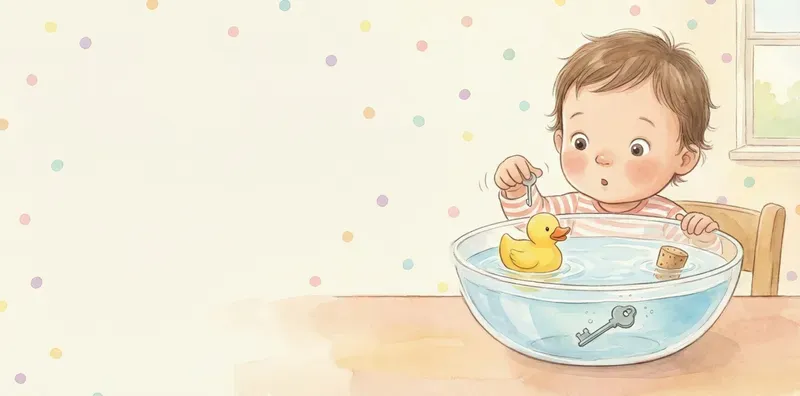
Sink or Float Experiment
- Age
- 2–5 years
- Time
- 10–20 min
- Energy
- Low-energy
- Mess
- Some mess
You'll need: Tub of water, Various small household items, Towel
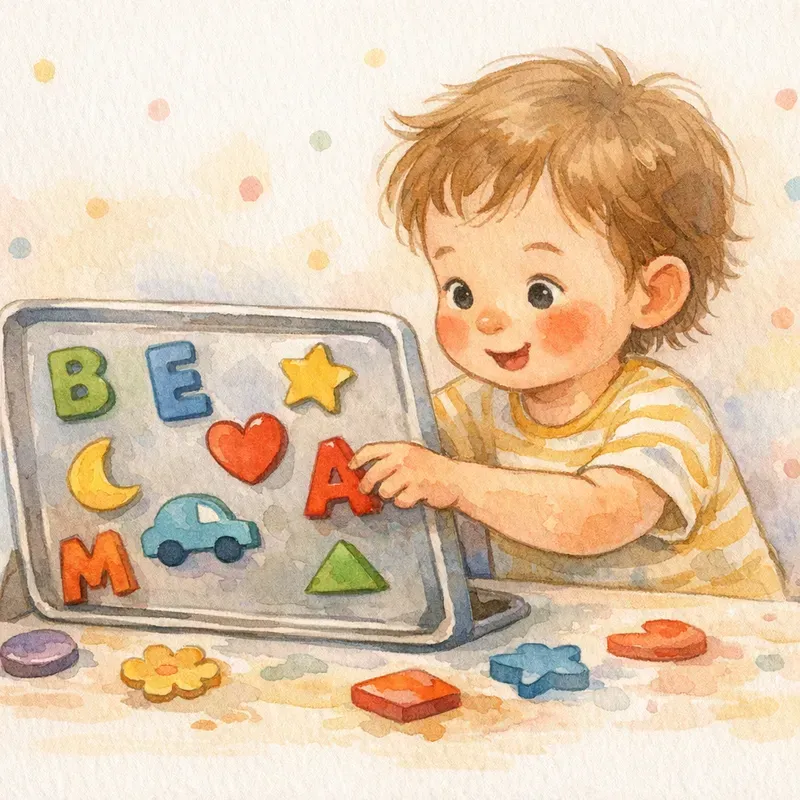
Magnet Exploration
- Age
- 2–5 years
- Time
- 10–20 min
- Energy
- Low-energy
- Mess
- No mess
You'll need: Magnets, Various metal and non-metal items, Baking sheet (optional)
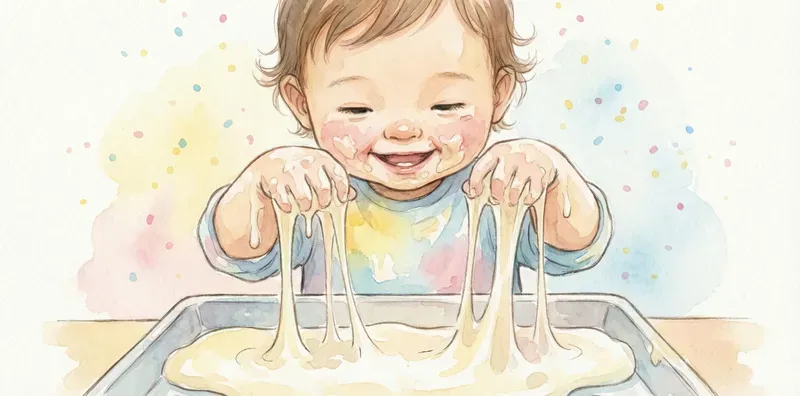
Oobleck Goo Exploration
- Age
- 2–6 years
- Time
- 15–30 min
- Energy
- Hands-on
- Mess
- Some mess
You'll need: Cornstarch (2 cups), Water (1 cup), Large container +1 more
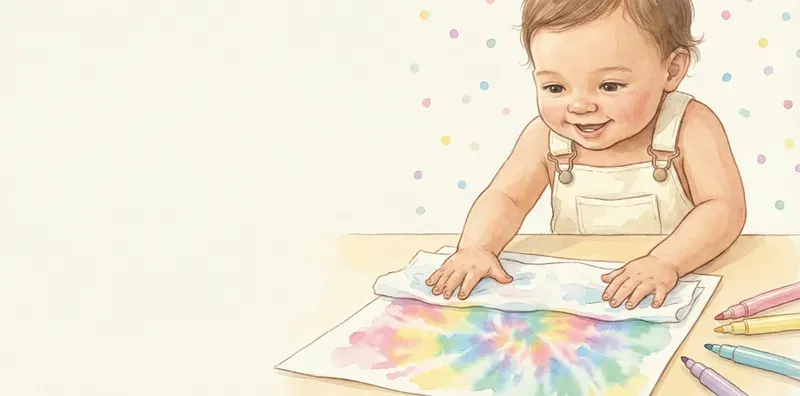
Paper Towel Painting
- Age
- 1–4 years
- Time
- 10–20 min
- Energy
- Hands-on
- Mess
- Some mess
You'll need: Paper towels, Washable markers, Spray bottle with water
Ice Cube Painting
- Age
- 1–5 years
- Time
- 10–25 min
- Energy
- Hands-on
- Mess
- Some mess
You'll need: Ice cubes, Food coloring, Paper +1 more
DIY Car Ramp Races
- Age
- 1–5 years
- Time
- 15–30 min
- Energy
- Low-energy
- Setting
- Indoor
You'll need: Cardboard or wooden board, Toy cars, Blocks for propping
Keep reading
Related guides & topics
Common questions
What are easy science experiments for toddlers at home?
Can a 2-year-old really do science?
How do I talk about the science without it feeling like a lesson?
Need an idea right now?
Skip the scrolling, tell the generator your child's age and how long you've got.
Get an activityStay stocked with ideas
A few fresh play ideas, every now and then.
Practical activities and short parenting reads, no spam, no fluff, unsubscribe anytime.
Written by the TinyPlay team
We're parents who got tired of complicated activity ideas. Everything here is practical, low-prep, and built around how toddlers actually play, no ads in your face, no sign-up walls, no Pinterest pressure.