Play ideas
Science Activities for 2-Year-Olds
Science at two looks a lot like making a mess on purpose, and that’s exactly right. Pouring, mixing, dropping, and watching what happens is how a two-year-old learns cause and effect, the foundation of all the science to come.
These ideas are simple and sensory. Float-or-sink in a tub, mixing colours, watching ice melt, seeing what a magnet grabs. No explanations needed, just "ooh, look what happened" and the chance to do it again.
It’s all kitchen science. Water, ice, food colouring, a few household objects. The learning is in the doing and the repeating, not in any tidy conclusion.
Featured science for 2-year-olds
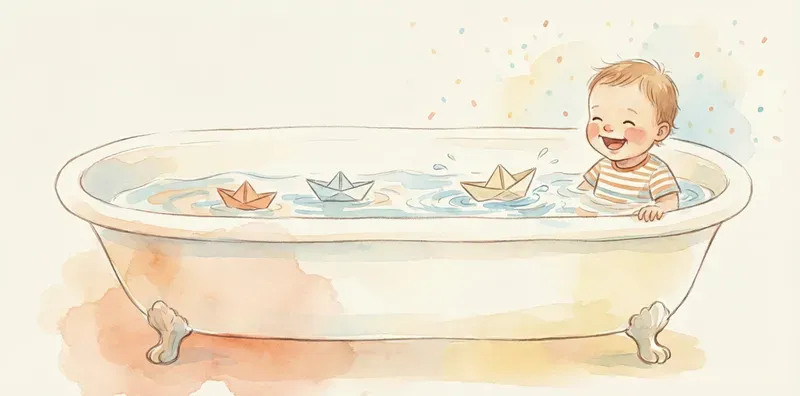
Bathtub Boat Races
- Age
- 1–5 years
- Time
- 10–25 min
- Energy
- Low-energy
- Mess
- Some mess
You'll need: Sponges or corks, Toothpicks and paper for sails, Bathtub with water
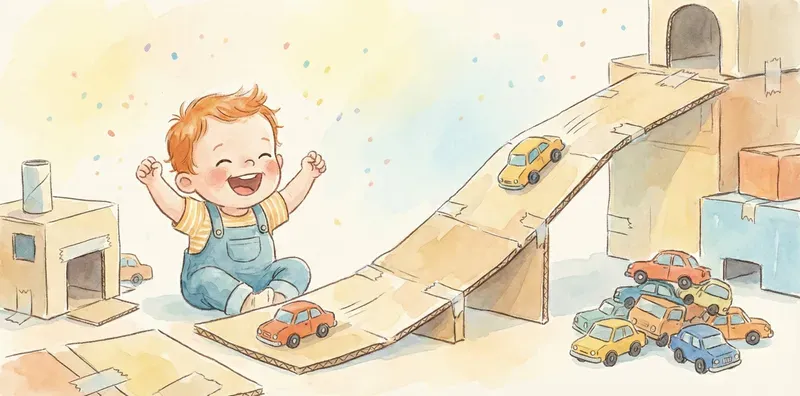
DIY Car Ramp Races
- Age
- 1–5 years
- Time
- 15–30 min
- Energy
- Low-energy
- Setting
- Indoor
You'll need: Cardboard or wooden board, Toy cars, Blocks for propping
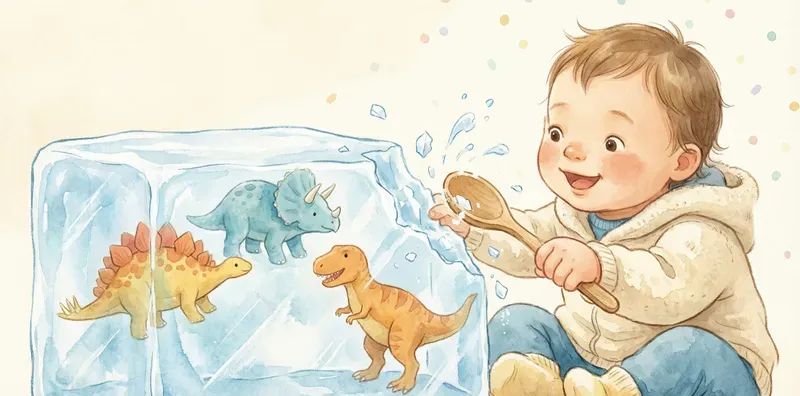
Frozen Toy Excavation
- Age
- 2–5 years
- Time
- 15–30 min
- Energy
- Hands-on
- Mess
- Some mess
You'll need: Container of ice (frozen overnight with toys inside), Warm water, Salt +1 more
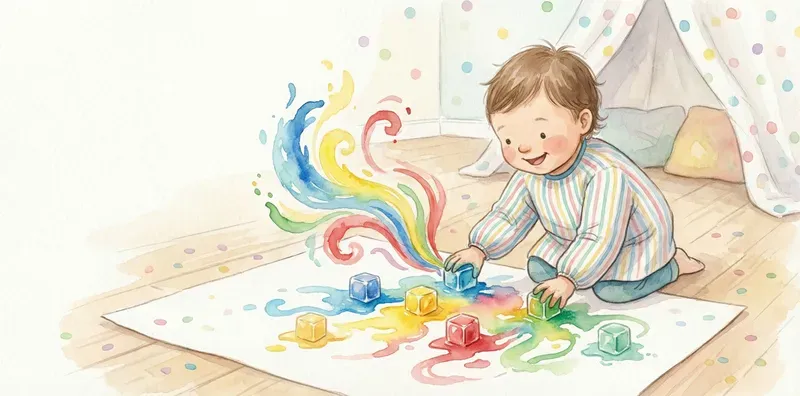
Ice Cube Painting
- Age
- 1–5 years
- Time
- 10–25 min
- Energy
- Hands-on
- Mess
- Some mess
You'll need: Ice cubes, Food coloring, Paper +1 more
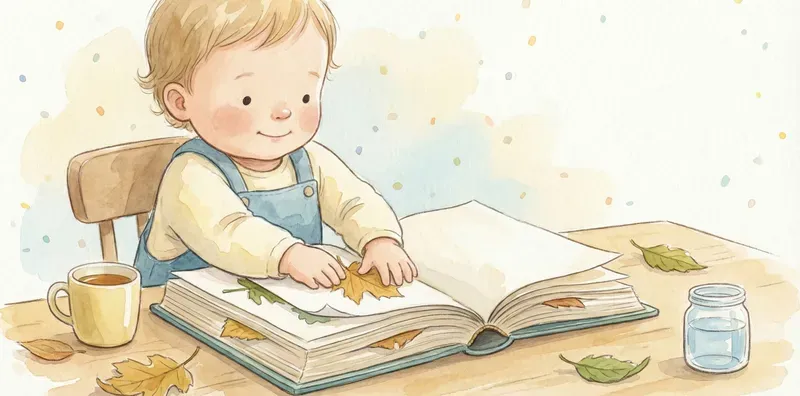
Leaf Collecting and Pressing
- Age
- 2–6 years
- Time
- 15–30 min
- Energy
- Hands-on
- Setting
- Outdoor
You'll need: Bag for collecting, Heavy books, Paper
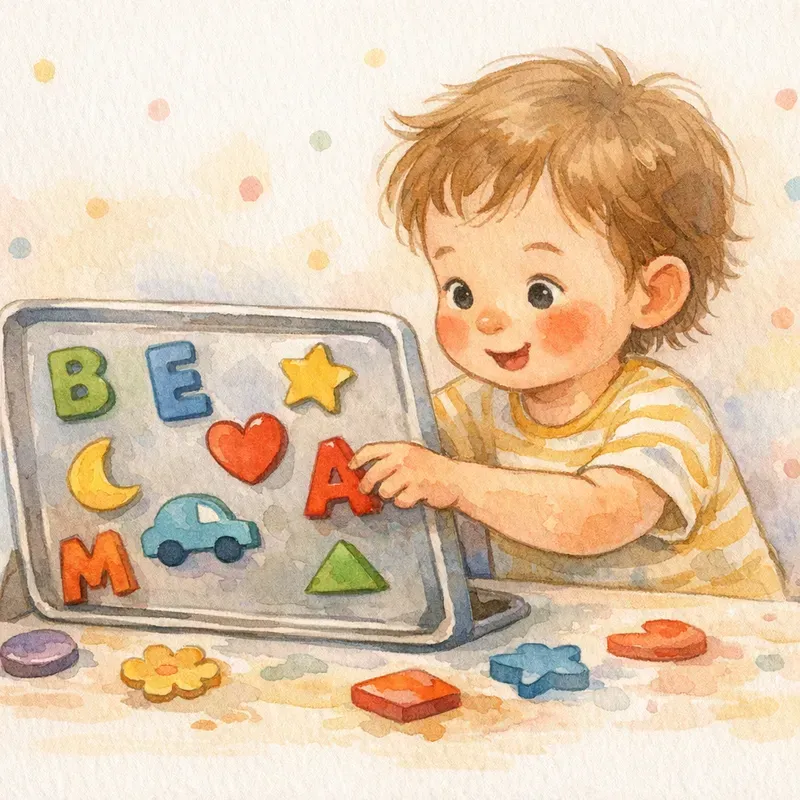
Magnet Exploration
- Age
- 2–5 years
- Time
- 10–20 min
- Energy
- Low-energy
- Mess
- No mess
You'll need: Magnets, Various metal and non-metal items, Baking sheet (optional)
Tips for Science at Two
- 1Let them repeat it. Dropping the ball in the water forty times is them testing a result. Repetition is the experiment.
- 2Narrate, don’t lecture. "The ice is melting, it’s getting smaller" gives words to what they see without turning it into a lesson.
- 3Embrace the mess. Real science at two is wet and messy. Set up on a tray or outside so you can relax.
- 4Follow their wonder. If they’re fascinated by the bubbles, do more bubbles. Their interest is the best guide.
More ideas in this collection
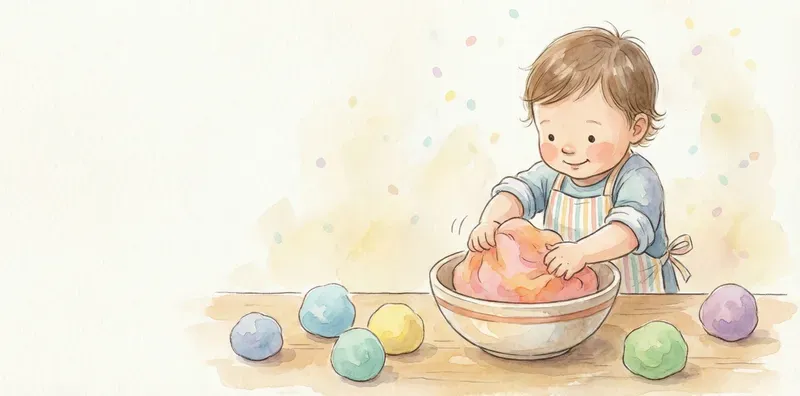
Make Homemade Playdough
2–6 years · 20–40 min · Indoor
Science experiment creates lasting toy while building measuring skills.
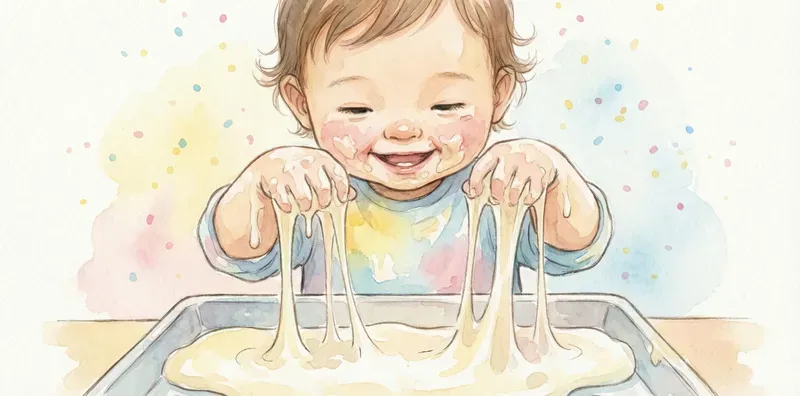
Oobleck Goo Exploration
2–6 years · 15–30 min · Indoor
Non-Newtonian fluid fascinates and teaches science concepts.
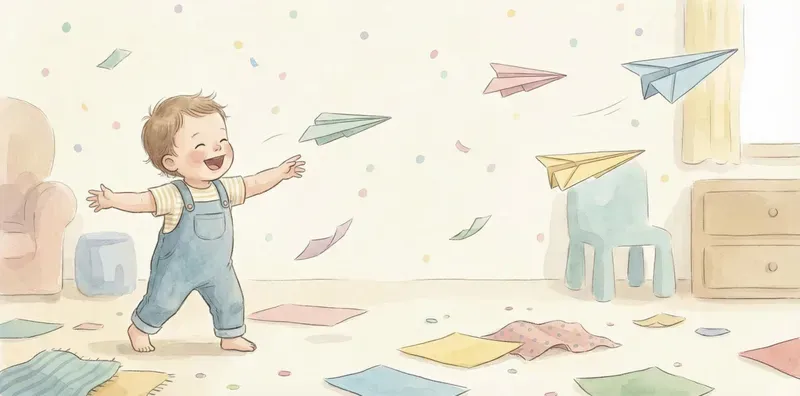
Paper Airplane Contest
3–6 years · 15–30 min · Indoor
Folding a crisp airplane is real fine motor work: lining up edges and pressing sharp creases takes focus and steady fingers. The throwing then turns it into a hands-on physics experiment, your child sees how weight, wing shape, and force change the flight, which is early cause-and-effect and problem solving. Because they can tweak and re-test endlessly, one sheet of paper holds their attention far longer than you would expect.
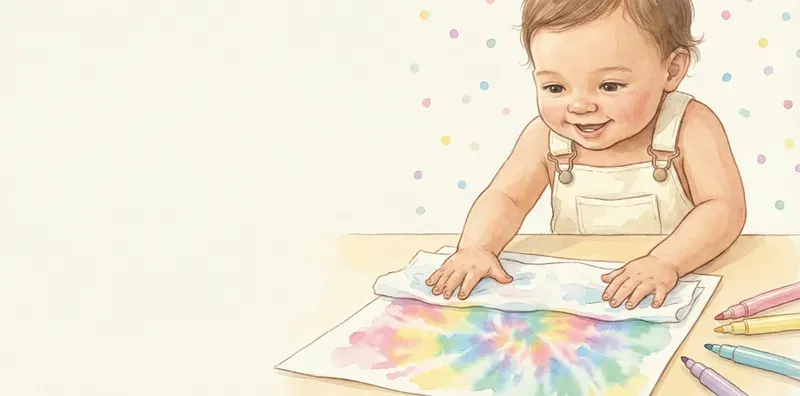
Paper Towel Painting
1–4 years · 10–20 min · Indoor
Drawing on a paper towel then misting it with water shows kids how color bleeds and spreads. The slow blur from sharp lines into soft tie-dye keeps them watching to see what their picture turns into.
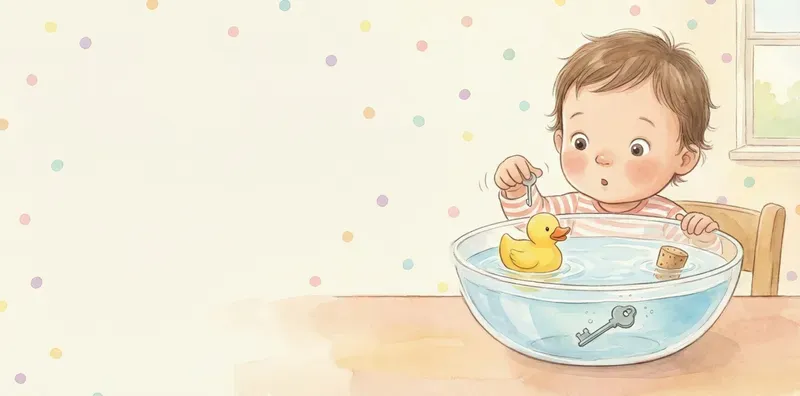
Sink or Float Experiment
2–5 years · 10–20 min · Indoor · Low energy
Guessing before testing is how science actually works: make a prediction, try it, and see what happens. Kids learn that a wrong guess is part of the fun, not a failure.
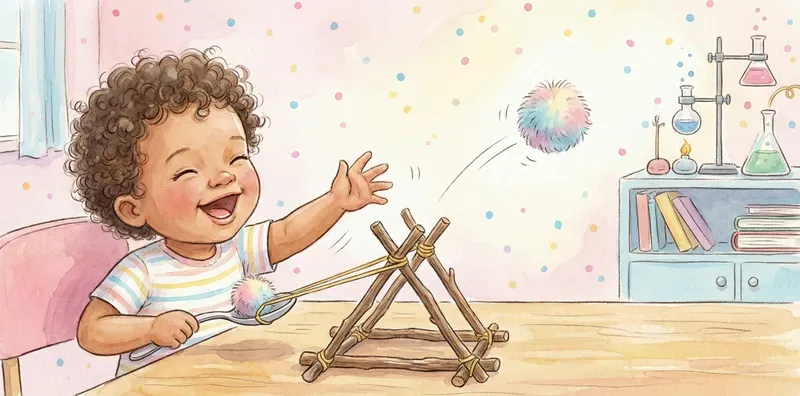
Spoon Catapult Launch
3–6 years · 10–20 min · Indoor
Teaches physics concepts through hands-on experimentation.
Read
Guides for this topic
Guide
Easy Science Activities for Toddlers (Kitchen Experiments)
Simple science experiments for toddlers using household items. Six hands-on activities that teach cause and effect, sinking and floating, magnets, and mixing, no kit required.
Why read: A deeper, practical how-to
General
Water Play Activities for Toddlers (Indoor and Out)
Simple water play for toddlers you can run at the sink, in the tub, or in the yard. What water play builds, how to keep the mess contained, and seven easy setups.
Why read: A quick, practical read
General
Christmas Activities for Toddlers (With What's Already in the House)
Wrapping paper, tape, boxes, and cotton balls. Indoor Christmas activities for toddlers using what you already have, no craft-store run, ages 1 to 4.
Why read: A quick, practical read
Related categories
Browse by age
Questions parents ask
What science activities can a 2-year-old do?
Float-or-sink tests, mixing two colours of paint or water, watching ice melt, simple magnet play, and pouring and funnelling water all suit two-year-olds. They explore cause and effect through hands-on, repeatable play.
Is a 2-year-old too young for science?
Not at all. Two-year-olds are natural scientists, constantly testing what happens when they pour, drop, and mix. You don’t need experiments or explanations, just safe materials and the freedom to explore and repeat.
Not sure where to start?
Let the generator pick a science for 2-year-olds idea for you, no scrolling required.
Get an activity