Indoor Activities When You're Exhausted
Low-energy indoor play ideas for tired parents. Simple setups you can do sitting or lying down, plus links to quiet and 5-minute activities.
Some days you barely have the energy to make coffee, let alone orchestrate a craft project. This post is for those days. Every idea here works while you sit (or lie) on the couch. No prep marathons, no glitter, no guilt.
Why “Low-Energy Parenting” Is Still Good Parenting
There’s a myth that engaged parenting means constant activity. Research tells a different story: children benefit most from a present, calm caregiver, even if that caregiver is horizontal. Being nearby while your child explores independently builds secure attachment and self-directed play skills.
The bar isn’t Pinterest-perfect. The bar is safe, supervised, and reasonably stimulating. You can clear that bar from the sofa.
5 Activities You Can Set Up in Under 2 Minutes
1. Sticker free-play
Hand your child a sheet of stickers and a piece of paper (or their arm, or a cardboard box). Peeling stickers is a quiet fine motor workout that buys you a solid 10–15 minutes.
2. Blanket fort + books
Drape a blanket over two chairs, toss in a pillow and a few board books. You just built a “reading cave.” Bonus: you can lie next to it with your eyes closed and still be participating.
3. Sensory bag on the window
Tape a zip-lock bag with hair gel and a few small toys to a sunny window. Your toddler can squish and move items around while you supervise from nearby. Zero mess, zero cleanup.
4. Muffin tin sorting
Grab a muffin tin and a handful of household items: pom-poms, pasta, buttons (age-appropriate sizes). Dump them in a bowl and let your child sort. Sit nearby and narrate colours or sizes when you feel like it.
5. Puzzle rotation
Pull out 2–3 puzzles your child hasn’t seen in a while. The novelty factor alone can hold attention longer than a familiar toy. Sit on the floor and let them work through each one at their own pace.
The “Tired Parent” Setup Checklist
Before you crash on the couch, do a quick 60-second prep:
- Pick one activity: decision fatigue is real, so just grab the first thing that seems doable.
- Contain the zone: a high-chair tray, a bath mat on the floor, or a cardboard box lid keeps materials in one area.
- Remove hazards: a quick scan for choking-size pieces, sharp edges, or accessible plugs.
- Set a water bottle and snack nearby: for you, not the kid. Hydration helps energy levels.
When You Truly Can’t Move: Audio Play
If even setting up stickers feels like too much, try audio-based play. Put on a children’s audiobook or a simple music playlist and ask your child to “dance like a frog” or “stomp like a dinosaur.” You narrate from the couch, they burn energy on the carpet.
Another option: hide-and-seek sounds. Hide a noisy toy or a phone playing music and let your toddler find it. You stay put while they search.
Give Yourself Permission to Do Less
A day of low-key play isn’t a failure. It’s sustainable parenting. Your child doesn’t need a new activity every hour. They need a safe space, a few open-ended materials, and a parent who’s there. Even on the days when “there” means half-asleep on the couch.
If you need more ideas for low-effort days, check out quiet activities for toddlers or browse 5-minute activities for quick wins.
Put it into practice
Try these activities

Cozy Blanket Fort
- Age
- 1–6 years
- Time
- 15–45 min
- Energy
- Low-energy
- Mess
- No mess
You'll need: Blankets, Chairs or couch, Pillows +1 more
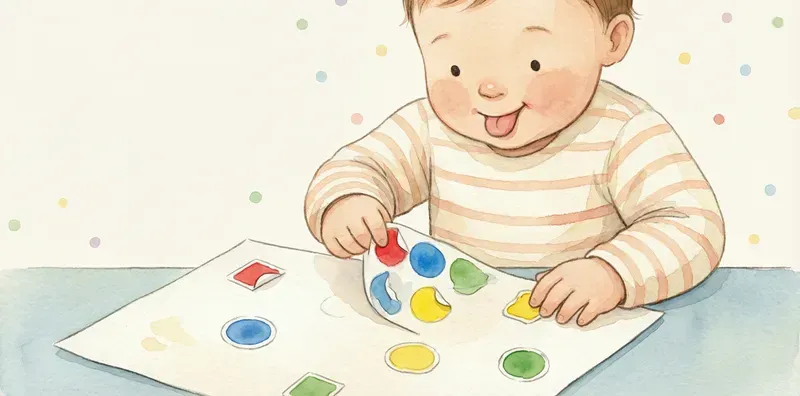
Sticker Free Play
- Age
- 1–4 years
- Time
- 5–15 min
- Energy
- Low-energy
- Mess
- No mess
You'll need: Stickers (any kind, dollar store sheets work great), Paper or cardboard
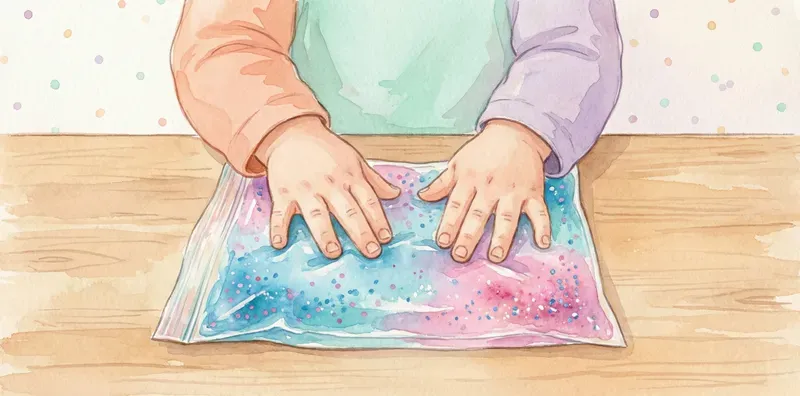
Squishy Sensory Bag
- Age
- 0–3 years
- Time
- 5–20 min
- Energy
- Low-energy
- Mess
- Some mess
You'll need: Ziplock bag, Hair gel or dish soap, Glitter or small toys +1 more
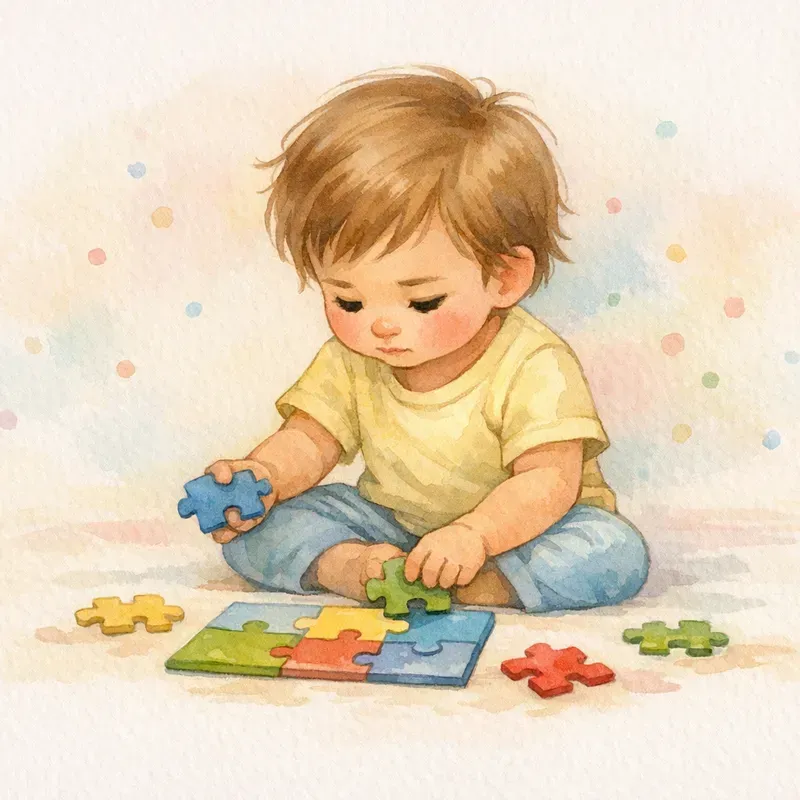
Floor Puzzle Time
- Age
- 1–5 years
- Time
- 10–25 min
- Energy
- Low-energy
- Mess
- No mess
You'll need: Age-appropriate puzzle, Flat floor space
Keep reading
Related guides & topics
Common questions
What can I do with my toddler when I have zero energy?
Are screen-free activities realistic when you're exhausted?
How long should I expect my toddler to play independently?
Need an idea right now?
Skip the scrolling, tell the generator your child's age and how long you've got.
Get an activityStay stocked with ideas
A few fresh play ideas, every now and then.
Practical activities and short parenting reads, no spam, no fluff, unsubscribe anytime.
Written by the TinyPlay team
We're parents who got tired of complicated activity ideas. Everything here is practical, low-prep, and built around how toddlers actually play, no ads in your face, no sign-up walls, no Pinterest pressure.