All Activities
23 activities so far. All simple, all using household items.
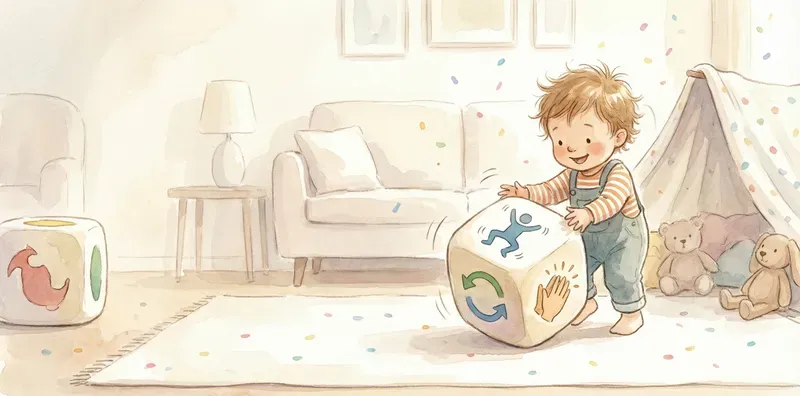
Action Dice Game
2–6 years · 10–20 min · Indoor
The random dice roll turns simple movements into a thrilling game. Kids stay engaged because they never know what action comes next, and the physical movements burn energy while building coordination and balance.
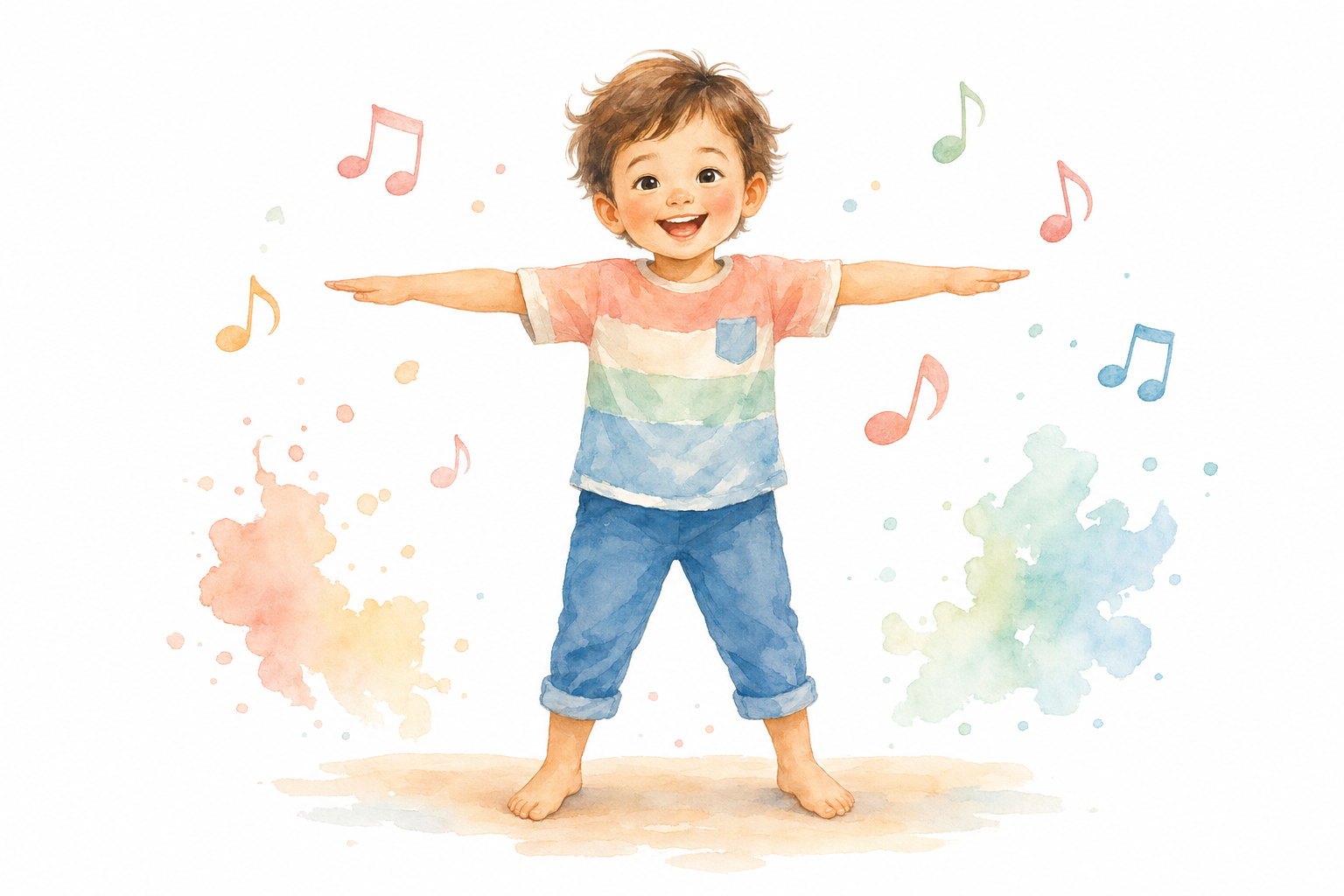
Alphabet Freeze Dance
2–6 years · 10–20 min · Indoor
Combining music, movement, and letter recognition fires up multiple brain pathways at once. The freeze moment creates a 'micro-challenge' that keeps kids focused — they're listening for the pause and thinking about the letter shape simultaneously. It's the best of both worlds: the energy burn of a dance party plus sneaky literacy practice. Kids who learn letters through whole-body movement tend to recognize them faster than through worksheets alone.
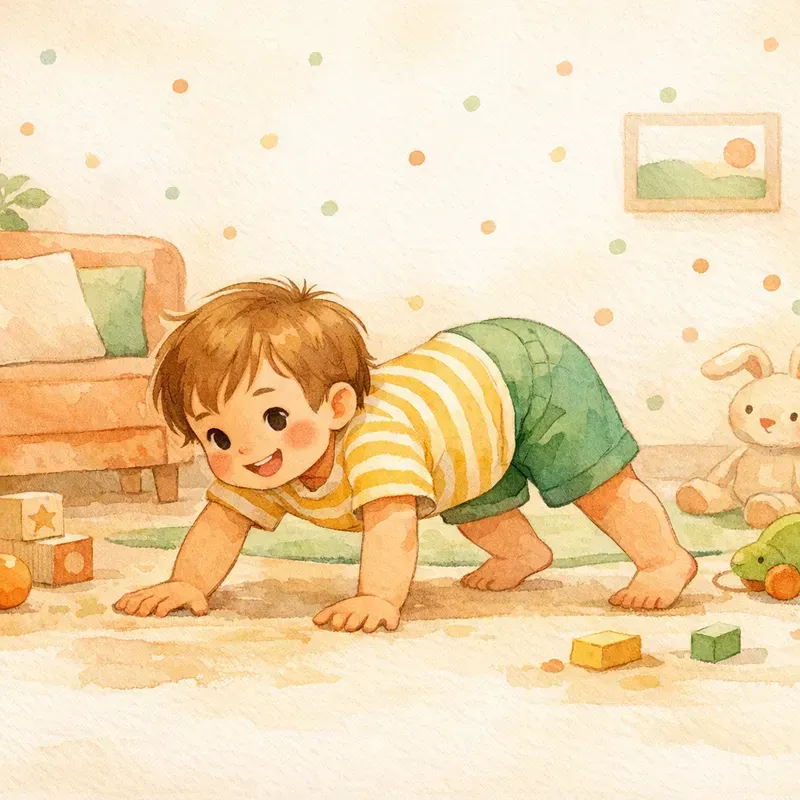
Animal Walks
2–5 years · 5–15 min · Indoor
Each animal movement works different muscle groups — bear walks build arm and core strength, frog hops strengthen legs, crab walks improve coordination and balance. The imaginative element keeps kids engaged far longer than plain exercise, and the constant switching between movements develops body awareness and motor planning.
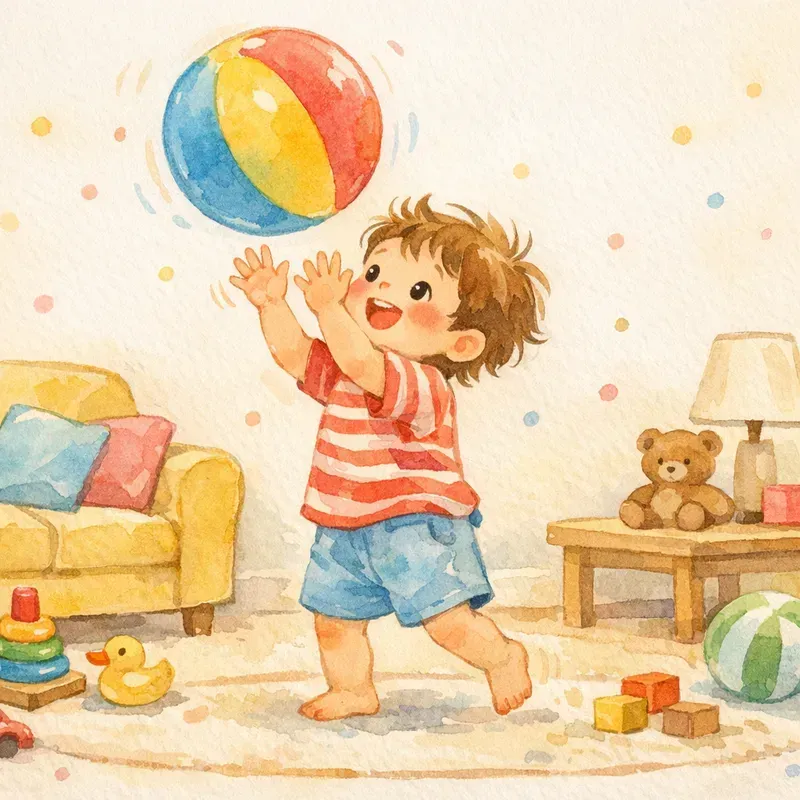
Balloon Keep Up
2–6 years · 5–15 min · Indoor
Slow-moving balloon allows success while building tracking skills and energy release.
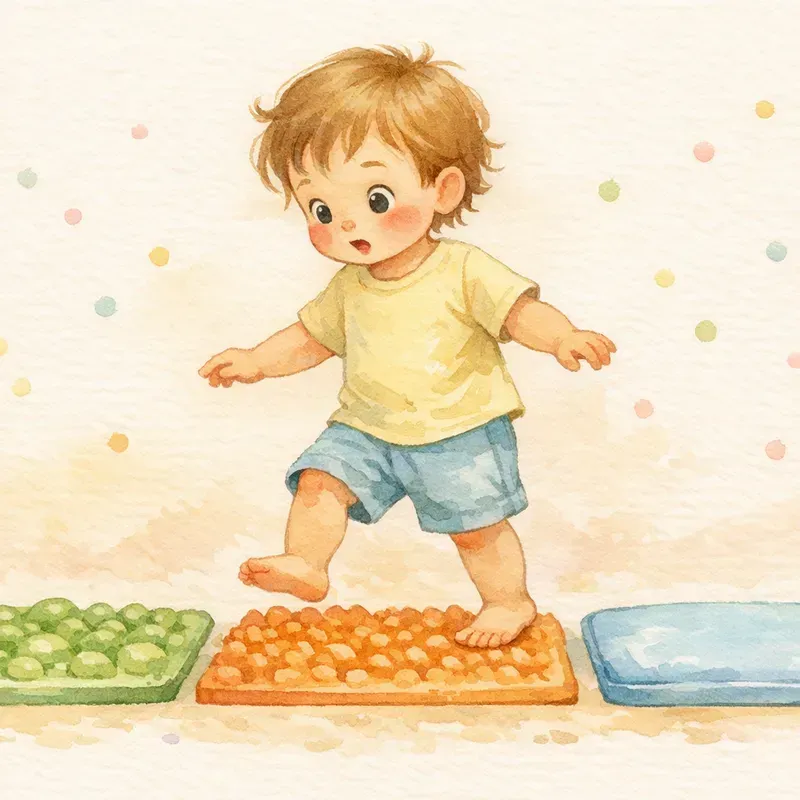
Barefoot Texture Walk
1–4 years · 10–20 min · Indoor
Sensory input through the feet develops proprioception — the body's ability to sense where it is in space. This is the same skill that helps kids navigate stairs, climb playground equipment, and move confidently in the dark. Naming each texture also builds descriptive vocabulary and teaches kids to pay attention to subtle sensory differences.
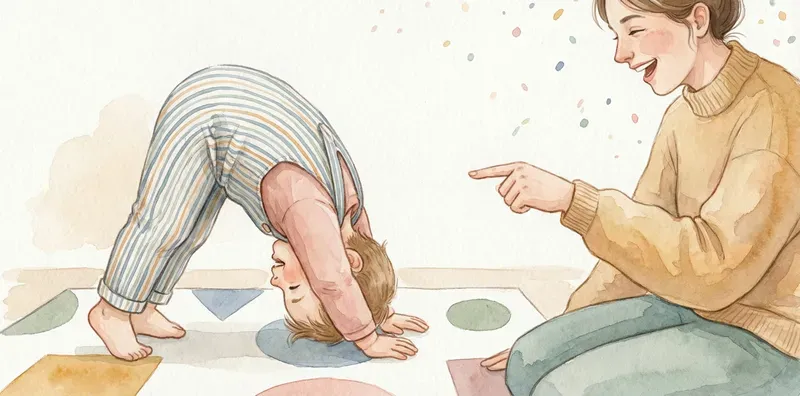
Body Letter Making
3–6 years · 10–20 min · Indoor
Kinesthetic learning — shaping letters with the whole body — creates stronger memory than writing alone. Research shows that kids who learn letters through movement recognize them faster and retain them longer. They physically feel the difference between a P and a B, which builds letter recognition and pre-reading skills. It's also a sneaky gross motor workout that burns energy while building literacy.
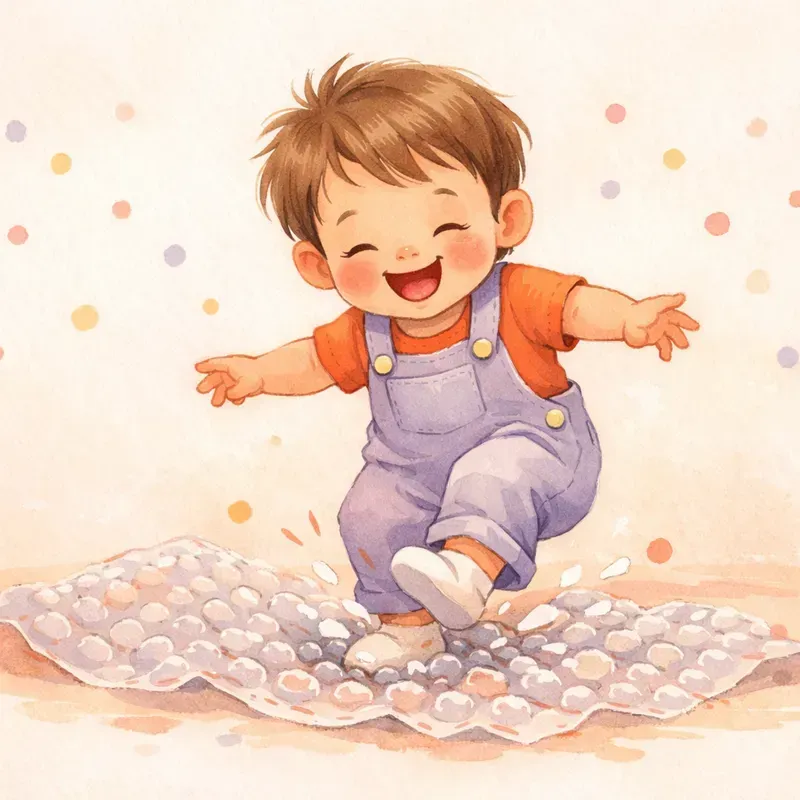
Bubble Wrap Stomp
1–5 years · 5–15 min · Indoor · Low energy
Gross motor movement releases energy while the popping provides satisfying sensory feedback.
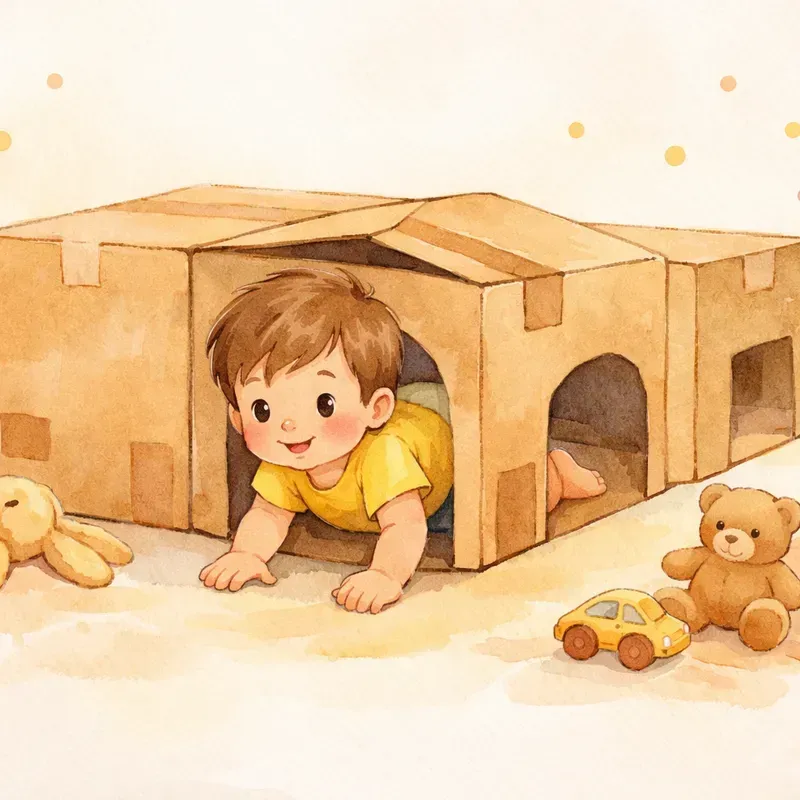
Cardboard Box Tunnel
1–4 years · 10–25 min · Indoor · Low energy
Crawling through tunnels builds spatial awareness and is endlessly fun.
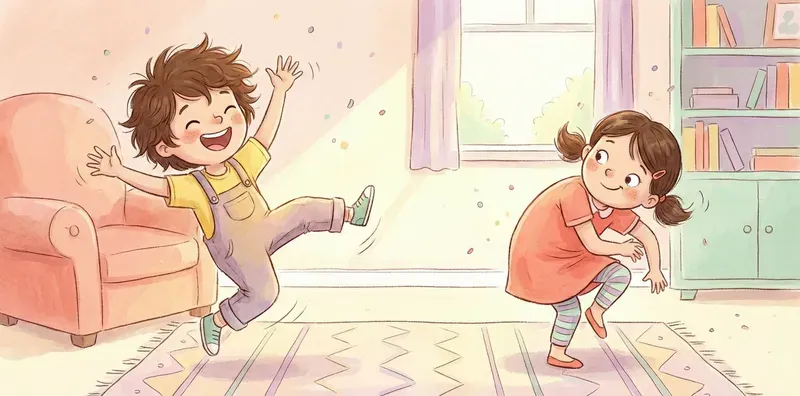
Dance and Freeze
1–6 years · 5–15 min · Indoor
Burns energy while teaching impulse control in a fun way.
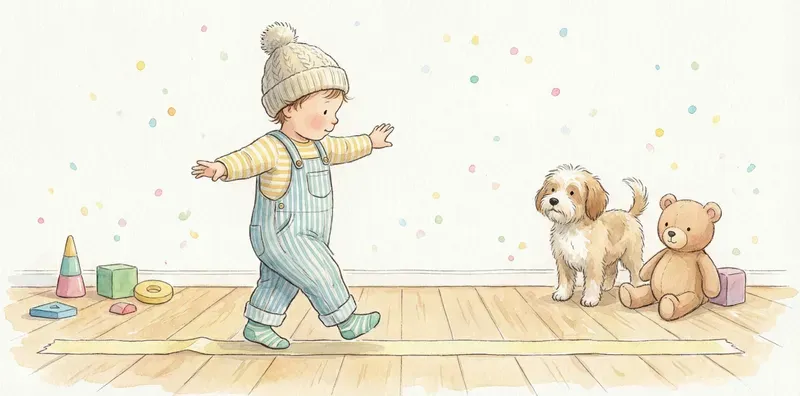
Floor Balance Beam
2–5 years · 5–15 min · Indoor · Low energy
Balance practice builds core strength and body awareness.
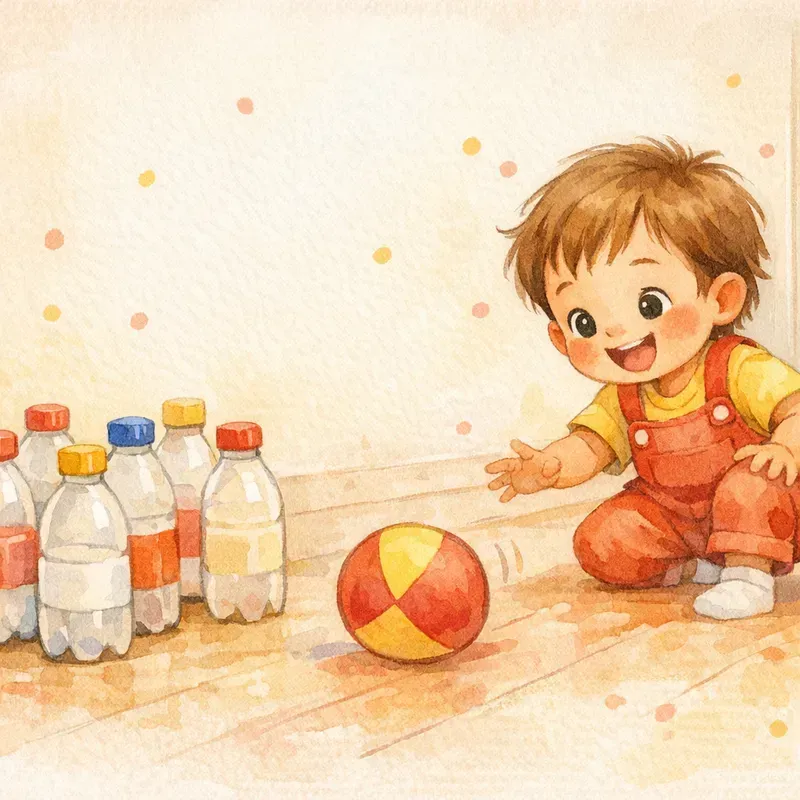
Indoor Bowling
2–6 years · 10–20 min · Indoor · Low energy
Develops hand-eye coordination and basic counting in a game format.
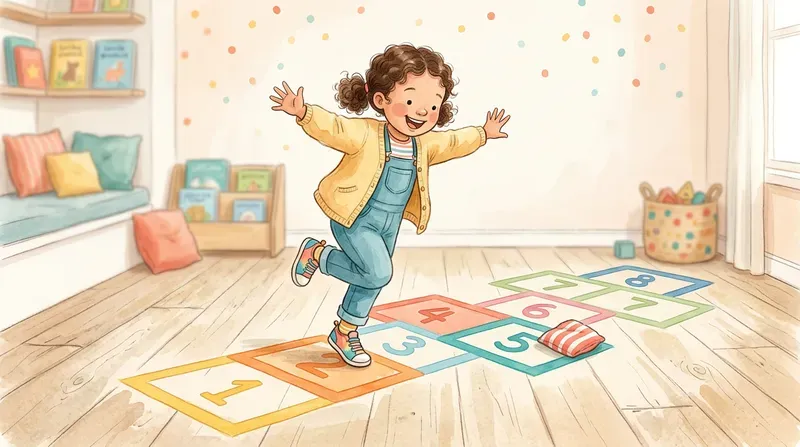
Indoor Hopscotch
2–6 years · 10–20 min · Indoor
Hopscotch builds balance, coordination, and leg strength while sneaking in number recognition and counting. The single-leg hopping is genuinely challenging for toddlers and preschoolers — they concentrate hard, which means they stay engaged. The tape grid stays put for days, so you set it up once and get multiple play sessions.
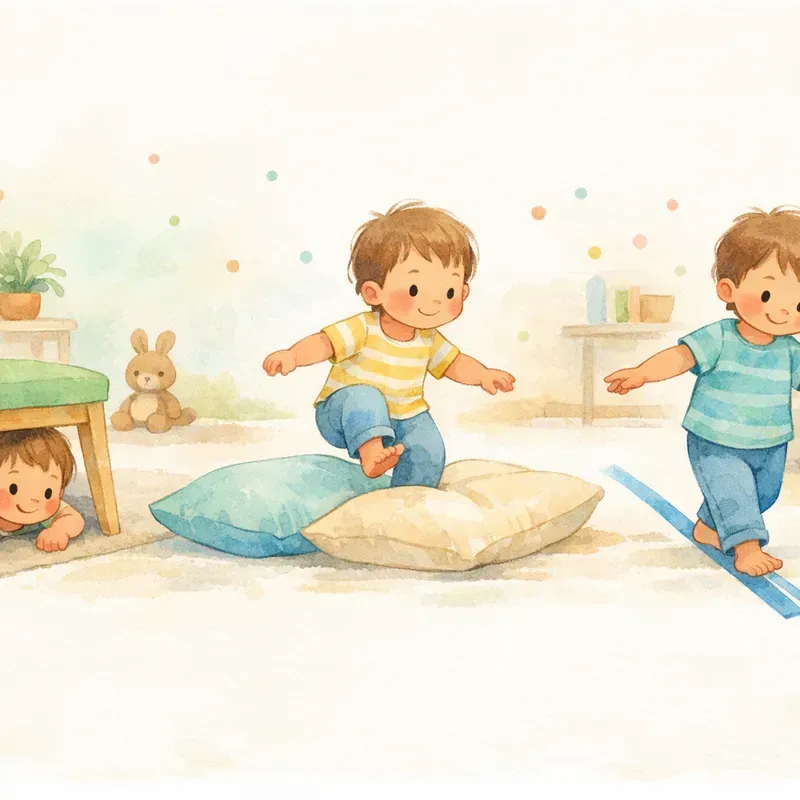
Living Room Obstacle Course
2–5 years · 15–30 min · Indoor
Following a sequence builds planning skills while burning lots of energy.
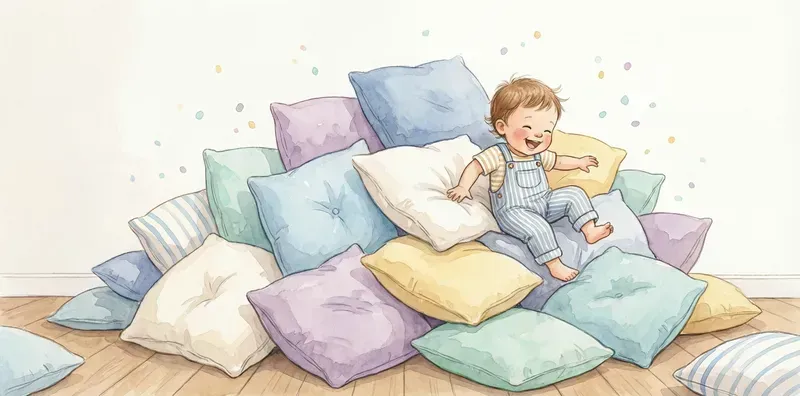
Pillow Mountain Climb
1–3 years · 10–20 min · Indoor · Low energy
Physical challenge builds confidence and burns energy safely indoors.
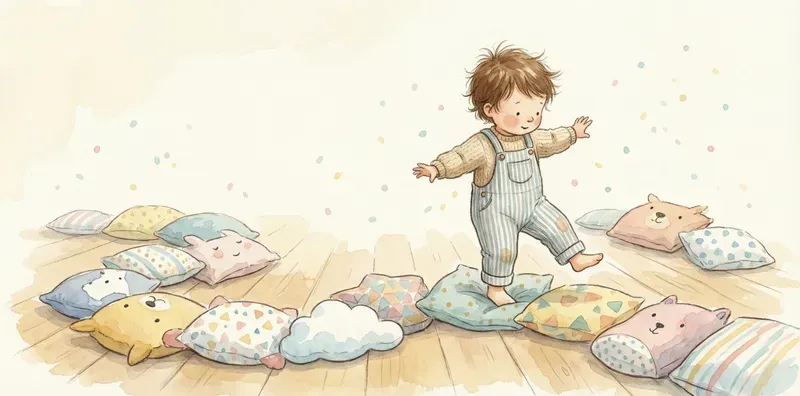
Pillow Stepping Path
1–4 years · 10–20 min · Indoor · Low energy
Balance challenge with low stakes makes failure fun.
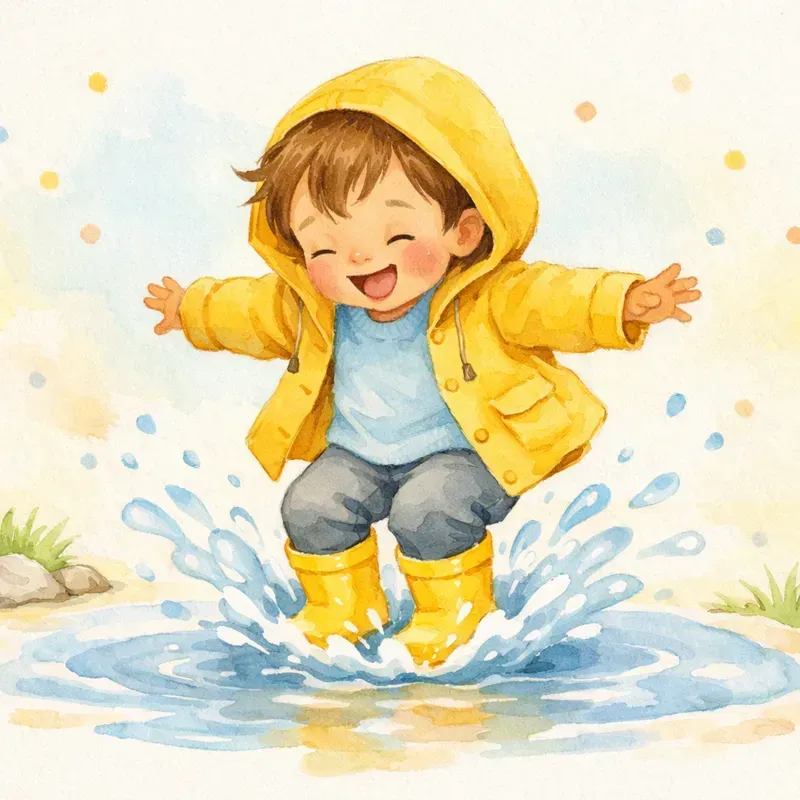
Puddle Jumping
1–6 years · 10–30 min · Outdoor
Sensory joy of water plus gross motor movement equals pure toddler happiness.
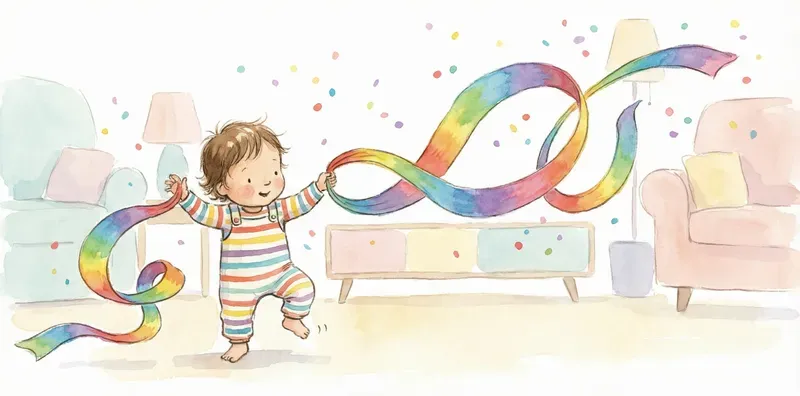
Scarf Dancing
1–4 years · 5–15 min · Indoor
Flowing fabric adds visual interest to movement while teaching rhythm.
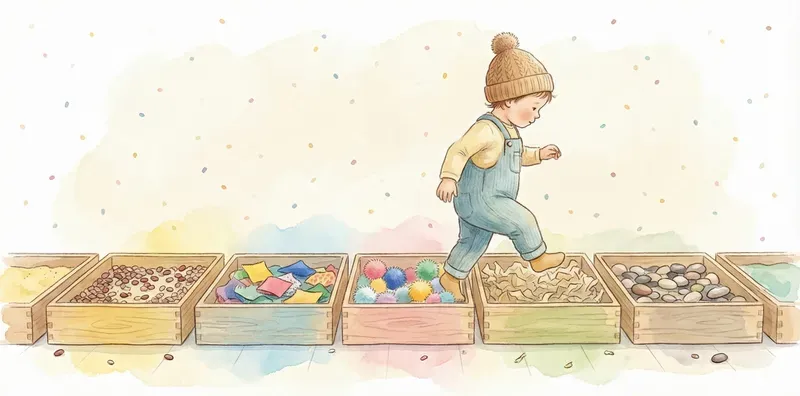
Sensory Box Walk
1–4 years · 15–25 min · Indoor
Multi-sensory experience builds vocabulary and body awareness.
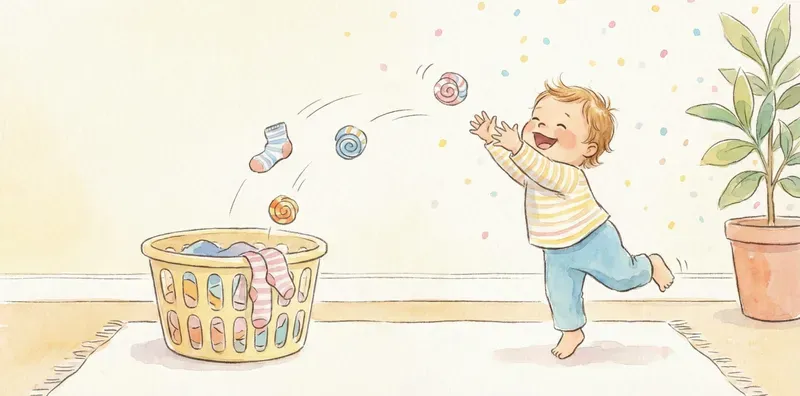
Sock Ball Basketball
2–6 years · 10–20 min · Indoor · Low energy
Active play with zero damage risk - perfect indoors.
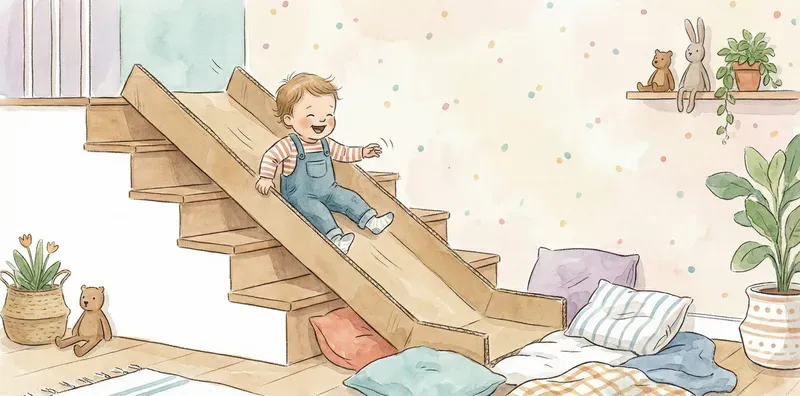
Stair Cardboard Slide
2–5 years · 10–25 min · Indoor
Thrilling proprioceptive input in a controlled environment.