Fine Motor Games for Toddlers at Home
Six hands-on fine motor games using household items. Real games that build hand strength and coordination, no apps, no worksheets, no craft store run.
Search results for fine motor games lean heavily toward apps and screen activities. Those have their place, but the hand skills your toddler actually needs, pincer grip, wrist control, bilateral coordination, come from moving real objects with real resistance. These six games use things already in your house and take about two minutes to set up.
What Fine Motor Games Actually Build
Fine motor skills are the small, precise hand movements your child uses to hold a crayon, zip a jacket, and eventually write their name. Games that build these skills share a few traits: they require two hands working together, they involve picking up small objects, or they need controlled release (like throwing a ring at a target).
The games below each target a different skill. Rotate through them across the week rather than doing all six in one sitting. For sensory-focused options that also build hand strength, see our sensory play for fine motor skills guide.
6 Games to Try This Week
1. Ring toss
Set up a paper towel tube or water bottle as a post. Hand your toddler cardboard rings (cut from a paper plate) or bangle bracelets. They aim and toss. The controlled release motion is the same one they will use for throwing a ball and, later, writing with controlled pressure.
2. Muffin tin sorting
Put a muffin tin on the table and a bowl of mixed items, pom-poms, buttons, dried pasta, or cotton balls. Your child picks up each one and drops it into a cup. Using tongs or a spoon instead of fingers adds extra challenge. Sorting by color turns it into a matching game.
3. Pom-pom sorting
Same idea as muffin tin sorting, but with just pom-poms and empty containers. The soft texture makes picking them up slightly harder than hard objects, which strengthens the pincer grip. Two-year-olds often do this one for fifteen minutes straight.
4. Sticker play
Peel stickers off a sheet and place them on paper. Peeling requires a precise pinch between thumb and index finger. Placing them with intention adds hand-eye coordination. Use body-safe stickers on their arms for a different texture challenge.
5. Noodle threading
String a piece of yarn through penne pasta or rigatoni tubes. One hand holds the noodle, the other pushes the string through. This is one of the most effective pincer grip builders, but it requires patience, better for 2.5-3 year olds than younger toddlers.
6. Coin sorting
Dump a handful of coins (or large buttons) into a bowl. Your child sorts them into piles by size or drops them into a piggy bank slot. The slot-drop motion builds the same precision as posting letters through a mail slot. Supervise closely with real coins.
Make Any Game Harder (or Easier)
- Easier: Use larger objects, bigger targets, or let them use their whole hand instead of a pinch grip.
- Harder: Add tongs, clothespins, or a spoon to pick things up. Use smaller objects. Set a timer.
- More engaging: Let your child set up the game. Count items together. Cheer for every successful drop.
If your child dumps everything on the floor instead of sorting, that is normal under 18 months. Contain the play area with a towel or tray and try again in a few weeks.
When to Worry
Most toddlers develop fine motor skills on their own timeline through everyday play. If your 2-year-old cannot hold a crayon, stack two blocks, or feed themselves with a spoon, mention it at their next checkup. Otherwise, regular play is enough.
For more on typical milestones, read is my 2-year-old behind in fine motor skills. For a full list of activities, browse fine motor activities for toddlers.
Put it into practice
Try these activities
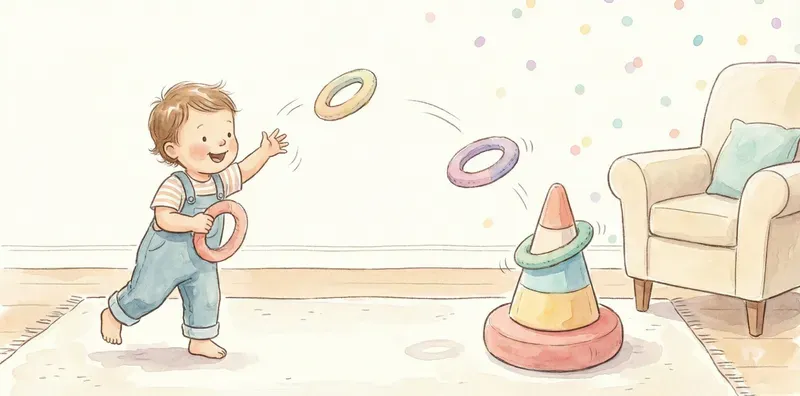
Ring Toss Game
- Age
- 2–6 years
- Time
- 10–20 min
- Energy
- Low-energy
- Setting
- Indoor
You'll need: Paper plates (2-4, centers cut out to make rings), Paper towel roll, bottle, or stick for the post, Tape to secure the post
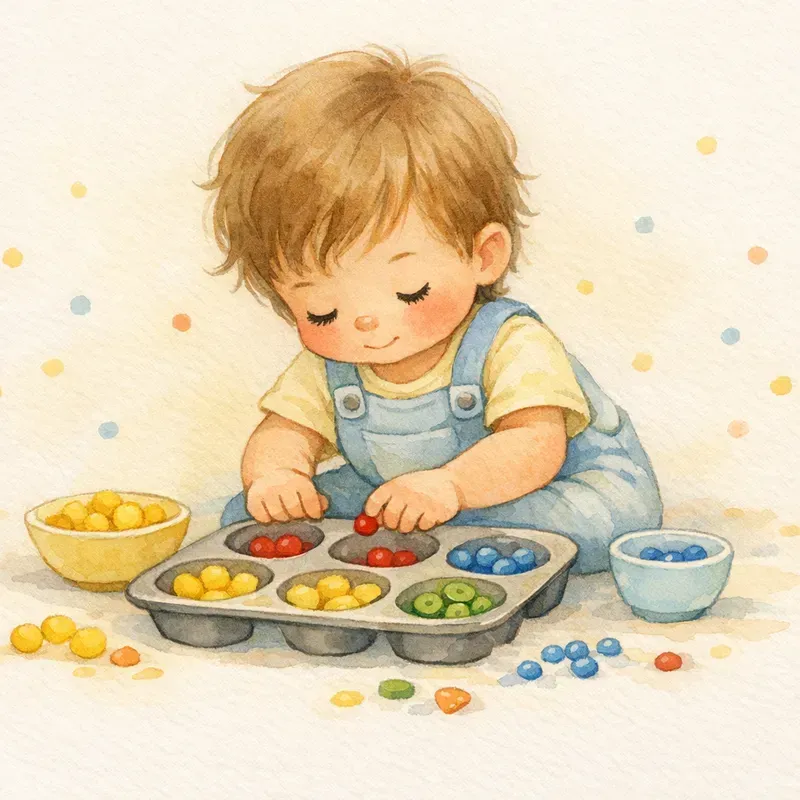
Muffin Tin Sorting
- Age
- 1–4 years
- Time
- 10–20 min
- Energy
- Low-energy
- Mess
- No mess
You'll need: Muffin tin (6 or 12 cup), Small items (pom poms, buttons, pasta, Cheerios), Tongs, spoon, or clothespin (optional)
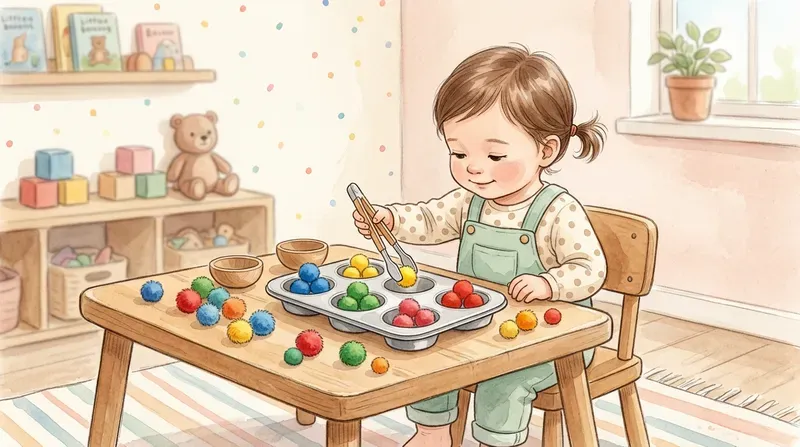
Pom Pom Sorting & Transfer
- Age
- 1–4 years
- Time
- 10–20 min
- Energy
- Low-energy
- Mess
- Some mess
You'll need: Pom poms (mixed colors and sizes), Muffin tin or small cups, Tongs, tweezers, or a spoon
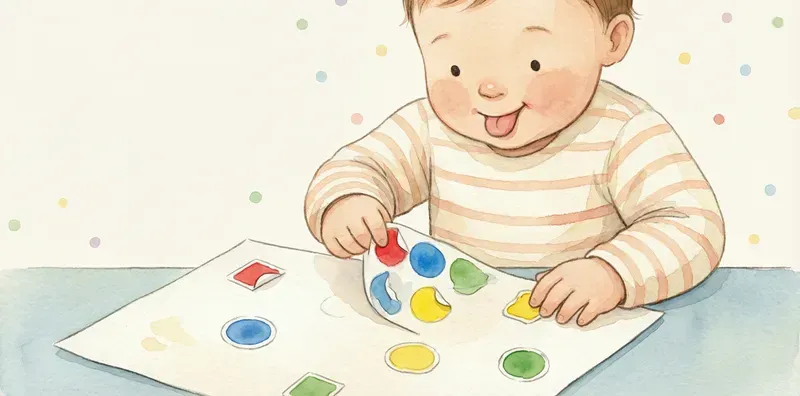
Sticker Free Play
- Age
- 1–4 years
- Time
- 5–15 min
- Energy
- Low-energy
- Mess
- No mess
You'll need: Stickers (any kind, dollar store sheets work great), Paper or cardboard
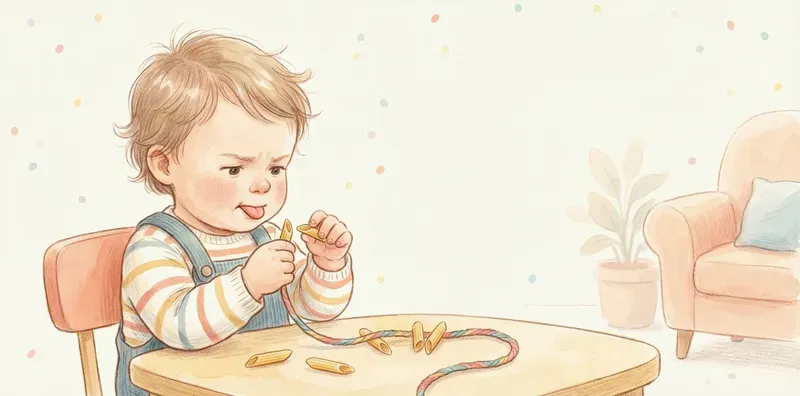
Noodle Threading
- Age
- 2–5 years
- Time
- 10–20 min
- Energy
- Low-energy
- Mess
- No mess
You'll need: Dried penne or rigatoni pasta (10-15 pieces), String, yarn, or pipe cleaners, Tape (optional, to stiffen string end)

Coin Sorting Bank
- Age
- 3–6 years
- Time
- 10–20 min
- Energy
- Low-energy
- Mess
- No mess
You'll need: Various coins, Containers for sorting, Piggy bank (optional)
Keep reading
Related guides & topics
Common questions
Are online fine motor games as good as physical ones?
What age should toddlers start fine motor games?
How long should a fine motor game last?
Need an idea right now?
Skip the scrolling, tell the generator your child's age and how long you've got.
Get an activityStay stocked with ideas
A few fresh play ideas, every now and then.
Practical activities and short parenting reads, no spam, no fluff, unsubscribe anytime.
Written by the TinyPlay team
We're parents who got tired of complicated activity ideas. Everything here is practical, low-prep, and built around how toddlers actually play, no ads in your face, no sign-up walls, no Pinterest pressure.