Is My 2-Year-Old Behind in Fine Motor Skills?
What's typical at age 2, how play builds hand skills, and when to talk to your pediatrician. No diagnosis, just practical next steps.
You watched a same-age kid at the playground stack blocks into a neat tower while your child was still trying to pick one up. Now it’s 11 PM and you’re Googling “2-year-old fine motor delay.” We’ve all been there. Here’s what the research actually says, and what you can do at home starting tomorrow.
Important note
This article is not medical advice. TinyPlay is an activity resource, not a healthcare provider. If you have concerns about your child’s development, please speak with your pediatrician or request an evaluation through your local early intervention program.
What’s “Typical” at Age 2?
Developmental milestones are averages, not deadlines. The CDC and AAP describe ranges, not exact dates. That said, here’s what most 2-year-olds can do with their hands:
- Stack 4–6 blocks before the tower topples
- Scribble with a crayon or marker (grip doesn’t matter yet)
- Turn pages in a board book (one at a time, roughly)
- Use a spoon with some spillage
- Attempt to unscrew a lid or pull a zipper
If your child isn’t hitting all of these yet, that doesn’t automatically mean there’s a problem. Kids develop unevenly. A child who walks early might talk late, and vice versa.
The Comparison Trap
Social media and playgroups make it very easy to compare. But you’re seeing a highlight reel. That block-stacking prodigy at the park might not say 10 words yet. Development isn’t a race with a single finish line. It’s more like a web, with different strands growing at different speeds.
What matters more than any single skill is the overall trend: is your child gaining new abilities over weeks and months? Progress, even slow progress, is the reassuring signal.
Play That Builds Hand Skills (Without Flashcards)
Occupational therapists use play to build fine motor skills, and so can you. The key is variety in hand movements: pinching, pouring, squishing, threading, tearing, and pressing. Here are everyday activities that cover these motions:
Pinch and place
Sticker play, pom-pom drop, or picking up Cheerios one at a time. Strengthens the pincer grasp.
Pour and transfer
Water transfer, pouring station, or scooping rice with a spoon. Builds wrist control and bilateral coordination.
Squish and shape
Play dough and homemade playdough. Strengthens hand muscles that will later hold a pencil.
Thread and lace
Noodle threading or pipe cleaner play. Develops hand-eye coordination and bilateral hand use.
Browse all fine motor activities for more options sorted by age.
When to Actually Worry
A single “missed” milestone is usually not a red flag. But the following patterns are worth discussing with your pediatrician:
- Your child has lost skills they previously had (regression)
- They consistently use only one hand and avoid the other
- They can’t pick up small objects at all by 24 months
- They show no interest in any hand-based play
If any of these resonate, your pediatrician can refer you to an occupational therapist for a proper evaluation. Early intervention programs (available free in many countries) can also help, and a referral doesn’t mean something is wrong. It means you’re being thorough.
The Bottom Line
Most 2-year-olds who seem “behind” are simply on their own timeline. The best thing you can do is offer varied hand-based play, keep it low-pressure, and track the trend rather than any single snapshot. And if your gut says something is off, trust it. Asking your doctor is never overreacting.
Put it into practice
Try these activities
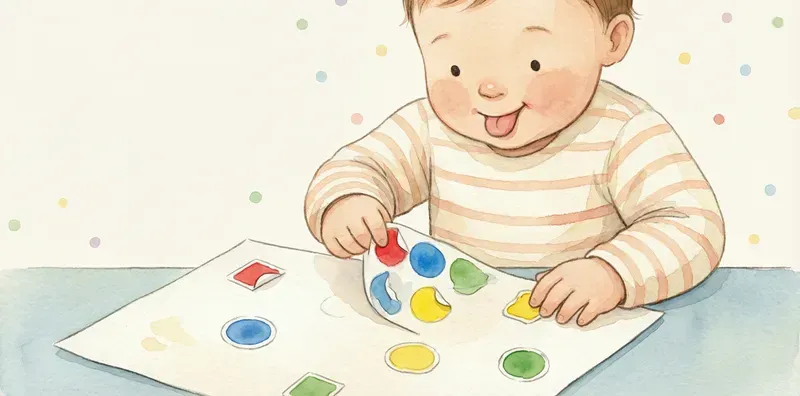
Sticker Free Play
- Age
- 1–4 years
- Time
- 5–15 min
- Energy
- Low-energy
- Mess
- No mess
You'll need: Stickers (any kind, dollar store sheets work great), Paper or cardboard
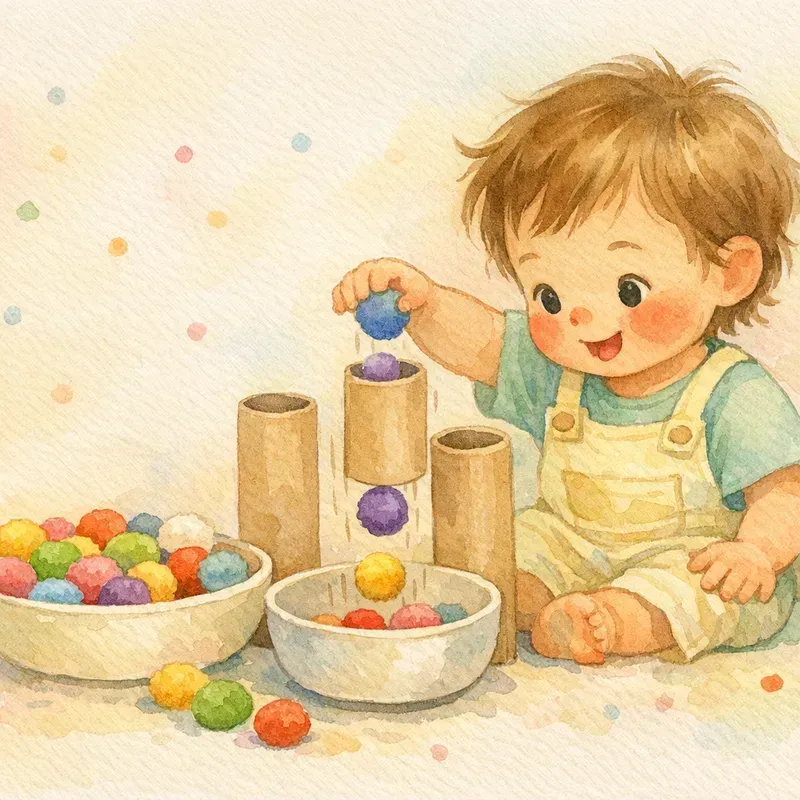
Pom Pom Tube Drop
- Age
- 1–3 years
- Time
- 10–20 min
- Energy
- Low-energy
- Mess
- No mess
You'll need: Paper towel or wrapping paper tubes, Pom poms, Tape +1 more
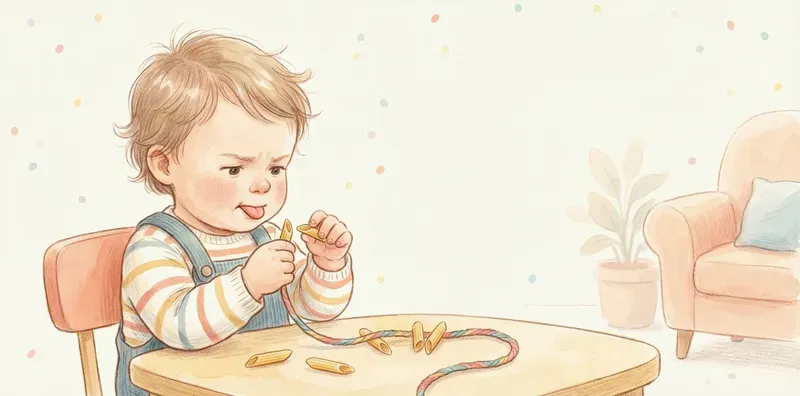
Noodle Threading
- Age
- 2–5 years
- Time
- 10–20 min
- Energy
- Low-energy
- Mess
- No mess
You'll need: Dried penne or rigatoni pasta (10-15 pieces), String, yarn, or pipe cleaners, Tape (optional, to stiffen string end)
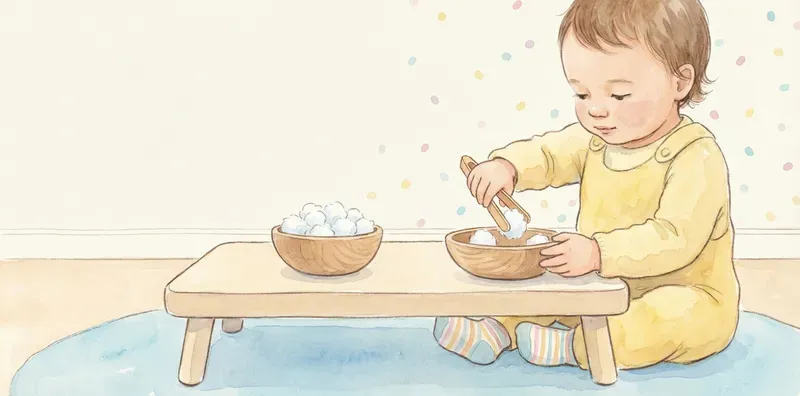
Cotton Ball Transfer
- Age
- 2–4 years
- Time
- 5–15 min
- Energy
- Low-energy
- Mess
- No mess
You'll need: Cotton balls, Two bowls, Spoon or tongs
Body Letter Making
- Age
- 3–6 years
- Time
- 10–20 min
- Energy
- Hands-on
- Setting
- Indoor
You'll need: Clear floor space, Letter cards (optional), Music player (optional, for freeze dance version)
Keep reading
Related guides & topics
Common questions
What fine motor skills should a 2-year-old have?
When should I talk to a doctor about fine motor delays?
Can activities at home actually help fine motor development?
Need an idea right now?
Skip the scrolling, tell the generator your child's age and how long you've got.
Get an activityStay stocked with ideas
A few fresh play ideas, every now and then.
Practical activities and short parenting reads, no spam, no fluff, unsubscribe anytime.
Written by the TinyPlay team
We're parents who got tired of complicated activity ideas. Everything here is practical, low-prep, and built around how toddlers actually play, no ads in your face, no sign-up walls, no Pinterest pressure.