Calming Activities for an Overstimulated Toddler
How to spot an overstimulated toddler and help them settle. Six calming activities that bring a wound-up child back down, using what you already have.
Some afternoons your toddler isn’t tired, they’re wired. Silly, frantic, bouncing off the walls, and tipping into tears over nothing. After a busy day, a loud party, or a long stretch of screen time, a small brain can take in more than it can handle. What looks like naughtiness or hyperactivity is often just overstimulation, and the fix isn’t more activity, it’s less.
Spotting the Overstimulated State
Overstimulation gets mistaken for tiredness or misbehavior, but it has its own look: wired instead of sleepy, hard to reach, clumsy, ignoring you, and quick to melt down. It usually shows up after too much input: a noisy outing, a packed day, skipped naps, or back-to-back screens.
Once you can name it, the response gets simpler. A wound-up toddler doesn’t need a new exciting thing to snap them out of it. They need the world turned down so their brain can catch up.
Turn the Volume Down First
Before any activity, change the environment. Dim the lights, kill the background noise, and shrink the space, a corner, a fort, or one quiet room. Slow your own voice and movements right down, because toddlers borrow your nervous system: if you’re calm and slow, they have something to settle toward.
Then offer one calm thing, not a choice of five. The activities below all work because they’re slow, repetitive, and ask very little. Pick one and let it do its quiet work.
6 Calming Activities That Bring Them Back Down
1. Belly breathing with a stuffed animal
Lie your toddler down and rest a favorite stuffed animal on their tummy. Tell them to make it rise and fall slowly with their breath. It gives an abstract idea (slow breathing) a concrete, watchable job, and slow breathing is one of the fastest ways to settle a revved-up body.
2. Discovery bottles
A sealed clear bottle filled with water, a little glitter or some beads, and a drop of coloring gives your toddler something mesmerizing to shake and then watch slowly settle. It’s completely mess-free and works even when a child is lying down, which makes it a go-to for the wound-up end of the day.
3. Squishy sensory bag
Seal hair gel or paint inside a sturdy zip bag, tape it down, and let your toddler press and trace through the plastic. The slow, repetitive squishing is regulating, the gentle pressure is soothing, and there’s nothing to spill while everyone calms down.
4. Simple yoga poses
A few easy poses, be a tree, curl into a ball, stretch up tall, give a restless body something slow and purposeful to do. The stretching and balancing release tension and bring attention back to the body, which helps an overstimulated toddler reconnect and settle.
5. Shadow hand puppets
Turn off the lights, switch on a torch, and make shapes on the wall with your hands. The dark, quiet room is half the magic, it naturally lowers everyone’s energy, and the slow wonder of watching shadows move is a gentle way to wind down toward bedtime.
6. Window bird watching
Pull a chair to the window and just watch together, birds, leaves moving, a passing dog. Quiet noticing slows a toddler right down, and naming what you see gives their busy mind one calm thing to land on instead of everything at once.
Prevent the Worst of It
You can’t avoid every overstimulating day, but you can soften the landing. Watch for the early signs and step in before the full meltdown, build small quiet breaks into busy days, and keep an eye on how your toddler comes off screens. Many kids do better with a calm, hands-on activity straight after.
If the wound-up state often hits when your child is also unwell, our guide on when a sick toddler won’t rest covers the same settling approach for those harder days.
More Calm, Screen-Free Ideas
For a fuller set, browse calming activities for toddlers. When you just need the house to settle, try quiet activities for toddlers, and for low-key ideas that keep screens out of it, see screen-free activities.
Put it into practice
Try these activities
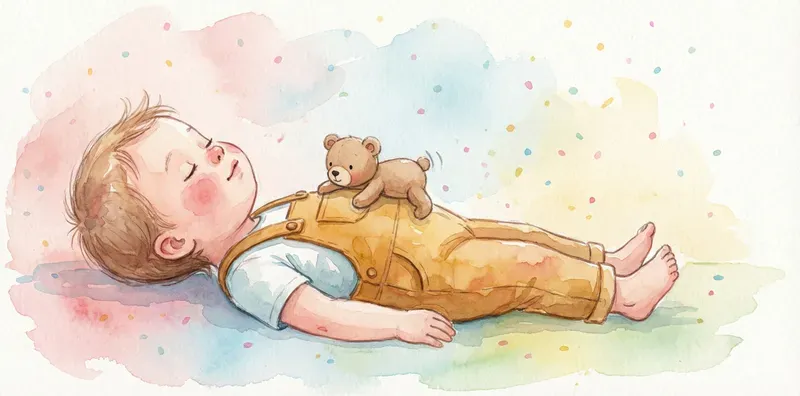
Stuffed Animal Belly Breathing
- Age
- 2–6 years
- Time
- 5–10 min
- Energy
- Low-energy
- Mess
- No mess
You'll need: Small stuffed animal, Quiet space

Discovery Bottles
- Age
- 0–3 years
- Time
- 5–15 min
- Energy
- Low-energy
- Mess
- Some mess
You'll need: Clear plastic bottles, Water, Glitter, beads, or small items +1 more
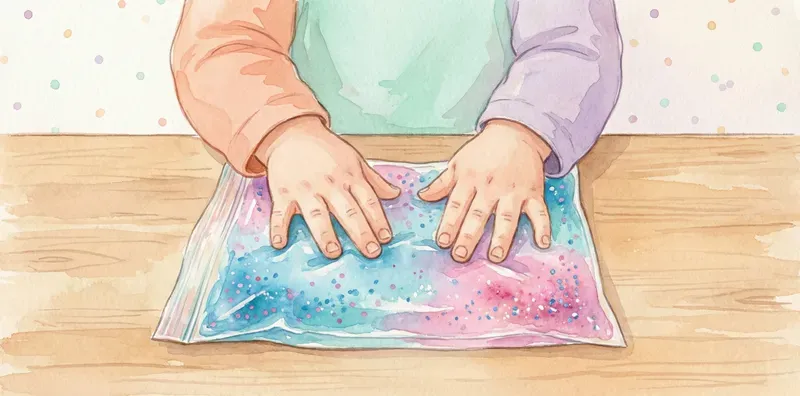
Squishy Sensory Bag
- Age
- 0–3 years
- Time
- 5–20 min
- Energy
- Low-energy
- Mess
- Some mess
You'll need: Ziplock bag, Hair gel or dish soap, Glitter or small toys +1 more
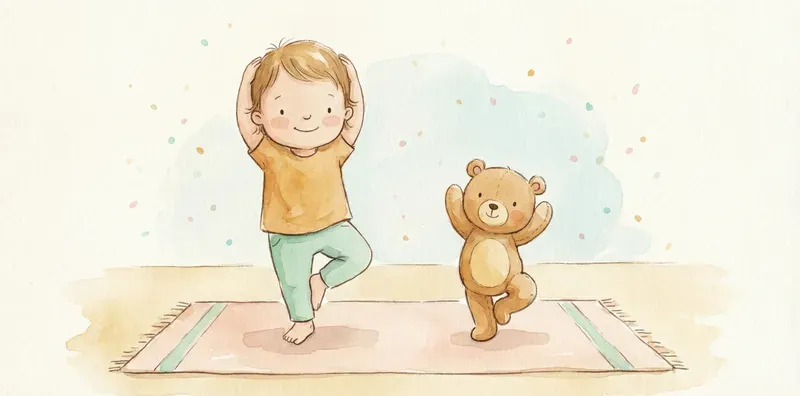
Kid-Friendly Yoga Poses
- Age
- 2–6 years
- Time
- 10–20 min
- Energy
- Low-energy
- Setting
- Indoor
You'll need: Yoga mat or soft surface (optional)
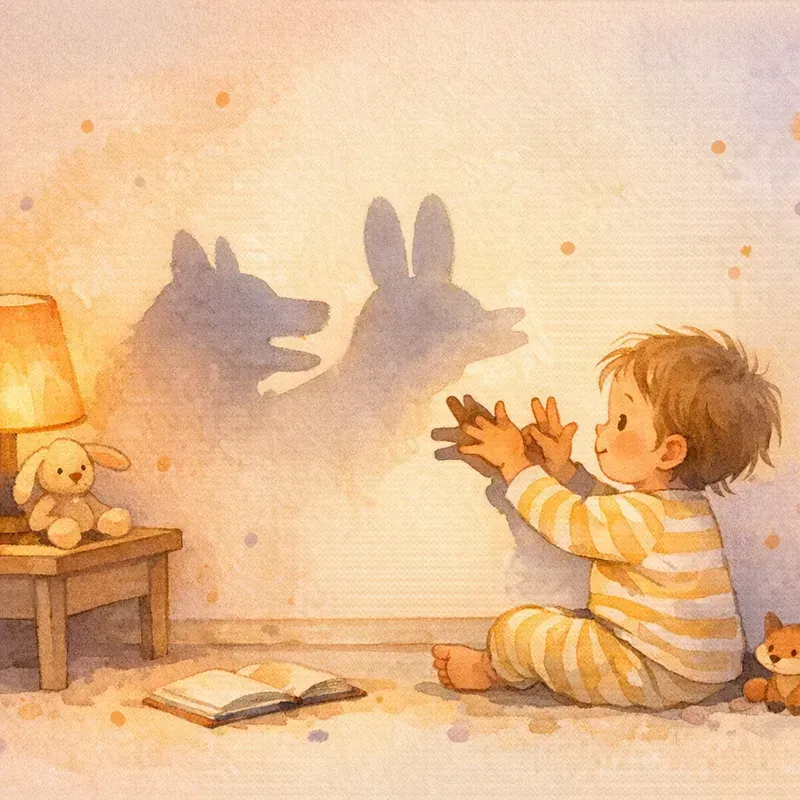
Shadow Hand Puppets
- Age
- 2–6 years
- Time
- 5–15 min
- Energy
- Low-energy
- Mess
- No mess
You'll need: Flashlight or lamp, Blank wall, Dark room
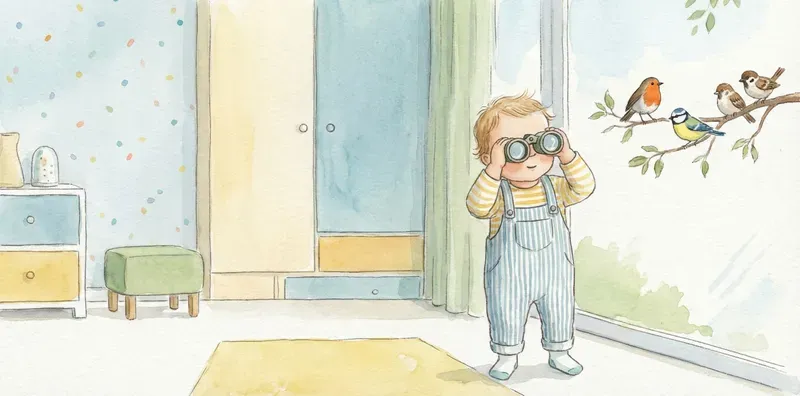
Window Bird Watching
- Age
- 1–6 years
- Time
- 5–20 min
- Energy
- Low-energy
- Mess
- No mess
You'll need: Window with bird view, Bird feeder (optional), Binoculars (optional)
Keep reading
Related guides & topics
Common questions
What are the signs of an overstimulated toddler?
How do I calm an overstimulated toddler?
Does screen time overstimulate toddlers?
Need an idea right now?
Skip the scrolling, tell the generator your child's age and how long you've got.
Get an activityStay stocked with ideas
A few fresh play ideas, every now and then.
Practical activities and short parenting reads, no spam, no fluff, unsubscribe anytime.
Written by the TinyPlay team
We're parents who got tired of complicated activity ideas. Everything here is practical, low-prep, and built around how toddlers actually play, no ads in your face, no sign-up walls, no Pinterest pressure.