When a Sick Toddler Won't Rest
Your toddler is unwell but too restless and clingy to lie down. How to help an overtired sick child settle, with calming activities that ease them toward rest.
Your toddler is clearly unwell. They’re miserable, clingy, and exhausted, but every time you try to get them to lie down and rest, they fight it. This isn’t about filling a sick day with activities. It’s about the harder problem: a child who needs rest but won’t take it, and how to gently bring them down to where sleep, or at least calm, can happen.
Why a Sick Toddler Resists Rest
It feels backwards. They’re obviously shattered, so why won’t they stop? Two things are usually going on. First, being unwell is uncomfortable and a bit scary, and discomfort keeps the body too alert to settle. Second, an overtired toddler often gets more wired rather than sleepier, running on a kind of second wind that makes lying still feel impossible.
The clinginess is part of it too. When they feel rough, they want you within reach for reassurance. That’s not a habit to break right now, it’s a need to meet. Restingwith them is often the thing that finally lets them rest at all.
Lower the Stimulation First
Before any activity, change the environment. A restless, sick toddler can’t settle in a bright, noisy, busy room. Set the conditions for calm:
- Dim the lights and close the blinds a little.
- Turn off background noise, the TV, music, the dishwasher.
- Slow yourself down. Lower your voice, move gently. Toddlers borrow your pace.
- Make one cozy spot, a nest of pillows and blankets on the couch or floor, and stay in it.
Sometimes that’s enough on its own. With the input turned down, a tired body finally notices how tired it is.
Calm Activities That Ease Toward Rest
The trick is to offer something quiet enough that it slows a child down, rather than re-energizing them. These are less “activities” and more gentle bridges to rest.
1. Belly breathing with a stuffed animal
Lay your toddler down and rest a small stuffed animal on their tummy. Ask them to make it rise and fall slowly with their breath. Slow breathing genuinely calms the nervous system, and giving them something to watch makes an abstract idea concrete enough for a toddler to follow.
2. Sensory bottle to watch
A sealed bottle of water, glitter, and a drop of color gives a restless child something mesmerizing to follow with their eyes while their body stays still. It works even when they’re lying on their side, too tired to sit up but not ready to close their eyes.
3. A cozy fort or indoor camp
The enclosed, den-like feeling of a blanket fort can help a clingy toddler feel safe enough to settle. Drape a blanket over two chairs, tuck in a pillow and a soft toy, and climb in with them. For a slightly bigger version, an indoor camp with a couple of cushions does the same job.
4. Watching the window
When they won’t lie down but need to slow down, sit together at a window and just watch, birds, clouds, leaves moving. It asks almost nothing of them, holds their attention gently, and the stillness often does what an instruction to “rest” can’t.
Let Go of the Nap Goal
Here’s the part that takes the pressure off: you can’t make a toddler sleep, and trying usually makes everything worse. Offer the conditions for rest, then let go of the outcome. If they drift off, wonderful. If they don’t, a calm hour lying against you, watching a sensory bottle or breathing slowly, still helps their body recover.
Quiet rest while awake counts. So does being held. You’re not failing because they didn’t nap, you’re succeeding because they came down from frantic to calm.
Once They’ve Settled
When the worst of the restlessness passes and they’re calm but awake, you can offer a gentle activity for the restless stretches without winding them back up. Our guide to sick day activities that help walks through the handful of low-effort options that work from the couch.
For more in the same calm register, browse calming activities for toddlers or the full sick day activities collection. And remember: on a sick day, keeping your child comfortable, hydrated, and close is a full day’s work. The rest is a bonus.
Put it into practice
Try these activities
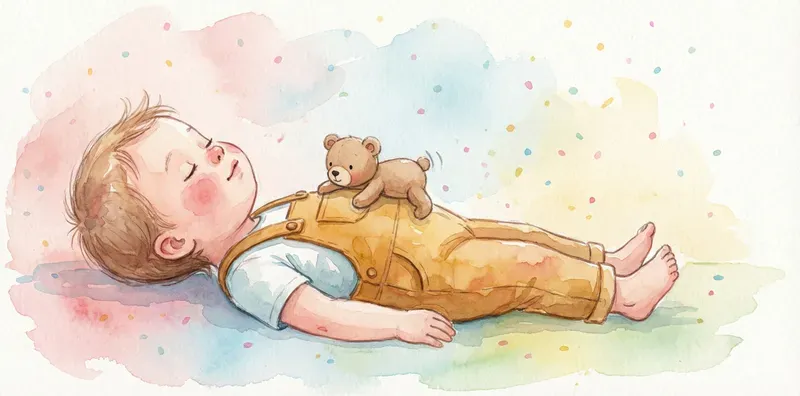
Stuffed Animal Belly Breathing
- Age
- 2–6 years
- Time
- 5–10 min
- Energy
- Low-energy
- Mess
- No mess
You'll need: Small stuffed animal, Quiet space

Discovery Bottles
- Age
- 0–3 years
- Time
- 5–15 min
- Energy
- Low-energy
- Mess
- Some mess
You'll need: Clear plastic bottles, Water, Glitter, beads, or small items +1 more
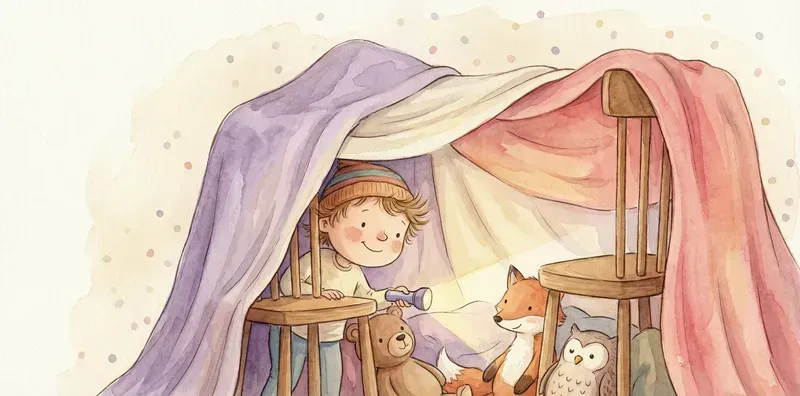
Cozy Blanket Fort
- Age
- 1–6 years
- Time
- 15–45 min
- Energy
- Low-energy
- Mess
- No mess
You'll need: Blankets, Chairs or couch, Pillows +1 more
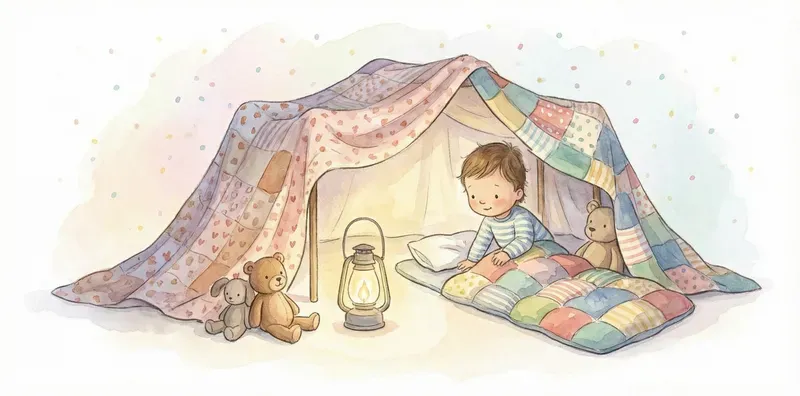
Indoor Camping Adventure
- Age
- 2–6 years
- Time
- 20–60 min
- Energy
- Low-energy
- Mess
- No mess
You'll need: Blanket tent, Flashlights, Sleeping bags or blankets +1 more
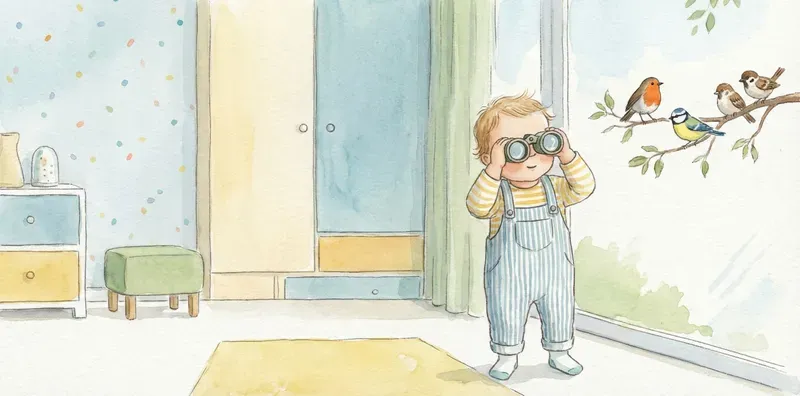
Window Bird Watching
- Age
- 1–6 years
- Time
- 5–20 min
- Energy
- Low-energy
- Mess
- No mess
You'll need: Window with bird view, Bird feeder (optional), Binoculars (optional)

Backyard Cloud Watching
- Age
- 2–6 years
- Time
- 10–30 min
- Energy
- Low-energy
- Mess
- No mess
You'll need: Blanket to lie on, Sunglasses (optional)
Keep reading
Related guides & topics
Common questions
Why won't my sick toddler rest even though they're exhausted?
How can I help an overtired, sick toddler calm down?
Should I force a sick toddler to nap?
Need an idea right now?
Skip the scrolling, tell the generator your child's age and how long you've got.
Get an activityStay stocked with ideas
A few fresh play ideas, every now and then.
Practical activities and short parenting reads, no spam, no fluff, unsubscribe anytime.
Written by the TinyPlay team
We're parents who got tired of complicated activity ideas. Everything here is practical, low-prep, and built around how toddlers actually play, no ads in your face, no sign-up walls, no Pinterest pressure.