All Activities
6 activities so far. All simple, all using household items.
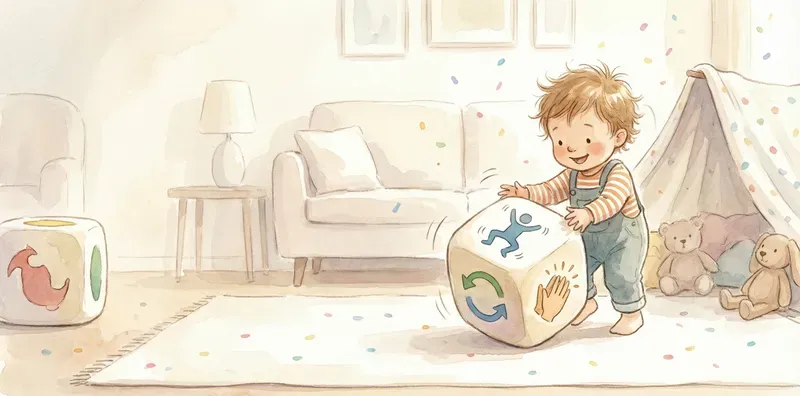
Action Dice Game
2–6 years · 10–20 min · Indoor
The random dice roll turns simple movements into a thrilling game. Kids stay engaged because they never know what action comes next, and the physical movements burn energy while building coordination and balance.
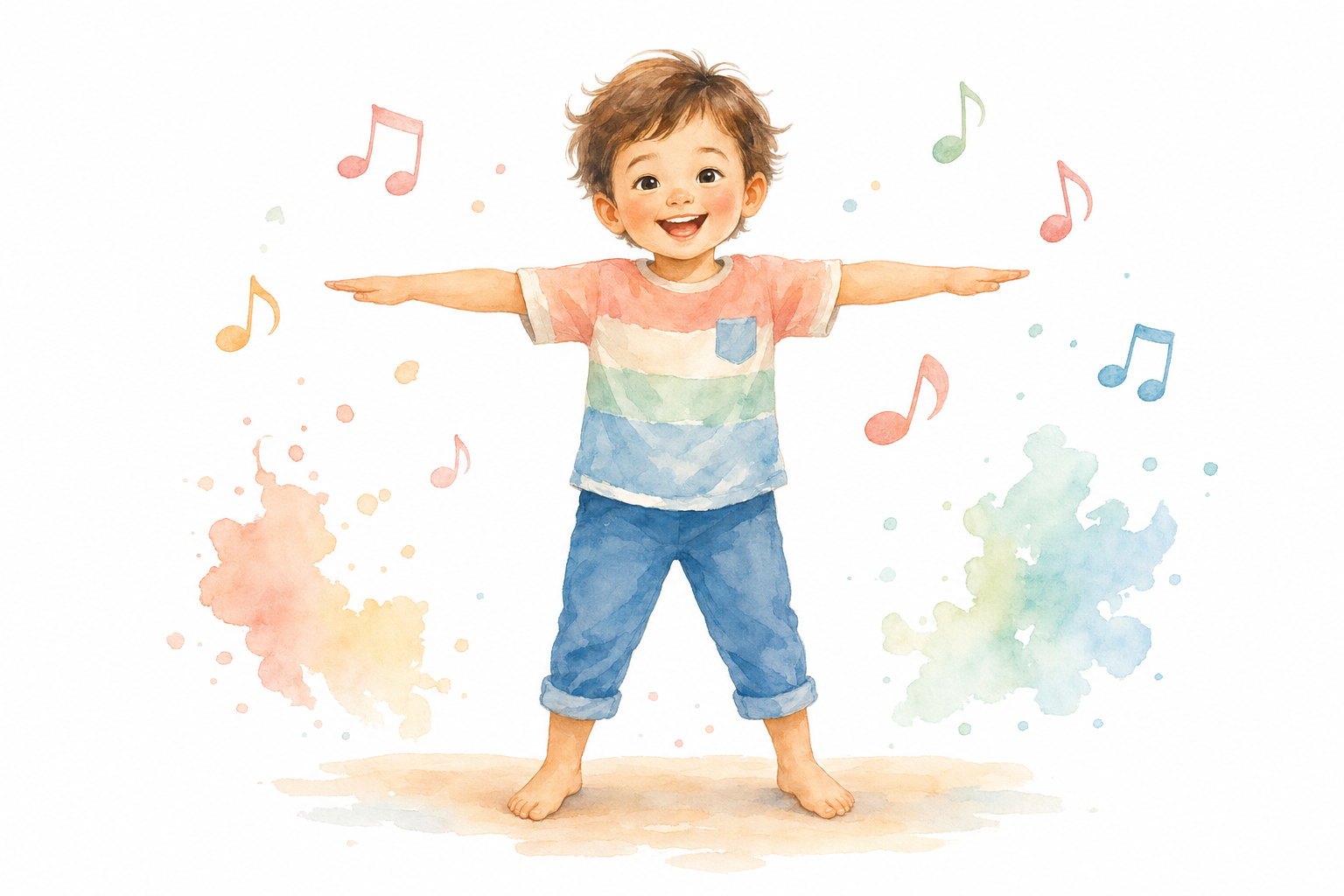
Alphabet Freeze Dance
2–6 years · 10–20 min · Indoor
Combining music, movement, and letter recognition fires up multiple brain pathways at once. The freeze moment creates a 'micro-challenge' that keeps kids focused — they're listening for the pause and thinking about the letter shape simultaneously. It's the best of both worlds: the energy burn of a dance party plus sneaky literacy practice. Kids who learn letters through whole-body movement tend to recognize them faster than through worksheets alone.
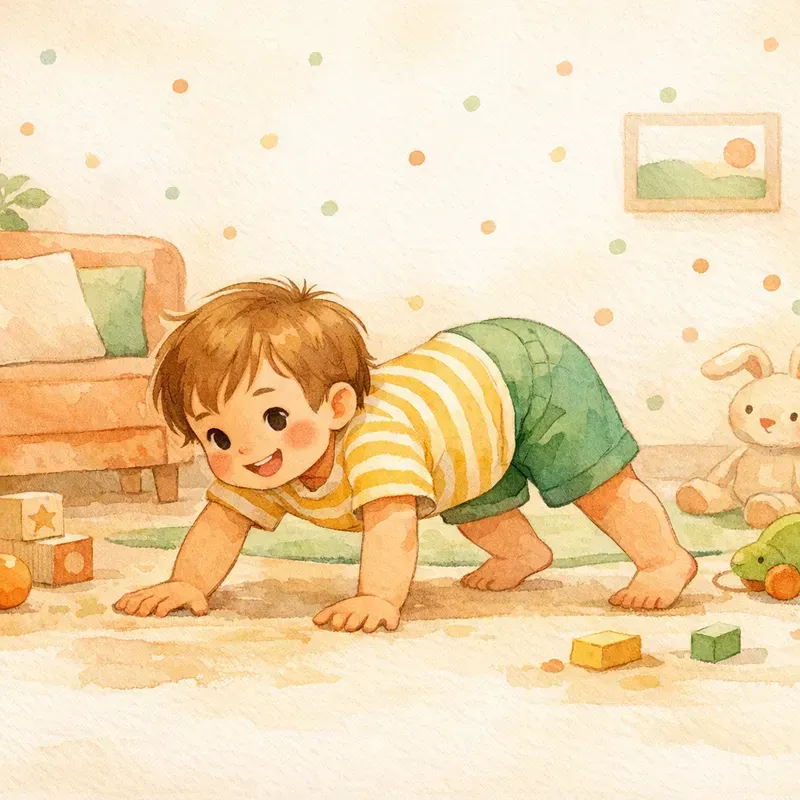
Animal Walks
2–5 years · 5–15 min · Indoor
Each animal movement works different muscle groups — bear walks build arm and core strength, frog hops strengthen legs, crab walks improve coordination and balance. The imaginative element keeps kids engaged far longer than plain exercise, and the constant switching between movements develops body awareness and motor planning.
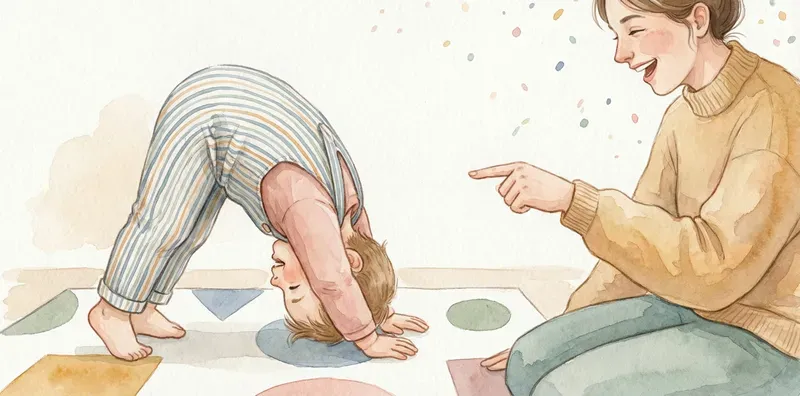
Body Letter Making
3–6 years · 10–20 min · Indoor
Kinesthetic learning — shaping letters with the whole body — creates stronger memory than writing alone. Research shows that kids who learn letters through movement recognize them faster and retain them longer. They physically feel the difference between a P and a B, which builds letter recognition and pre-reading skills. It's also a sneaky gross motor workout that burns energy while building literacy.
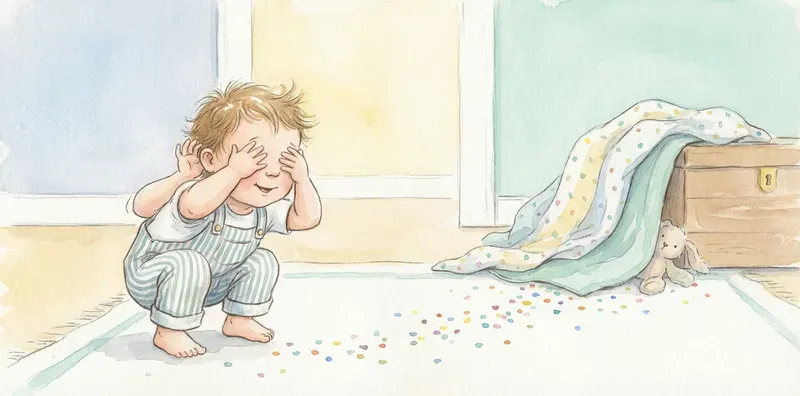
Sound Hide and Seek
2–5 years · 10–20 min · Indoor
Listening for a hidden sound develops auditory processing — the ability to isolate and locate sounds in space. This is the same skill that helps kids follow spoken instructions in noisy environments and distinguish similar speech sounds while learning to read. The treasure-hunt format keeps them moving and engaged while they practice spatial reasoning and problem-solving.
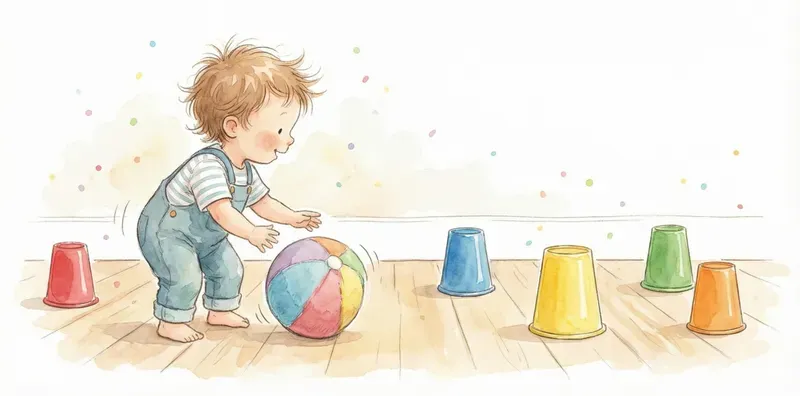
Target Ball Roll
1–4 years · 10–20 min · Indoor · Low energy
Rolling a ball toward a target builds hand-eye coordination, arm strength, and the concept of aim and distance — all while practicing turn-taking and patience. The sitting position makes this perfect for tired parents who can play from the couch or floor without getting up. Counting hits sneaks in early number skills.