Play Dough Activities for Toddlers (That Build Hand Strength)
Play dough ideas for toddlers that build the hand strength behind writing and self-care. A no-cook recipe, simple setups by age, and mess that stays contained.
Play dough looks like a five-minute time-filler, but it’s quietly one of the best things a toddler can do with their hands. Every squeeze and pinch builds the same little muscles they’ll later use to hold a pencil and do up a coat. Here’s a no-cook recipe, a handful of simple setups by age, and how to keep the dough where it belongs.
Why Play Dough Is Such Good Hand Practice
The small muscles in the hand, the ones that eventually manage a pencil, a zip, and a fork, get stronger the same way any muscle does: by working against resistance. Play dough gives them exactly that. Squeezing, rolling, pinching, and poking are a full hand workout disguised as play.
It also stretches attention. A toddler will happily press and reshape a lump of dough for longer than they’ll sit at almost anything else, which makes it a rare activity that buys you a few quiet minutes and builds a real skill at the same time. For the bigger picture on why this matters, see our guide to fine motor activities for toddlers.
A No-Cook Play Dough Recipe
You can make a soft, stretchy batch in about five minutes with things already in the cupboard, no stove required:
- 2 cups plain flour
- 1 cup salt
- 2 tablespoons oil
- Up to 1 cup boiling water (an adult job), added a little at a time
- Optional: a few drops of food coloring stirred into the water first
Mix the dry bits, add the oil, then pour in the hot water gradually and stir until it comes together. Once it’s cool enough to touch, knead it for a minute until smooth. If it’s sticky add a little flour; if it’s crumbly add a splash more water. Store it in an airtight tub and it keeps for weeks. Prefer to skip the making? The homemade play dough guide walks through it step by step.
6 Play Dough Setups to Try
You don’t need cutters and kits. The best setups add one simple thing to a lump of dough and let your toddler take it from there.
1. Just squish it
Hand over a ball of dough and nothing else. Squeezing, flattening, and pulling it apart is the whole activity, and it’s the one that builds the most hand strength. For the youngest toddlers this is plenty on its own.
2. Hide and find
Press small objects into the dough, buttons, coins, dry pasta, and let your toddler dig them out with their fingers. Pinching things free is brilliant pincer-grasp practice, and the search keeps them at it longer than plain squishing.
3. Poke and stick
Give them a handful of dry spaghetti or cotton buds to stand up in a flattened base. Threading each one in takes aim and a careful grip. It looks like a tiny sculpture and works the same muscles as noodle threading.
4. Roll snakes and balls
Show them how to roll the dough under a flat hand to make a snake, or between two palms to make a ball. Rolling is trickier than it looks for little hands and is great practice for the two-handed coordination behind cutting and drawing later.
5. Press and print
Flatten a slab and press things into it to leave a mark, a fork, a toy car’s wheels, a shell, a leaf. Talking about which shape came from what is early cause-and-effect noticing on top of the finger work.
6. Kitchen dough tools
Raid the kitchen drawer: a blunt butter knife for cutting, a garlic press for making “hair”, a rolling pin, cookie cutters. Squeezing a garlic press full of dough is a serious hand workout that toddlers find weirdly satisfying.
Make It Easier or Harder
Younger (around 18 months to 2): keep it to squishing, patting, and poking with fingers. Softer dough is easier for weaker hands, so add a touch more oil or water. Stay close while they’re still mouthing things.
Older (3 to 4): add tools, small objects to embed, and a loose goal, make a snail, hide five buttons, cut the snake into pieces. Firmer dough gives more resistance and more of a workout. This is where play dough starts to overlap with other fine motor games.
Keeping the Dough Under Control
Play on a tray or a wipe-clean mat so the activity has a clear edge, and the mess has somewhere to live. Keep tools simple so small bits don’t scatter across the room. Let any dropped dough dry before you deal with it, dried dough brushes and hoovers up far more easily than fresh dough smeared into a rug. When you’re done, a quick squeeze back into the tub and it’s ready for next time. If you want more play that skips the cleanup dread entirely, see our no-mess activities for kids.
More Hands-On Ideas
Play dough is one piece of a bigger picture. For a fuller set of ideas that build the same skills, browse fine motor activities for toddlers and sensory activities for toddlers. For more play that doubles as hand practice, sensory play for fine motor skills is a good next read.
Put it into practice
Try these activities
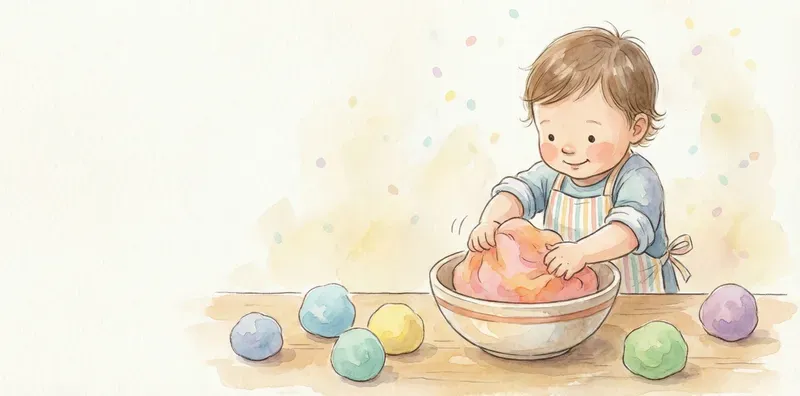
Make Homemade Playdough
- Age
- 2–6 years
- Time
- 20–40 min
- Energy
- Hands-on
- Mess
- Some mess
You'll need: Flour, Salt, Water +2 more
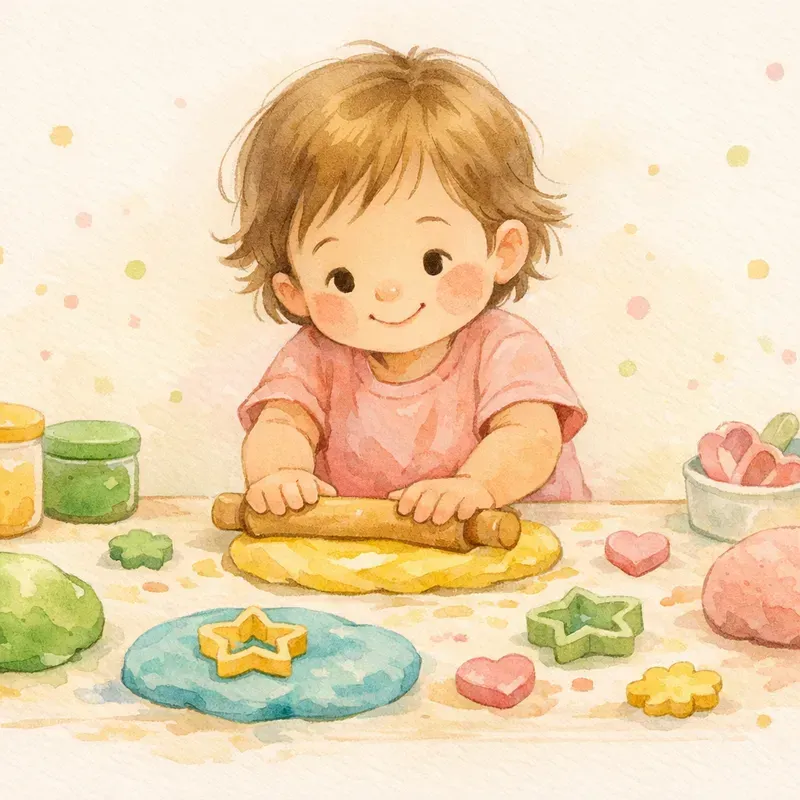
Play Dough Squish
- Age
- 1–5 years
- Time
- 15–30 min
- Energy
- Low-energy
- Mess
- Some mess
You'll need: Play dough (store-bought or homemade), Rolling pin, cup, or bottle for rolling, Cookie cutters, plastic utensils, or a fork
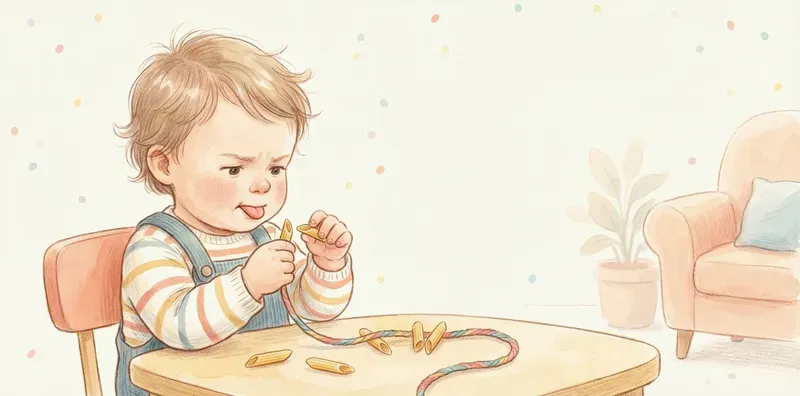
Noodle Threading
- Age
- 2–5 years
- Time
- 10–20 min
- Energy
- Low-energy
- Mess
- No mess
You'll need: Dried penne or rigatoni pasta (10-15 pieces), String, yarn, or pipe cleaners, Tape (optional, to stiffen string end)
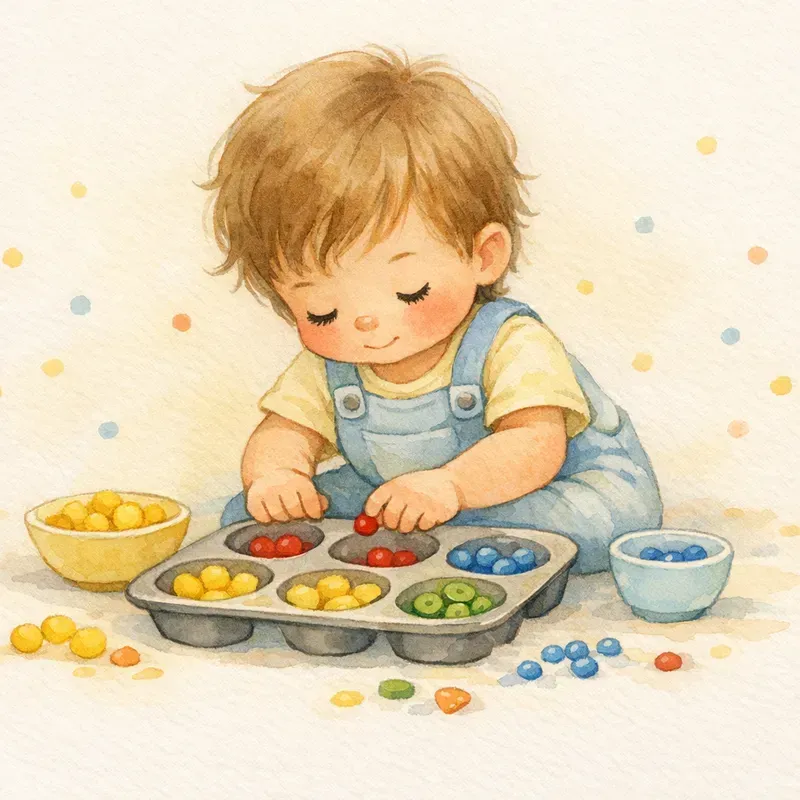
Muffin Tin Sorting
- Age
- 1–4 years
- Time
- 10–20 min
- Energy
- Low-energy
- Mess
- No mess
You'll need: Muffin tin (6 or 12 cup), Small items (pom poms, buttons, pasta, Cheerios), Tongs, spoon, or clothespin (optional)
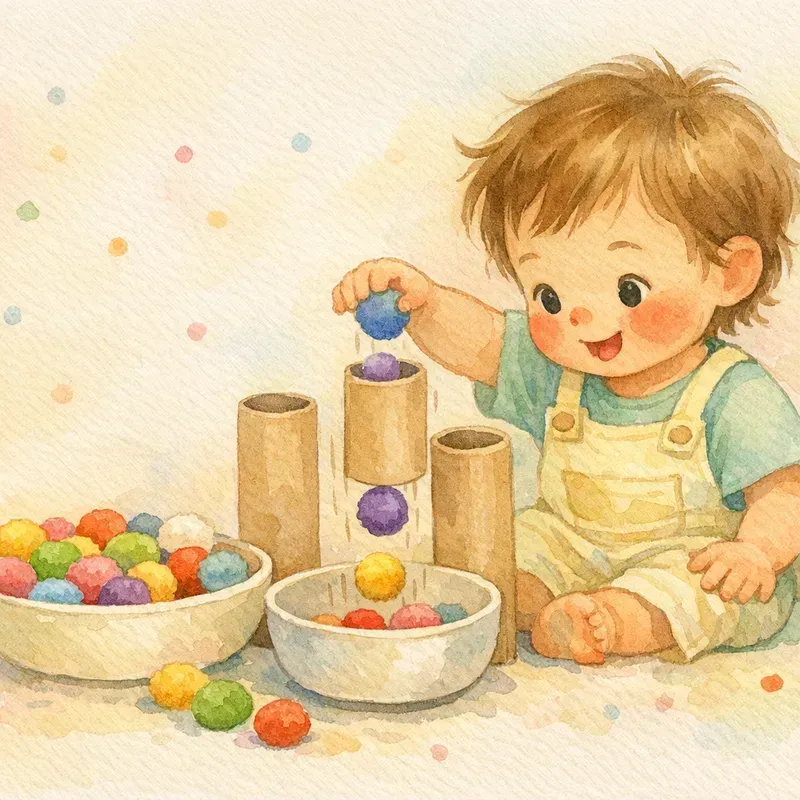
Pom Pom Tube Drop
- Age
- 1–3 years
- Time
- 10–20 min
- Energy
- Low-energy
- Mess
- No mess
You'll need: Paper towel or wrapping paper tubes, Pom poms, Tape +1 more

Button Art Pictures
- Age
- 3–6 years
- Time
- 15–30 min
- Energy
- Low-energy
- Mess
- Some mess
You'll need: Various buttons, Paper, Glue +1 more
Keep reading
Related guides & topics
Common questions
What age can a toddler start playing with play dough?
Is play dough actually good for fine motor skills?
How do I keep play dough from getting everywhere?
Need an idea right now?
Skip the scrolling, tell the generator your child's age and how long you've got.
Get an activityStay stocked with ideas
A few fresh play ideas, every now and then.
Practical activities and short parenting reads, no spam, no fluff, unsubscribe anytime.
Written by the TinyPlay team
We're parents who got tired of complicated activity ideas. Everything here is practical, low-prep, and built around how toddlers actually play, no ads in your face, no sign-up walls, no Pinterest pressure.