My Toddler Won't Play Independently
Why solo play is a skill (not a personality trait), realistic minutes by age, and gradual steps to build your child's play stamina.
You set up an activity, step two feet away, and your toddler follows you like a tiny shadow. You can’t pour a cup of coffee without a small person wrapped around your leg. It’s exhausting, and completely normal. Independent play is a skill that develops gradually, and there are concrete things you can do to help it along.
Independent Play Is a Skill, Not a Personality Trait
Some parents assume their child is “just clingy.” But solo play is a learned ability, like using a spoon or climbing stairs. It develops through practice and gradually increasing duration, not through a sudden personality shift.
The foundation is secure attachment. Your child needs to feel confident that you’re nearby and available before they’ll feel safe exploring on their own. That clingy phase? It’s actually building the trust that independent play requires.
Realistic Expectations by Age
Before you set goals, know the ballpark:
12–18 months
2–5 minutes with a familiar toy while you’re in the same room. That’s it. That’s the win.
18–24 months
5–10 minutes if the activity is engaging and you’re visible. They’ll check on you frequently. That’s healthy.
2–3 years
10–20 minutes with the right setup. They may narrate the entire time. You might hear your own phrases coming back at you.
3–4+ years
20–30+ minutes of imaginative play. They’ll build whole worlds and forget you exist for stretches. This is the payoff.
The Gradual Pull-Back Method
This is the most reliable way to build independent play. It works over days and weeks, not minutes:
- Start together. Sit on the floor and play with your child for 3–5 minutes. Build the tower together, sort the pom-poms, squish the dough side by side.
- Narrate and step back. After a few minutes, shift from leading to commenting: “Oh, you’re putting the blue one in!” Move back slightly. Same room, just not touching the materials.
- Busy yourself nearby. Start a visible, boring adult task: fold a towel, wipe the counter, scroll your phone. Stay in the room but stop engaging with the activity.
- Stretch the distance gradually. Over several sessions, move from 2 feet away to across the room. Then try stepping out for 30 seconds (announce it: “I’m going to grab water, I’ll be right back”).
If your child follows you or gets upset, you’ve moved too fast. Go back a step. This isn’t a test. It’s practice.
Activities That Encourage Solo Play
Some activities are better for independent play than others. Look for things that are:
- Open-ended: no “right answer,” so they don’t need you to validate
- Self-correcting: puzzles, stacking, nesting cups give feedback without your help
- Contained: a tray or mat defines the play zone, which feels safe and manageable
Good starting activities:
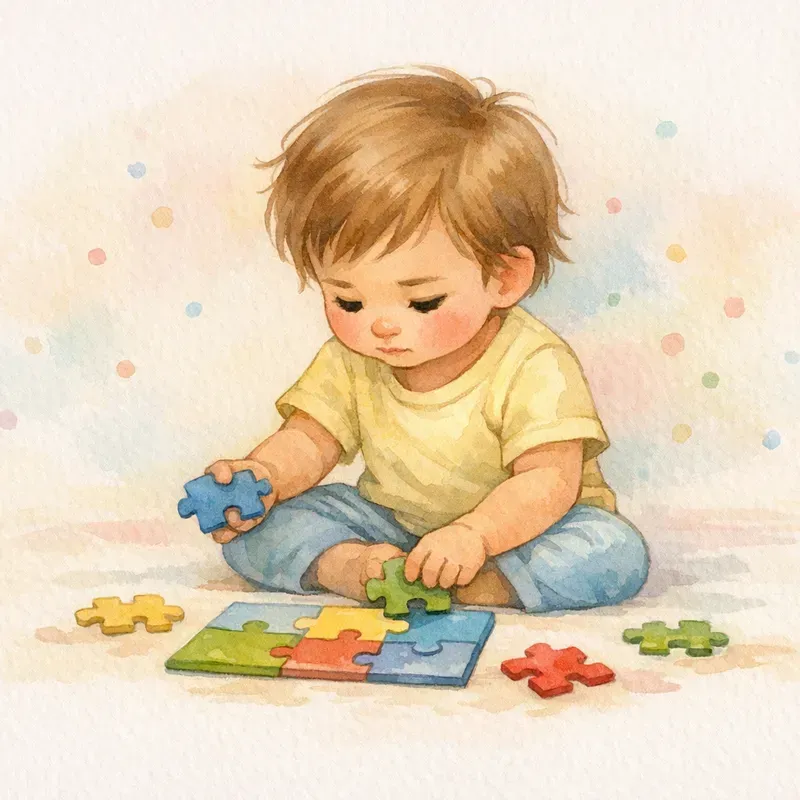
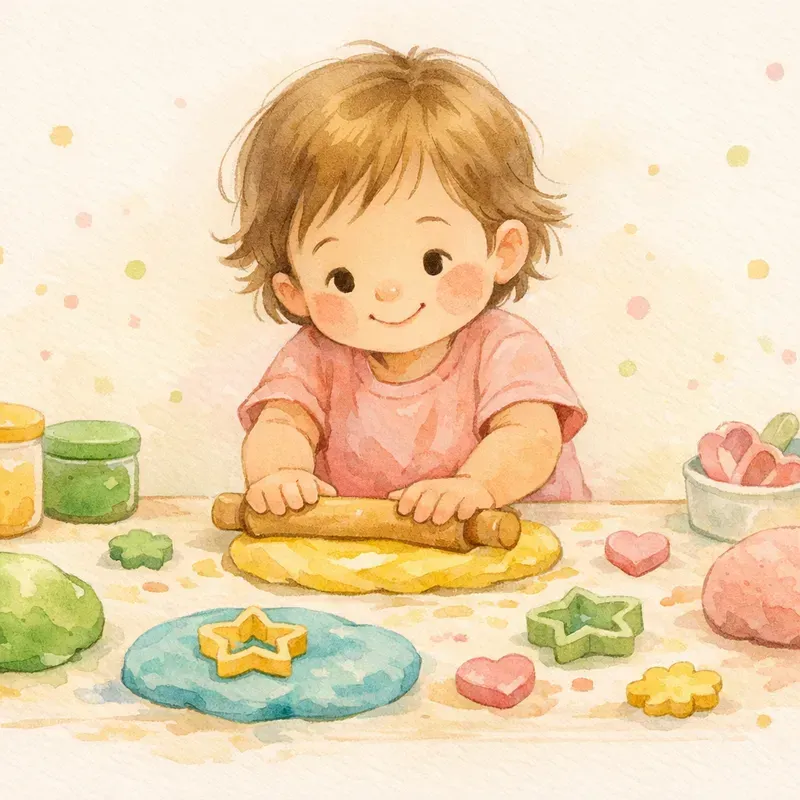
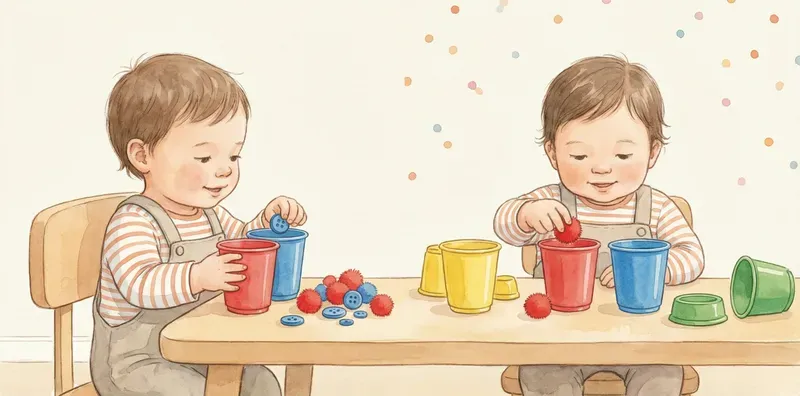
What Not to Do
- Don’t sneak away. Disappearing erodes trust and makes clinginess worse. Always announce when you leave and return.
- Don’t force it. If your child is having a rough day, drop the independent play goal and connect first.
- Don’t compare. The kid at playgroup who plays alone for 30 minutes might scream at bedtime for an hour. You’re seeing one slice.
The Bigger Picture
Independent play isn’t about getting your child out of your hair (though that’s a nice side effect). It builds creativity, problem-solving, and emotional regulation, skills that serve them long after the toddler years. And it starts with you being there, not with you walking away.
For more low-effort activity ideas while you build this skill, check activities for when you’re exhausted or browse quiet activities that work well for solo play.
Put it into practice
Try these activities
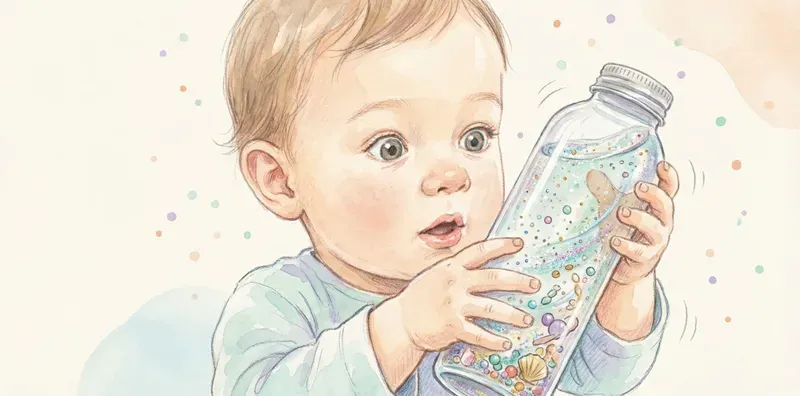
Discovery Bottles
- Age
- 0–3 years
- Time
- 5–15 min
- Energy
- Low-energy
- Mess
- Some mess
You'll need: Clear plastic bottles, Water, Glitter, beads, or small items +1 more
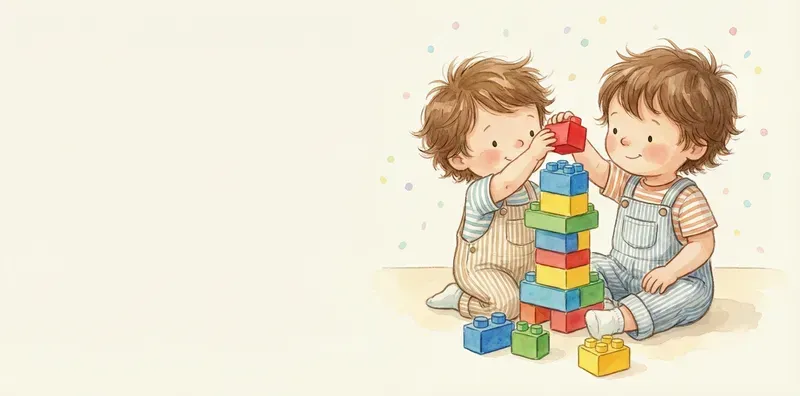
Tower Building Contest
- Age
- 1–4 years
- Time
- 10–20 min
- Energy
- Low-energy
- Mess
- No mess
You'll need: Blocks (any kind), Flat surface

Hide and Seek Toys
- Age
- 1–4 years
- Time
- 10–20 min
- Energy
- Low-energy
- Setting
- Indoor
You'll need: 3-5 small toys or objects, Rooms to hide them in
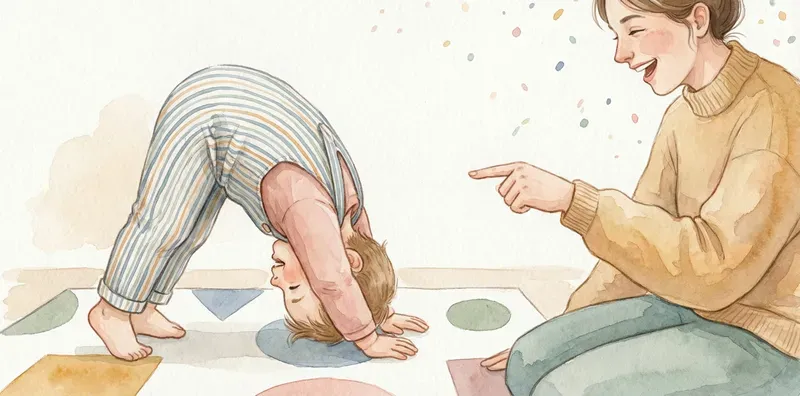
Body Letter Making
- Age
- 3–6 years
- Time
- 10–20 min
- Energy
- Hands-on
- Setting
- Indoor
You'll need: Clear floor space, Letter cards (optional), Music player (optional, for freeze dance version)
Keep reading
Related guides & topics
Common questions
At what age should a toddler play independently?
Why does my toddler only want to play with me?
Does independent play mean I leave them alone?
Need an idea right now?
Skip the scrolling, tell the generator your child's age and how long you've got.
Get an activityStay stocked with ideas
A few fresh play ideas, every now and then.
Practical activities and short parenting reads, no spam, no fluff, unsubscribe anytime.
Written by the TinyPlay team
We're parents who got tired of complicated activity ideas. Everything here is practical, low-prep, and built around how toddlers actually play, no ads in your face, no sign-up walls, no Pinterest pressure.