Quiet Activities for Kids at Home
Calm, low-noise activities for quiet time, screen breaks, or when the house needs to settle. Simple setups with things you already have, no screens required.
Sometimes you don’t need your child entertained, you need the house to settle. Maybe it’s quiet time after a busy morning, a phone call you have to take, or the slow build toward nap. These activities are calm, low-noise, and easy to set up with things you already have, no screens needed.
What Makes an Activity Actually Quiet
A quiet activity isn’t just one without noise. It’s one that holds your child’s attention without winding them up. Sorting, peeling, threading, and tracing all have a repetitive, soothing quality that settles a busy brain. Activities with big movements, sound, or a race-to-finish energy do the opposite, so they’re worth saving for another part of the day.
The other thing that makes an activity quiet in practice: it should need almost nothing from you once it’s set up. That’s what lets you sit nearby with a cup of tea instead of running the show.
6 Quiet Activities That Settle the Room
1. Sticker play
A sheet of stickers and a piece of paper is one of the calmest activities there is. Peeling and placing stickers is slow, careful work that little ones will stick with for a surprisingly long time. It’s also gentle fine motor practice, though that’s just a bonus here.
2. Floor puzzles
A puzzle gives a child a clear, contained task with a satisfying finish. Sit them on the floor with one that’s a touch easy for them, and the focus that takes over is exactly the calm you’re after. Keep a couple of puzzles in rotation so they stay interesting.
3. Sensory bottles
Fill a clear bottle with water, a drop of food coloring, and some glitter or beads, then seal it tight. Your child shakes it and watches everything slowly settle. It’s mesmerizing, completely mess-free, and one of the few things that works even when a child is lying down and tired.
4. Sensory bag
A zip-lock bag with hair gel or shaving cream and a few small items sealed inside lets your child squish, push, and trace shapes through the plastic. Tape it to the table or floor and it becomes a calming, no-mess activity they can do sitting or lying down.
5. Pom pom sorting
Tip out a handful of colorful pom poms and set out a muffin tin or a few cups. Your child sorts them by color, using fingers, a spoon, or tongs. The pinch-and-drop rhythm is calming and builds hand strength, and counting them at the end stretches the activity a little further.
6. Cotton ball transfer
Put out two bowls, a pile of cotton balls, and a spoon or a pair of tongs, and let your child move the cotton balls from one bowl to the other. It’s quiet, soft, and oddly absorbing, and it asks nothing of you beyond being in the room.
Setting Up a Quiet-Time Habit
If you want quiet time to become a regular part of the day, it helps to make it predictable. Pick one spot, keep a small set of calm activities there, and use it at roughly the same time each day, often after lunch, where a nap used to sit.
Don’t expect a long stretch at first. A few minutes of solo, quiet play is a real start, and it grows with practice. Sit close in the early days and gradually move to something of your own within sight. For more on this, see our guide on building independent play.
More Calm, Screen-Free Ideas
When you’ve worn through these, there are plenty more in the same gentle register. Browse quiet activities for toddlers for a full set, or try screen-free activities and indoor activities for more ideas that keep things calm at home.
Put it into practice
Try these activities
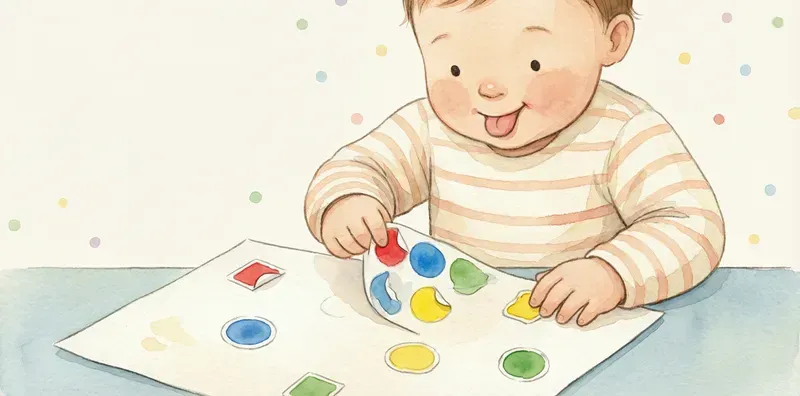
Sticker Free Play
- Age
- 1–4 years
- Time
- 5–15 min
- Energy
- Low-energy
- Mess
- No mess
You'll need: Stickers (any kind, dollar store sheets work great), Paper or cardboard
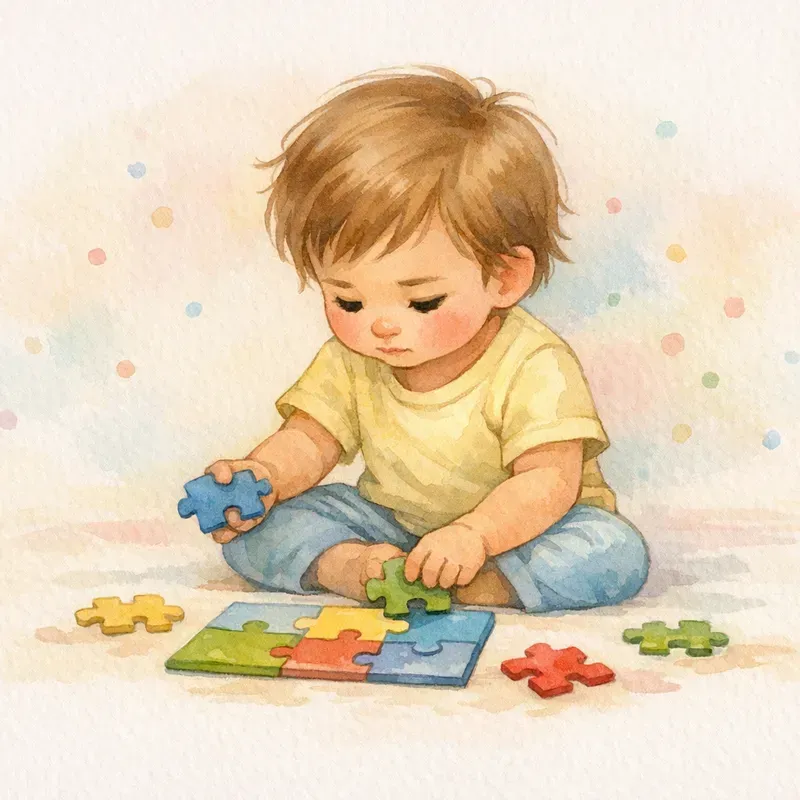
Floor Puzzle Time
- Age
- 1–5 years
- Time
- 10–25 min
- Energy
- Low-energy
- Mess
- No mess
You'll need: Age-appropriate puzzle, Flat floor space

Discovery Bottles
- Age
- 0–3 years
- Time
- 5–15 min
- Energy
- Low-energy
- Mess
- Some mess
You'll need: Clear plastic bottles, Water, Glitter, beads, or small items +1 more
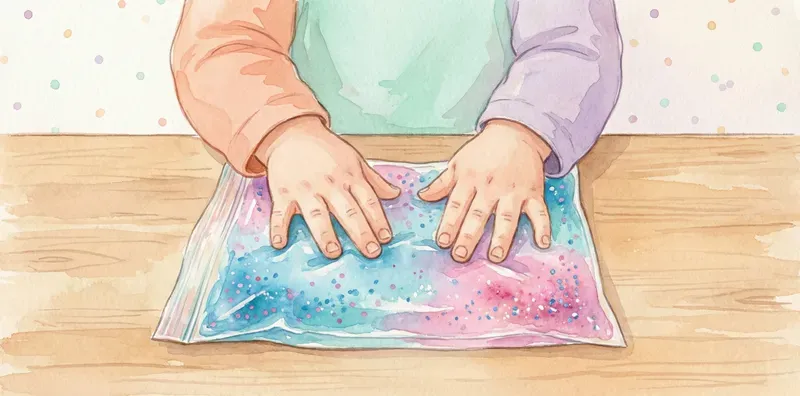
Squishy Sensory Bag
- Age
- 0–3 years
- Time
- 5–20 min
- Energy
- Low-energy
- Mess
- Some mess
You'll need: Ziplock bag, Hair gel or dish soap, Glitter or small toys +1 more
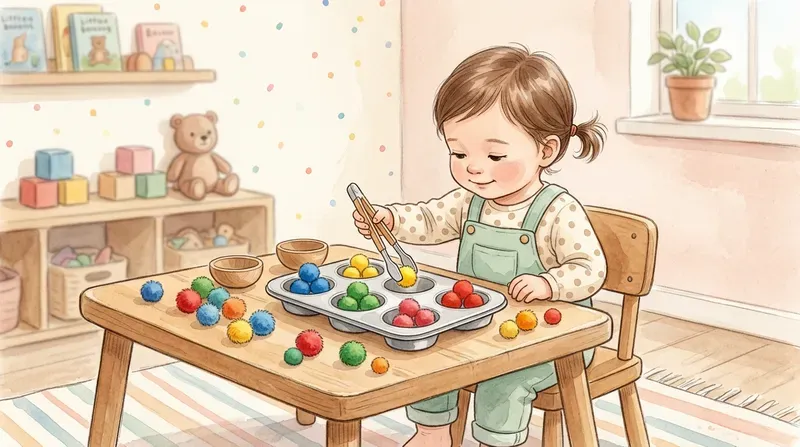
Pom Pom Sorting & Transfer
- Age
- 1–4 years
- Time
- 10–20 min
- Energy
- Low-energy
- Mess
- Some mess
You'll need: Pom poms (mixed colors and sizes), Muffin tin or small cups, Tongs, tweezers, or a spoon
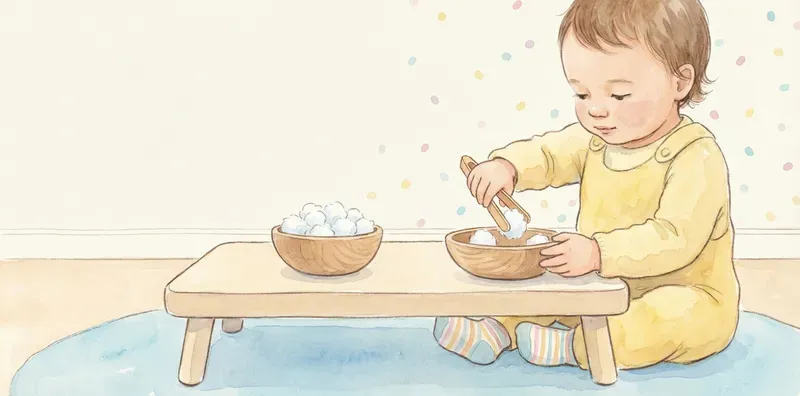
Cotton Ball Transfer
- Age
- 2–4 years
- Time
- 5–15 min
- Energy
- Low-energy
- Mess
- No mess
You'll need: Cotton balls, Two bowls, Spoon or tongs
Keep reading
Related guides & topics
Common questions
What are good quiet activities for kids at home?
How do I get my toddler to play quietly on their own?
Do quiet activities replace nap time?
Need an idea right now?
Skip the scrolling, tell the generator your child's age and how long you've got.
Get an activityStay stocked with ideas
A few fresh play ideas, every now and then.
Practical activities and short parenting reads, no spam, no fluff, unsubscribe anytime.
Written by the TinyPlay team
We're parents who got tired of complicated activity ideas. Everything here is practical, low-prep, and built around how toddlers actually play, no ads in your face, no sign-up walls, no Pinterest pressure.