6 No-Mess Sensory Play Ideas for Toddlers
Sensory play without the cleanup dread. Sealed bags, sensory bottles, water painting, and more contained ideas for toddlers.
You know sensory play is good for your toddler. You also know what happened last time you let them loose with a rice bin. If “I want sensory play but I can’t face the cleanup” sounds familiar, these six ideas are for you. Every one keeps the sensory input high and the mess low.
Why Mess Stops Parents (and Why It Doesn’t Have To)
The parenting internet is full of beautiful sensory bin photos. What they don’t show is the 20 minutes of floor sweeping that follows. For parents who are already running on low energy, mess isn’t just annoying. It’s the reason they skip sensory play entirely.
The good news: most of the developmental benefit of sensory play comes from the tactile input and the hand movements, not from spreading materials across your kitchen floor. You can get the same learning in a sealed bag, a capped bottle, or a contained surface. Your child gets the stimulation. Your floor stays intact.
6 Contained Sensory Activities
1. Sensory bags
Fill a zip-lock bag with hair gel, shaving cream, or paint. Add small flat items: googly eyes, buttons, foam letters, or sequins. Seal the bag (duct tape the edge if your toddler is a determined opener), and tape it to the table, floor, or a window. They can push items around, trace letters through the gel, and squish to their heart’s content.
Everything stays inside the bag. When they’re done, peel off the tape and toss it.
2. Sensory bottles
Fill a clear plastic bottle with water, a drop of food colouring, and something that moves: glitter, beads, small buttons, rice, or sequins. Glue the cap shut. Your toddler shakes, rolls, tilts, and watches the contents settle. It’s calming, visually engaging, and completely sealed.
Make a few with different contents and they become a rotation toy. A slow-moving glitter bottle is surprisingly soothing for overstimulated toddlers.
3. Contact paper collage
Tape a sheet of clear contact paper to the wall or table, sticky side out. Provide small items to press onto it: torn paper, fabric scraps, leaves, cotton balls, yarn pieces. Everything sticks on contact. No glue, no paste, no drying time. When finished, peel the sheet off and you have a collage.
This is also a quiet fine motor workout. Pressing, peeling, and placing all use the pincer grip.
4. Water painting
Give your child a cup of water and a paintbrush. Let them “paint” on construction paper, cardboard, or the sidewalk outside. The water darkens the surface as they paint, then dries and disappears. They can paint the same surface over and over.
All the satisfaction of painting with literally zero cleanup. The brush practice also builds the same grip used for writing.
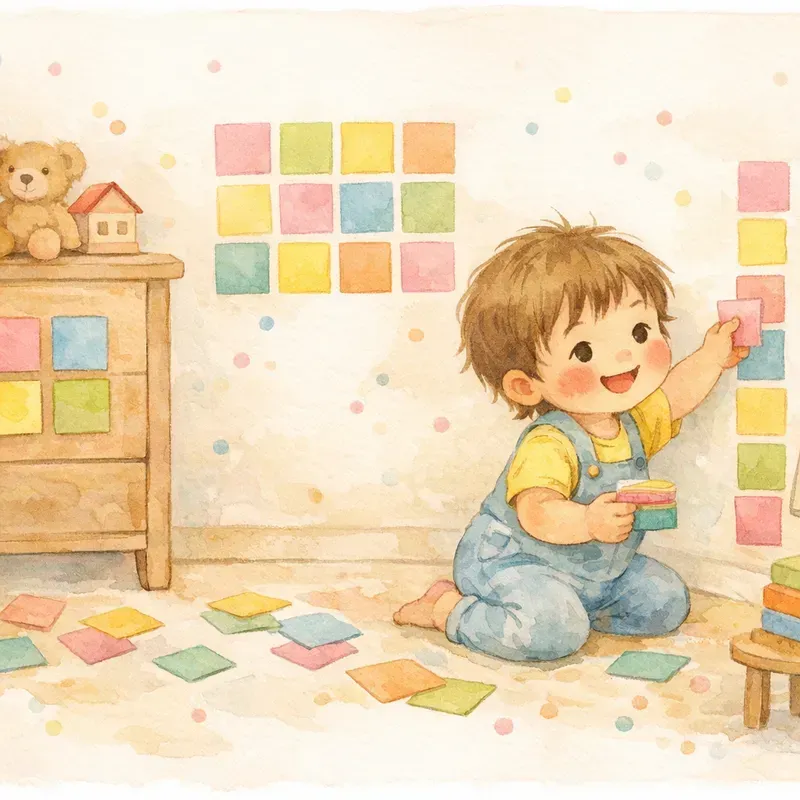
5. Sticky note play
Give your toddler a pad of sticky notes. They can peel them off (fine motor), stick them on walls, furniture, themselves, or each other. Write letters or numbers on them for a simple matching game. The adhesive is gentle enough that they peel off any surface without leaving marks.
This is one of the cheapest, most portable sensory activities. A pad of sticky notes and a pen. Done.
6. Play dough (contained version)
Play dough is technically mess-light if you set boundaries. Use it at a table or high chair tray, and provide only tools that stay in the dough: cookie cutters, a fork for textures, a garlic press for “spaghetti.” Skip the add-ins (no glitter, no rice, no mixed colours on day one).
When done, all the dough goes back in the container. Wipe the surface. That’s the full cleanup.
Containment Tips for Any Sensory Activity
Even traditionally messy activities can be contained with the right setup:
- Bathtub play: Put the sensory bin in the bathtub. Mess stays in the tub. Rinse when done.
- Shower curtain liner: Lay one on the floor under any activity. Fold up the edges and dump the mess.
- High chair tray: Natural walls on three sides. Keeps materials from migrating across the kitchen.
- Outdoor transfer: If the weather allows, take the messy ones outside. Rice bin on the patio, water play on the grass.
More Ways to Play
If your toddler loves these contained activities, explore all no-mess activities or browse the full sensory activities collection (including the gloriously messy ones, for when you’re ready).
For something that needs zero supplies at all, try making letters with your body. It’s whole-body sensory input with nothing to clean up afterwards.
Put it into practice
Try these activities
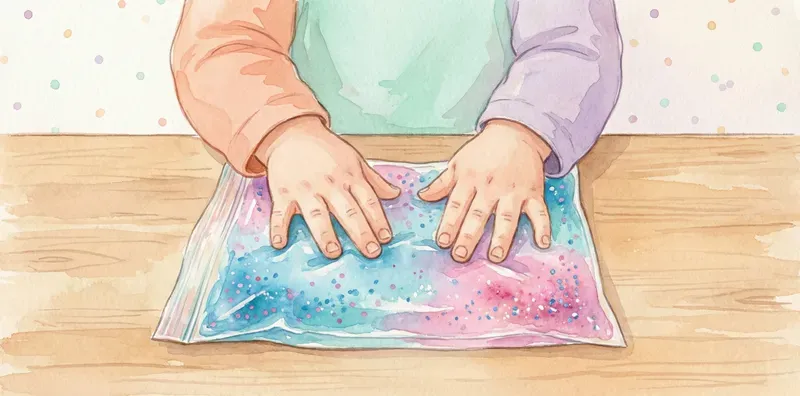
Squishy Sensory Bag
- Age
- 0–3 years
- Time
- 5–20 min
- Energy
- Low-energy
- Mess
- Some mess
You'll need: Ziplock bag, Hair gel or dish soap, Glitter or small toys +1 more
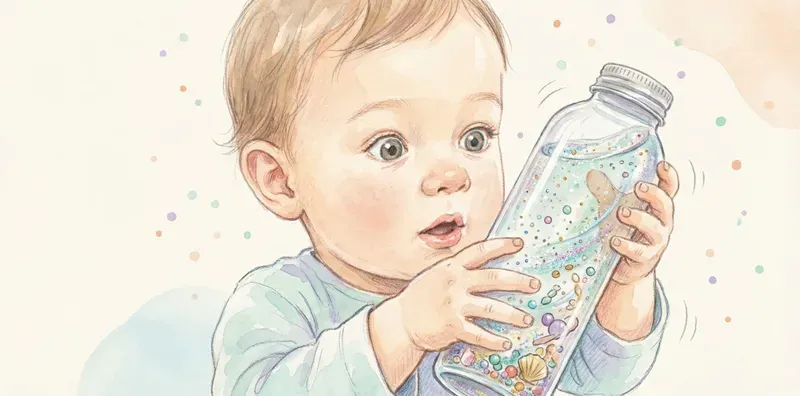
Discovery Bottles
- Age
- 0–3 years
- Time
- 5–15 min
- Energy
- Low-energy
- Mess
- Some mess
You'll need: Clear plastic bottles, Water, Glitter, beads, or small items +1 more
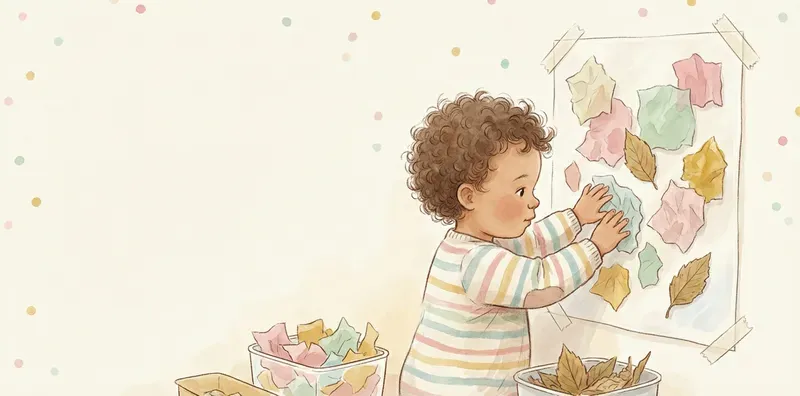
Sticky Contact Paper Collage
- Age
- 1–5 years
- Time
- 10–25 min
- Energy
- Low-energy
- Mess
- No mess
You'll need: Clear contact paper, Tape, Tissue paper, leaves, or pom poms
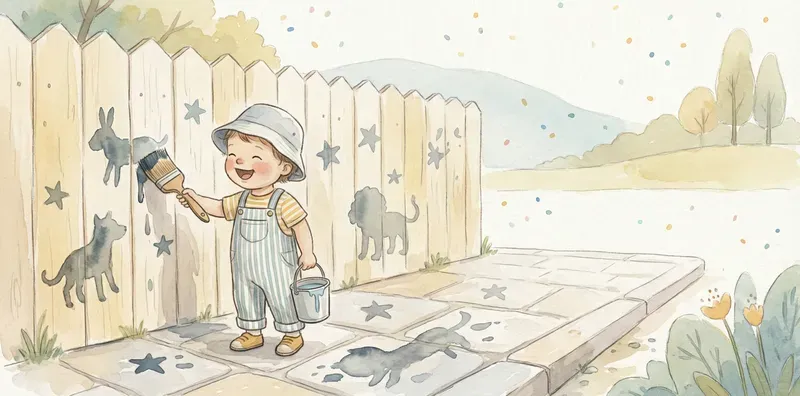
Outdoor Water Painting
- Age
- 1–5 years
- Time
- 15–30 min
- Energy
- Low-energy
- Mess
- Some mess
You'll need: Bucket of water, Large paintbrushes, Fence, sidewalk, or deck
Sticky Note Fun
- Age
- 1–5 years
- Time
- 10–25 min
- Energy
- Low-energy
- Mess
- No mess
You'll need: Sticky notes (various colors)
Keep reading
Related guides & topics
Common questions
Can sensory play really be mess-free?
Is mess-free sensory play as good for development as the messy kind?
What if my toddler gets bored with contained activities?
Need an idea right now?
Skip the scrolling, tell the generator your child's age and how long you've got.
Get an activityStay stocked with ideas
A few fresh play ideas, every now and then.
Practical activities and short parenting reads, no spam, no fluff, unsubscribe anytime.
Written by the TinyPlay team
We're parents who got tired of complicated activity ideas. Everything here is practical, low-prep, and built around how toddlers actually play, no ads in your face, no sign-up walls, no Pinterest pressure.