All Activities
24 activities so far. All simple, all using household items.

Button Art Pictures
3–6 years · 15–30 min · Indoor · Low energy
Sorting and arranging builds spatial skills with satisfying results.
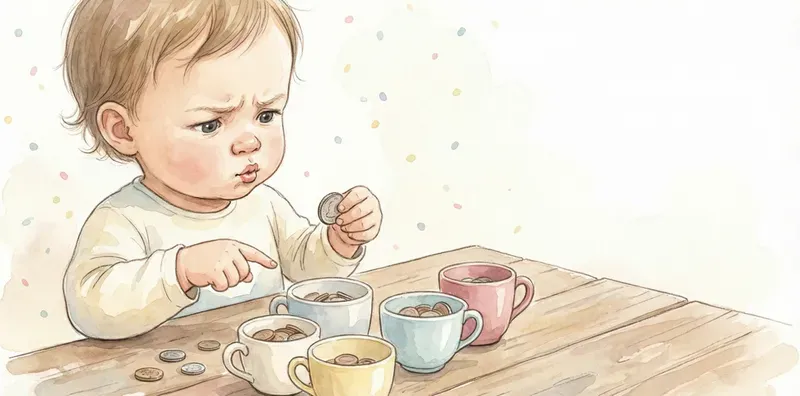
Coin Sorting Bank
3–6 years · 10–20 min · Indoor · Low energy
Real-world math with tactile discrimination practice.
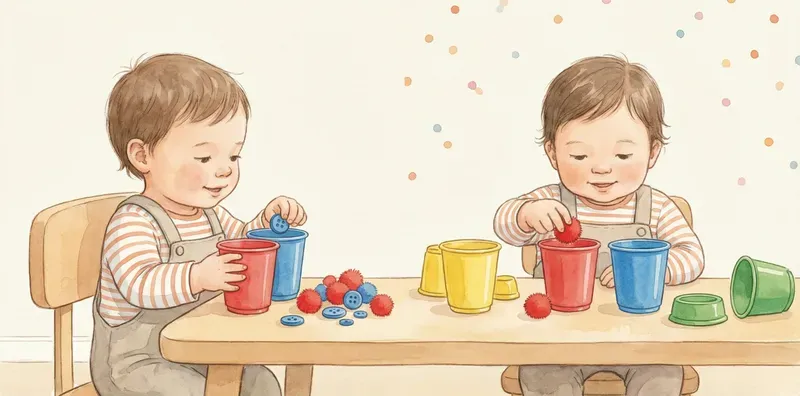
Color Sorting Cups
1–4 years · 5–15 min · Indoor · Low energy
Sorting by color builds categorization thinking — one of the earliest math skills. The pinch-and-place motion strengthens the same muscles used for writing. And because the 'rules' are simple (match the color), toddlers feel successful quickly, which keeps them going longer than you'd expect.
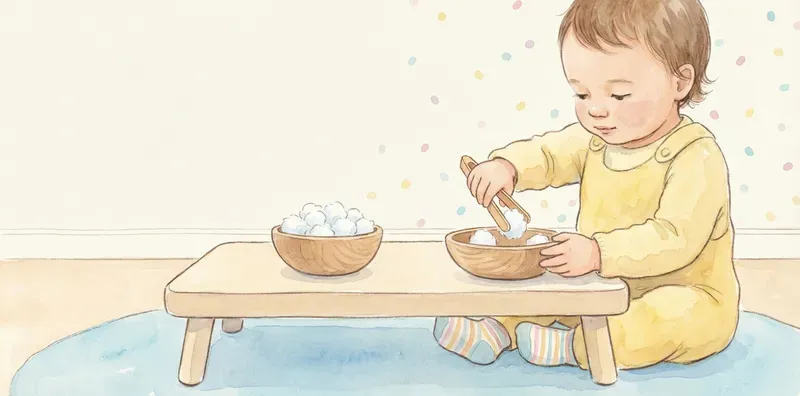
Cotton Ball Transfer
2–4 years · 5–15 min · Indoor · Low energy
Cotton balls are lightweight and soft, so dropping them feels fine — not frustrating. The pinch-grip motion with tongs strengthens the same small muscles kids need for holding pencils and using scissors. Counting along the way sneaks in early math practice without it feeling like a lesson.
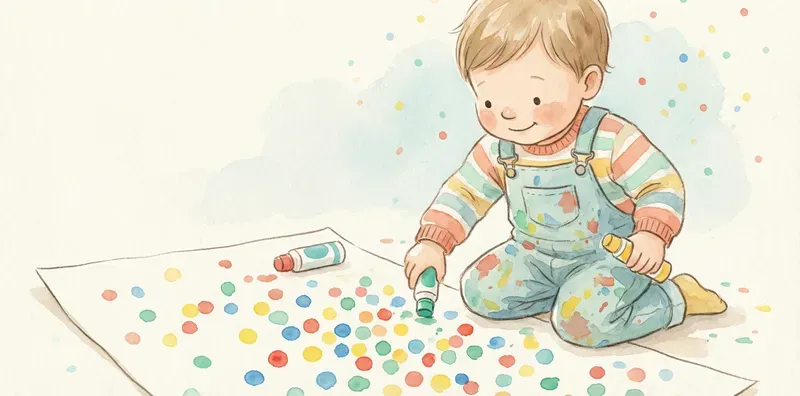
Dot Marker Art
1–5 years · 10–25 min · Indoor · Low energy
Dot markers give vivid, instant results with every single press — there's no way to 'fail' at this, which builds art confidence in hesitant kids. The press-and-lift motion strengthens the same hand muscles used for writing, and the chunky grip is perfect for small hands that struggle with thin crayons or pencils.
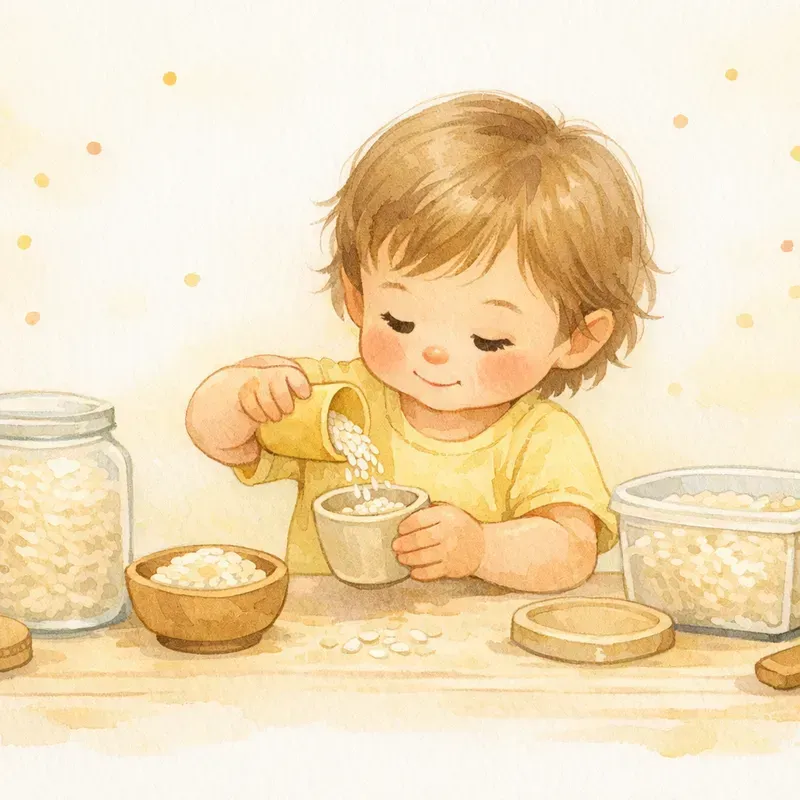
Dry Pouring Station
1–3 years · 10–20 min · Indoor · Low energy
Pouring requires wrist rotation and controlled tipping — skills that transfer directly to pouring drinks and using utensils. The repetitive scoop-pour-dump cycle is deeply calming for toddlers, similar to how adults find repetitive tasks meditative. Using a funnel adds precision aiming. The different sounds of beans hitting plastic vs. metal containers adds sensory richness that keeps them engaged.
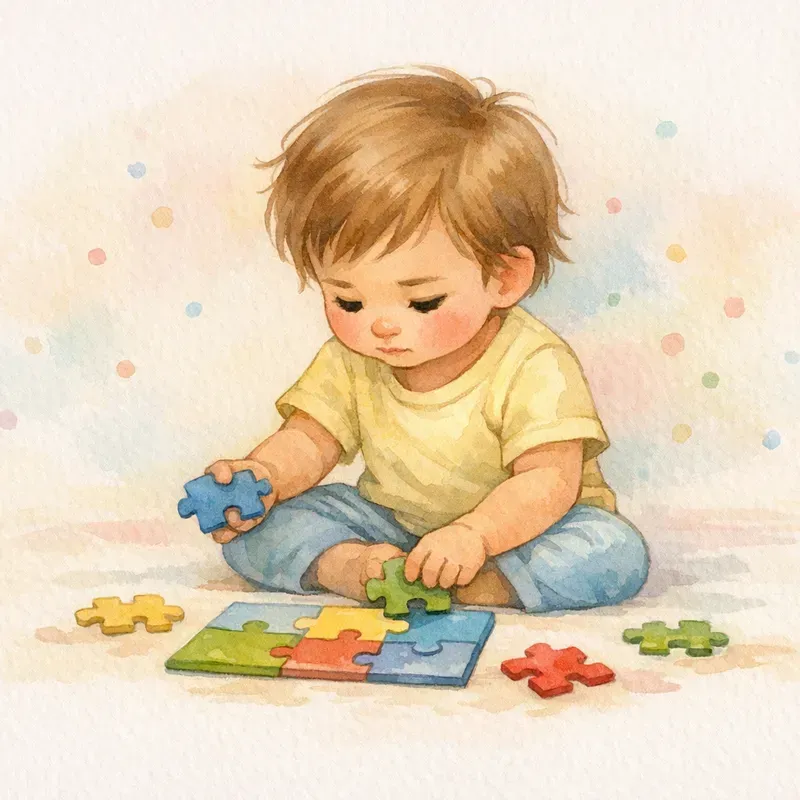
Floor Puzzle Time
1–5 years · 10–25 min · Indoor · Low energy
Puzzles build spatial reasoning, patience, and problem-solving.
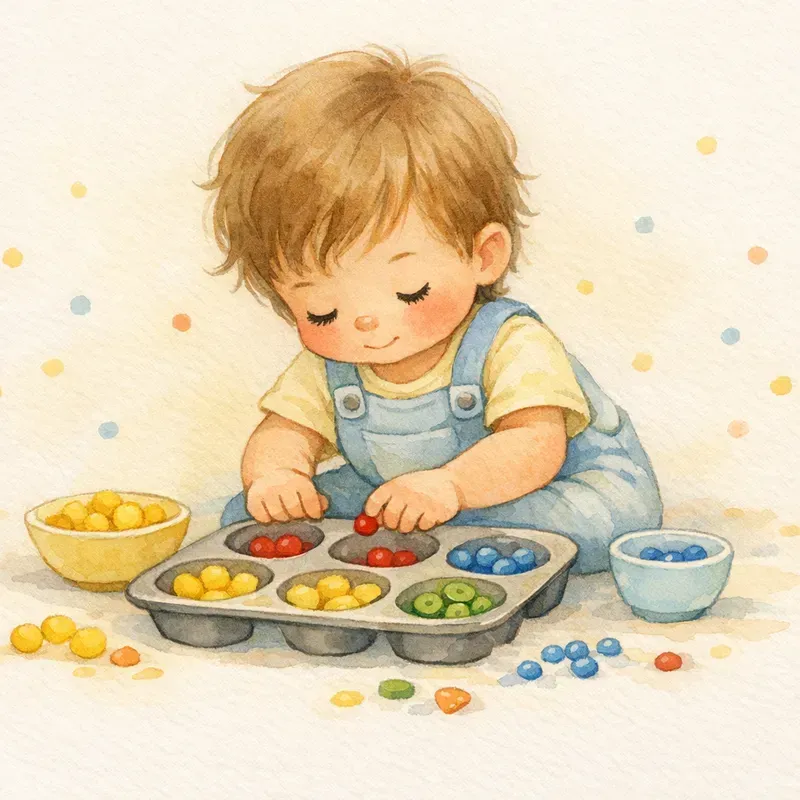
Muffin Tin Sorting
1–4 years · 10–20 min · Indoor · Low energy
Placing one item per cup teaches one-to-one correspondence — a foundational math concept that children need before they can count meaningfully. The pinch-and-drop motion builds the same finger strength and precision needed for writing. And because the muffin tin provides built-in structure (fill each cup!), toddlers stay focused longer than with open-ended sorting tasks.
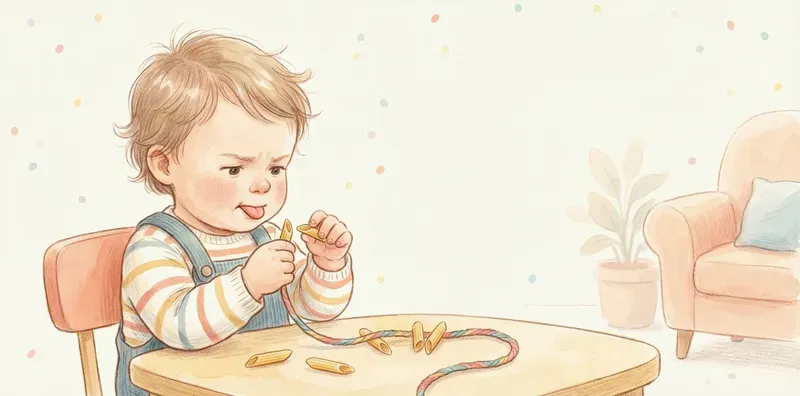
Noodle Threading
2–5 years · 10–20 min · Indoor · Low energy
Threading requires both hands working together in different roles — one holding, one pushing — which builds bilateral coordination. Lining up the string with the pasta hole demands precise hand-eye coordination and spatial awareness. It's also one of the most patience-building fine motor activities: each noodle requires careful, focused effort, teaching toddlers to persist through a multi-step task.
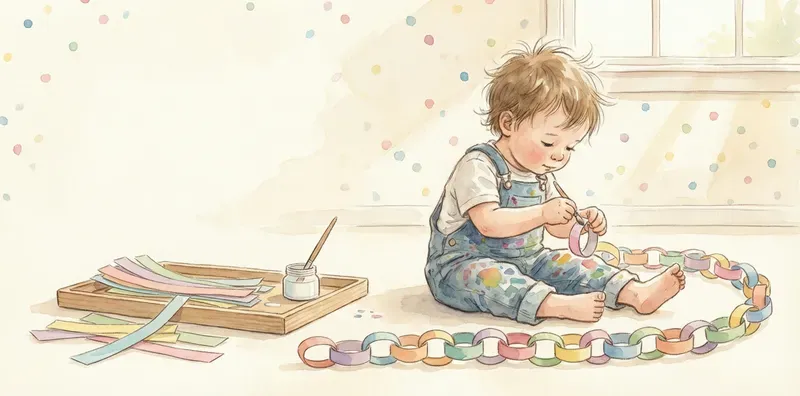
Paper Chain Making
3–6 years · 10–25 min · Indoor · Low energy
Repetitive craft teaches patterns while creating decoration.
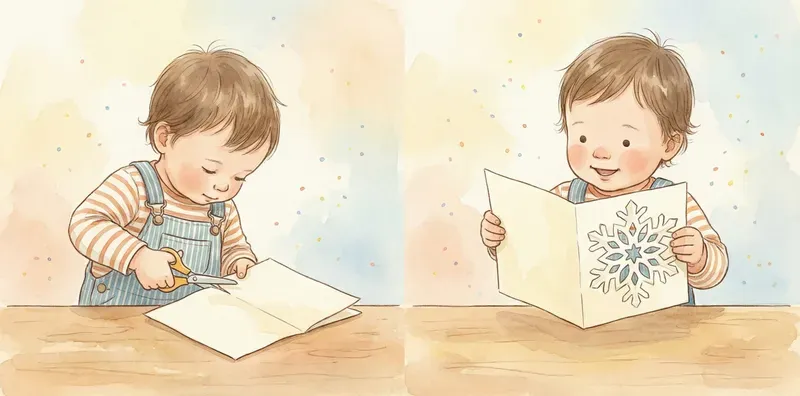
Paper Snowflake Cutting
4–6 years · 15–30 min · Indoor · Low energy
Satisfying reveal teaches symmetry and cutting skills.
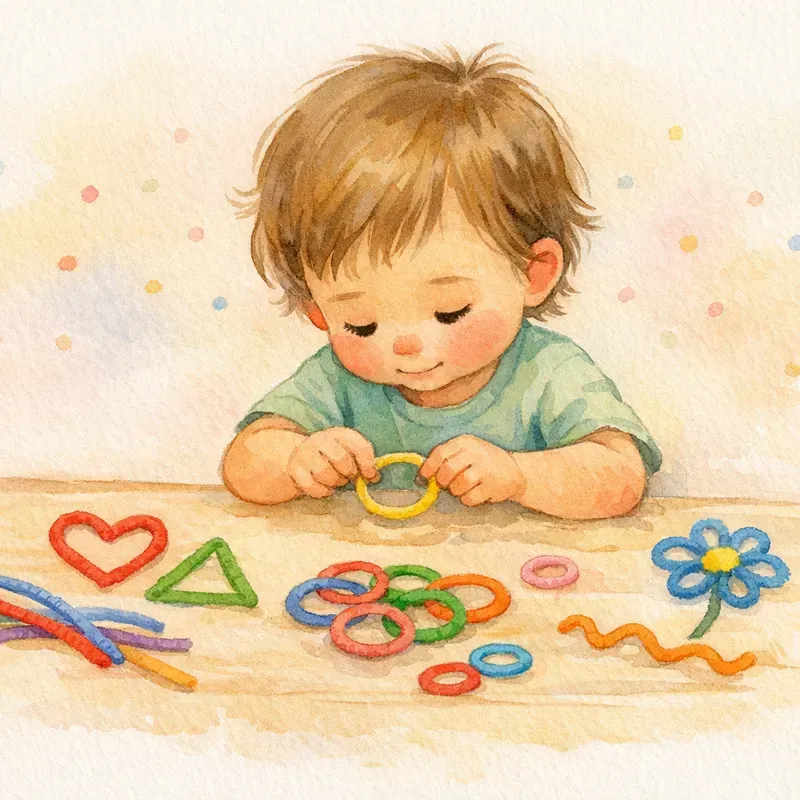
Pipe Cleaner Creations
2–6 years · 10–25 min · Indoor · Low energy
Highly moldable material builds fine motor skills and 3D thinking.
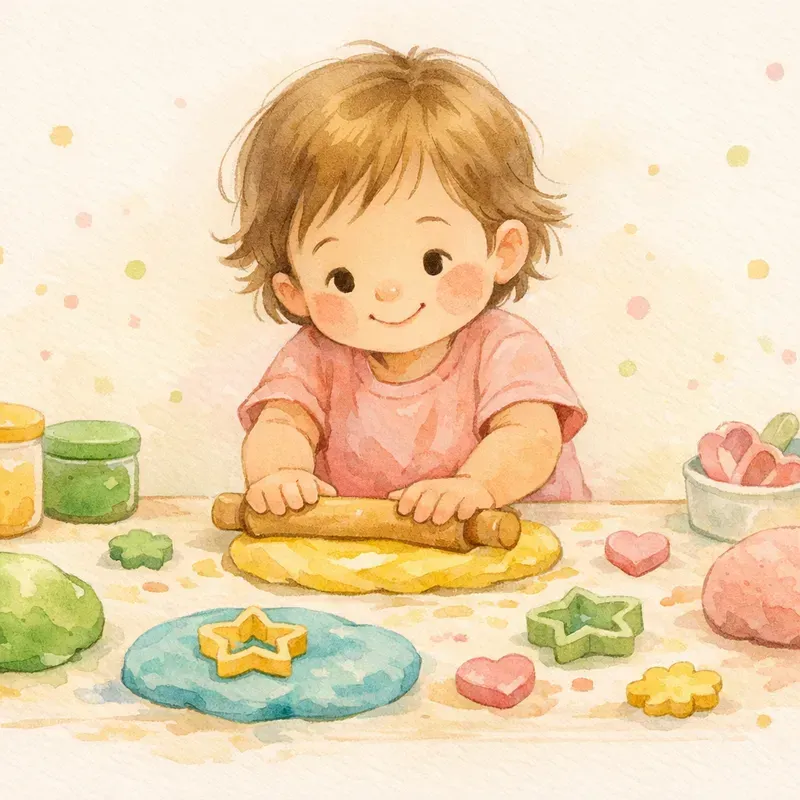
Play Dough Squish
1–5 years · 15–30 min · Indoor · Low energy
Squeezing, pinching, and rolling play dough works every small muscle in the hand. It's the same resistance training that occupational therapists prescribe for building writing-ready hand strength — but to a toddler, it's just fun. The sensory input from the soft, squishy texture is naturally calming, making this a go-to for winding down before nap or when emotions are running hot.
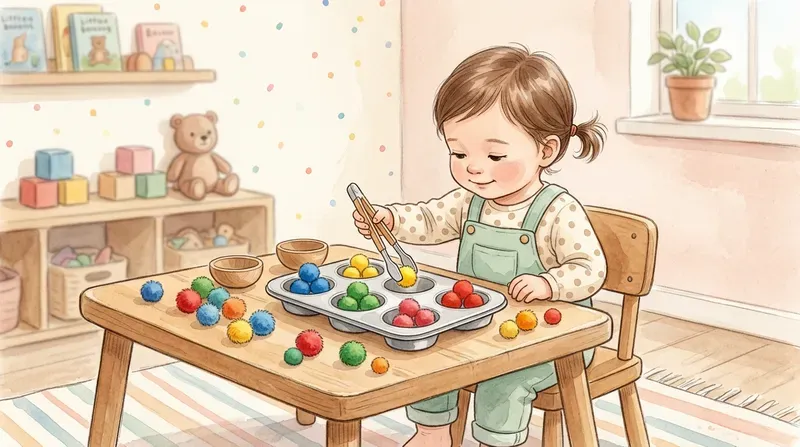
Pom Pom Sorting & Transfer
1–4 years · 10–20 min · Indoor · Low energy
Pom poms are squishy, colorful, and satisfying to grab — they don't roll away as easily as marbles and feel rewarding to pick up. Sorting by color builds early categorization skills, while the pinch-and-release motion with tongs or tweezers strengthens the same small hand muscles needed for writing and buttoning.
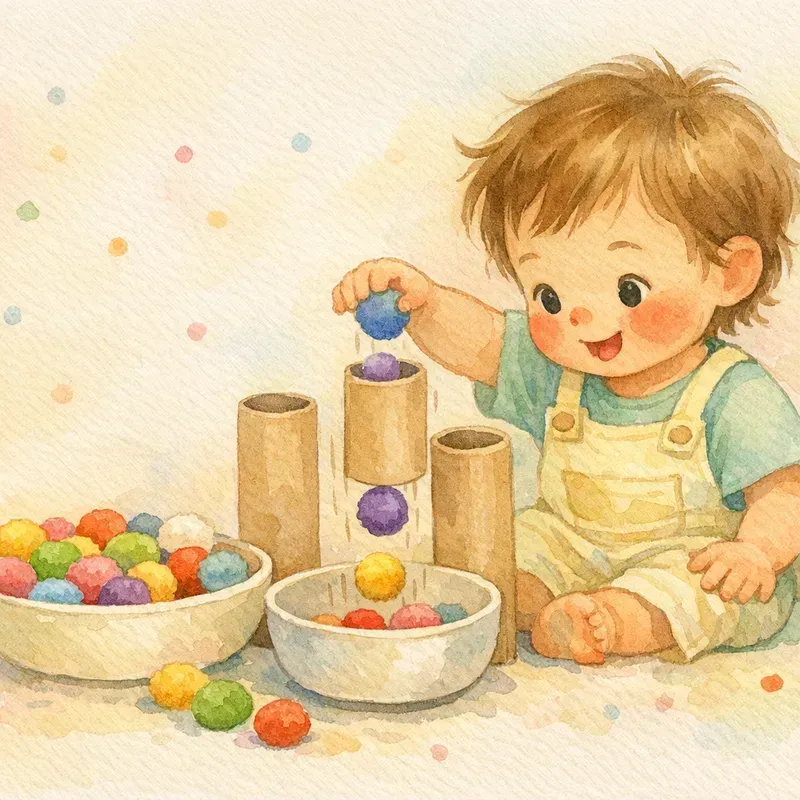
Pom Pom Tube Drop
1–3 years · 10–20 min · Indoor · Low energy
Cause and effect learning with visual tracking practice.
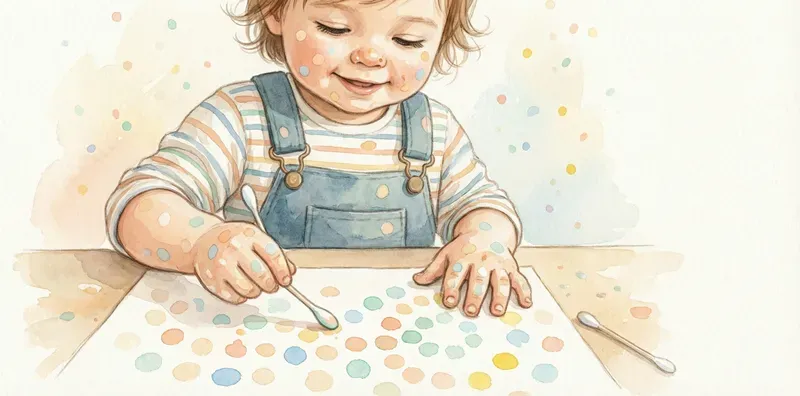
Q-Tip Dot Painting
1–5 years · 10–25 min · Indoor · Low energy
Easy grip tool allows precise art for small hands.
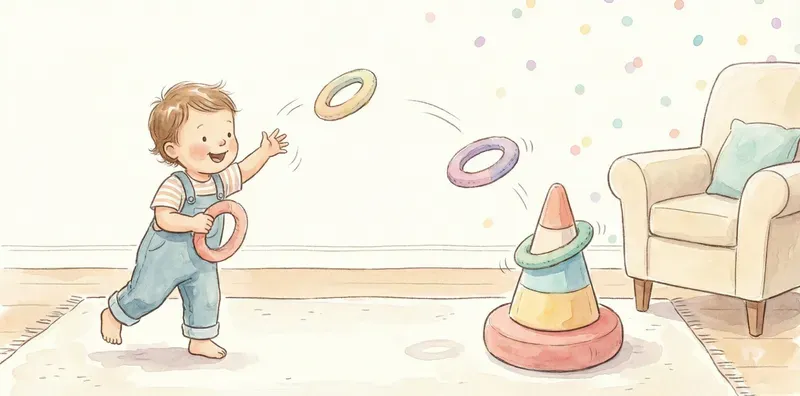
Ring Toss Game
2–6 years · 10–20 min · Indoor · Low energy
Ring toss develops hand-eye coordination, spatial awareness, and the controlled release motion that children need for throwing, catching, and eventually writing with controlled pressure. The instant visual feedback (ring on vs. ring off) gives toddlers clear success signals that motivate practice. It's also one of the few fine motor games that gets them moving and standing, making it great for active kids who won't sit for table activities.
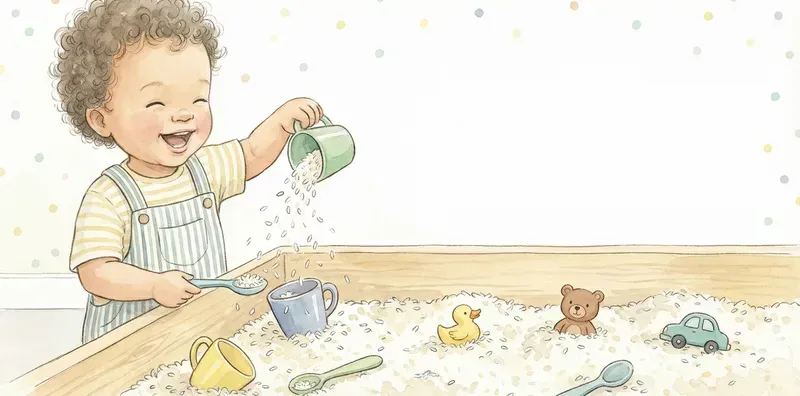
Sensory Rice Bin
1–4 years · 15–30 min · Indoor · Low energy
Running fingers through rice provides deep sensory input that calms the nervous system, while scooping and pouring build the hand strength and wrist control needed for self-feeding and writing. The repetitive fill-dump-fill cycle is meditative for toddlers — it's one of those activities where they'll zone in happily while you sit nearby.
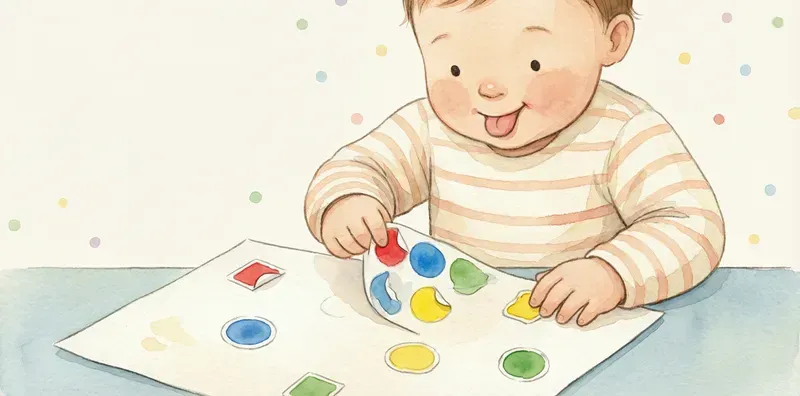
Sticker Free Play
1–4 years · 5–15 min · Indoor · Low energy
The peel-and-place motion is precision fine motor practice disguised as fun. Peeling a sticker requires pinching with the thumb and index finger (pincer grasp), controlling the pull strength, then placing it with intention. It's the same muscle coordination needed for buttoning shirts and holding pencils — and toddlers will do it for 15 minutes straight because stickers are inherently satisfying.
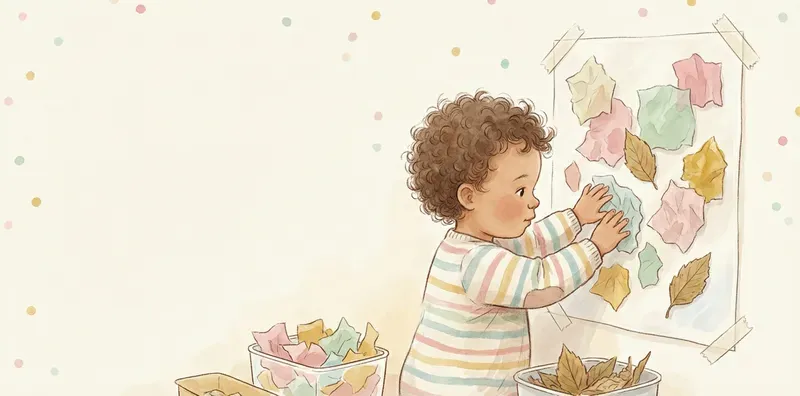
Sticky Contact Paper Collage
1–5 years · 10–25 min · Indoor · Low energy
Mess-free art builds confidence and fine motor skills without cleanup stress.